


Space Brief 16 Dec 2025
Today's briefing covers the Space Force's AI integration, new naming conventions for satellites, and updates on military and satellite acquisition strategies.


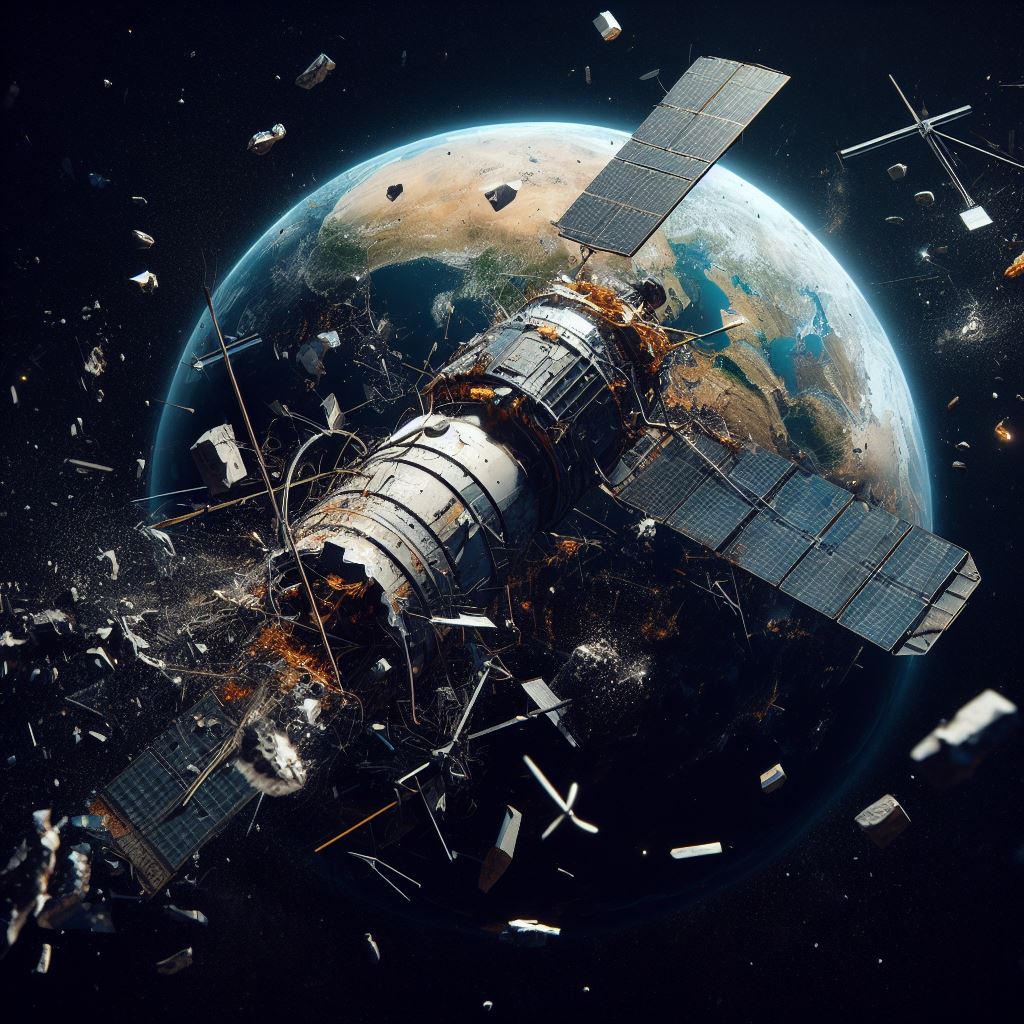
Launch Date
June 16, 1993
Launch Site
PLMSC
Launch Pad
LC132/1
Launch Vehicle
Kosmos 11K65M
NORAD ID
35070
International Designator
1993-036AHZ
Decay Date
3/14/2013
Name
COSMOS 2251 DEB
Alternative Name
deb Kosmos-2251
Type
Status
Owner
KVR
Country
Russia
Constellation
N/A
Related Satellites
Major Events
N/A
Length
0
Diameter
0
Span
0
Dry Mass
0
Launch Mass
0
Shape
N/A
Radar Cross Section
0.0118
Visual Magnitude
Unknown
Color
Unknown
Material Composition
Unknown
Payload
Unknown
Purpose
Unknown
Mission
Unknown
Manufacturer
Unknown
Life Expectancy
Unknown
Bus
Unknown
Configuration
Unknown
Motor
Unknown
Equipment
Unknown
Power System
Unknown
ADCS
Unknown
Transmitter Frequency
Unknown
Learn more about satellites and other related topics.
Today's briefing covers the Space Force's AI integration, new naming conventions for satellites, and updates on military and satellite acquisition strategies.
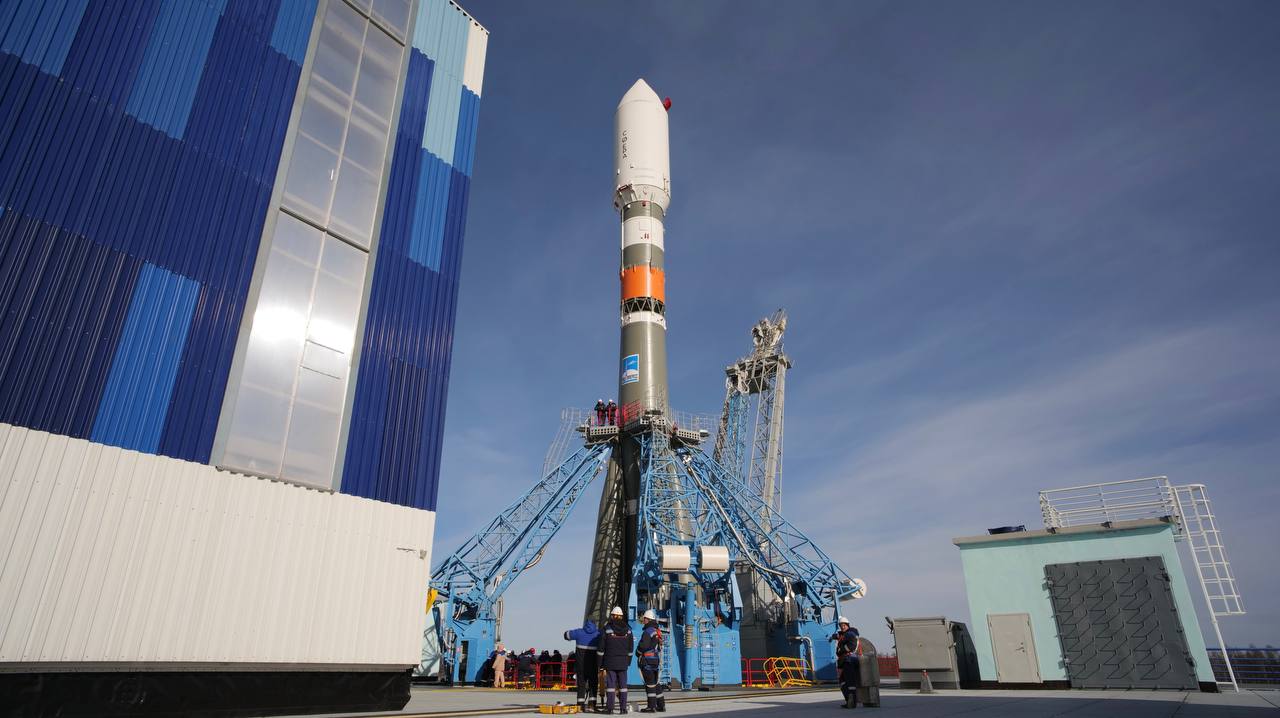
Today's highlights include the U.S. military's satellite initiative facing delays, Senate inquiries into high-profile calls, and an update on Pentagon's UFO investigations. Notable mentions also cover Morocco's defense sector ambitions.
Today's brief covers the launch of the X-37B, cutting-edge quantum navigation systems, and the future of space-based military technology. Discover the role of SpaceX and the advancements in inertial navigation.

Space Force modernization stalls over workforce gaps. Deutsche Telekom targets 2028 for Starlink Mobile V2 across 10 EU nations. Iran ops strain US munition stocks.
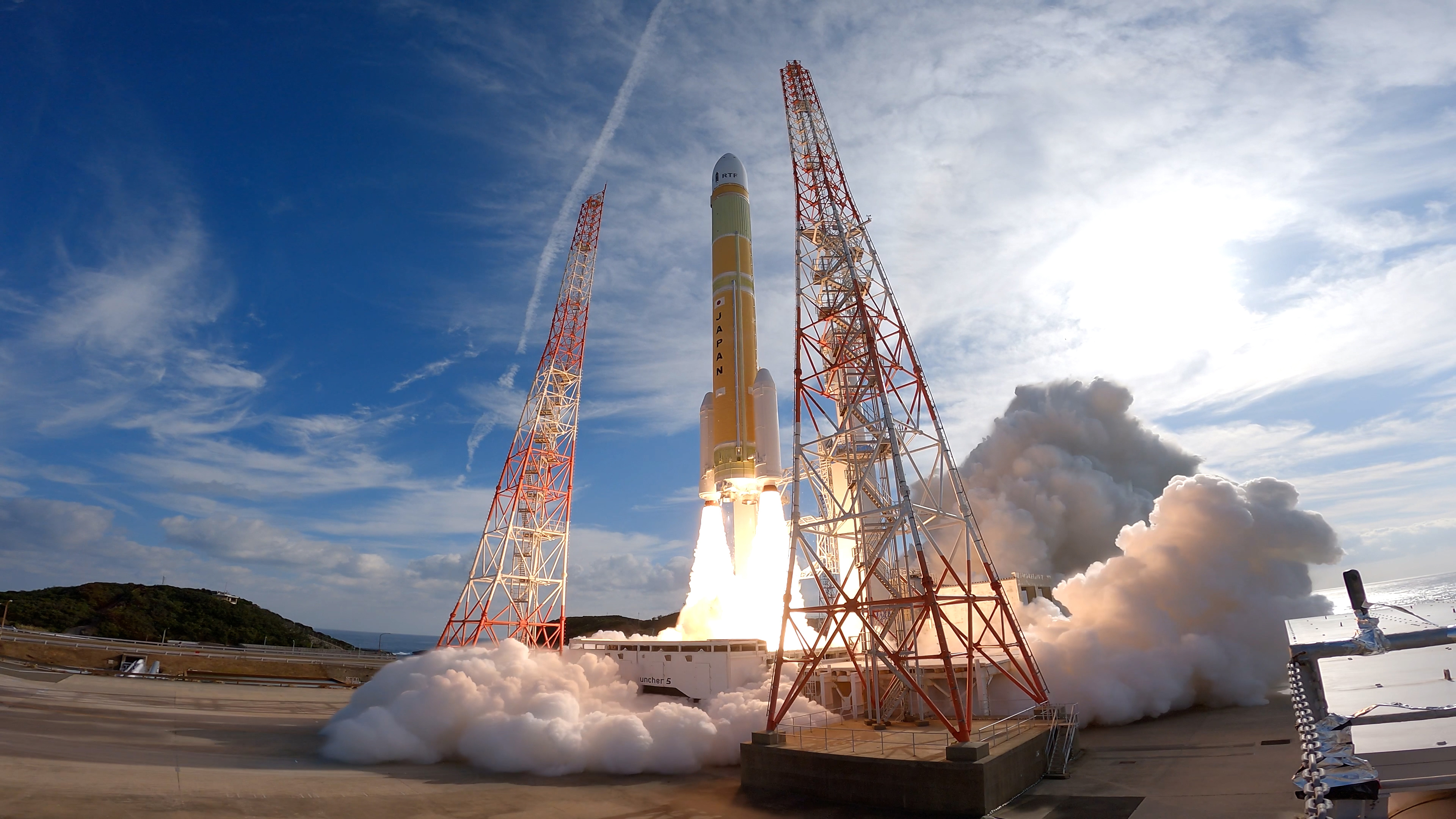
Today's highlights include new space-based interceptor developments, a UK space tracking partnership, a strategic satellite imagery alliance, and more.
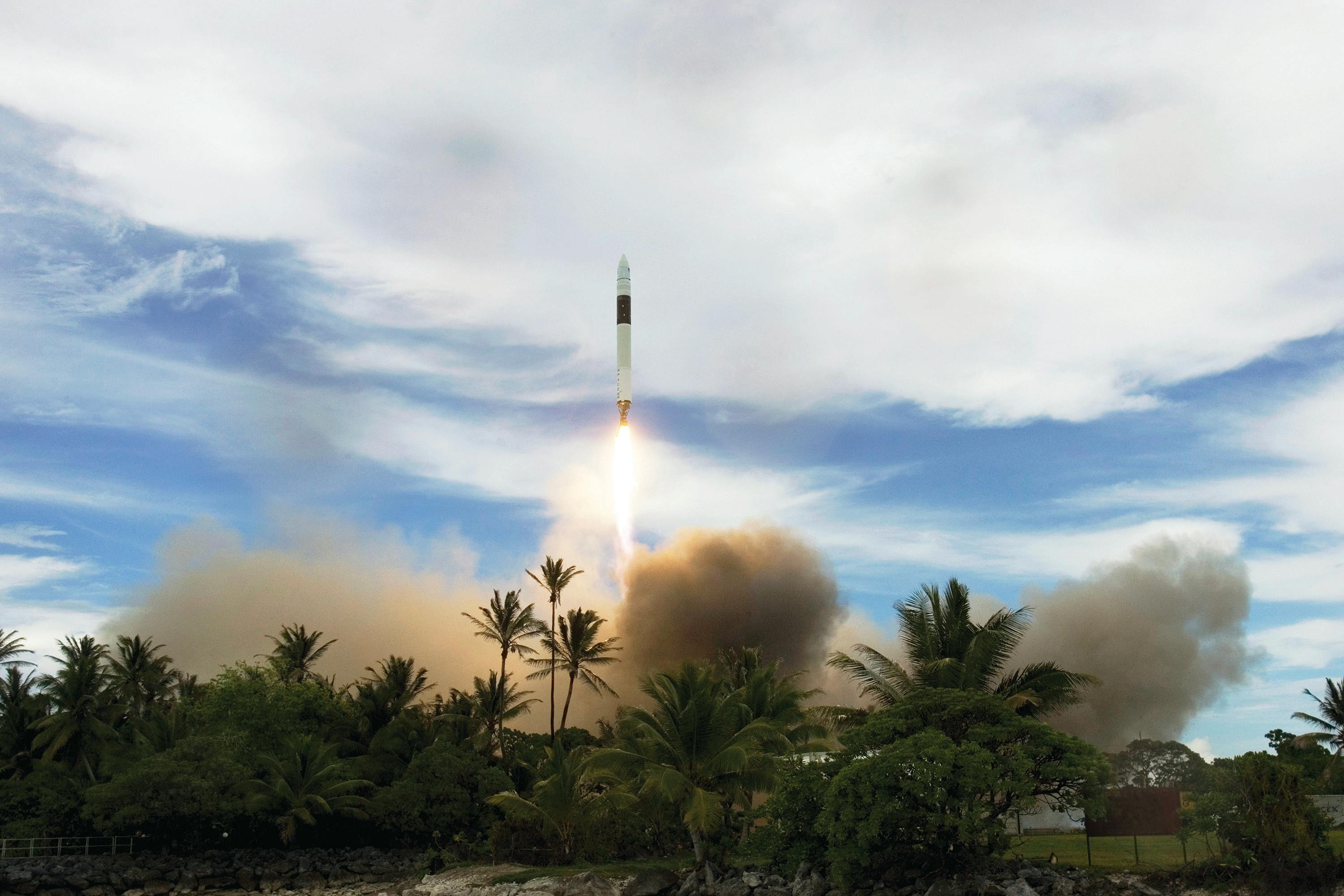
SpaceX's 2024 launch surge sets global records, with Florida making history in the U.S. Find out how these achievements are shaping the commercial space race.
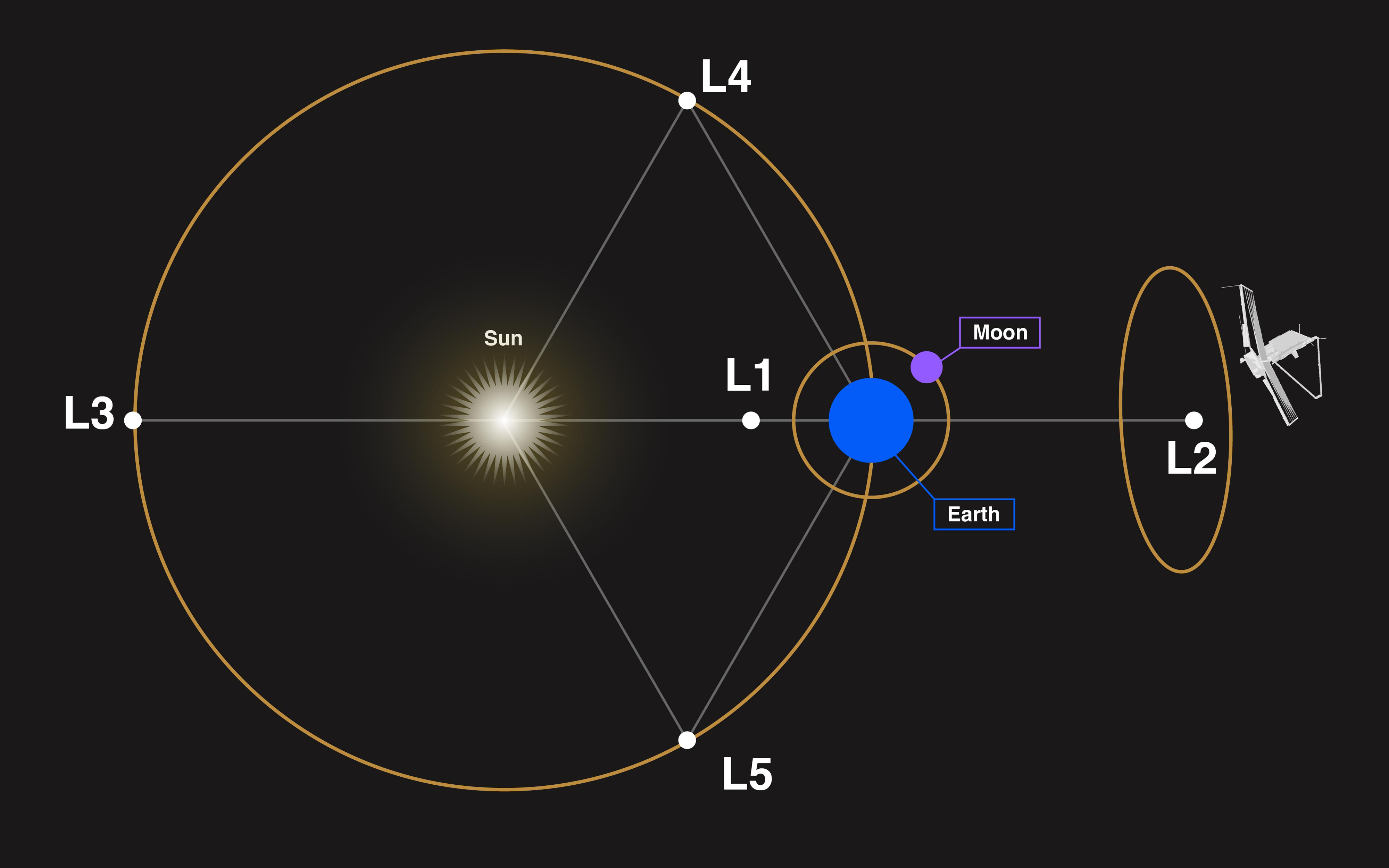
Five spots in the Earth-Sun system where the gravitational tug of two massive bodies and the pull of circular motion all cancel out, creating gravitational parking spaces where spacecraft can sit for decades with almost no fuel.

Twelve years ago, South Korea successfully launched a satellite using its own launch vehicle and facilities for the first time, marking a crucial milestone in its journey to space independence