

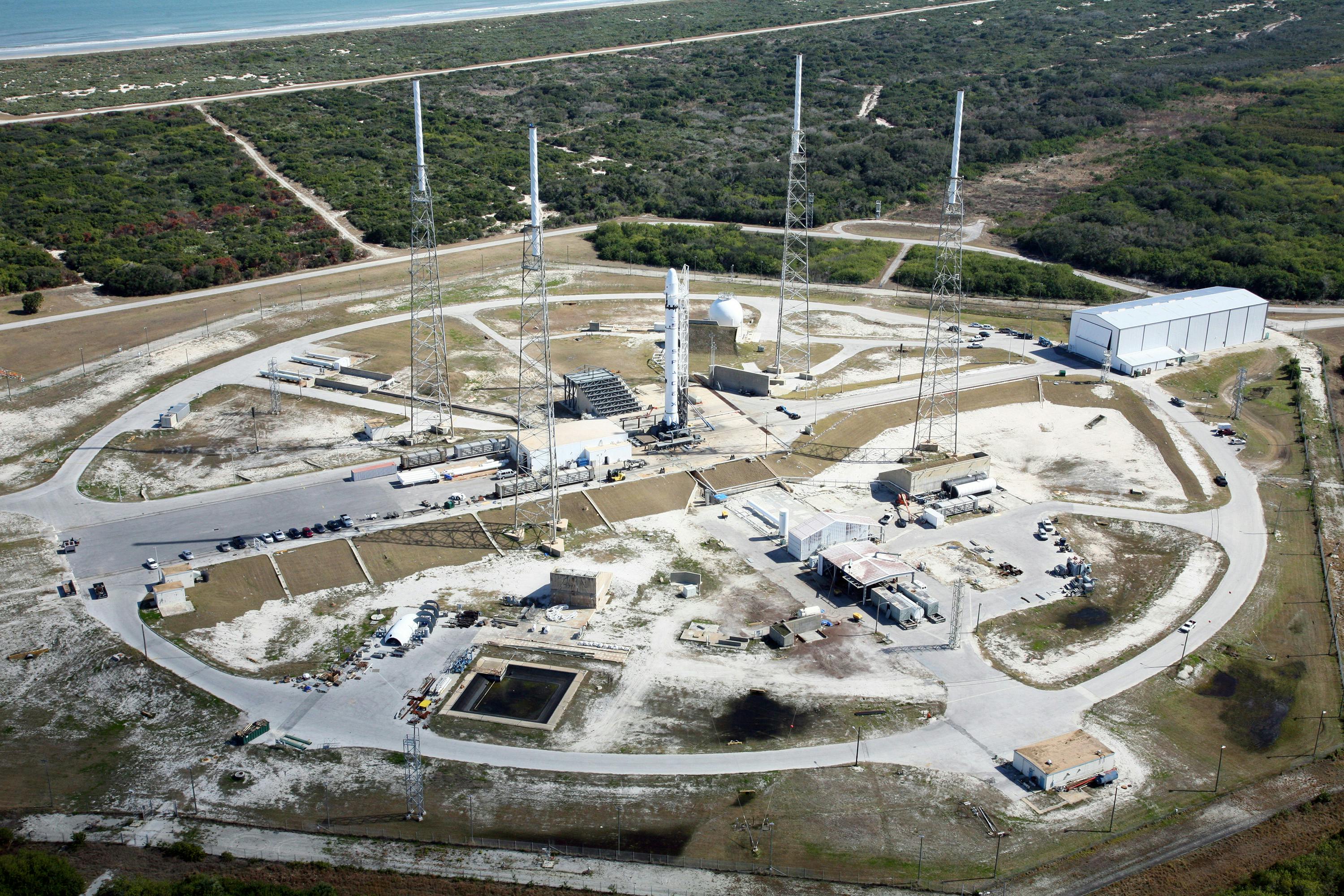
First Nuclear-Powered Commercial Satellite Flies on Transporter-17 | KeepTrack X Report
SpaceX's Transporter-17 rideshare carried 81 payloads including history's first nuclear-powered commercial satellite on July 7.


Launch Date
September 14, 1997
Launch Site
Launch Pad
LC81/23
Launch Vehicle
Proton-K/17S40
NORAD ID
34987
International Designator
1997-051NT
Decay Date
4/25/2023
Name
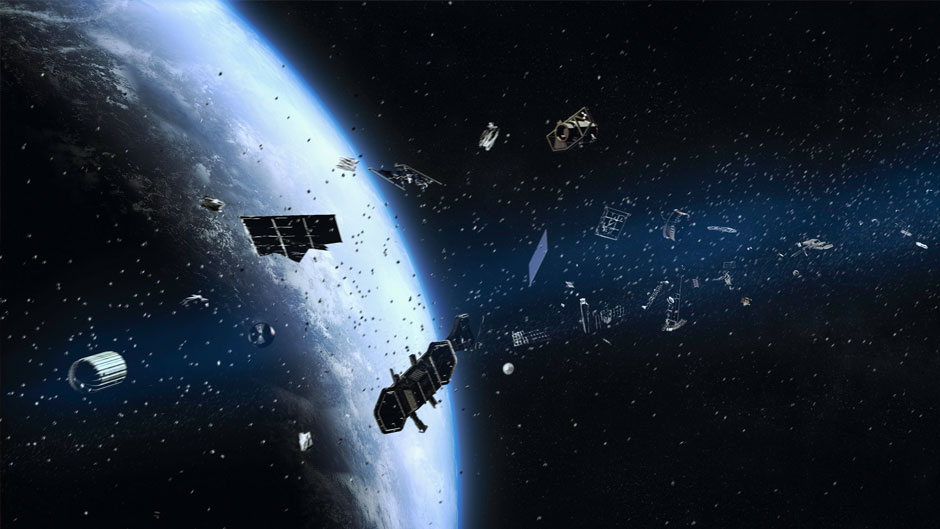
IRIDIUM 33 DEB
Alternative Name
deb Iridium 33
Type
Status
Owner
IRIDS
Country
United States
Constellation
N/A
Related Satellites
Major Events
N/A
Length
0
Diameter
0
Span
0
Dry Mass
0
Launch Mass
0
Shape
N/A
Radar Cross Section
0.032
Visual Magnitude
Unknown
Color
Unknown
Material Composition
Unknown
Payload
Unknown
Purpose
Unknown
Mission
Unknown
Manufacturer
Unknown
Life Expectancy
Unknown
Bus
Unknown
Configuration
Unknown
Motor
Unknown
Equipment
Unknown
Power System
Unknown
ADCS
Unknown
Transmitter Frequency
Unknown
Learn more about satellites and other related topics.
SpaceX's Transporter-17 rideshare carried 81 payloads including history's first nuclear-powered commercial satellite on July 7.

Tensions between SpaceX and the U.S. government escalate as President Trump's threats could have significant implications on the company's operations and future plans. Meanwhile, India takes a significant step in its space endeavors with a historic astronaut launch.
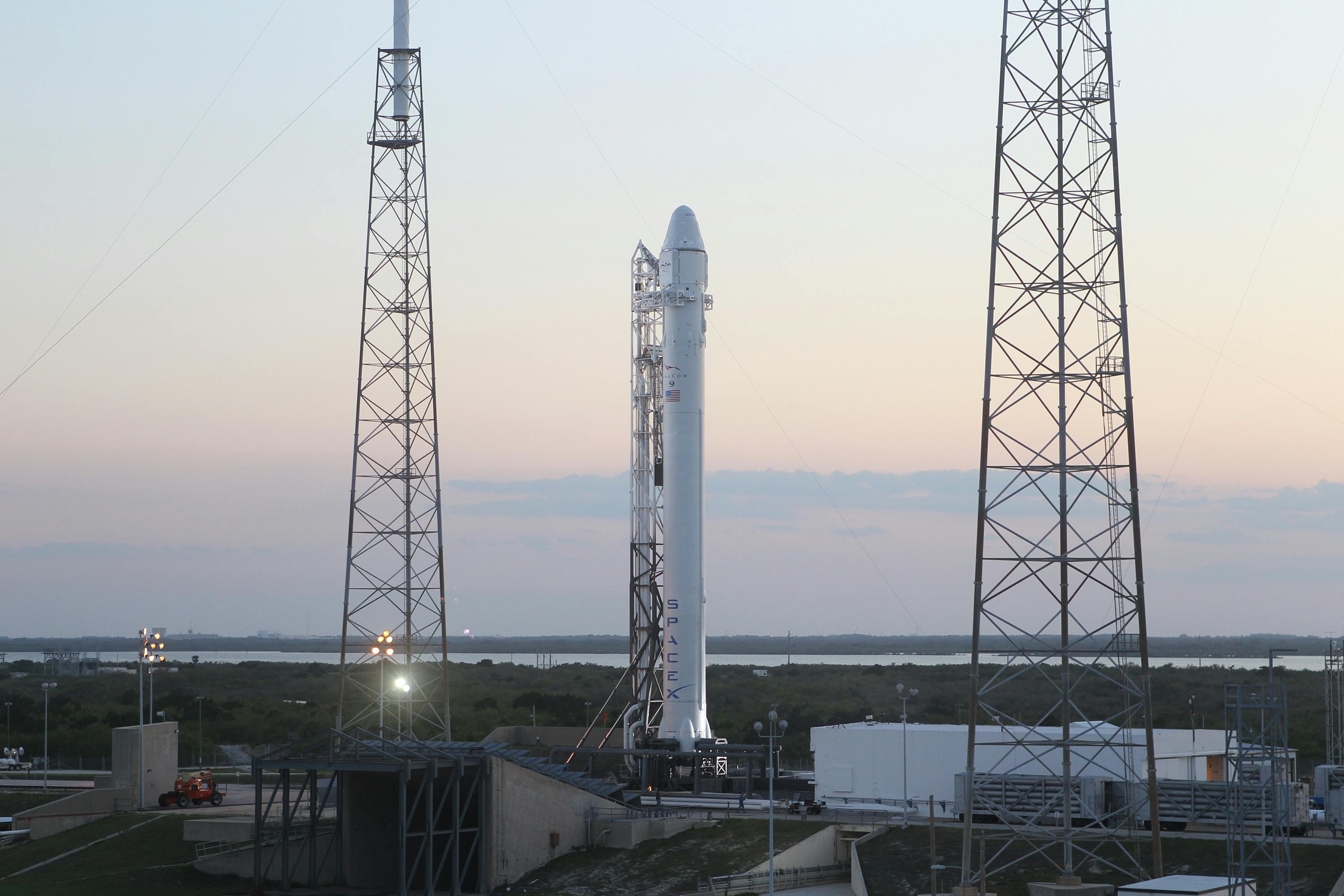
SpaceX prepares for Starship Flight 6 as it readies another doubleheader Starlink launch day, while NASA navigates a complex presidential transition.
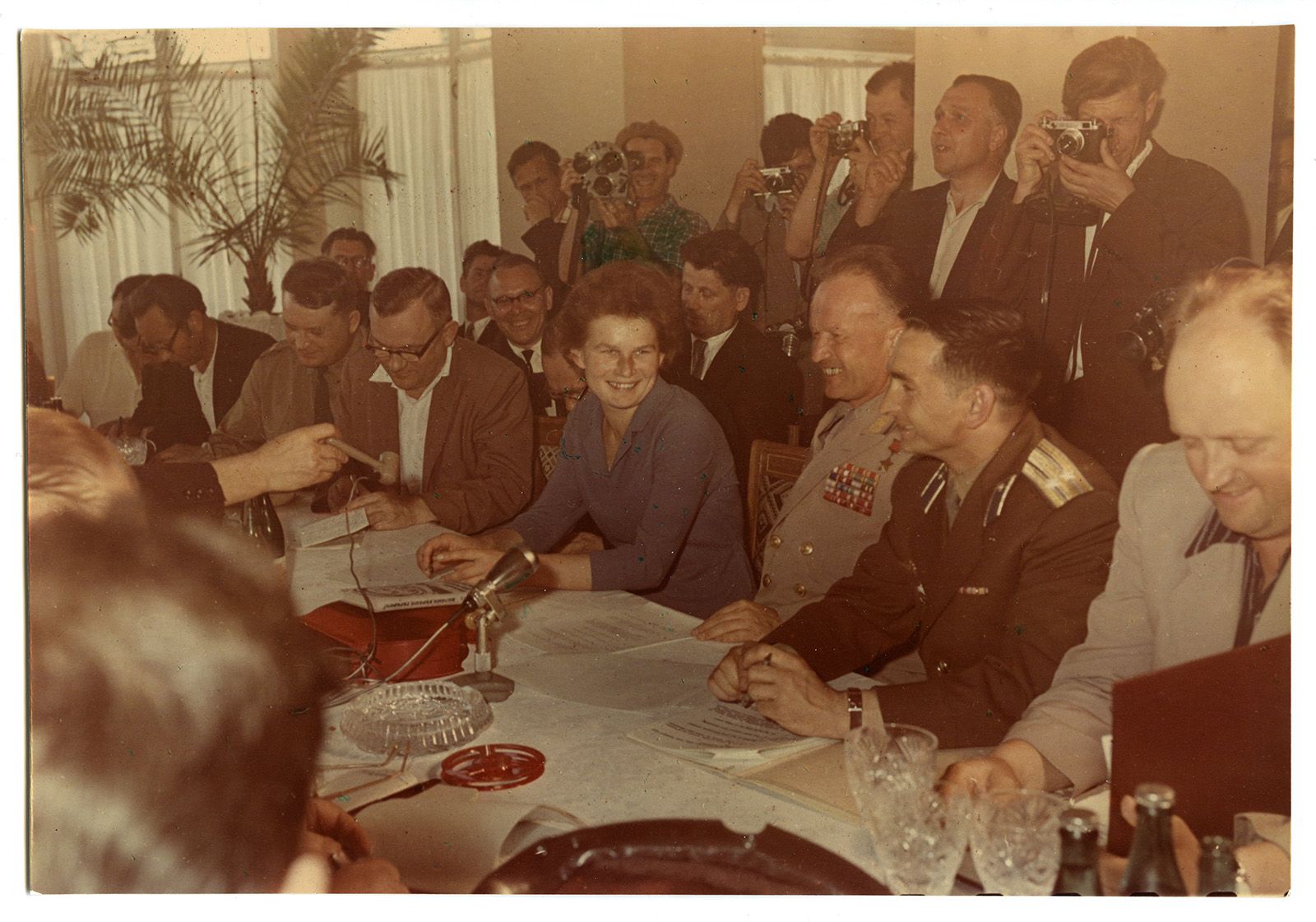
On 16 June 1963, a 26-year-old former textile worker named Valentina Tereshkova launched aboard Vostok 6 and spent nearly three days alone in orbit. She flew 48 times around the Earth, longer than every American astronaut combined, and spotted a dangerous flaw in her descent program that ground controllers had missed.
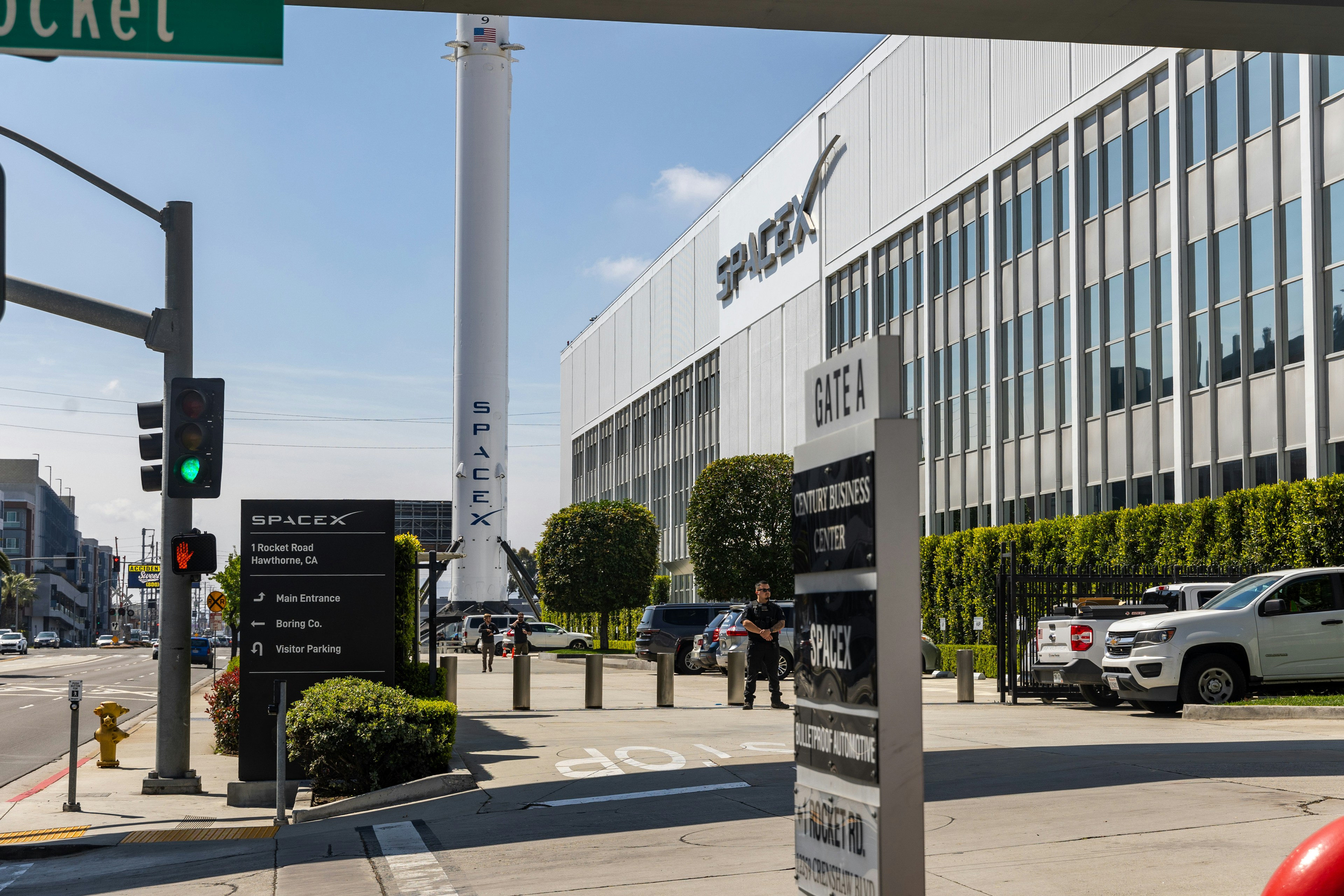
Starship Flight 6 approaches with a daring booster catch, while SpaceX ramps up satellite launches and navigates regulatory challenges.

Today's brief covers the integration of commercial and military space capabilities, a notable change in Crew 12 mission, advancements in digital training for space operations, and more.

Today's brief covers SpaceX's latest Starlink launch, fascinating exoplanet discoveries, and strategic lunar developments by China and South Korea.
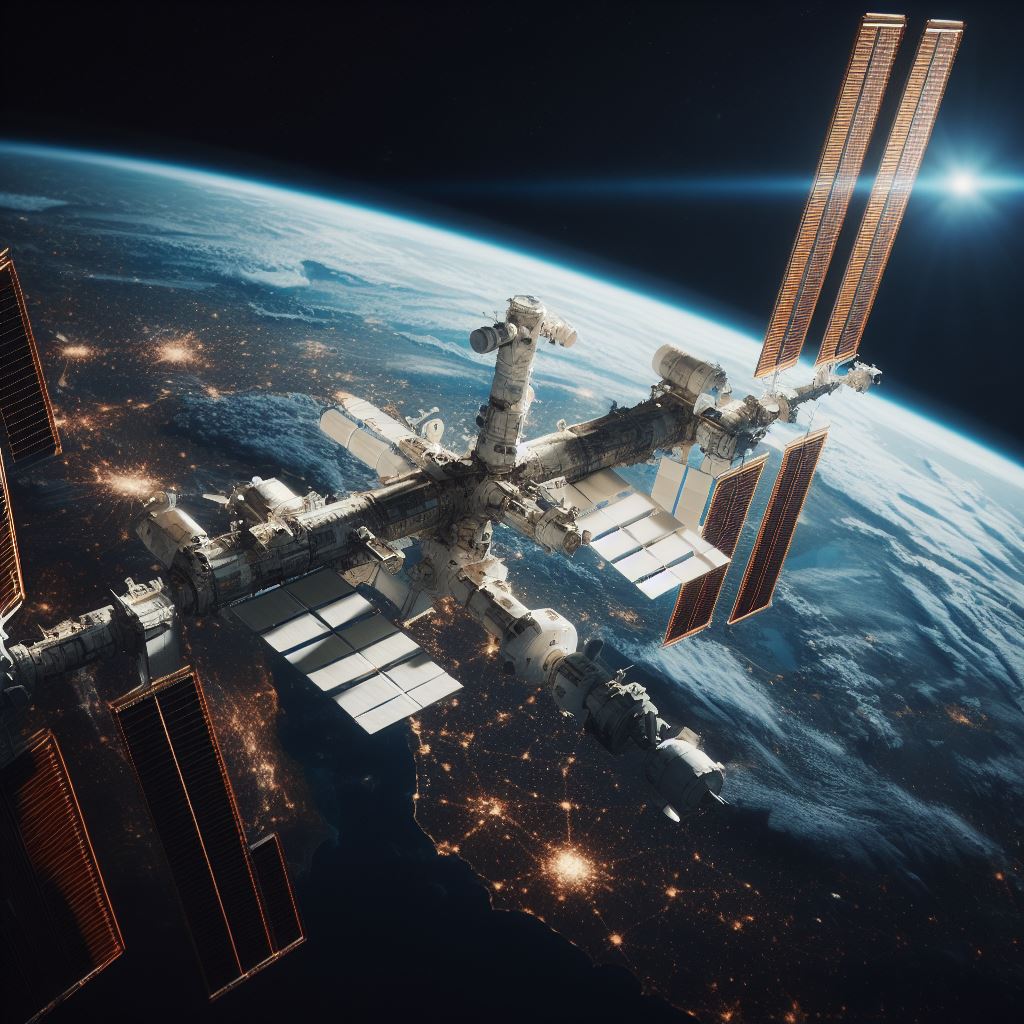
A brief journey through the evolution of space stations, delving into Russia's Mir, the International Space Station, China's Tiangong, and envisioning the future of orbital habitats.