


X Report 3 Jan 2025
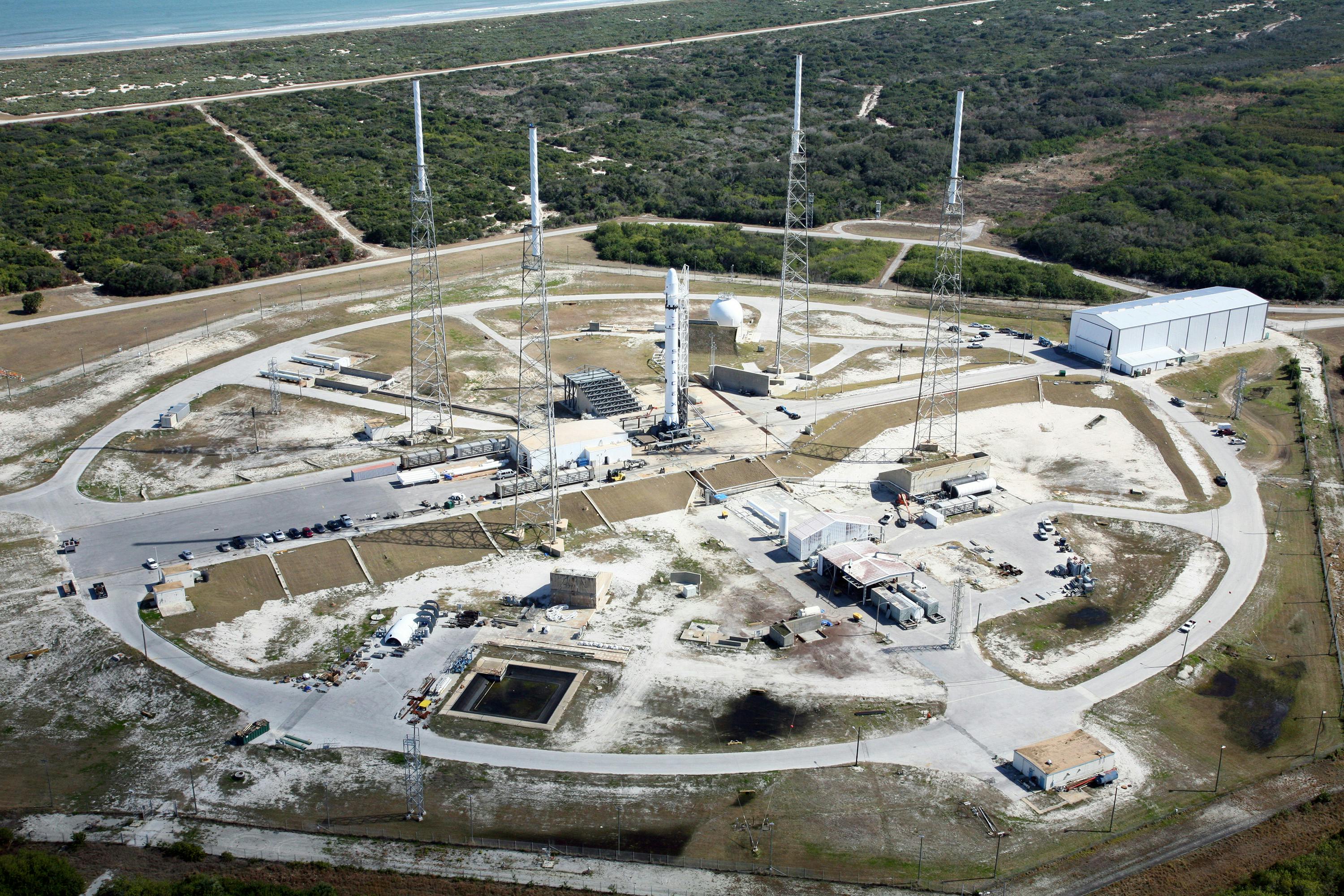
SpaceX's pivotal role in setting a new global launch record and the upcoming launch of the Thuraya 4-NGS satellite are spotlighted today.



Launch Date
June 16, 1993
Launch Site
PLMSC
Launch Pad
LC132/1
Launch Vehicle
Kosmos 11K65M
NORAD ID
34962
International Designator
1993-036AER
Epoch
Thu, 02 Jul 2026 23:06:50 GMT
Apogee
Calculating...
Perigee
Calculating...
Inclination
74.03°
Right Ascension
175.39°
Eccentricity
Calculating...
Argument of Perigee
243.80°
Period
99.51 min
Mean Motion
14.47 rev/day
Latitude
Calculating...
Longitude
Calculating...
Altitude
Calculating...
Velocity
Calculating...
Name
COSMOS 2251 DEB
Alternative Name
deb Kosmos-2251
Type
Status
Owner
KVR
Country
Russia
Constellation
N/A
Related Satellites
Major Events
N/A
1 34962U 93036AER 26183.96308477 .00001261 00000-0 35229-3 0 9993
2 34962 74.0283 175.3904 0019667 243.7951 116.1187 14.47149161905039
Source: Celestrak
Length
0
Diameter
0
Span
0
Dry Mass
0
Launch Mass
0
Shape
N/A
Radar Cross Section
0.0105
Visual Magnitude
Unknown
Color
Unknown
Material Composition
Unknown
Payload
Unknown
Purpose
Unknown
Mission
Unknown
Manufacturer
Unknown
Life Expectancy
Unknown
Bus
Unknown
Configuration
Unknown
Motor
Unknown
Equipment
Unknown
Power System
Unknown
ADCS
Unknown
Transmitter Frequency
Unknown
Learn more about satellites and other related topics.
SpaceX's pivotal role in setting a new global launch record and the upcoming launch of the Thuraya 4-NGS satellite are spotlighted today.
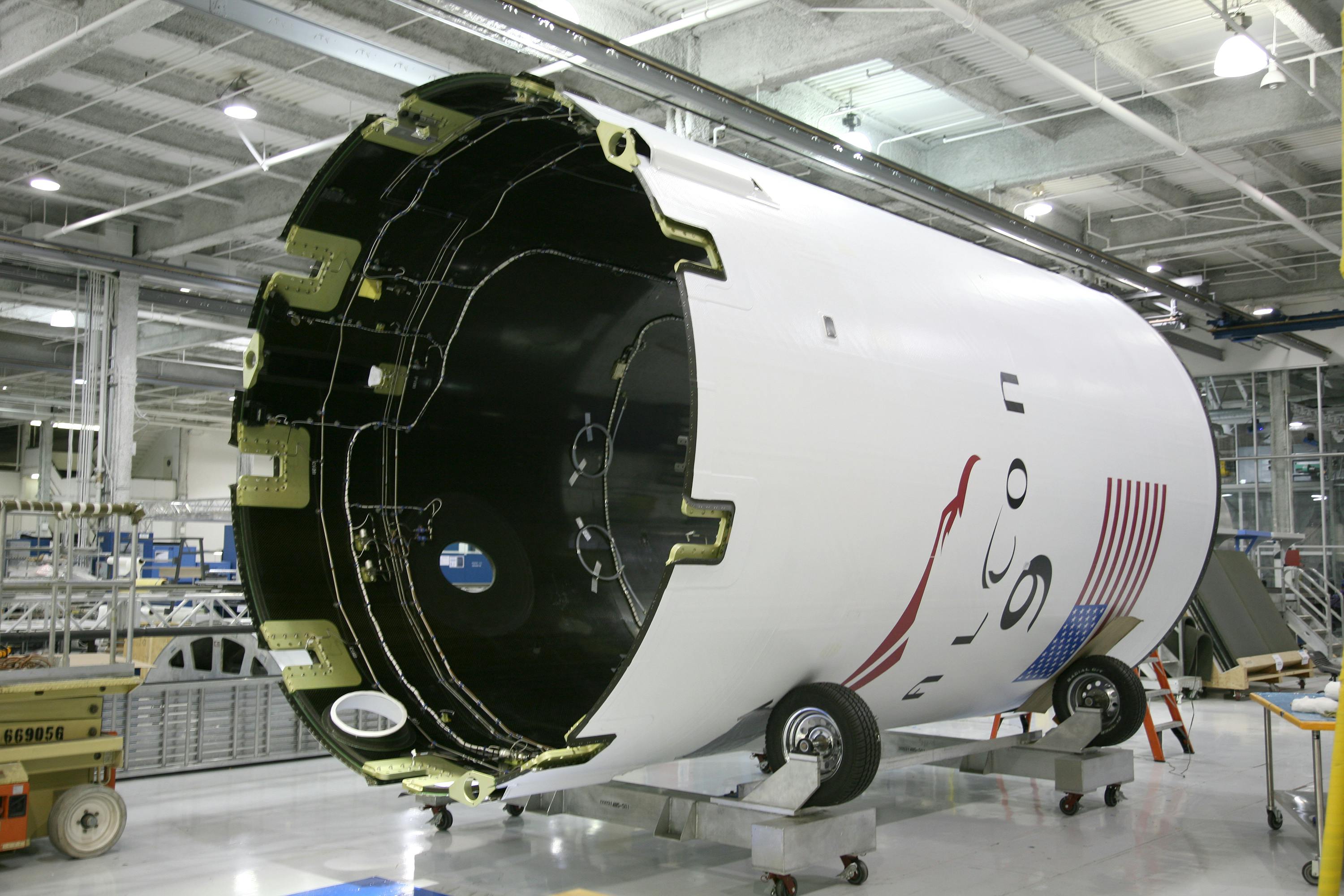
SpaceX gears up for distinctive Starship tests and milestone Starlink deployments as the new year takes off.

Booster B1067 sets new Falcon 9 reuse record with 35th successful flight, deploying 29 Starlink satellites. Quantum Space pursues public markets via SPAC.

Space Force contracts Viasat and SES for $437M Protected Tactical Satcom-Global program. Blue Origin clears New Glenn for flights after Flight 3 investigation.
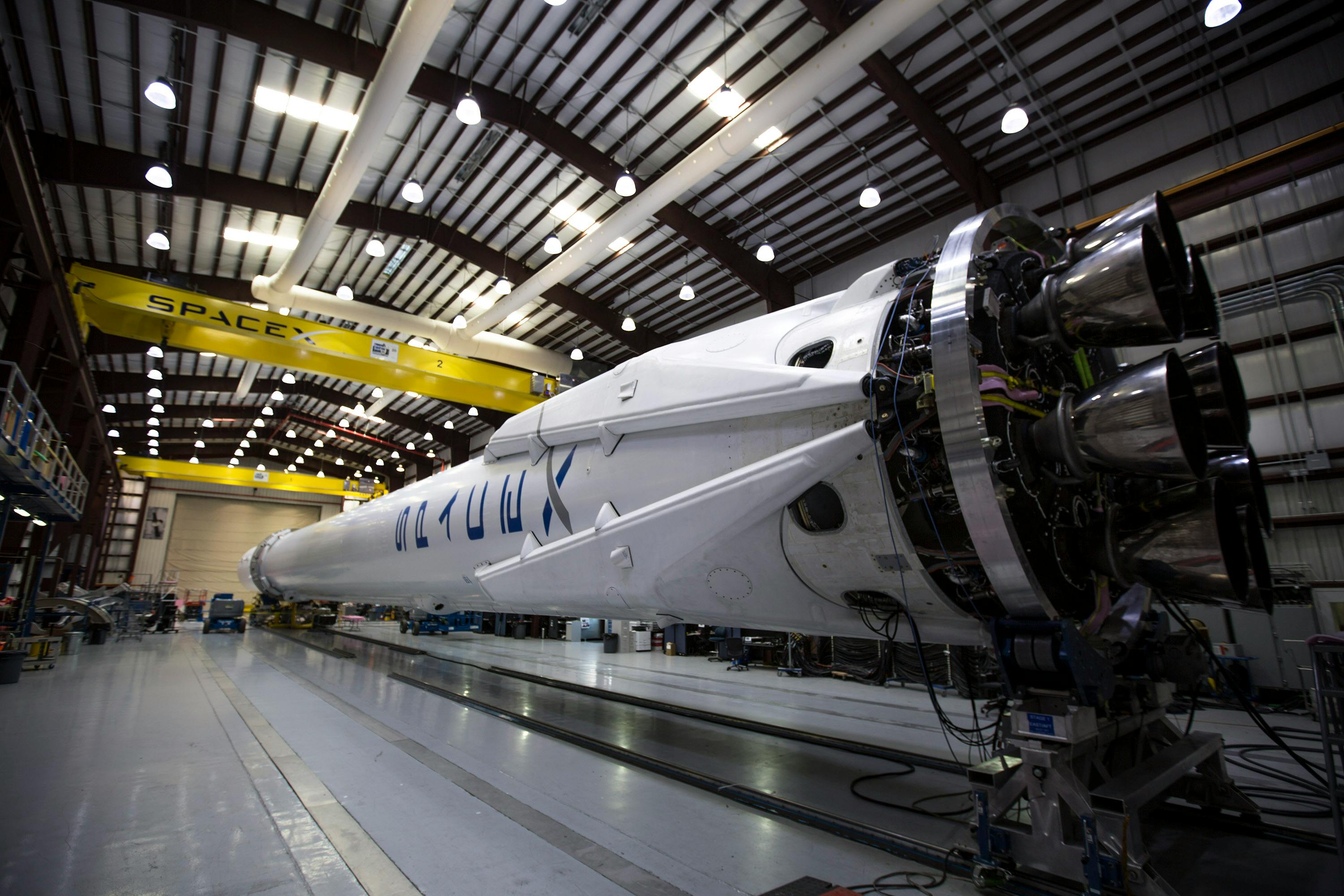
SpaceX continues to innovate as it nears peak Falcon 9 launch rates while refining technologies pivotal for future Mars missions.
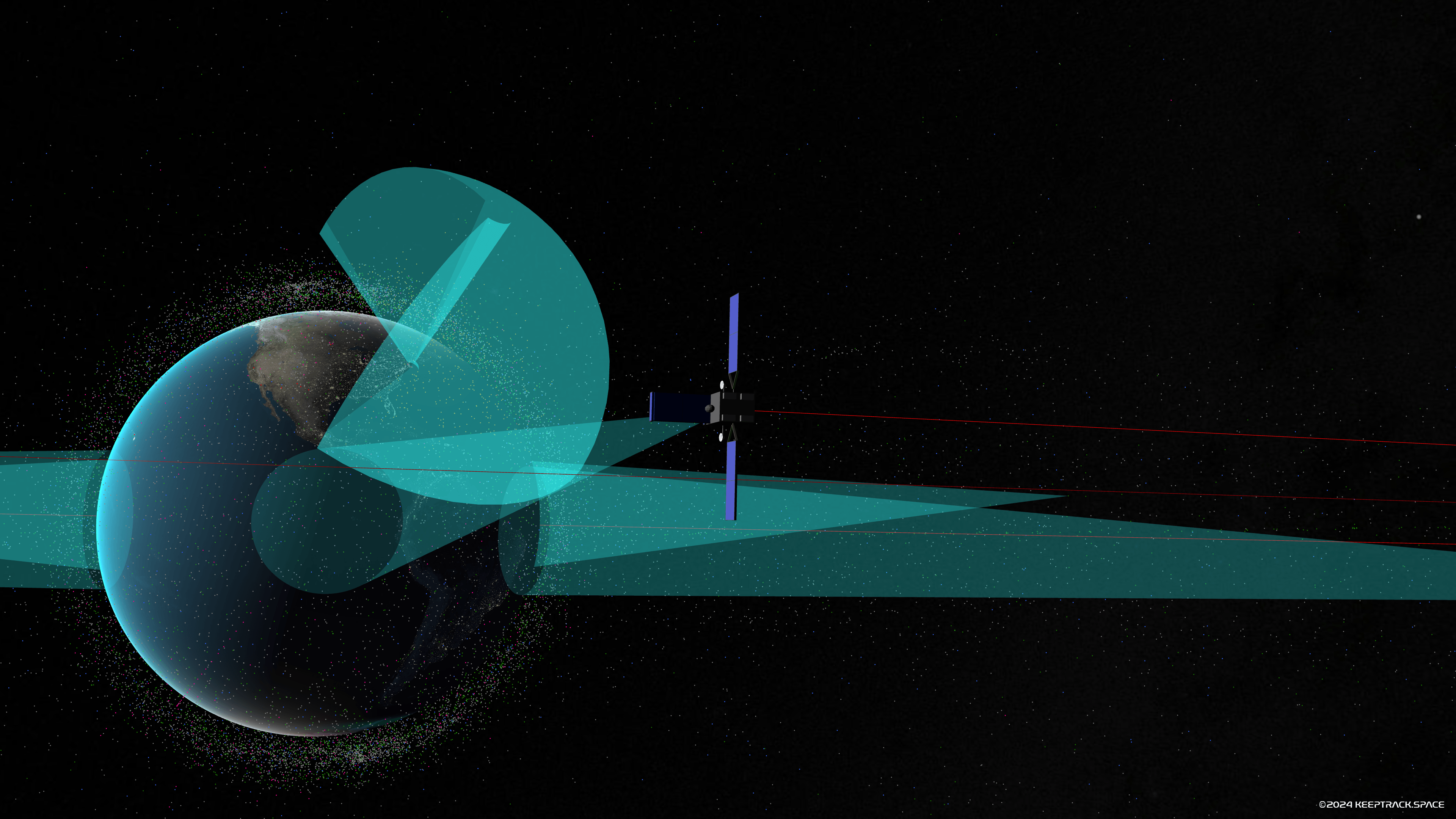
The latest update introduces 3D satellite FOV cones, advanced sensor capabilities, and enhanced timelines, improving the way users interact with satellite data.

Today's highlights include new ESA Euclid data, upcoming Blue Origin flight, and multiple Starlink launches, delivering fresh satellite tracking opportunities.

Thirty-five years ago, NASA's Galileo spacecraft made a crucial flyby of Venus, pioneering a complex path through the inner solar system that would revolutionize planetary exploration