

X Report 21 Nov 2025
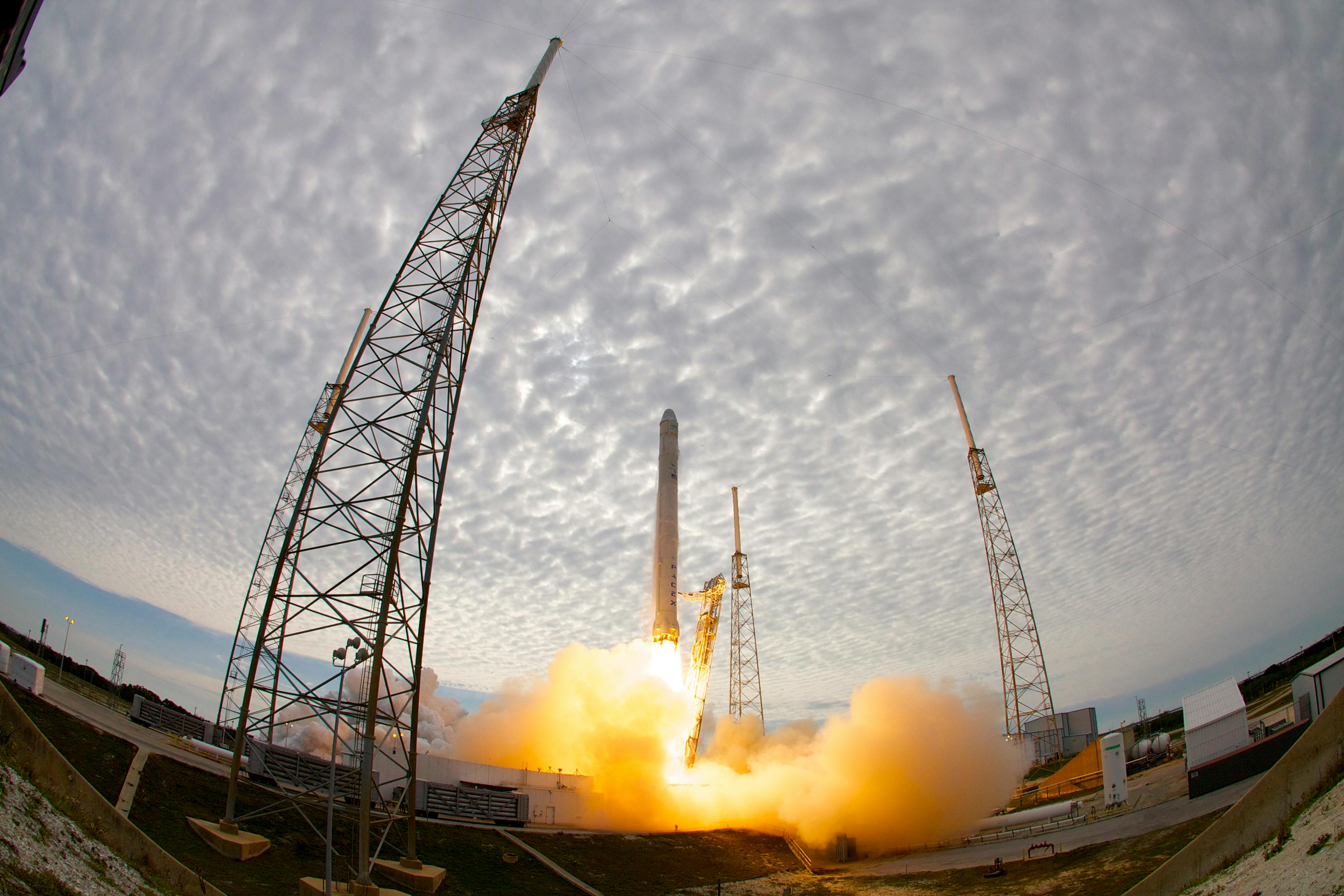
SpaceX celebrates significant milestones with its 100th launch of the year, enhancing Starlink's coverage while preparing for an escalating Starship production cadence.


Launch Date
May 7, 2009
Launch Site
Launch Pad
LC1
Launch Vehicle
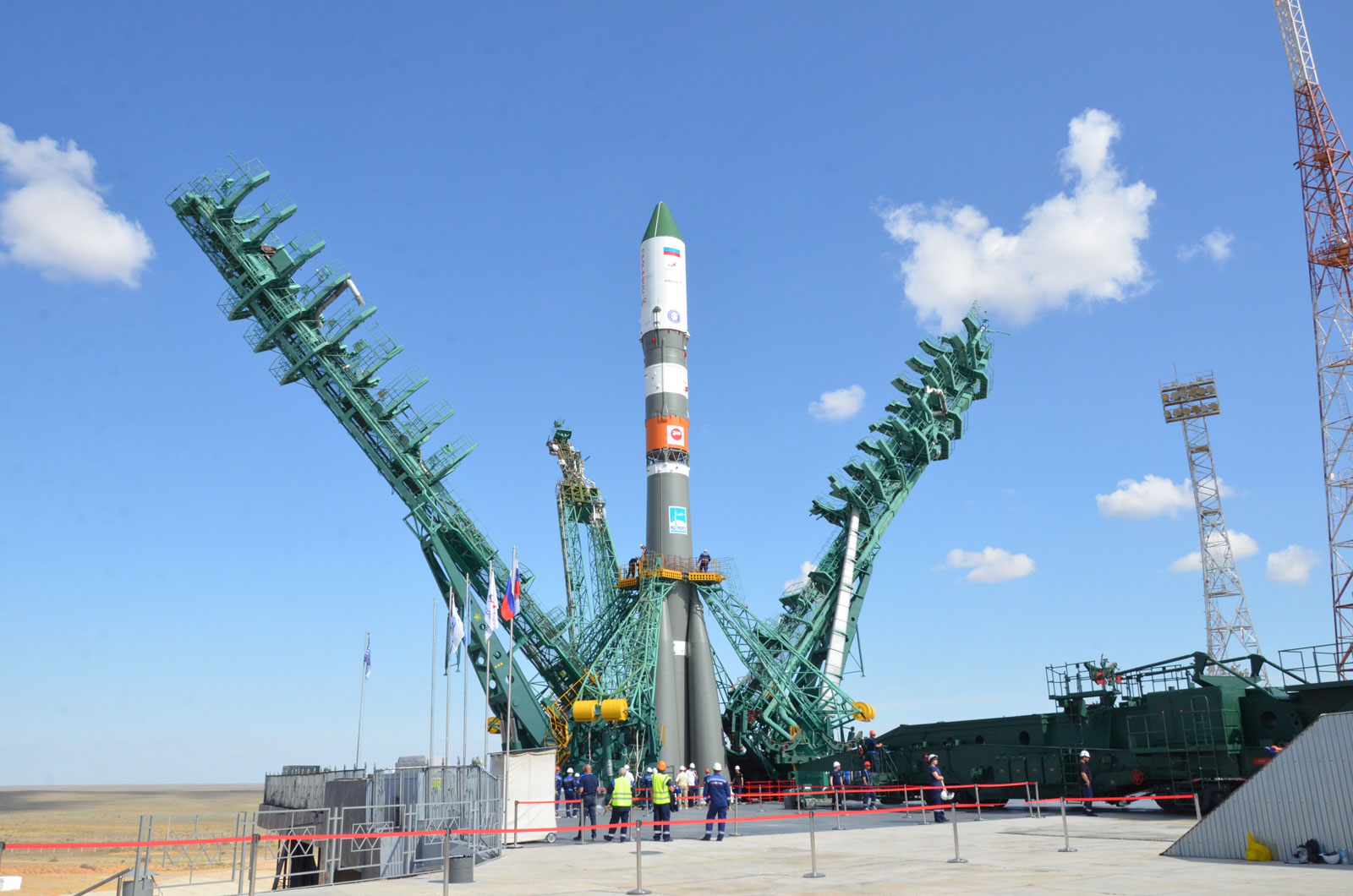
Soyuz-U-PVB
NORAD ID
34905
International Designator
2009-024A
Decay Date
7/13/2009
Name
PROGRESS-M 02M
Alternative Name
Progress M-02M
Type
Status
Owner
RKKE
Country
Russia
Constellation
N/A
Related Satellites
Major Events
N/A
Length
7.9
Diameter
2.7
Span
7.9
Dry Mass
4600
Launch Mass
7119
Shape
Sphere + Cone + Cyl + 2 Pan
Radar Cross Section
6.852
Visual Magnitude
Unknown
Color
Unknown
Material Composition
Unknown
Payload
Progress 7K-TGM No.402
Purpose
Cargo
Mission
Cargo
Manufacturer
PROGT
Life Expectancy
Unknown
Bus
7K-TGM
Configuration
Unknown
Motor
11D428A
Equipment
Unknown
Power System
2 deployable fixed solar arrays, batteries
ADCS
Unknown
Transmitter Frequency
Unknown
Learn more about satellites and other related topics.
SpaceX celebrates significant milestones with its 100th launch of the year, enhancing Starlink's coverage while preparing for an escalating Starship production cadence.

Today's brief covers a groundbreaking national security mission for ULA's Vulcan, NASA's collaboration with LeoLabs for enhanced collision avoidance, and SEOPS' new satellite tracking services, among other key developments.
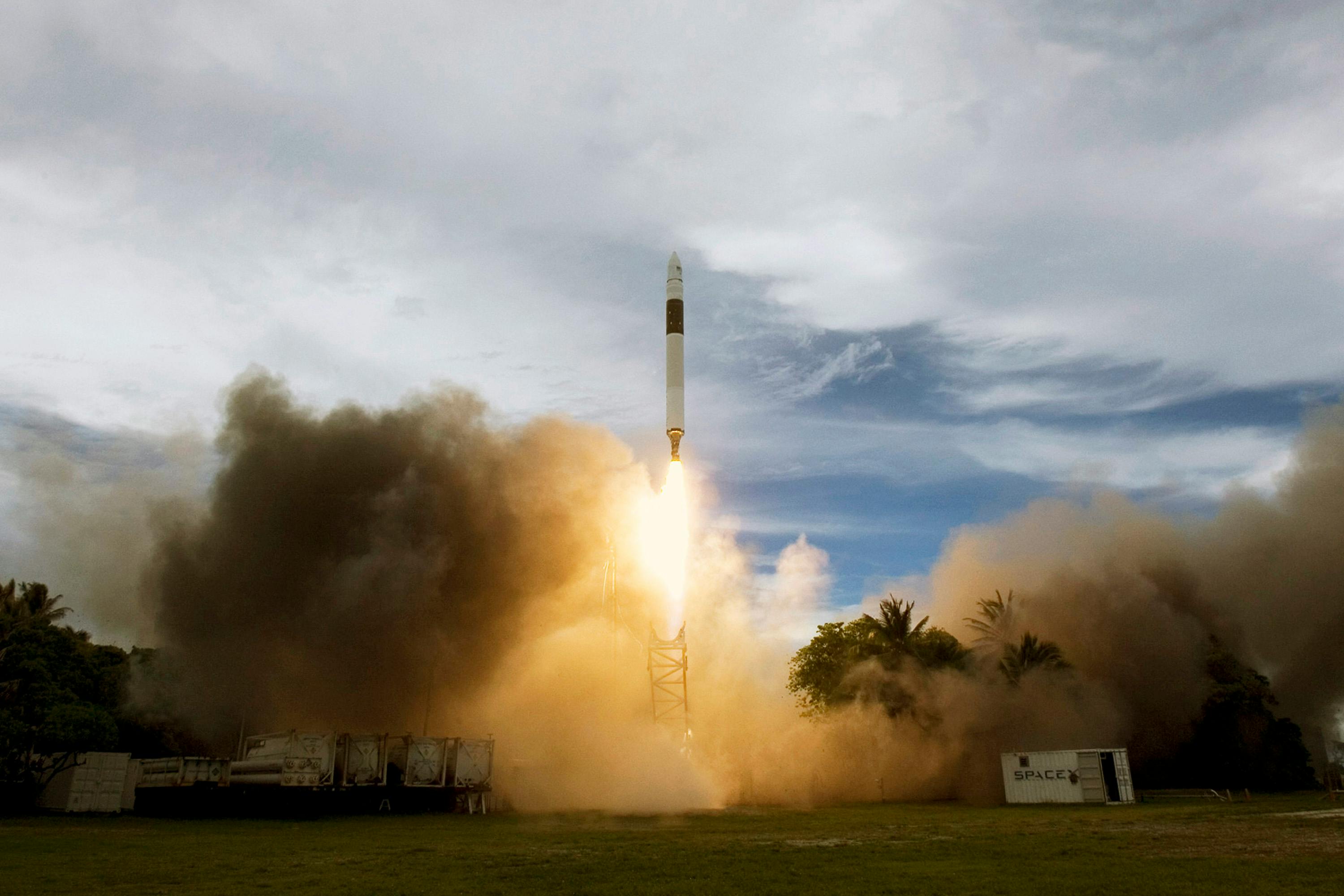
Gwynne Shotwell confirms Starlink V2 launches on Starship in 2027. Ship 39 preps Starship Flight 12; Falcon 9 lofts its 600th Starlink of 2026.
Highlights of today's Space Brief include advancements in missile defense systems, a historic lunar project by NASA, and strategic military investments in satellite technology.

GAO flags growing cost problems across Space Force satellite portfolio with workforce reductions compounding risks to missile-warning constellations like NGG and SWAT.
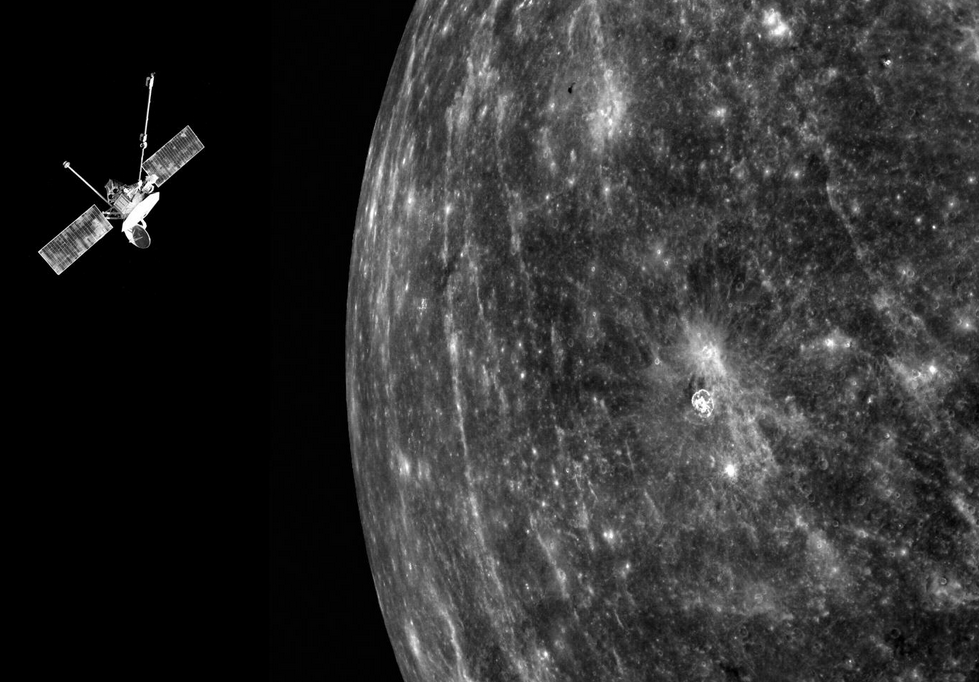
Fifty-one years ago, Mariner 10 revolutionized space exploration by executing the first-ever planetary gravity assist at Venus, pioneering a technique that would transform how we explore the solar system

For nearly two decades, the U.S. Air Force and Space Force have been the world's unofficial civilian space traffic control system. The Department of Commerce's Traffic Coordination System for Space (TraCSS) is now taking over that job for commercial satellite operators - in stages, against persistent congressional pressure to kill the program, and with Department of Defense advocates pushing to make it happen before it is too late.
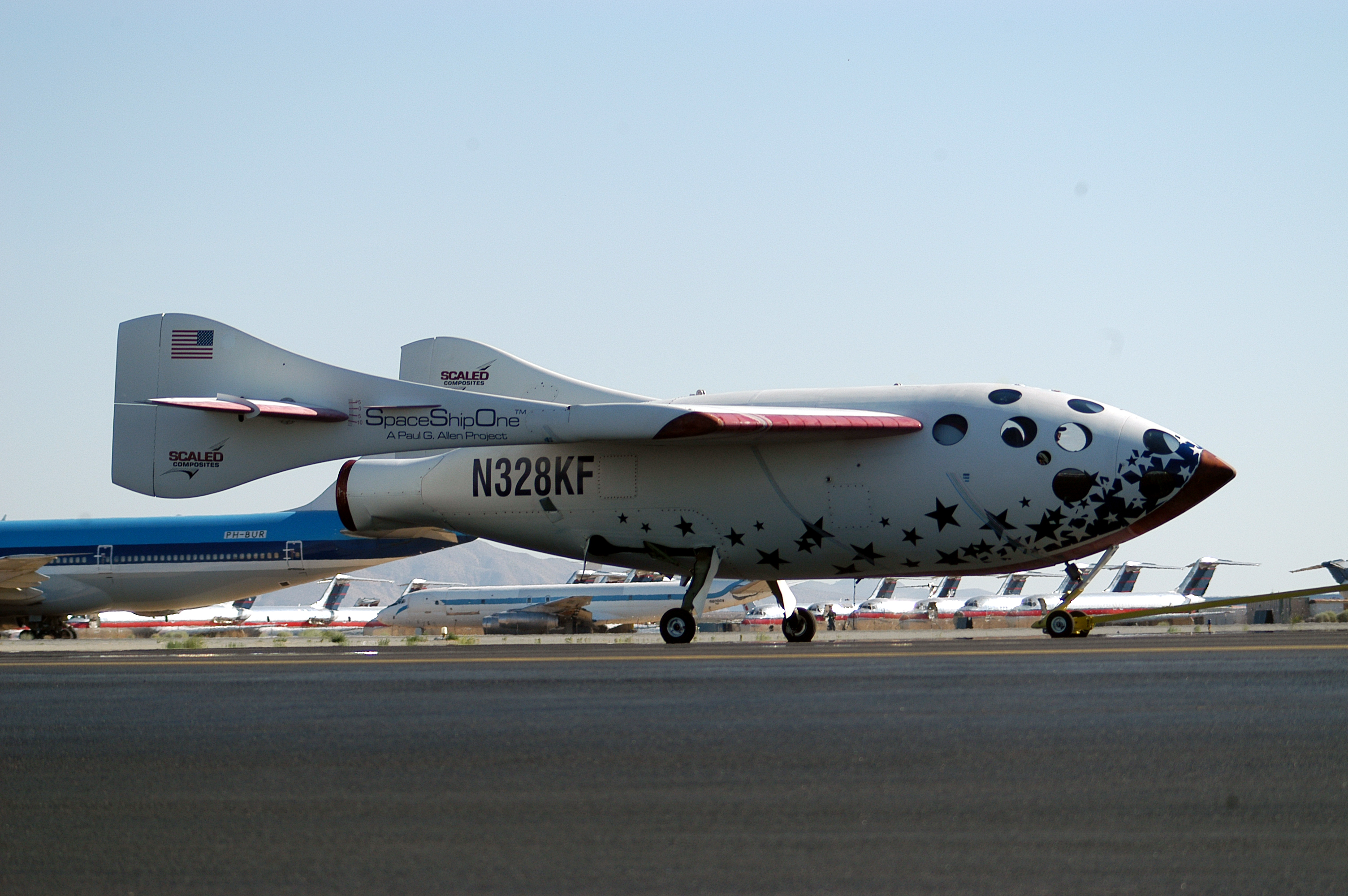
On 21 June 2004, a 63-year-old test pilot rode a homebuilt rocket plane to 100,124 meters above the Mojave Desert, clearing the edge of space by about the length of a city block. He came down the first private astronaut in history, holding a sign that read 'SpaceShipOne, GovernmentZero.'