

X Report 13 Nov 2024
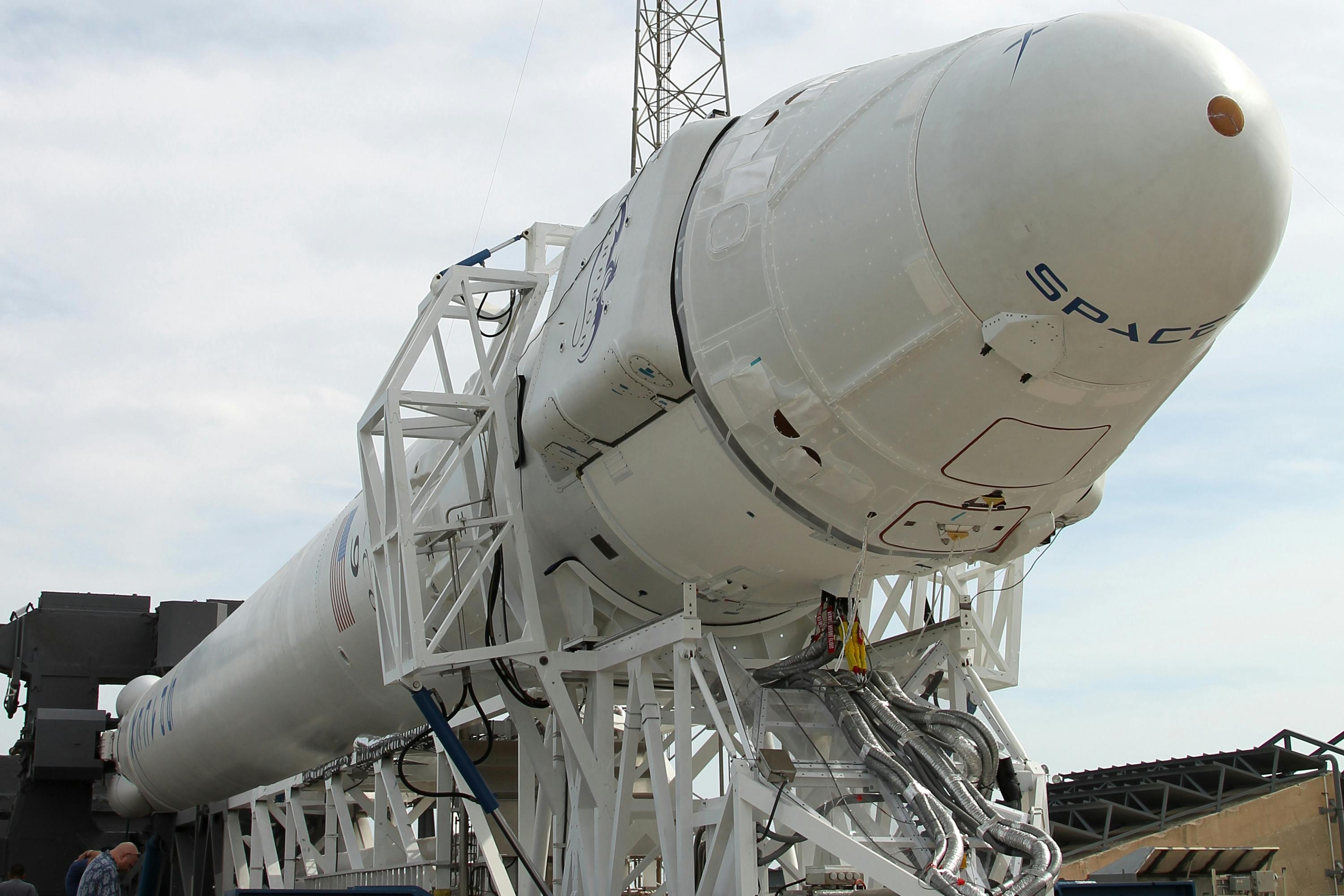
SpaceX launches more Starlink satellites as Starship prepares for full stack testing, amidst Musk's new governmental role.



Launch Date
June 16, 1993
Launch Site
PLMSC
Launch Pad
LC132/1
Launch Vehicle
Kosmos 11K65M
NORAD ID
34880
International Designator
1993-036ACT
Decay Date
5/3/2013
Name
COSMOS 2251 DEB
Alternative Name
deb Kosmos-2251
Type
Status
Owner
KVR
Country
Russia
Constellation
N/A
Related Satellites
Major Events
N/A
Length
0
Diameter
0
Span
0
Dry Mass
0
Launch Mass
0
Shape
N/A
Radar Cross Section
0.0017
Visual Magnitude
Unknown
Color
Unknown
Material Composition
Unknown
Payload
Unknown
Purpose
Unknown
Mission
Unknown
Manufacturer
Unknown
Life Expectancy
Unknown
Bus
Unknown
Configuration
Unknown
Motor
Unknown
Equipment
Unknown
Power System
Unknown
ADCS
Unknown
Transmitter Frequency
Unknown
Learn more about satellites and other related topics.
SpaceX launches more Starlink satellites as Starship prepares for full stack testing, amidst Musk's new governmental role.

Artemis II crew surpassed Apollo 13's distance record during April 6 lunar flyby. Orion carried 4 astronauts—including Canadian Jeremy Hansen—farther from Earth than any humans.
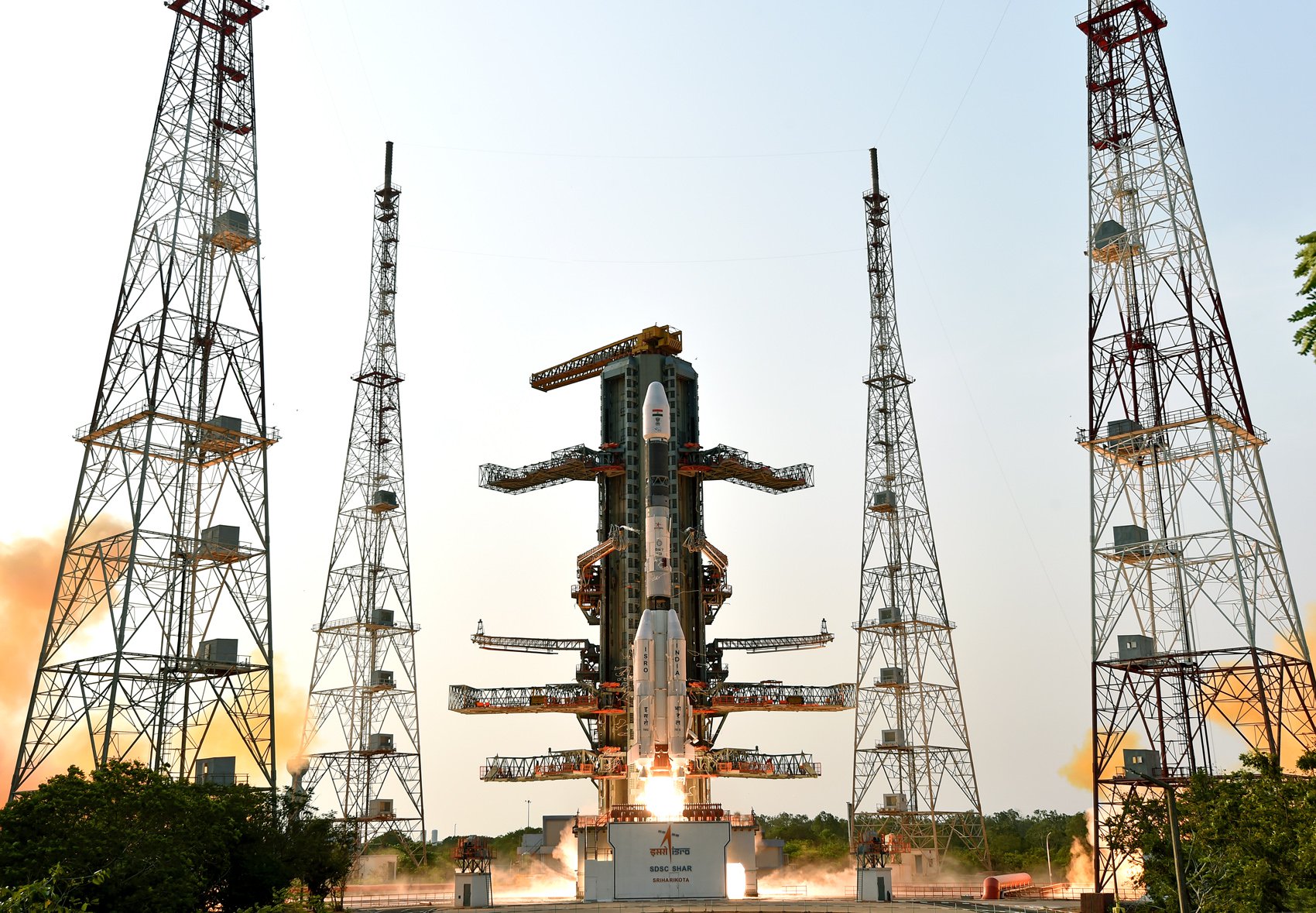
Today's briefing covers Spire Global's new intelligence products, a significant military buildup in the Pacific, Space Force organizational changes, and more.

SpaceX successfully launched 24 Starlink satellites into polar orbit, enhancing global coverage. Meanwhile, NASA's Crew-11 is now in quarantine ahead of their upcoming ISS mission.

Today's coverage includes the cancellation of DARPA's DRACO nuclear propulsion project, global shifts in Earth observation strategy, and new developments in satellite technology and military collaborations.

Today's Space Brief covers crucial satellite events including upcoming launches, military space developments, and exceptional celestial sightings.
Today's briefing highlights recent launches and failures, including an Indian radar satellite setback, successful Rocket Lab missions, and China's debut of upgraded rocket technology.
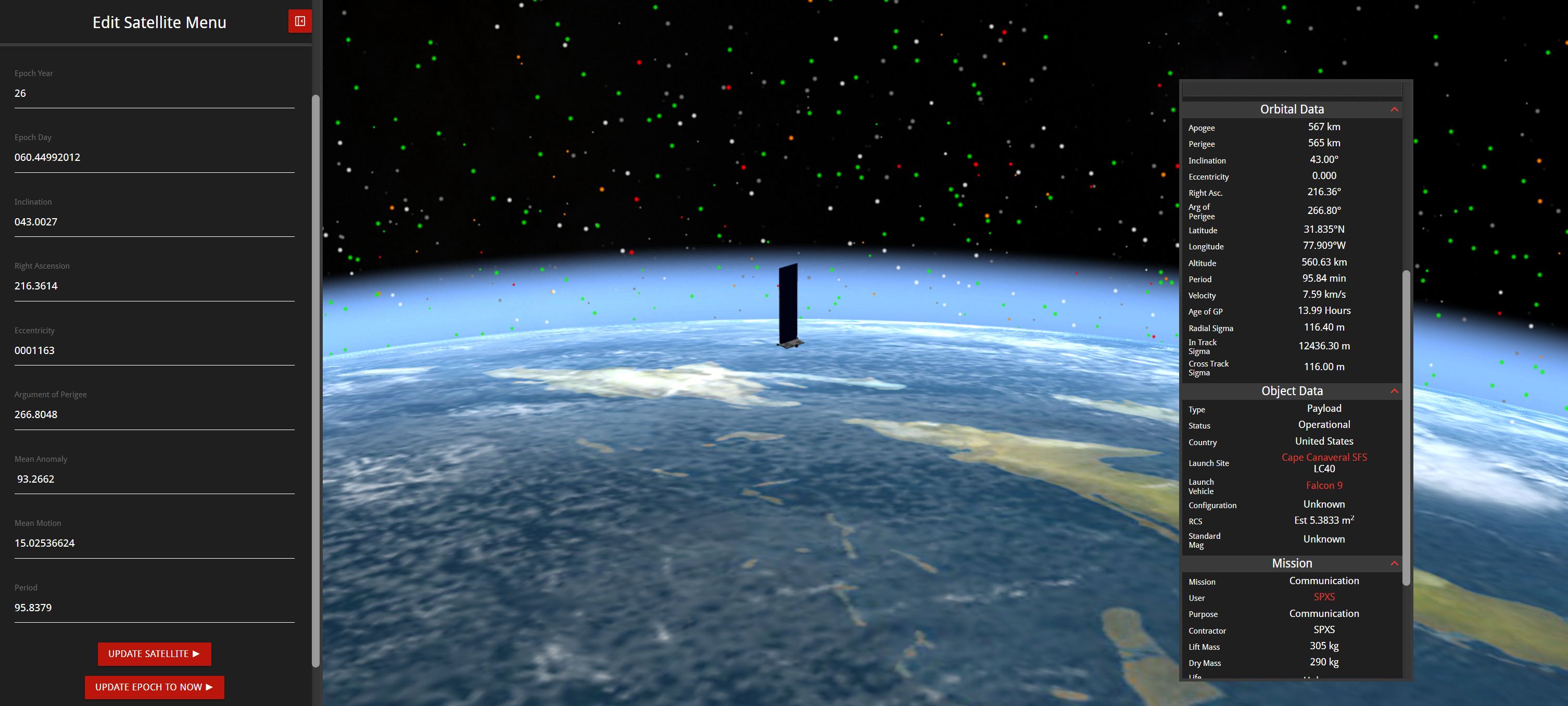
The compact data format that describes every tracked satellite orbit in just two lines of text, and how to read it