


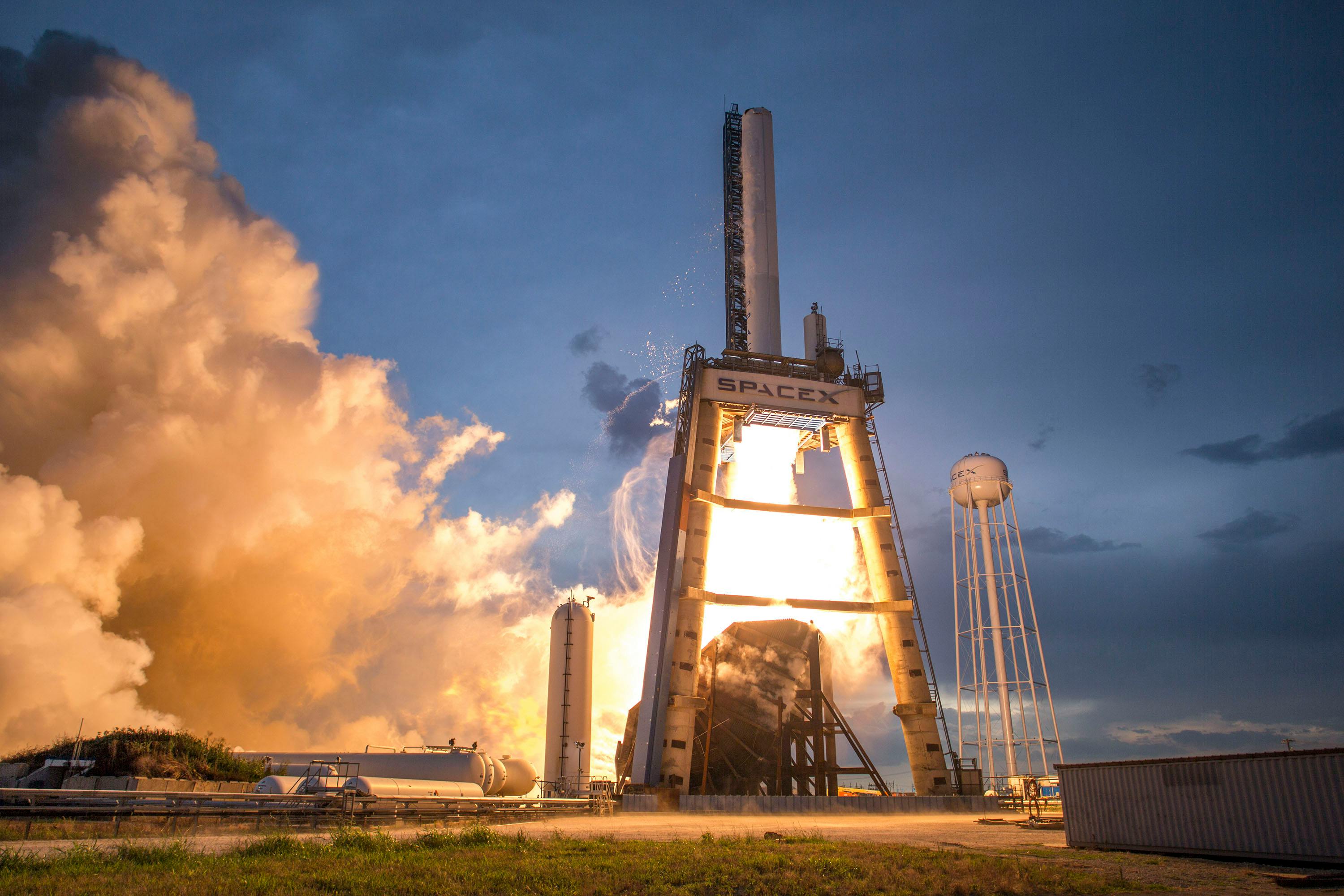
Space Brief 6 Dec 2024
Today's brief covers various military applications of climate-monitoring satellites, new defense strategies against unmanned threats, and the potential impacts of geopolitical tensions on orbit.


Launch Date
June 16, 1993
Launch Site
PLMSC
Launch Pad
LC132/1
Launch Vehicle
Kosmos 11K65M
NORAD ID
34879
International Designator
1993-036ACS
Epoch
Wed, 01 Jul 2026 11:42:14 GMT
Apogee
Calculating...
Perigee
Calculating...
Inclination
73.90°
Right Ascension
336.74°
Eccentricity
Calculating...
Argument of Perigee
22.13°
Period
107.48 min
Mean Motion
13.40 rev/day
Latitude
Calculating...
Longitude
Calculating...
Altitude
Calculating...
Velocity
Calculating...
Name
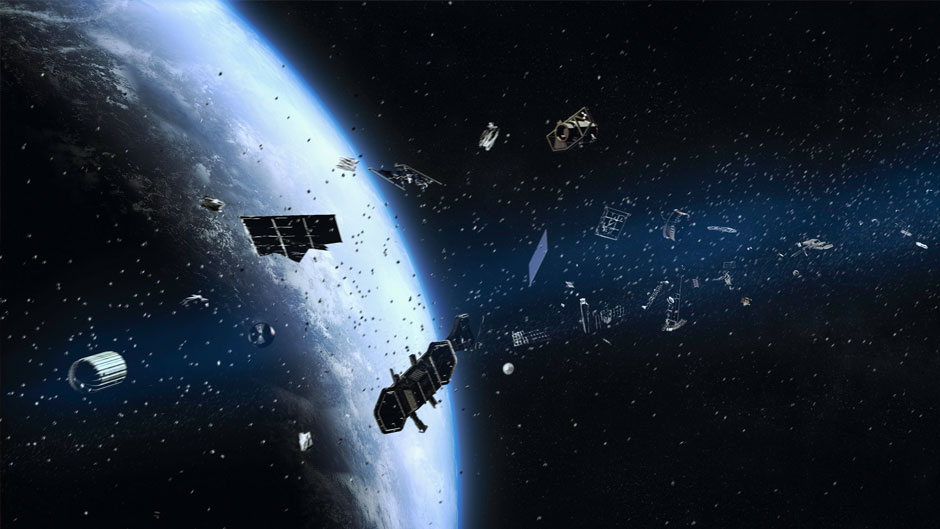
COSMOS 2251 DEB
Alternative Name
deb Kosmos-2251
Type
Status
Owner
KVR
Country
Russia
Constellation
N/A
Related Satellites
Major Events
N/A
1 34879U 93036ACS 26182.48766881 .00001010 00000-0 93064-3 0 9996
2 34879 73.9048 336.7393 0493527 22.1264 340.0349 13.39747684610287
Source: Celestrak
Length
0
Diameter
0
Span
0
Dry Mass
0
Launch Mass
0
Shape
N/A
Radar Cross Section
0.0091
Visual Magnitude
Unknown
Color
Unknown
Material Composition
Unknown
Payload
Unknown
Purpose
Unknown
Mission
Unknown
Manufacturer
Unknown
Life Expectancy
Unknown
Bus
Unknown
Configuration
Unknown
Motor
Unknown
Equipment
Unknown
Power System
Unknown
ADCS
Unknown
Transmitter Frequency
Unknown
Learn more about satellites and other related topics.
Today's brief covers various military applications of climate-monitoring satellites, new defense strategies against unmanned threats, and the potential impacts of geopolitical tensions on orbit.
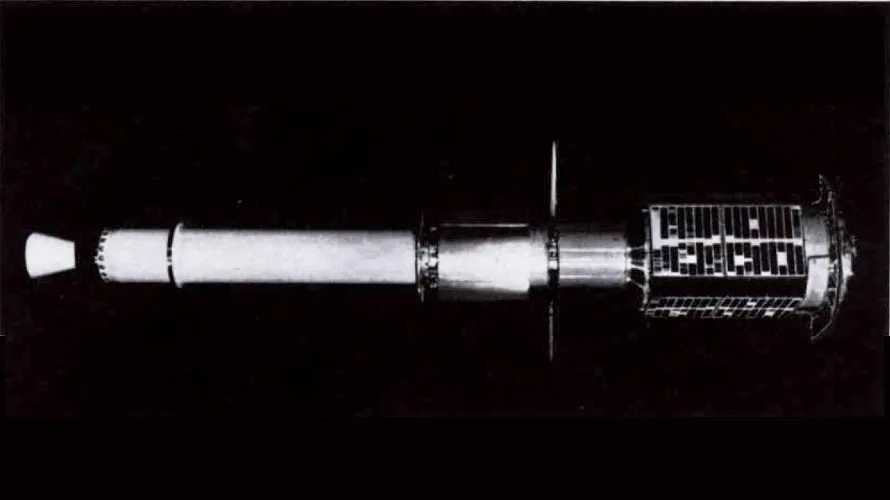
On April 27, 1961, a Scout rocket lifted a 37-kilogram NASA satellite into orbit from Wallops Island carrying the first serious instrument for detecting cosmic gamma rays. Explorer 11 operated for seven months before its tape recorder failed. In that time it registered 22 gamma-ray photons - a pitiful number by modern standards, but enough to launch an entire branch of astronomy.
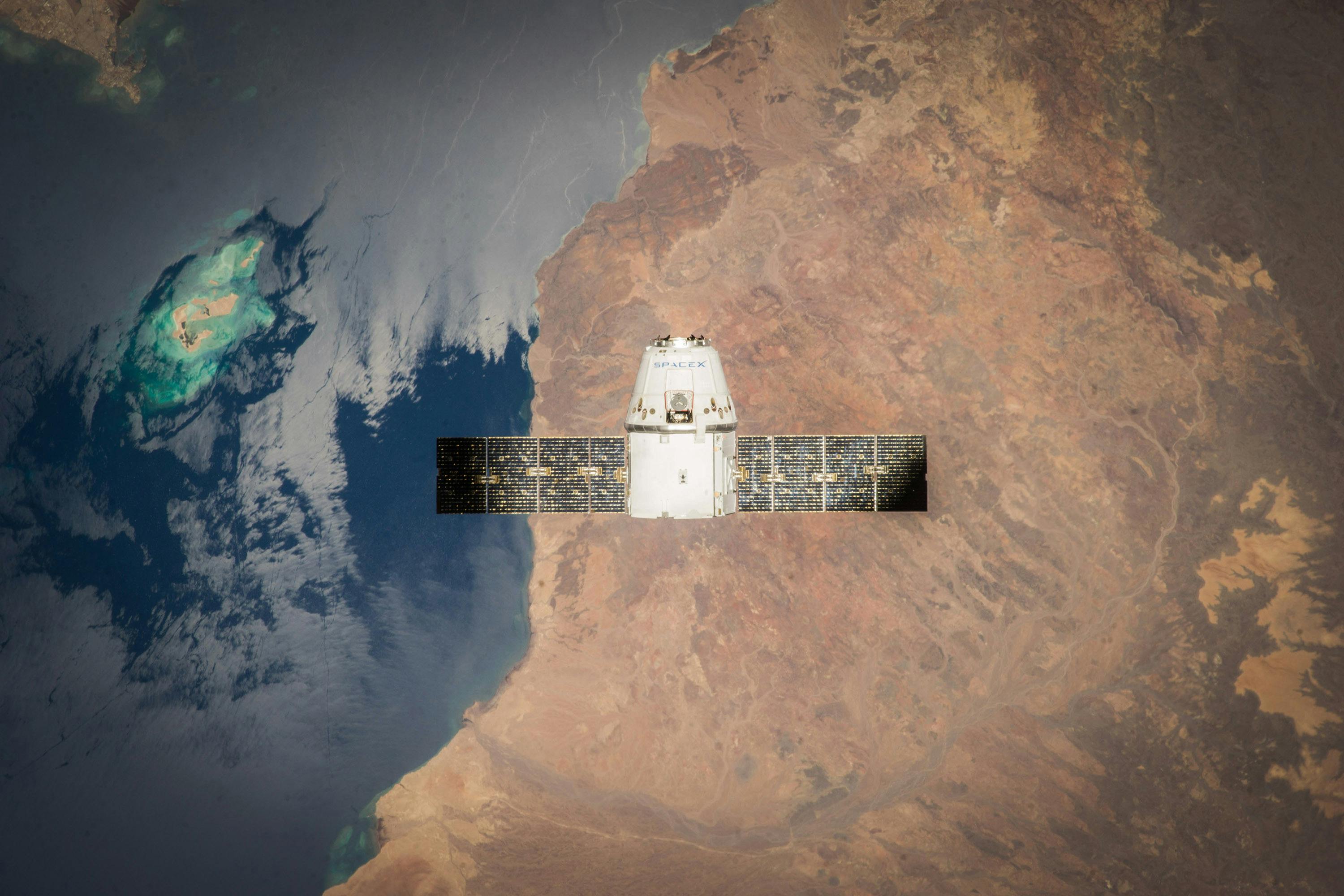
SpaceX gears up for its next Starship flight while recent Falcon 9 missions make headlines with spectacular launches, bringing fresh Starlink satellites into orbit.

SpaceX receives FAA clearance for Starship Flight 10 and celebrates its 100th Falcon 9 launch of the year, successfully deploying 24 Starlink satellites.

Today marks significant milestones and setbacks for SpaceX as Starship Flight 9 completes a historic launch but ultimately suffers a loss of control. Additionally, a successful Starlink deployment continues to expand global internet coverage.

Space Force projects 25 additional high-energy missions in 2027–2029 window, straining capacity at Vulcan and Falcon Heavy. Capacity constraints will drive military-NASA prioritization debates.
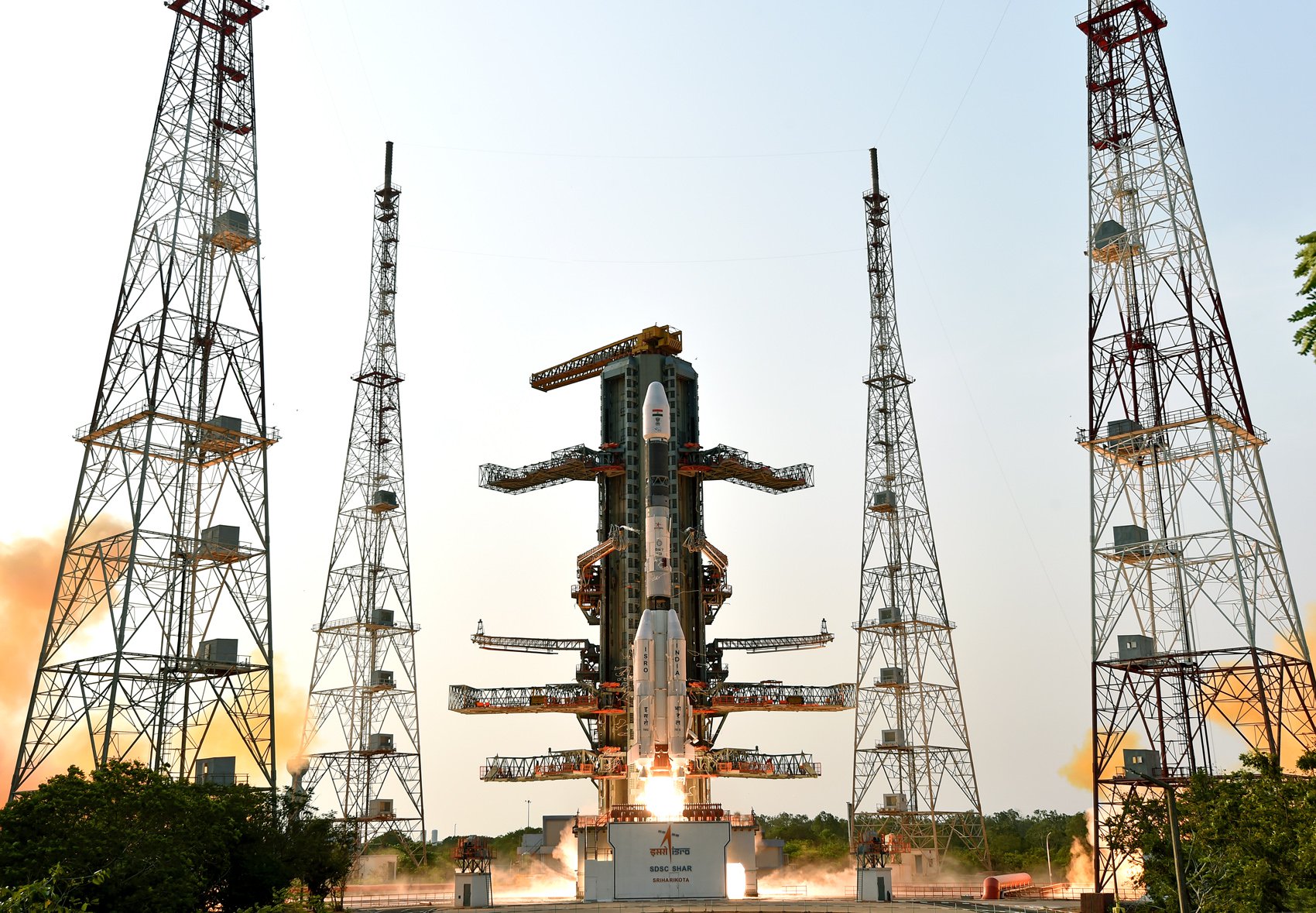
Today's highlights include a record-breaking high-altitude image of the sun, SpaceX's latest Starlink satellite launch, and various military developments. Stay informed with detailed updates on launches, reentries, and the latest advancements in drone technology.
Blue Origin's New Glenn rocket exploded during ground testing May 28, visible from hundreds of miles across Florida. Fireball halts vehicle pending failure investigation.