

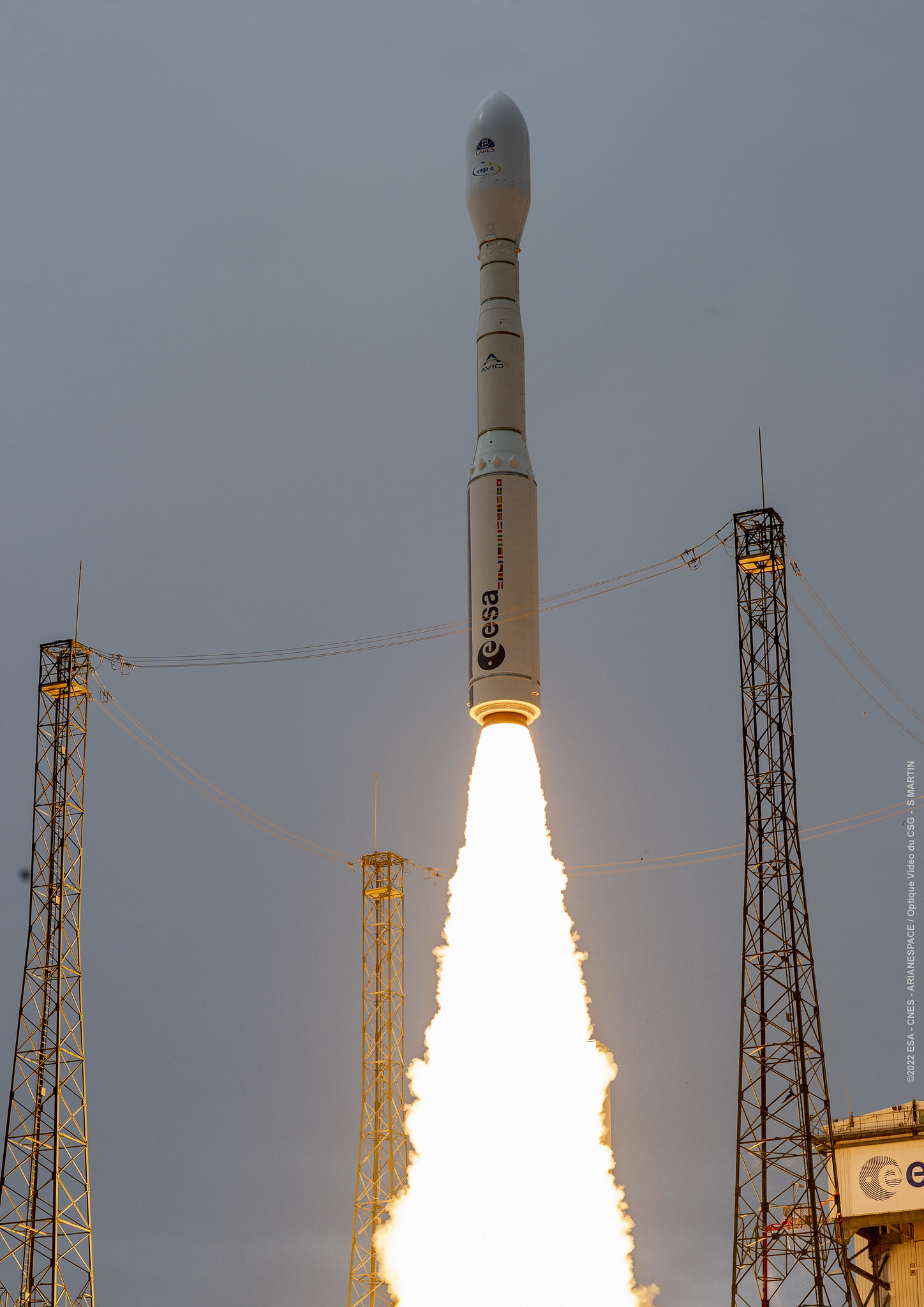
Space Brief 12 Jul 2025
Today's focus spans from major military training initiatives in orbit to key updates on drone policies and crucial satellite launches.


Launch Date
September 14, 1997
Launch Site
Launch Pad
LC81/23
Launch Vehicle
Proton-K/17S40
NORAD ID
34831
International Designator
1997-051MF
Decay Date
6/27/2013
Name
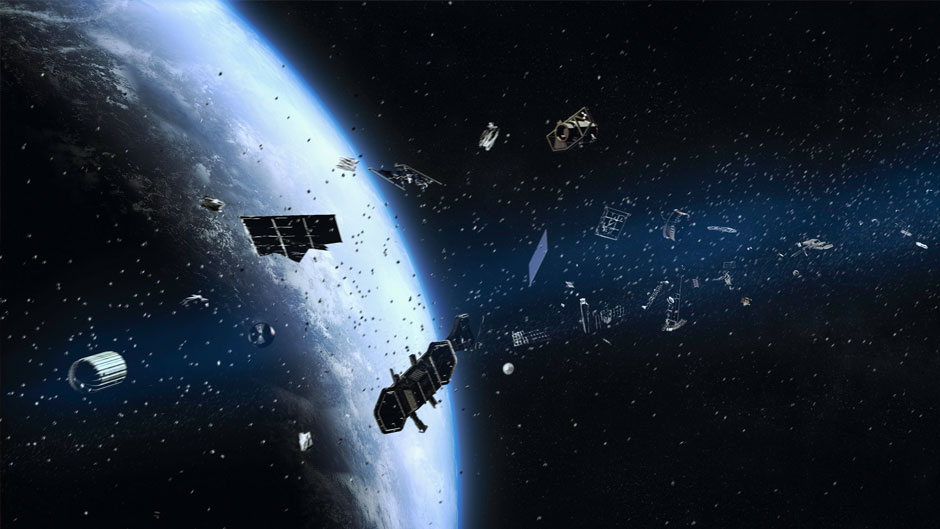
IRIDIUM 33 DEB
Alternative Name
deb Iridium 33
Type
Status
Owner
IRIDS
Country
United States
Constellation
N/A
Related Satellites
Major Events
N/A
Length
0
Diameter
0
Span
0
Dry Mass
0
Launch Mass
0
Shape
N/A
Radar Cross Section
0.0128
Visual Magnitude
Unknown
Color
Unknown
Material Composition
Unknown
Payload
Unknown
Purpose
Unknown
Mission
Unknown
Manufacturer
Unknown
Life Expectancy
Unknown
Bus
Unknown
Configuration
Unknown
Motor
Unknown
Equipment
Unknown
Power System
Unknown
ADCS
Unknown
Transmitter Frequency
Unknown
Learn more about satellites and other related topics.
Today's focus spans from major military training initiatives in orbit to key updates on drone policies and crucial satellite launches.
Today's highlights include advances in space tracking technology by the US Space Force, SpaceX's infrastructure expansion, and a spectacular birthday landing on Earth. Additionally, we spotlight a significant exoplanetary discovery and satellite updates.
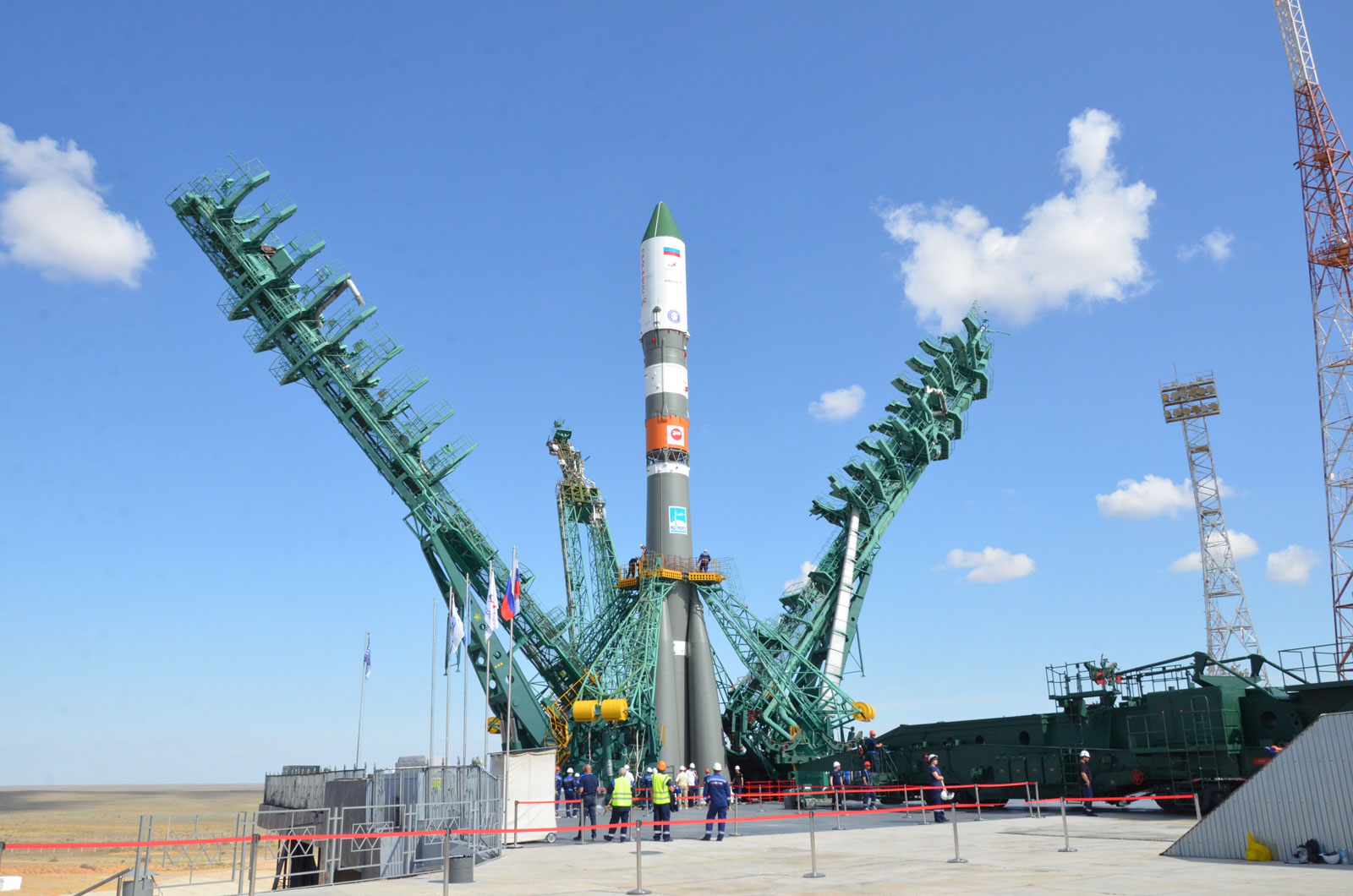
Today's brief covers the Vulcan Centaur's first mission, military space automation insights, and the retirement reflections of a Space Force leader.
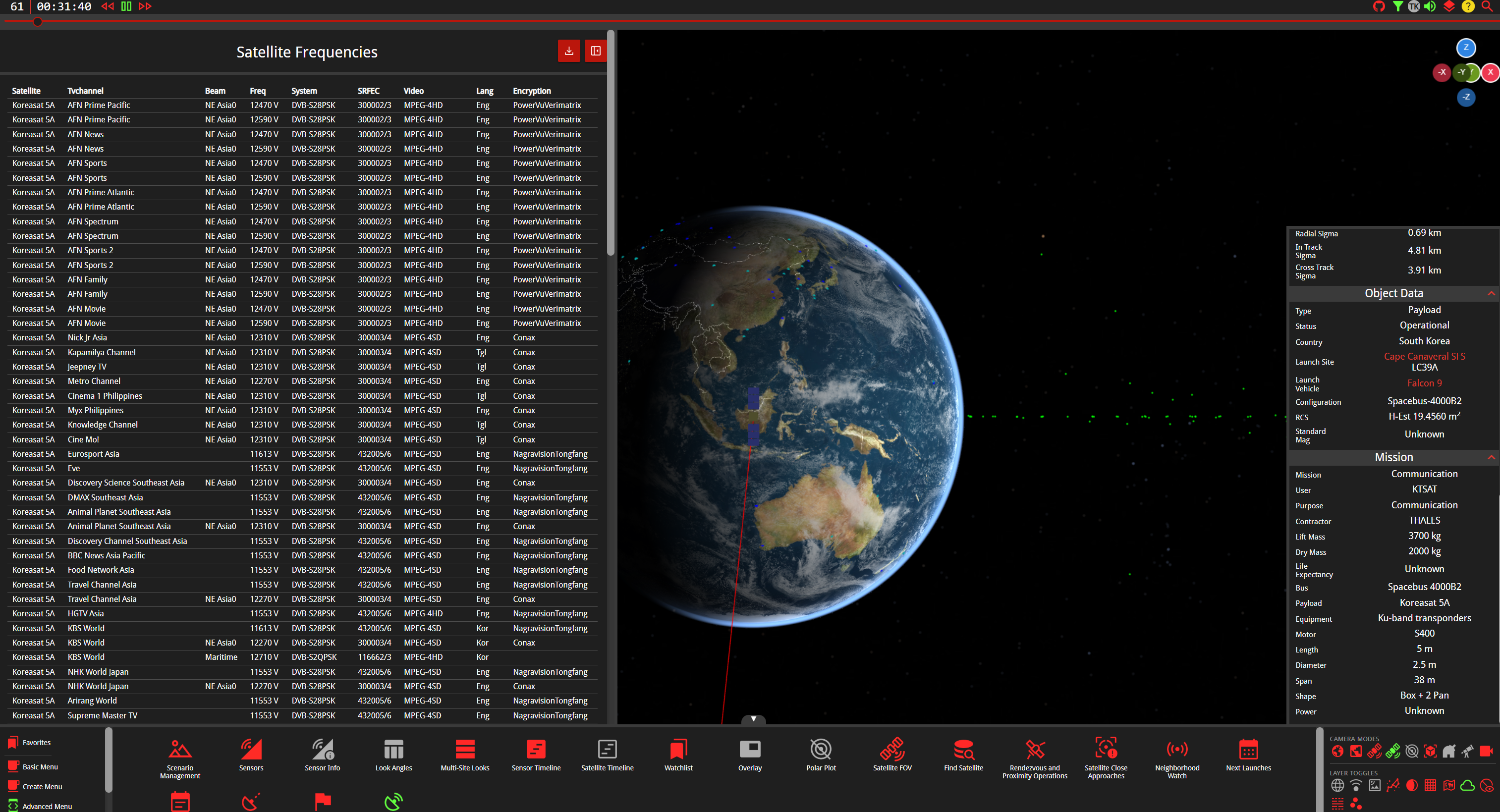
The frequency band that brought satellite TV to small dishes on rooftops and revolutionized direct-to-home broadcasting

SpaceX sets a new reuse record with Falcon 9's 27th flight, continuing its Starlink deployment while facing challenges with Starship development.
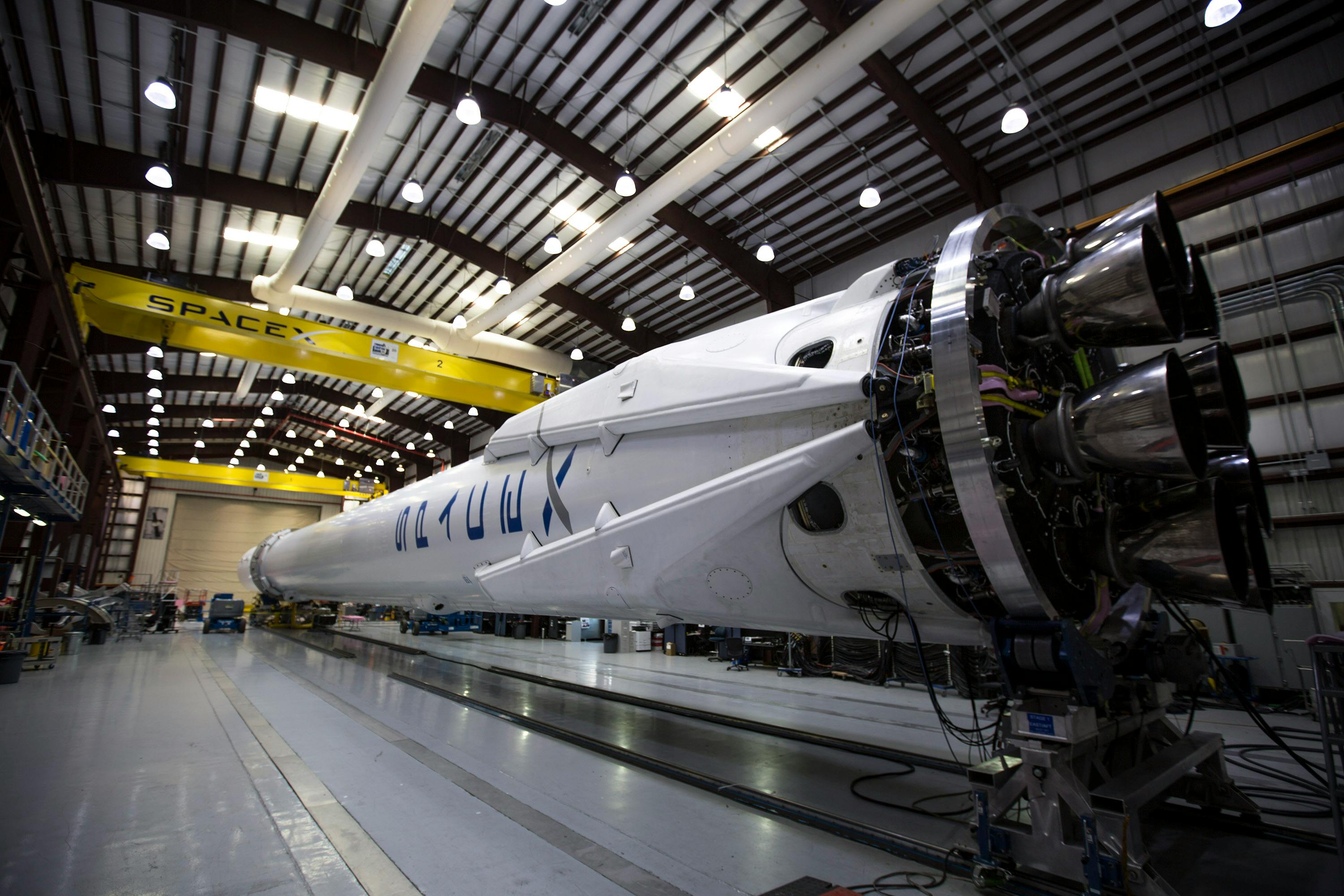
Today's highlights include SpaceX's Dragon cargo mission to the ISS, the first wooden satellite launch, and updates on NASA's Voyager mission. Additionally, the Space Force's X-37B space plane showcases unique aerobraking strategies.
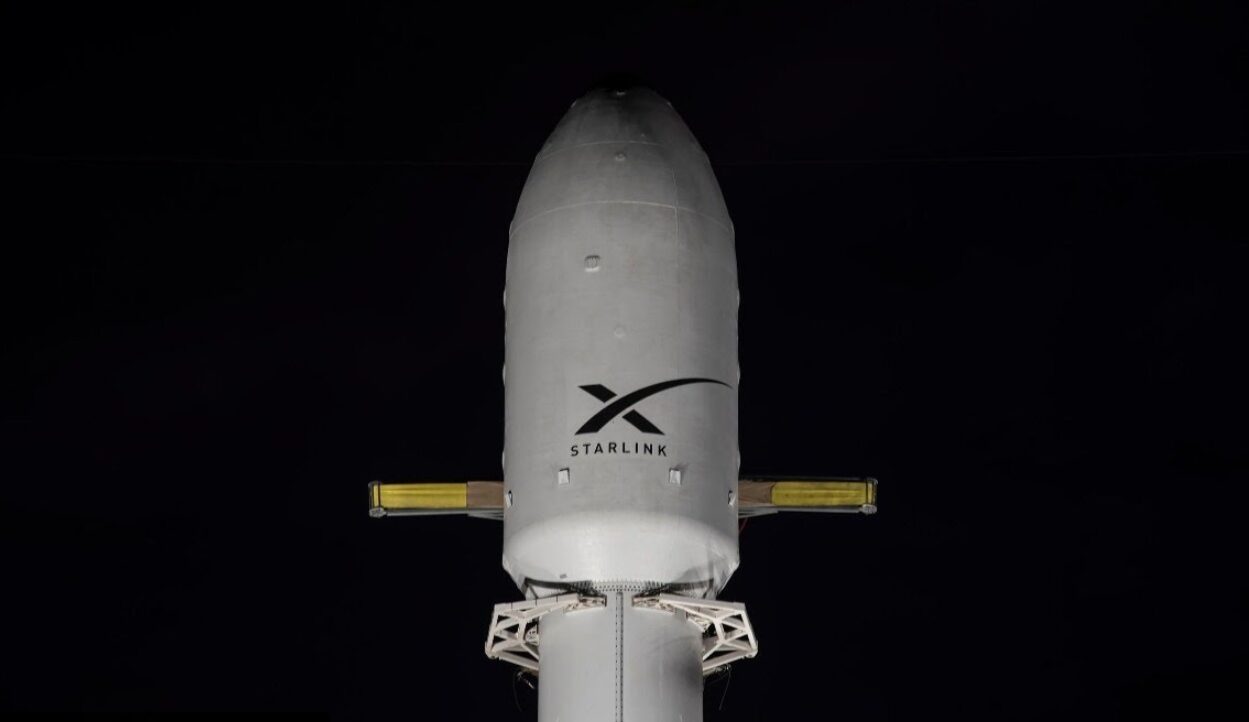
FCC clears Reflect Orbital's first satellite to bounce sunlight into nighttime zones, despite pushback from astronomers concerned about orbital streaking and wildlife impacts.
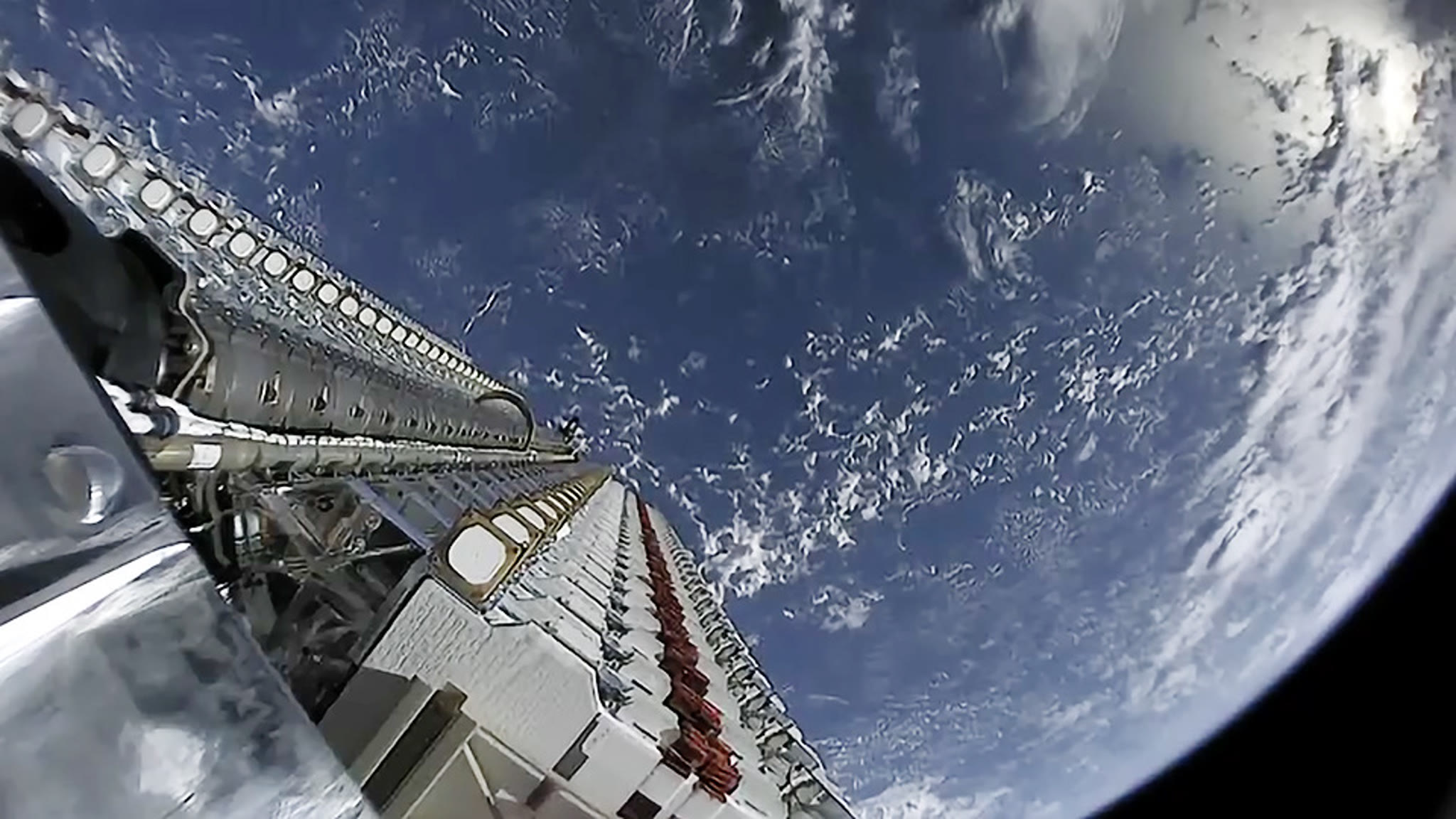
Starlink satellites fired their thrusters to dodge a collision roughly 300,000 times in 2025, about 822 times a day. Behind that number is a fragile, half-automated system of warnings, probabilities, and judgment calls that decides which close approaches are worth a maneuver and which are just noise.