

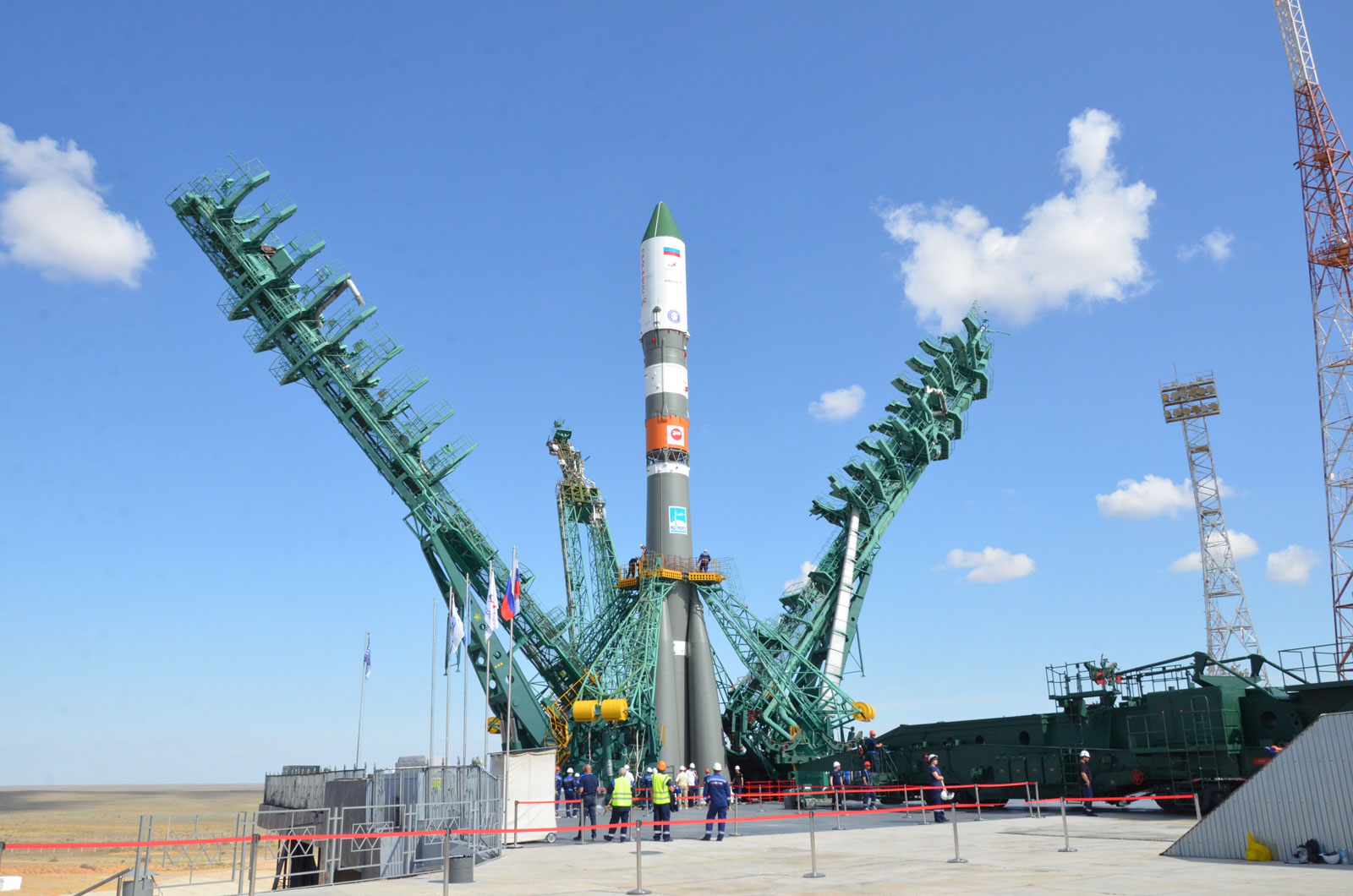
Space Brief 7 Aug 2025
Today's brief covers significant developments in missile defense, military space operations, and upcoming rocket launches. Keep an eye on the evolving Golden Dome program and the advanced capabilities it brings.


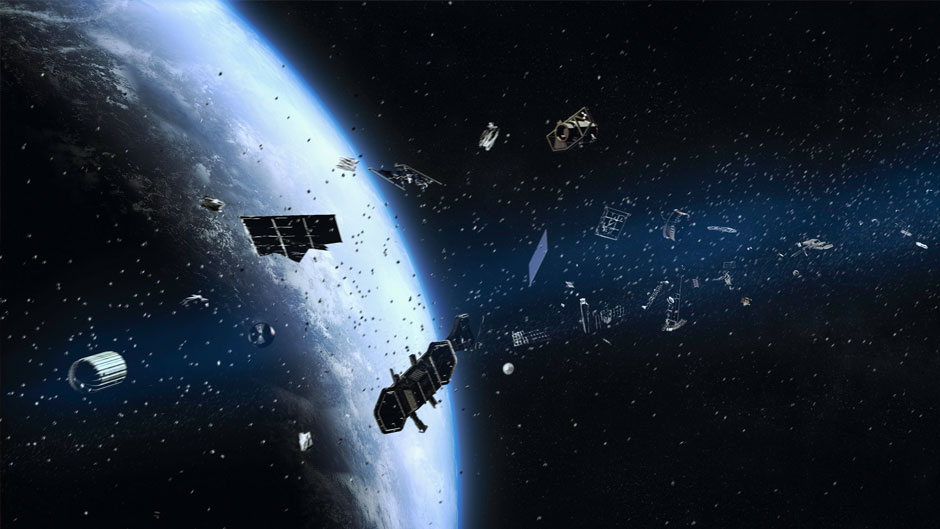
Launch Date
June 16, 1993
Launch Site
PLMSC
Launch Pad
LC132/1
Launch Vehicle
Kosmos 11K65M
NORAD ID
34783
International Designator
1993-036AAL
Decay Date
5/29/2012
Name
COSMOS 2251 DEB
Alternative Name
deb Kosmos-2251
Type
Status
Owner
KVR
Country
Russia
Constellation
N/A
Related Satellites
Major Events
N/A
Length
0
Diameter
0
Span
0
Dry Mass
0
Launch Mass
0
Shape
N/A
Radar Cross Section
0.0032
Visual Magnitude
Unknown
Color
Unknown
Material Composition
Unknown
Payload
Unknown
Purpose
Unknown
Mission
Unknown
Manufacturer
Unknown
Life Expectancy
Unknown
Bus
Unknown
Configuration
Unknown
Motor
Unknown
Equipment
Unknown
Power System
Unknown
ADCS
Unknown
Transmitter Frequency
Unknown
Learn more about satellites and other related topics.
Today's brief covers significant developments in missile defense, military space operations, and upcoming rocket launches. Keep an eye on the evolving Golden Dome program and the advanced capabilities it brings.

Falcon Heavy flew for the first time in eighteen months on April 29, 2026, expending its center core to push Viasat's final ViaSat-3 satellite toward geostationary orbit. The mission is a flagship rocket doing what only it can still do, for an operator betting six tons of high-throughput hardware on a market Starlink is rapidly redefining.
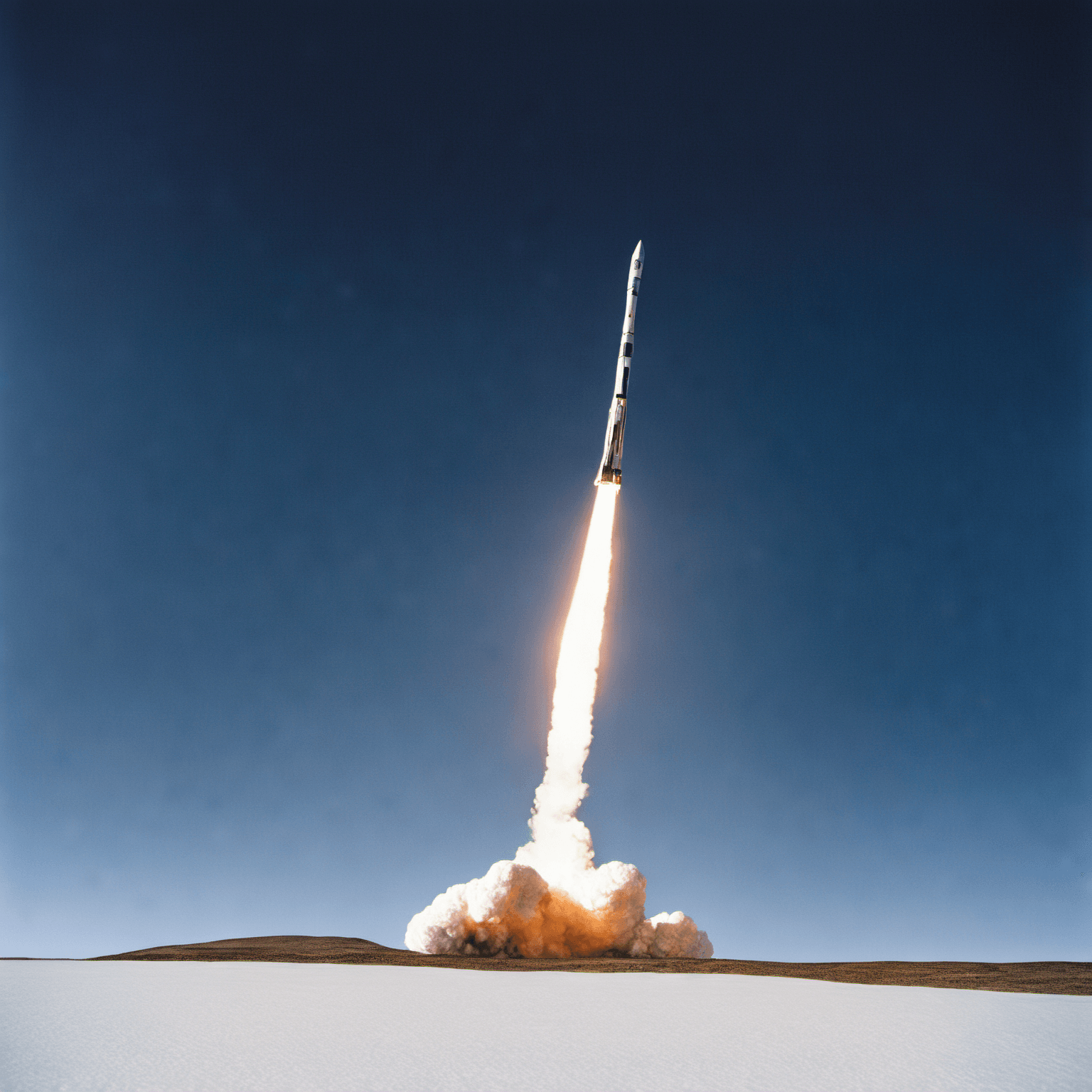
Rocket Lab's successful Electron return to flight, China's third Shenlong mission, lessons from Virgin Orbit's failure in the UK, Hubble's 30-year post-repair anniversary, and a summary of recent global launches.
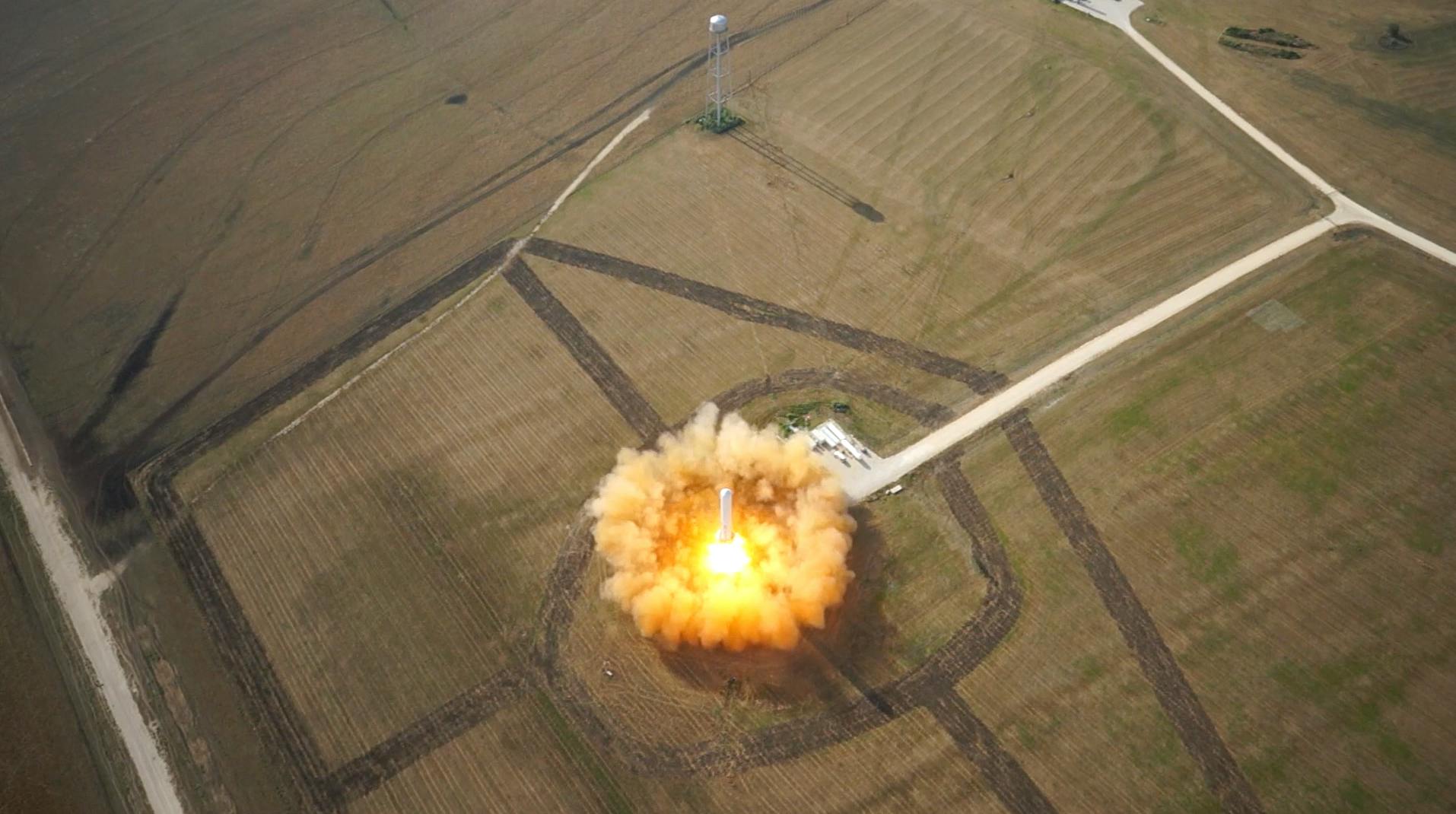
SpaceX sets a new rocket-reuse record and prepares for upcoming launches, maintaining the momentum in Starlink satellite deployments.
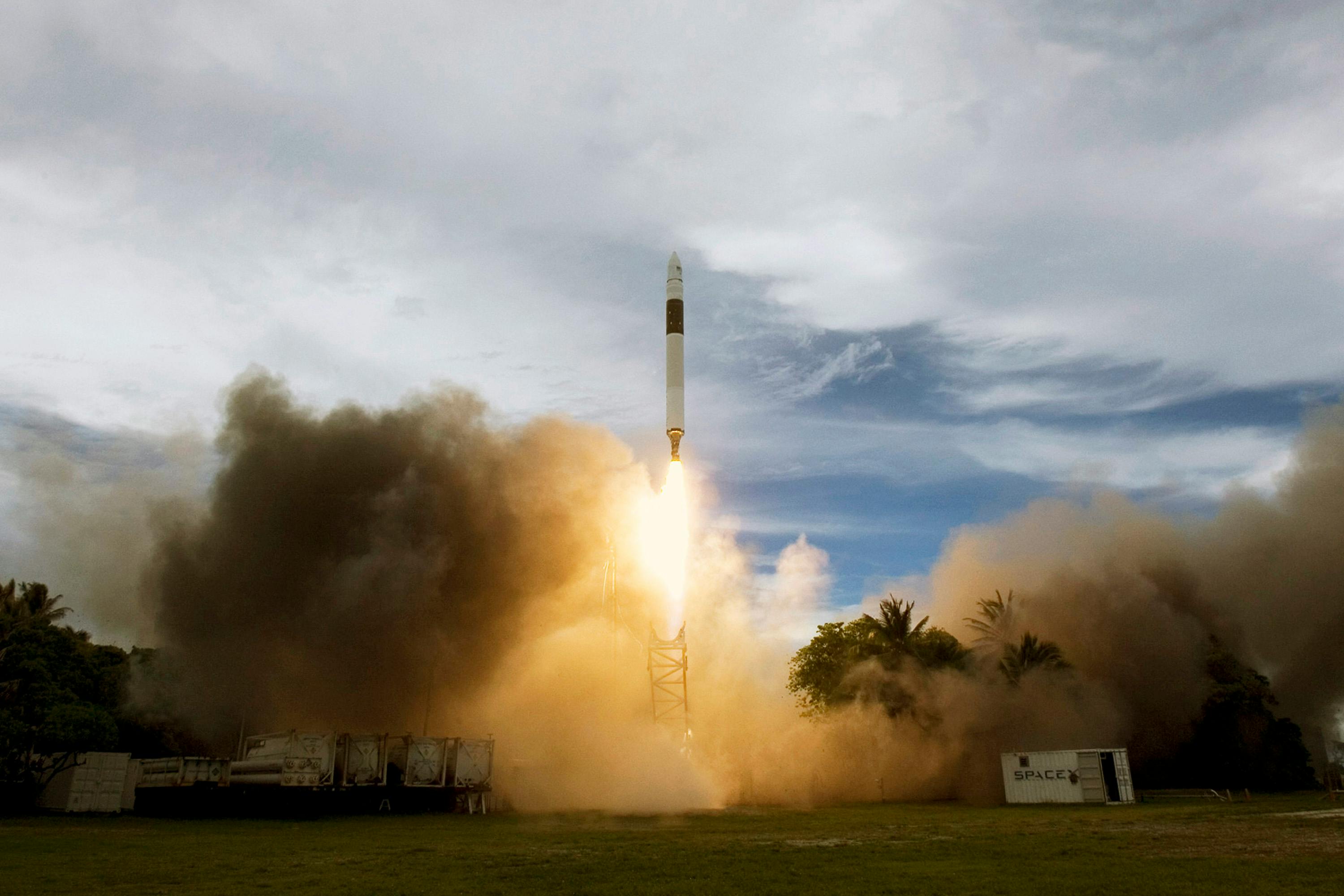
SpaceX celebrated Star Wars Day with a successful launch of Starlink satellites, furthering its mission to enhance global internet access. Lego also revealed a new collectible set tied to the franchise.
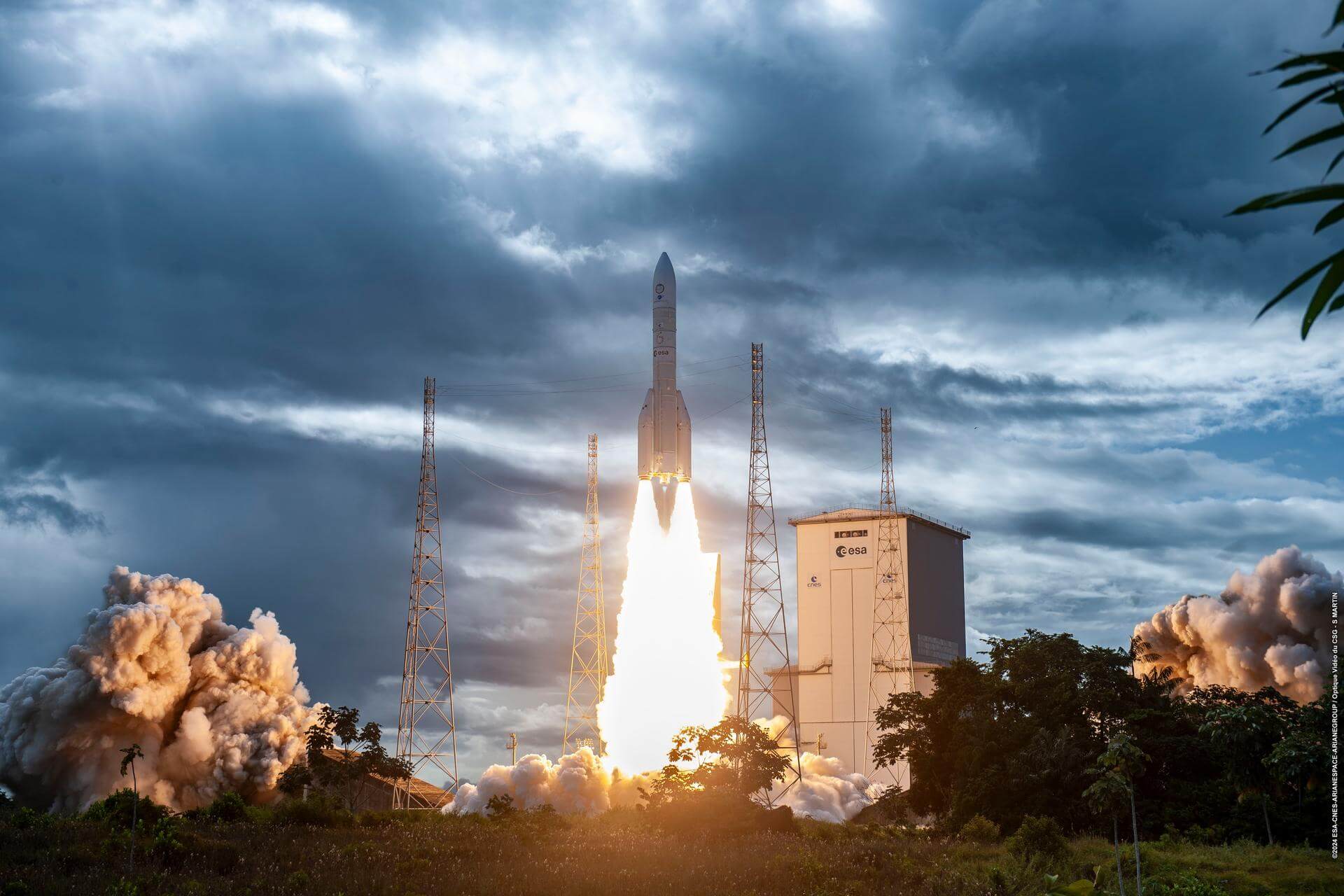
Today's highlights include new satellite launches by SpaceX, technical hiccups for an Indian navigation satellite, and insights into the future of satellite servicing.

SpaceX celebrates its 100th launch of the year with a Falcon 9 mission carrying Amazon's Project Kuiper satellites, while Crew-10 prepares for its return from the ISS and the company expands its interplanetary ambitions with new Mars partnerships.

Space Force contracts Viasat and SES for $437M Protected Tactical Satcom-Global program. Four new GEO satellites replace vulnerable single-satellite systems.