SL-3 R/B (03474)

COSPAR: 1968-087B | Alt Name: Voskhod (N75) Blok-I
DECAYED

Image
SL-3 R/B Satellite Image
Additional Sources
Launch Details

Launch Date

October 7, 1968

Launch Site

PLMSC

Launch Pad

LC41/1

Launch Vehicle

Voskhod 11A57

Orbital Elements

NORAD ID

03474

International Designator

1968-087B

Decay Date

10/8/1968

Basic Satellite Info

Name

SL-3 R/B

Alternative Name

Voskhod (N75) Blok-I

Type

Rocket Body

Status

Space Junk

Owner

RVSN

Country

USSR

Constellation

N/A

Related Satellites

Major Events

N/A

Summary
A rocket body, also commonly referred to as an upper stage or spent rocket stage, is the structural shell left behind after a rocket has delivered its payload to orbit. These large and often heavy pieces of space hardware can remain in orbit for years, posing significant collision hazards as part of the growing space debris problem. If left uncontrolled, rocket bodies have the potential to reenter Earth's atmosphere unpredictably, which can lead to falling debris in populated areas. Additionally, they risk colliding with operational satellites or the International Space Station, creating more debris and putting human life at risk.
Physical Characteristics

Length

9.4

Diameter

2.7

Span

9.4

Dry Mass

3000

Launch Mass

3000

Shape

Cyl

Radar Cross Section

Unknown

Visual Magnitude

Unknown

Color

Unknown

Material Composition

Unknown

Technical Details

Payload

11A57I

Purpose

Unknown

Mission

Unknown

Manufacturer

PROG

Life Expectancy

Unknown

Bus

Blok-I

Configuration

Unknown

Motor

Unknown

Equipment

Unknown

Power System

Unknown

ADCS

Unknown

Transmitter Frequency

Unknown

Satellite Articles

View All Posts »

Learn more about satellites and other related topics.

Seismic Networks Now Track Space Junk, Pentagon Faces Golden Dome Cost Challenges | KeepTrack Space Brief

Seismic Networks Now Track Space Junk, Pentagon Faces Golden Dome Cost Challenges | KeepTrack Space Brief

Johns Hopkins researchers use seismic networks to track space debris in near real-time. Pentagon faces Golden Dome production scale challenges. SpaceX launches 25 Starlink sats in seventh 2026 mission.

Starlink V2 Flies on Starship in 2027, X Report 4 Mar 2026

Starlink V2 Flies on Starship in 2027, X Report 4 Mar 2026

Gwynne Shotwell confirms Starlink V2 launches on Starship in 2027. Ship 39 preps Starship Flight 12; Falcon 9 lofts its 600th Starlink of 2026.

SpaceX Files Plans for Million-Satellite Orbital Data Center | KeepTrack X Report

SpaceX Files Plans for Million-Satellite Orbital Data Center | KeepTrack X Report

SpaceX files FCC plans for a million-satellite orbital data center constellation. Crew-12 launch timing depends on Artemis 2 mission. Cold weather delays launch window.

X Report 8 Jan 2025

X Report 8 Jan 2025

SpaceX sets sights on new frontiers with the imminent Starlink launch and upcoming Blue Ghost moon lander mission.

Vulcan GEM 63XL Passes Static Fire; February Anomaly Still Under Investigation | KeepTrack Space Brief

Vulcan GEM 63XL Passes Static Fire; February Anomaly Still Under Investigation | KeepTrack Space Brief

Northrop Grumman's GEM 63XL solid rocket booster passed static fire testing, but ULA's investigation into a February 2026 Vulcan in-flight anomaly remains open. No RTF date set.

Air Force One Gets Starlink, Astrobotic Acquired | KeepTrack Space Brief

Air Force One Gets Starlink, Astrobotic Acquired | KeepTrack Space Brief

Trump's interim Air Force One—a $400M Boeing 747-8—equipped with Starlink for presidential communications. First confirmed LEO constellation use for White House comms.

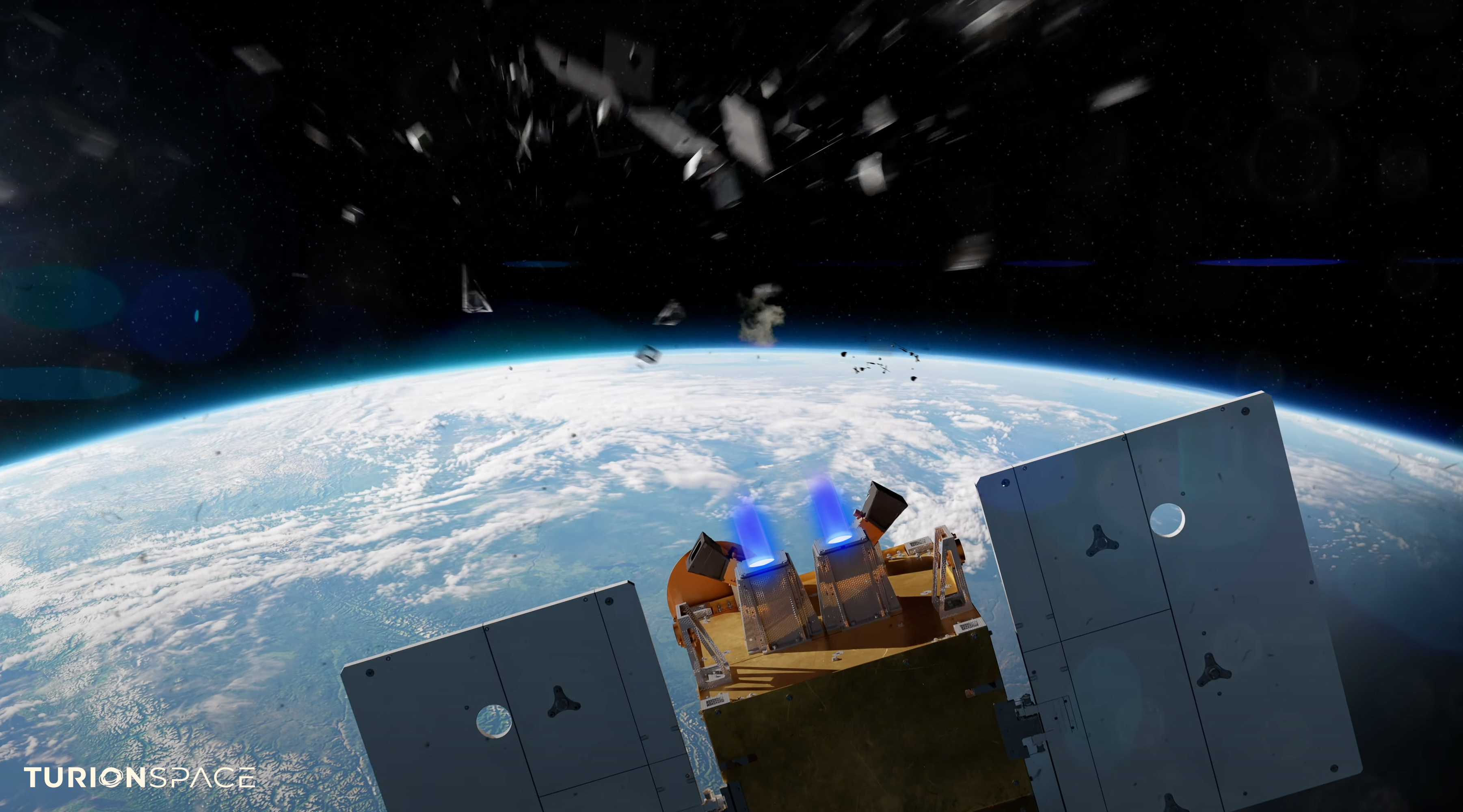
DROID.002 - Turion Space's Eyes on the Orbital Junkyard

DROID.002 - Turion Space's Eyes on the Orbital Junkyard

A 90-kilogram spacecraft with iodine thrusters and two Australian-built cameras is quietly building the case that tracking space debris is a business worth billions - and that a four-year-old startup from Irvine can own it.

The International Scientific Optical Network (ISON)

The International Scientific Optical Network (ISON)

How a controversial telescope network has become a significant player in tracking the increasingly crowded orbital environment, raising important questions about transparency, dual-use technologies, and the future of space situational awareness.