TITAN 3C TRANSTAGE DEB (03467)

COSPAR: 1965-082PY | Alt Name: deb Transtage 4
DECAYED

Image
TITAN 3C TRANSTAGE DEB Satellite Image
Additional Sources
Launch Details

Launch Date

October 15, 1965

Launch Pad

LC40

Launch Vehicle

Titan IIIC

Orbital Elements

NORAD ID

03467

International Designator

1965-082PY

Decay Date

7/2/2001

Basic Satellite Info

Name

TITAN 3C TRANSTAGE DEB

Alternative Name

deb Transtage 4

Type

Debris

Status

Space Junk

Owner

AFSSD

Country

United States

Constellation

N/A

Related Satellites

Major Events

N/A

Summary
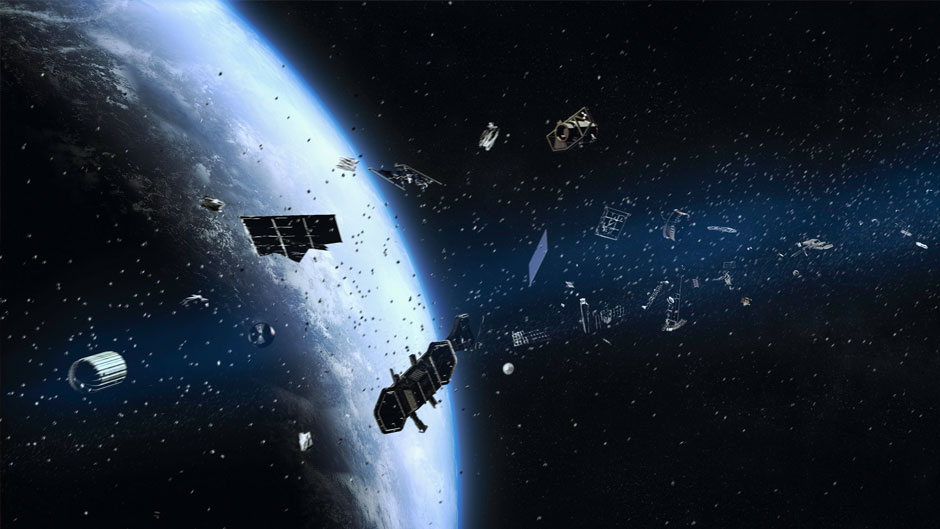
Space debris, also known as space junk, encompasses all non-functional objects orbiting Earth such as defunct satellites, spent rocket stages, and fragments from collisions or disintegrations. Over time, this debris can accumulate and create an increasingly hazardous environment in orbit. Even tiny fragments, traveling at extremely high velocities, can inflict significant damage on operational satellites and spacecraft. If left unmanaged, the density of debris raises the risk of catastrophic collisions and further fragmentation, compounding the problem and threatening the safety and sustainability of space activities.
Physical Characteristics

Length

0

Diameter

0

Span

0

Dry Mass

0

Launch Mass

0

Shape

N/A

Radar Cross Section

0.0897

Visual Magnitude

Unknown

Color

Unknown

Material Composition

Unknown

Technical Details

Payload

Unknown

Purpose

Unknown

Mission

Unknown

Manufacturer

Unknown

Life Expectancy

Unknown

Bus

Unknown

Configuration

Unknown

Motor

Unknown

Equipment

Unknown

Power System

Unknown

ADCS

Unknown

Transmitter Frequency

Unknown

Satellite Articles

View All Posts »

Learn more about satellites and other related topics.

How a Parachutist Named Seagull Became the First Woman in Space

How a Parachutist Named Seagull Became the First Woman in Space

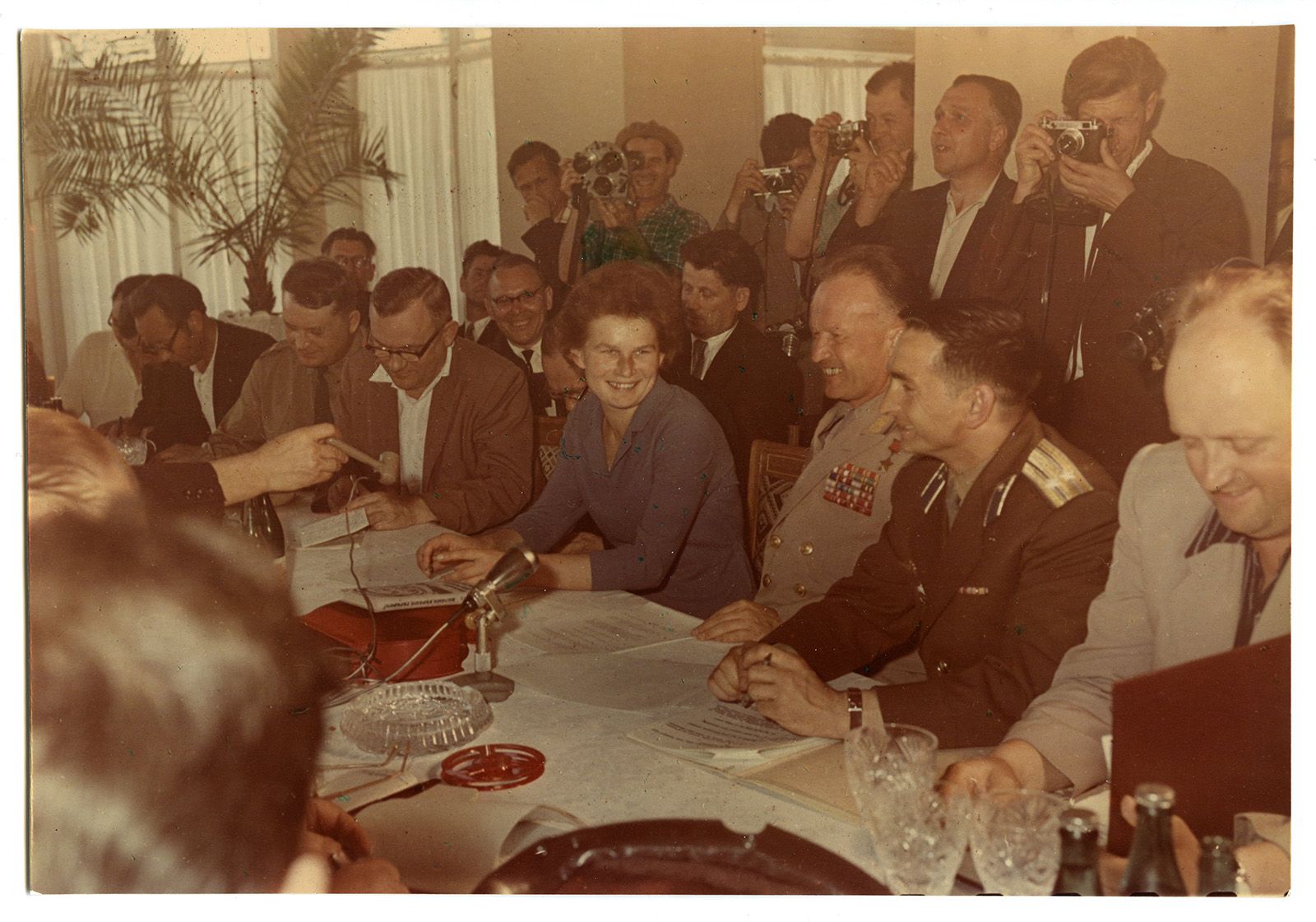
On 16 June 1963, a 26-year-old former textile worker named Valentina Tereshkova launched aboard Vostok 6 and spent nearly three days alone in orbit. She flew 48 times around the Earth, longer than every American astronaut combined, and spotted a dangerous flaw in her descent program that ground controllers had missed.
First Graviton Detector Concept Proposed, Space Force Shelves R-GPS Program | KeepTrack Space Brief

First Graviton Detector Concept Proposed, Space Force Shelves R-GPS Program | KeepTrack Space Brief

Keck Foundation team proposes first-ever graviton detector concept. Space Force shelves Resilient GPS program. China advances Long March 12B reusable rocket with static fire test at Jiuquan.

X Report 4 Dec 2024

X Report 4 Dec 2024

SpaceX's Falcon 9 achieves a milestone with its 24th launch for Starlink, while competitive moves continue in the satellite internet market.

Starlink 17-40 Adds 24 Sats from Vandenberg | KeepTrack X Report

Starlink 17-40 Adds 24 Sats from Vandenberg | KeepTrack X Report

SpaceX's Starlink 17-40 mission launches 24 satellites from Vandenberg SFB at 7:36 a.m. PDT, expanding the 10,705-satellite constellation.

Space Brief 29 Nov 2025

Space Brief 29 Nov 2025

Today's Space Brief covers a Soyuz launch mishap that damaged Baikonur pad, Varda Space's AFRL test flights, ION vehicles aboard SpaceX Transporter-15, and more.

The Telescope That Needed Glasses

The Telescope That Needed Glasses

On April 25, 1990, the Space Shuttle Discovery's robotic arm lifted a 11,110-kilogram barrel of mirrors and instruments out of the payload bay and released it into orbit. Six weeks later, the first images came back badly out of focus. The Hubble Space Telescope had been ground to the wrong prescription, and America had just spent $2.5 billion on what the press was calling a 'technoturkey.'

Space Brief 1 Feb 2025

Space Brief 1 Feb 2025

Today's brief covers advances in satellite docking technology, challenges faced by space companies with government navigation, and China's leap in space autonomy through AI developments.

The Day America's Moon Rocket Began Its Journey

The Day America's Moon Rocket Began Its Journey

Fifty-nine years ago, a revolutionary new rocket thundered skyward from Cape Kennedy, testing the spacecraft that would eventually carry astronauts to the lunar surface