


X Report 6 Mar 2025
Starship Flight 8 set for launch, new milestones in the defense sector, and launch updates dominate today's news.



Launch Date
June 16, 1993
Launch Site
PLMSC
Launch Pad
LC132/1
Launch Vehicle
Kosmos 11K65M
NORAD ID
34431
International Designator
1993-036RY
Epoch
Fri, 03 Jul 2026 06:59:31 GMT
Apogee
Calculating...
Perigee
Calculating...
Inclination
74.07°
Right Ascension
168.35°
Eccentricity
Calculating...
Argument of Perigee
103.41°
Period
100.74 min
Mean Motion
14.29 rev/day
Latitude
Calculating...
Longitude
Calculating...
Altitude
Calculating...
Velocity
Calculating...
Name
COSMOS 2251 DEB
Alternative Name
deb Kosmos-2251
Type
Status
Owner
KVR
Country
Russia
Constellation
N/A
Related Satellites
Major Events
N/A
1 34431U 93036RY 26184.29133971 .00001217 00000-0 47612-3 0 9996
2 34431 74.0739 168.3530 0065729 103.4093 257.4395 14.29383173900366
Source: Celestrak
Length
0
Diameter
0
Span
0
Dry Mass
0
Launch Mass
0
Shape
N/A
Radar Cross Section
0.032
Visual Magnitude
Unknown
Color
Unknown
Material Composition
Unknown
Payload
Unknown
Purpose
Unknown
Mission
Unknown
Manufacturer
Unknown
Life Expectancy
Unknown
Bus
Unknown
Configuration
Unknown
Motor
Unknown
Equipment
Unknown
Power System
Unknown
ADCS
Unknown
Transmitter Frequency
Unknown
Learn more about satellites and other related topics.
Starship Flight 8 set for launch, new milestones in the defense sector, and launch updates dominate today's news.

SpaceX's Starship gains military attention, a feather-light achievement, and a busy week for Falcon 9.
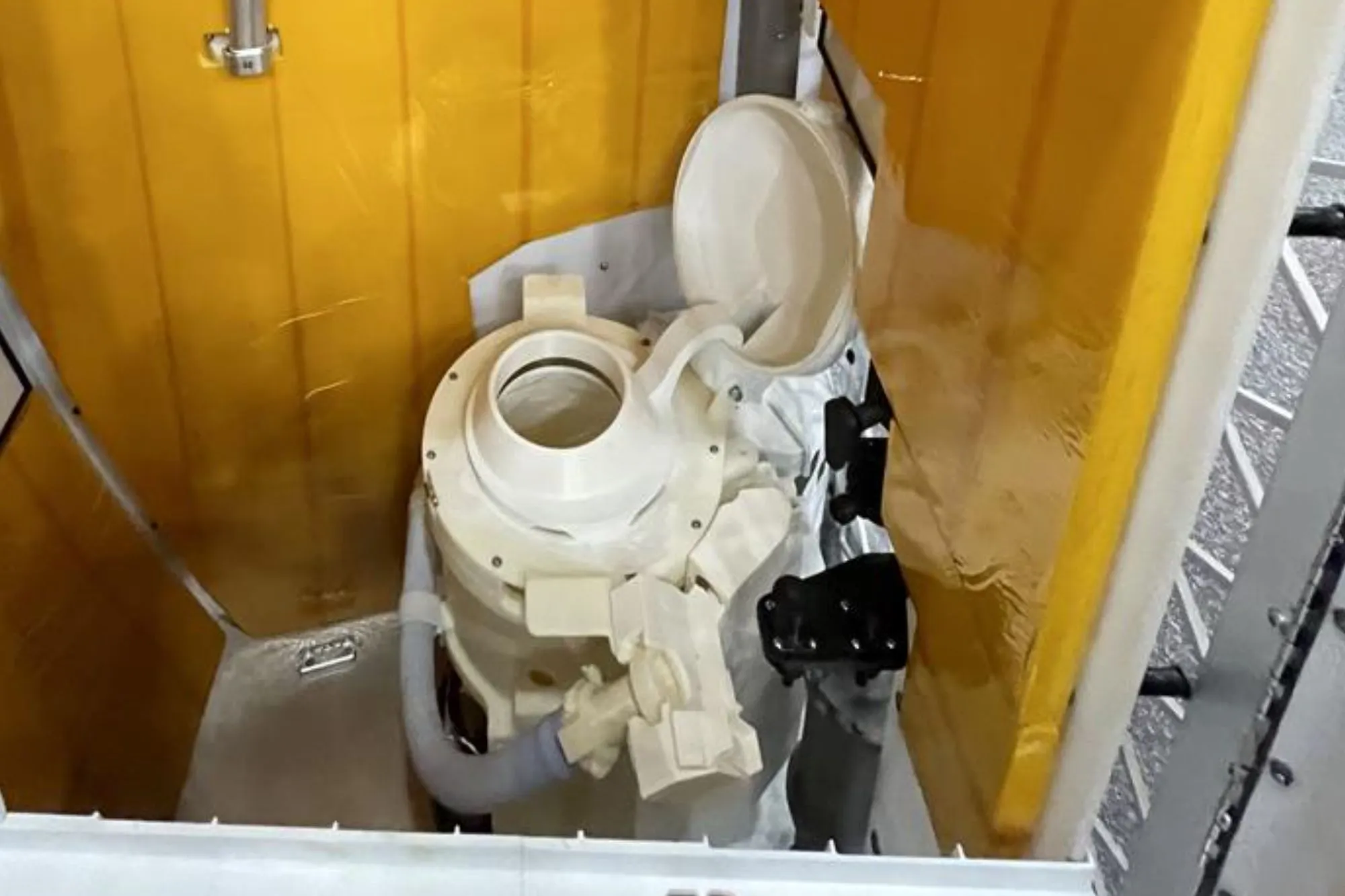
Sixty years of space toilet engineering, a decade of development, and a $30 million contract - and the Artemis II crew still had to pee in bags on Day 1.

Today’s brief covers the delayed launch of Australia's first orbital rocket, China's reusability programs, and the snow-enforced shutdown of a Chilean radio telescope.

Let's look at the legacy of space exploration with the 10 most iconic satellites still orbiting Earth.
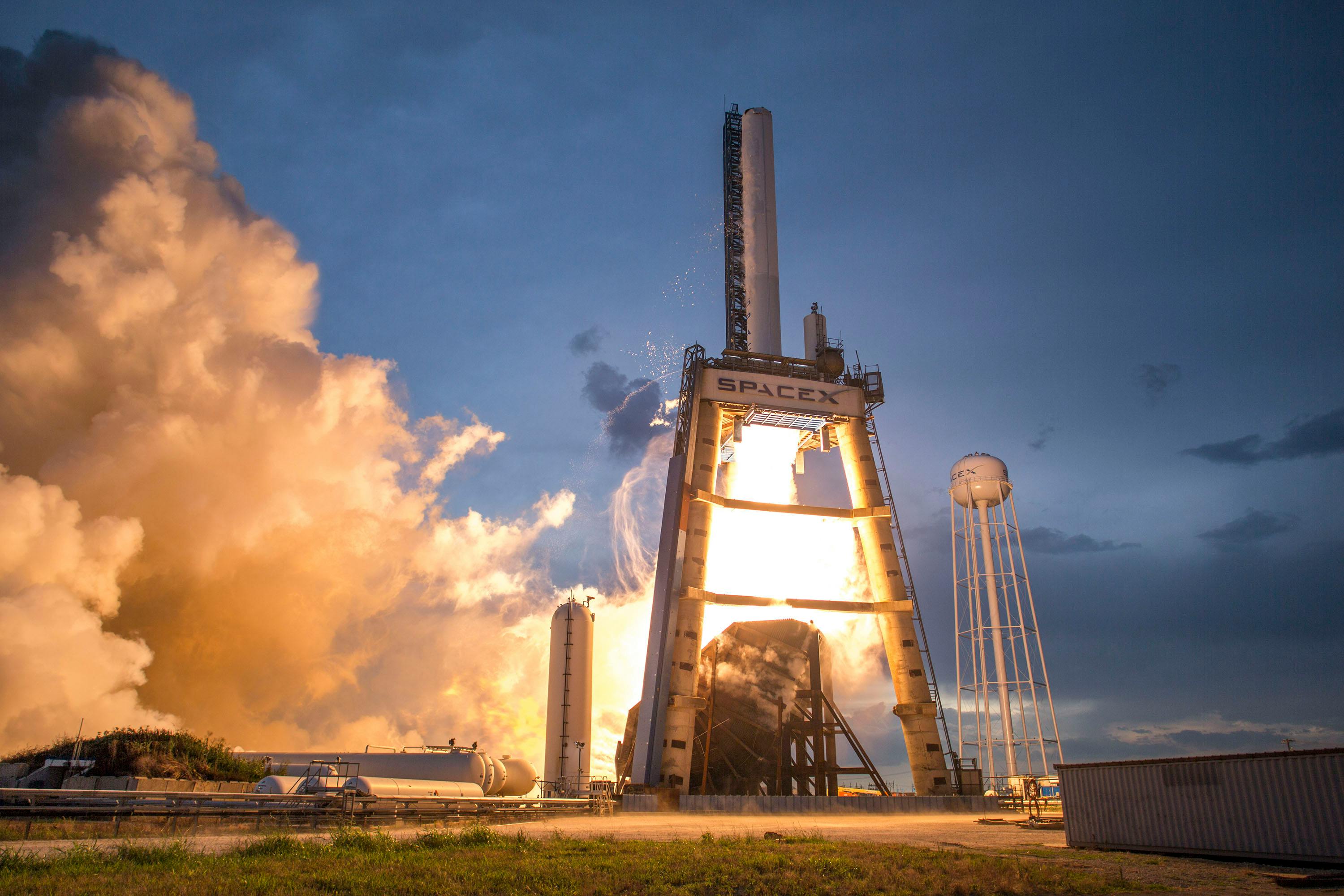
SpaceX successfully launched 19 Starlink satellites from California amidst a weather-related scrub of the Crew-11 mission to the ISS, showcasing the company’s focus on expanding its satellite constellation while overcoming operational challenges.
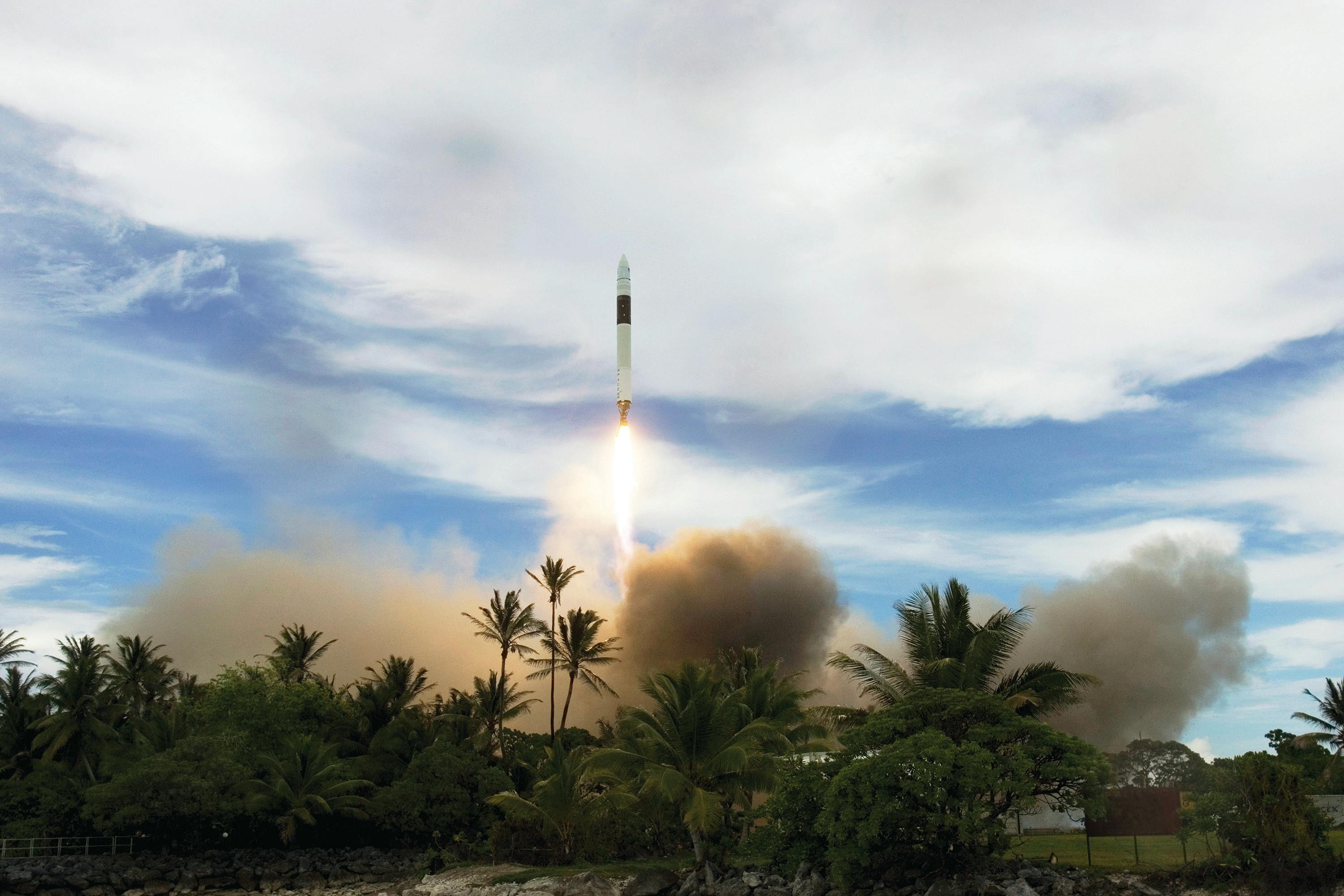
SpaceX prepares for sixth Starship flight, slated for mid-November, following successful fifth test in October.
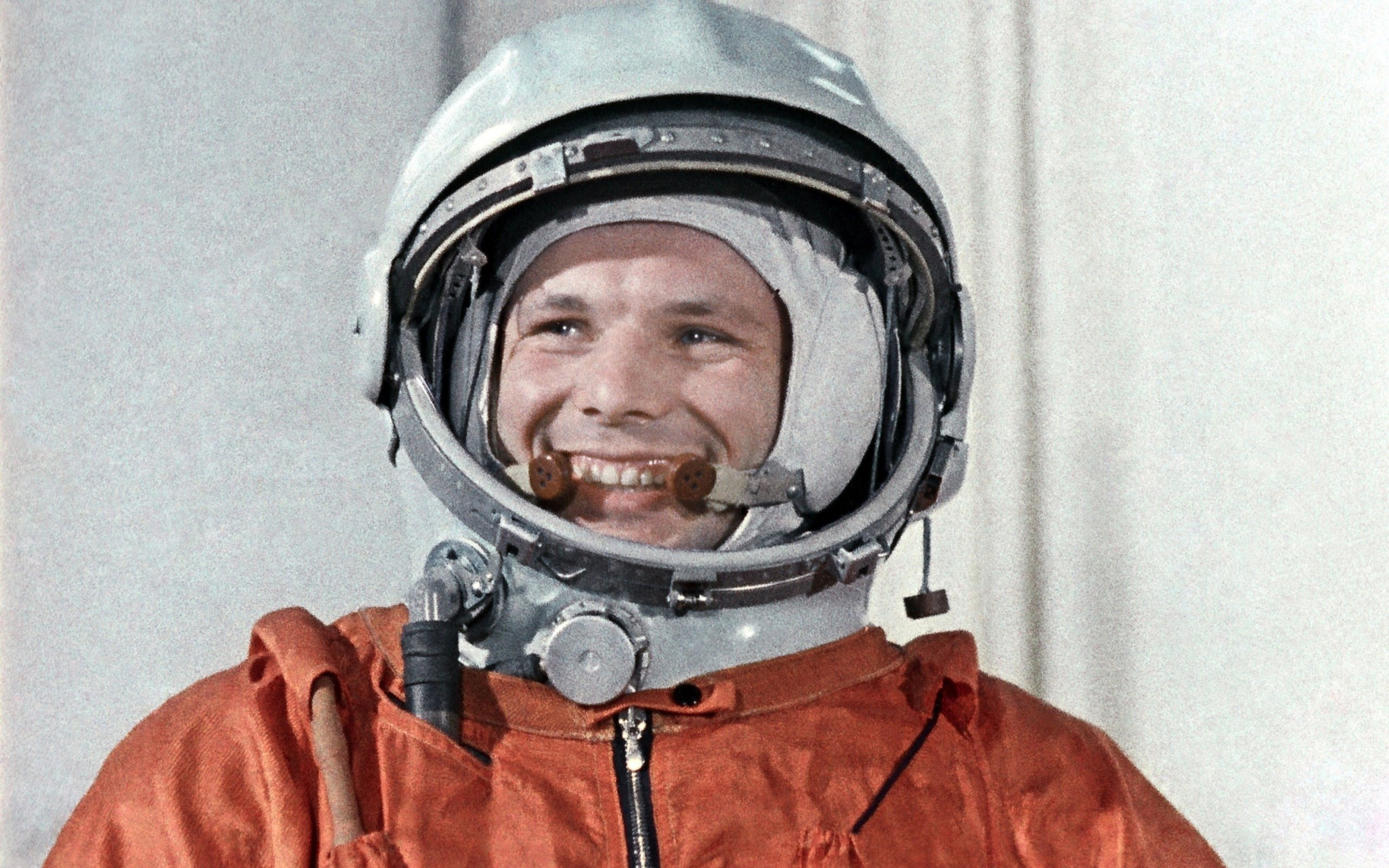
On April 12, 1961, a 27-year-old Soviet pilot rode a modified ICBM into orbit and came back alive after 108 minutes. Exactly twenty years later, two Americans climbed aboard an untested spacecraft covered in 31,000 ceramic tiles and bet their lives that the math was right.