


X Report 11 Nov 2024
SpaceX to launch Koreasat-6A on a record-tying Falcon 9 flight, and 24 Starlink satellites later today.


Launch Date
March 7, 2009
Launch Site
Launch Pad
SLC17B
Launch Vehicle
Delta 7925-10L
NORAD ID
34382
International Designator
2009-011C
Epoch
Sat, 04 Jul 2026 00:58:13 GMT
Apogee
Calculating...
Perigee
Calculating...
Inclination
28.55°
Right Ascension
30.47°
Eccentricity
Calculating...
Argument of Perigee
143.42°
Period
196.10 min
Mean Motion
7.34 rev/day
Latitude
Calculating...
Longitude
Calculating...
Altitude
Calculating...
Velocity
Calculating...
Name
DELTA 2 R/B(1)
Alternative Name
Delta 339
Type
Status
Owner
BOHB
Country
United States
Constellation
N/A
Related Satellites
Major Events
N/A
1 34382U 09011C 26185.04042896 .00000033 00000-0 66434-2 0 9997
2 34382 28.5542 30.4668 2276101 143.4239 15.1106 7.34320497465053
Source: Celestrak
Length
7
Diameter
2.4
Span
7
Dry Mass
919
Launch Mass
6930
Shape
Cyl + Cone
Radar Cross Section
11.9569
Visual Magnitude
Unknown
Color
Unknown
Material Composition
Unknown
Payload
Delta SSPS AJ-10-118K
Purpose
Unknown
Mission
Unknown
Manufacturer
BOPBL
Life Expectancy
Unknown
Bus
Delta/0020
Configuration
Unknown
Motor
Unknown
Equipment
Unknown
Power System
Unknown
ADCS
Unknown
Transmitter Frequency
Unknown
Learn more about satellites and other related topics.
SpaceX to launch Koreasat-6A on a record-tying Falcon 9 flight, and 24 Starlink satellites later today.

Why this unassuming website has become the backbone of space research for enthusiasts and professionals alike
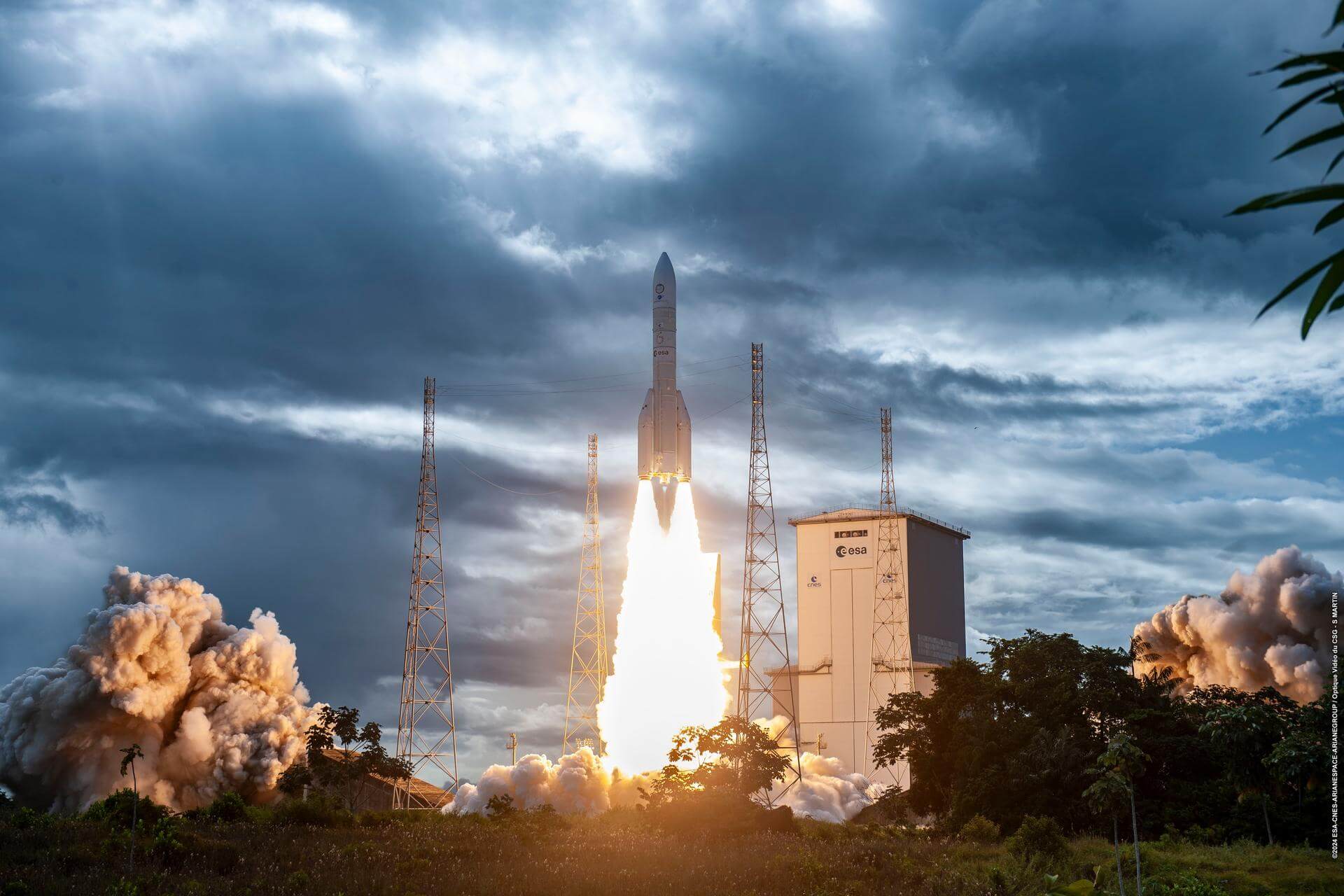
SpaceX launches Starlink satellites from both coasts, while first 3D atmospheric map of an exoplanet reveals extreme weather patterns, and Starlink missions push total count over 8,000 satellites.
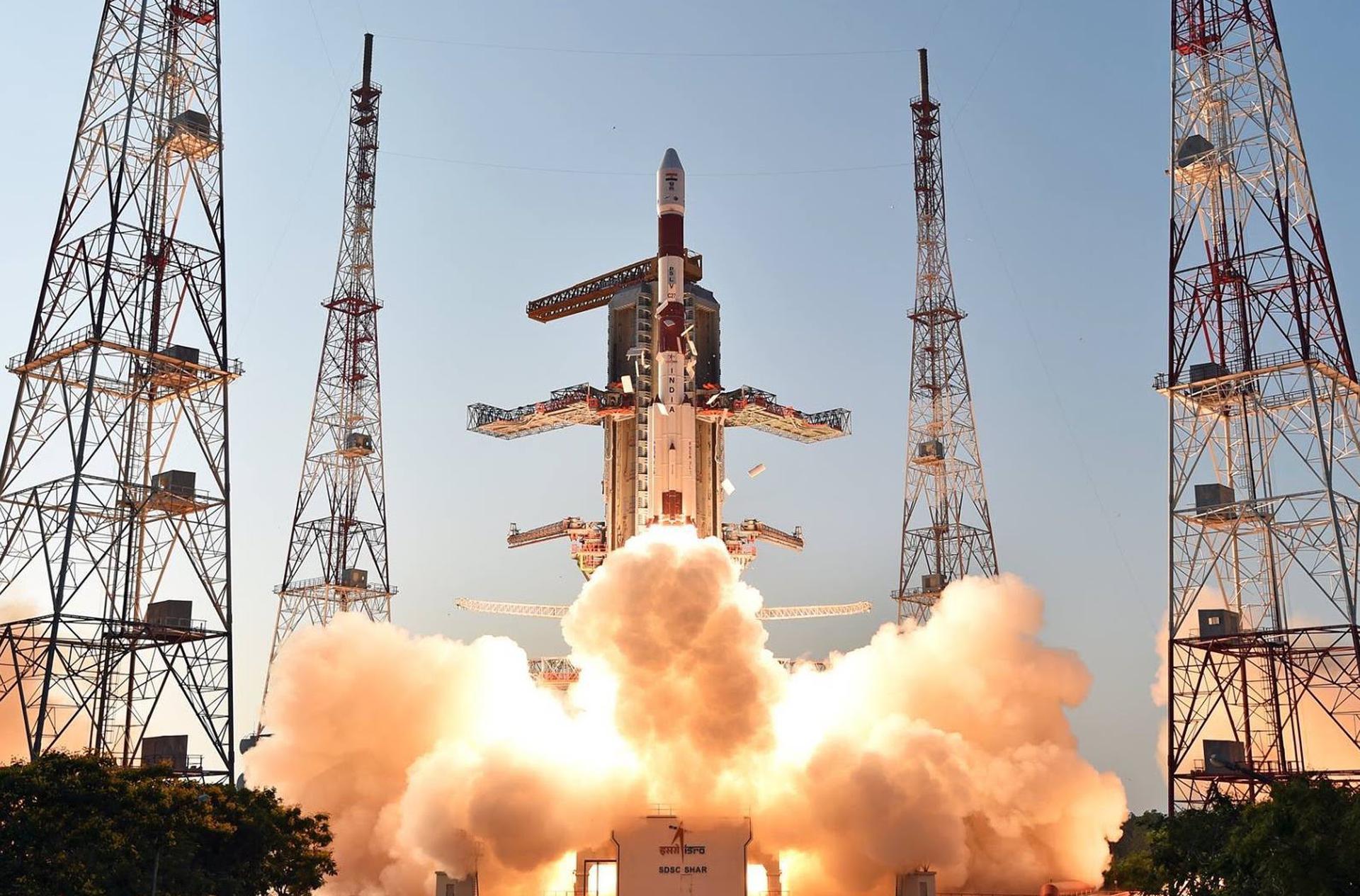
Today's highlights include China's latest satellite launches, Blue Origin's expansion plans, and Purdue University's groundbreaking suborbital mission with Virgin Galactic.

Today's highlights include ExoMars' successful parachute test, developments in military satellite systems, and leadership changes at NASA Goddard.
Today's Space Brief covers major developments including the public debut of Voyager Technologies, advancements in defense by Sierra Space, and Pentagon's mega-constellation challenges. Also featured are new software selections by the Space Force and legislative actions on acquisition pilots.
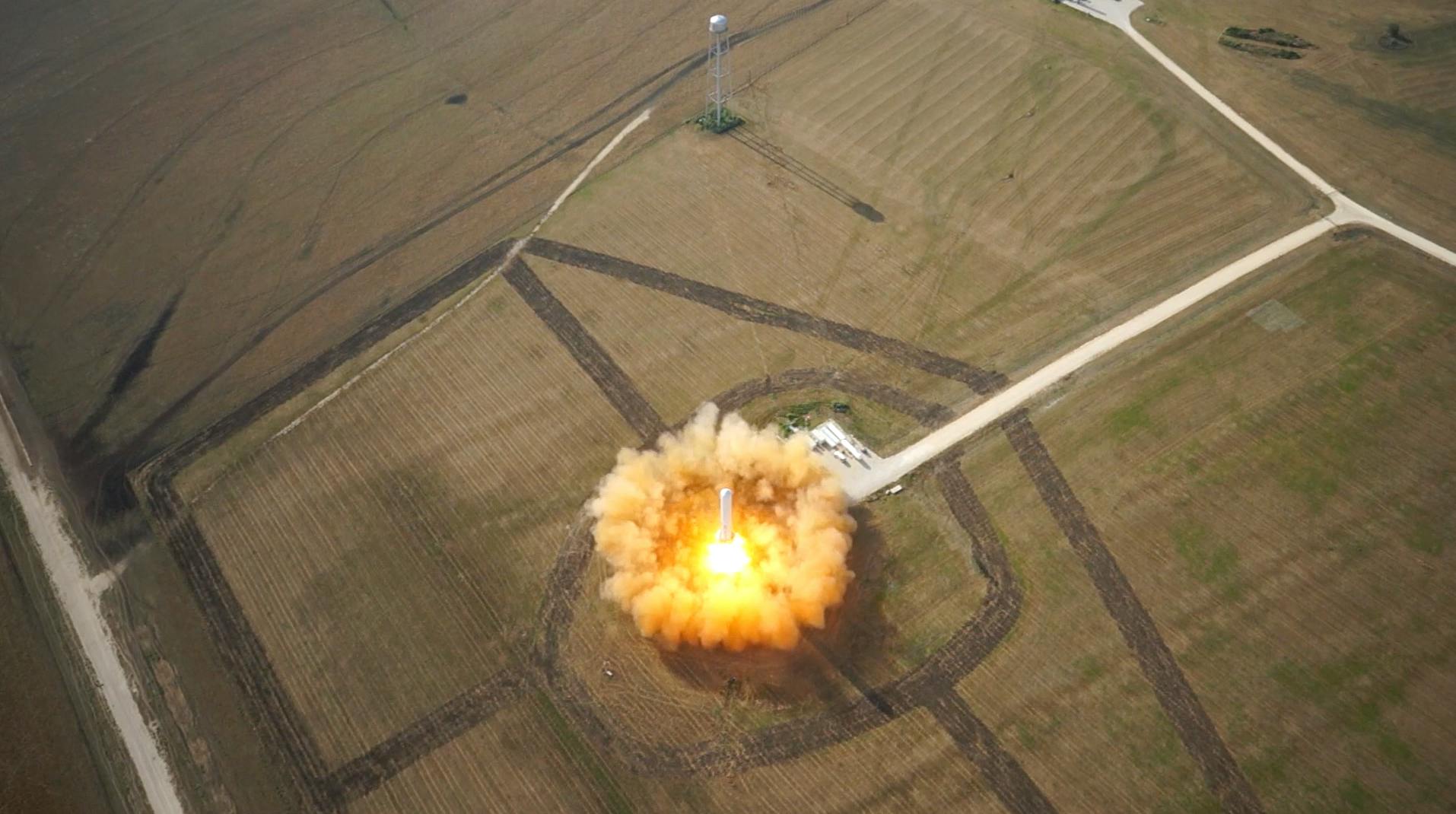
SpaceX achieves significant milestones with Starship and multiple launch missions, while Starlink connectivity expands through T-Mobile's beta program.
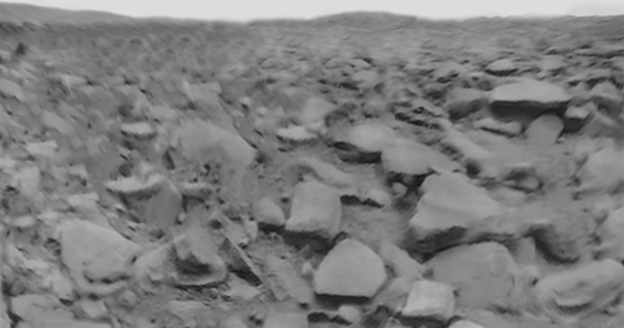
On December 15, 1970, a battered Soviet probe accomplished something no spacecraft had done before - it survived landing on another world and lived to tell about it.