


Iran Struck U.S. Aircraft Despite 'Maxed Out' Defense | KeepTrack Space Brief
Iran successfully struck U.S. aircraft in Saudi Arabia despite maxed-out defensive posture. Space Force ISR and missile warning gaps exposed. Tracking impacts.



Launch Date
June 16, 1993
Launch Site
PLMSC
Launch Pad
LC132/1
Launch Vehicle
Kosmos 11K65M
NORAD ID
34301
International Designator
1993-036MX
Epoch
Sat, 04 Jul 2026 06:38:12 GMT
Apogee
Calculating...
Perigee
Calculating...
Inclination
74.00°
Right Ascension
118.19°
Eccentricity
Calculating...
Argument of Perigee
161.15°
Period
96.25 min
Mean Motion
14.96 rev/day
Latitude
Calculating...
Longitude
Calculating...
Altitude
Calculating...
Velocity
Calculating...
Name
COSMOS 2251 DEB
Alternative Name
deb Kosmos-2251
Type
Status
Owner
KVR
Country
Russia
Constellation
N/A
Related Satellites
Major Events
N/A
1 34301U 93036MX 26185.27653235 .00042805 00000-0 37848-2 0 9998
2 34301 74.0016 118.1933 0011808 161.1482 350.9772 14.96053679914331
Source: Celestrak
Length
0
Diameter
0
Span
0
Dry Mass
0
Launch Mass
0
Shape
N/A
Radar Cross Section
0.028
Visual Magnitude
Unknown
Color
Unknown
Material Composition
Unknown
Payload
Unknown
Purpose
Unknown
Mission
Unknown
Manufacturer
Unknown
Life Expectancy
Unknown
Bus
Unknown
Configuration
Unknown
Motor
Unknown
Equipment
Unknown
Power System
Unknown
ADCS
Unknown
Transmitter Frequency
Unknown
Learn more about satellites and other related topics.
Iran successfully struck U.S. aircraft in Saudi Arabia despite maxed-out defensive posture. Space Force ISR and missile warning gaps exposed. Tracking impacts.
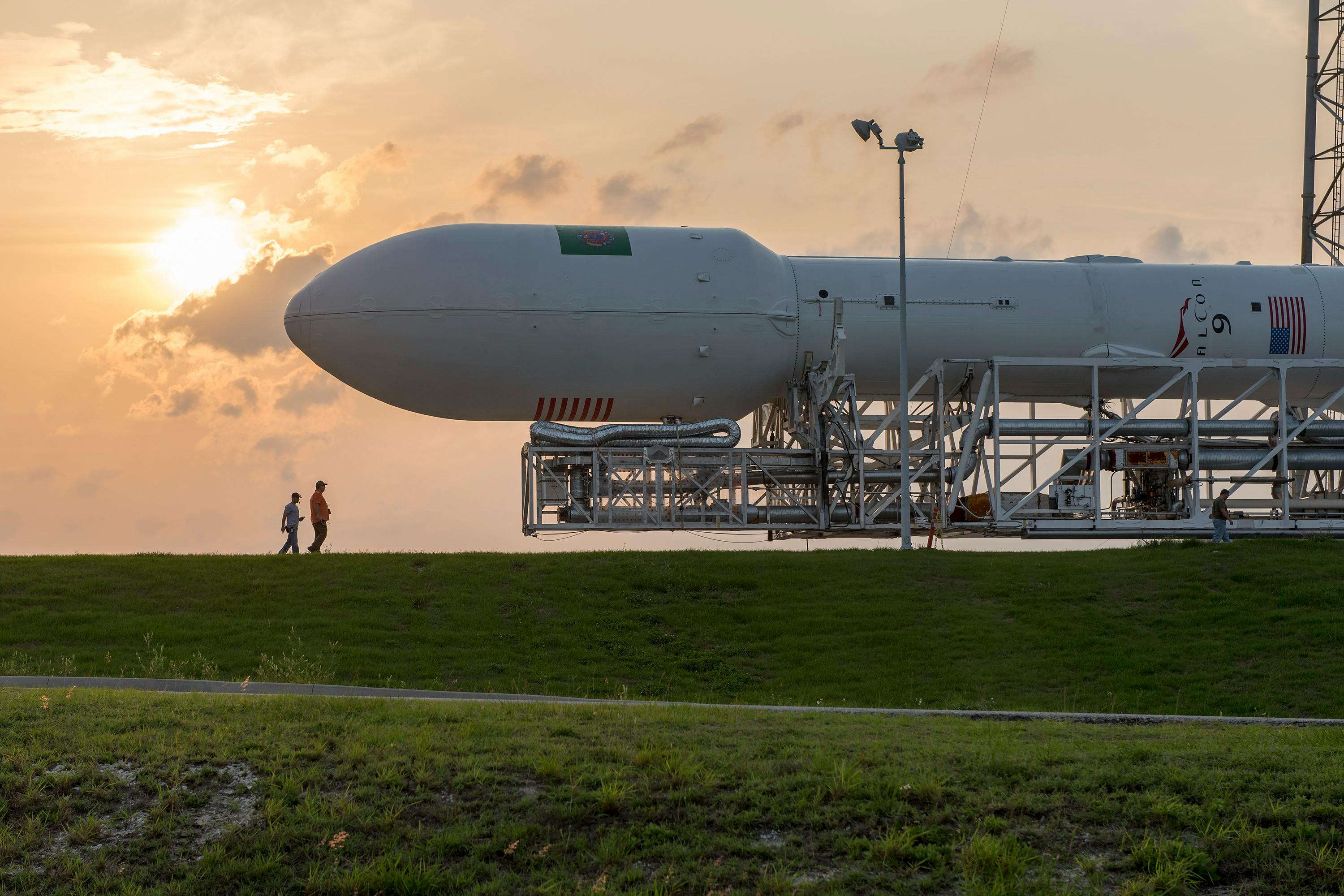
SpaceX's Falcon 9 delivered Northrop Grumman's second Cygnus XL — carrying over 5 tons of cargo — to the ISS on April 11, 2026.

Space Force sees strategic value in asteroid mining. Congress pushes back on R-GPS phase-out over jamming risks. BlackSky expands Gen 3 defense contracts.
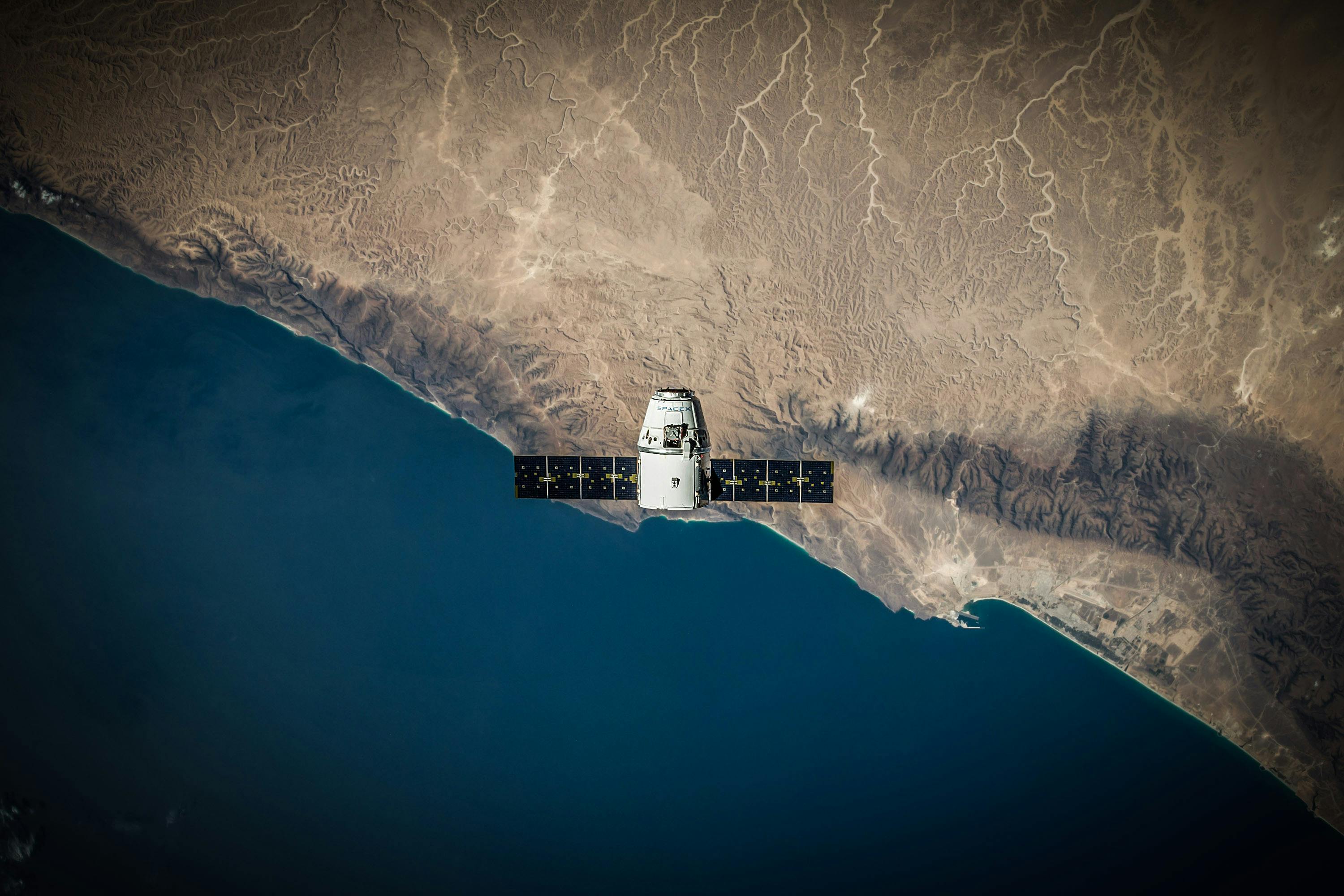
SpaceX successfully launched 23 Starlink satellites while facing delays in launching the Axiom Space mission due to a propellant leak. Additionally, new US broadband rules favor Starlink's expansion into rural markets.

Johns Hopkins researchers use seismic networks to track space debris in near real-time. Pentagon faces Golden Dome production scale challenges. SpaceX launches 25 Starlink sats in seventh 2026 mission.
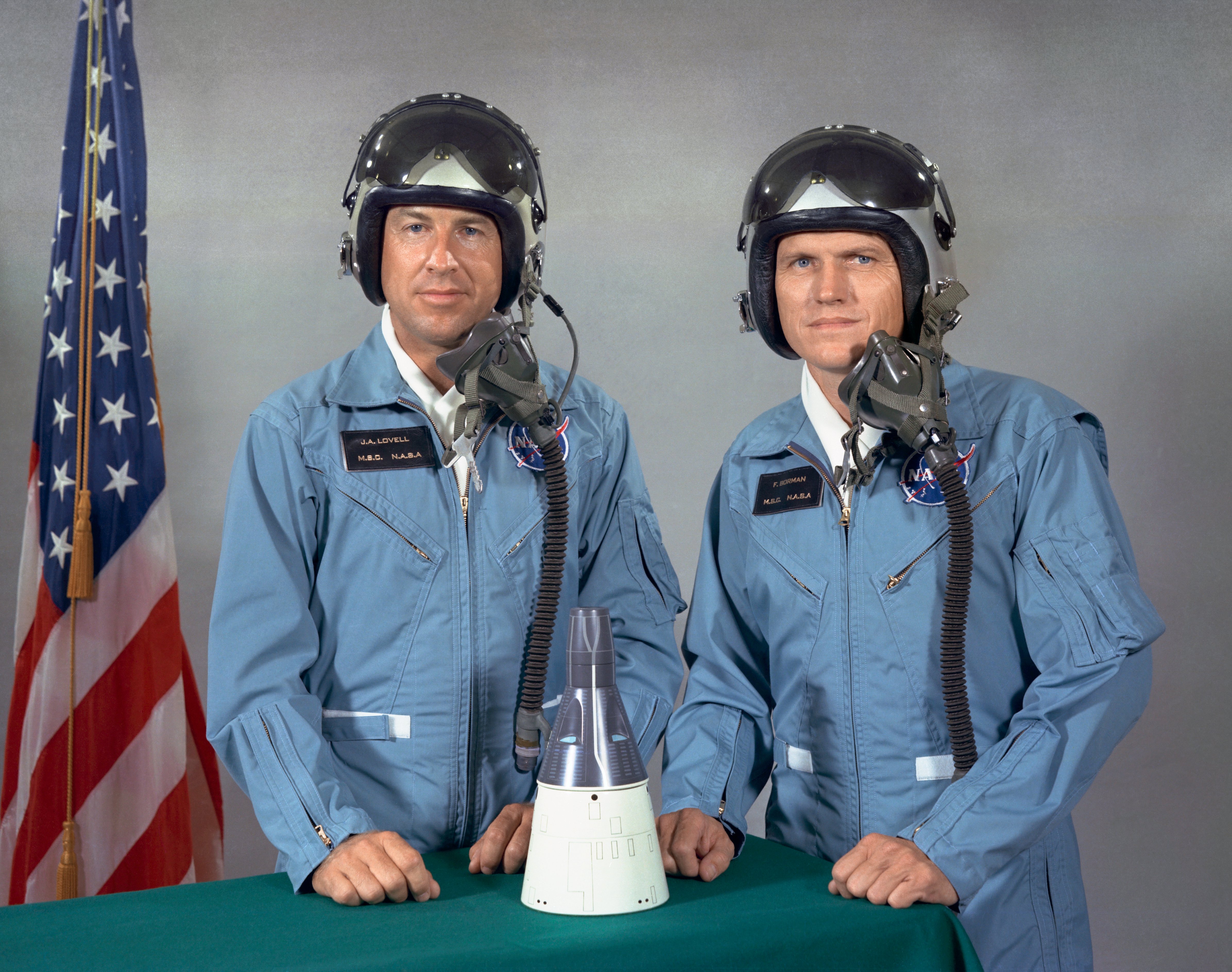
Sixty years ago, Frank Borman and James Lovell launched aboard Gemini 7 for a grueling 14-day mission that would prove humans could endure the journey to the moon and achieve the first true rendezvous in space

Today's briefing covers Iceye's new aerospace service for defense clients, ESA's plan for dual-use satellites, and key defense agreements impacting satellite technology.
Today's Space Brief covers major developments including the public debut of Voyager Technologies, advancements in defense by Sierra Space, and Pentagon's mega-constellation challenges. Also featured are new software selections by the Space Force and legislative actions on acquisition pilots.