


X Report 1 May 2025
SpaceX launches diabetes research mission to ISS; EU considers SES for Starlink support; Amazon's Kuiper enters satellite race.



Launch Date
April 15, 1992
Launch Site
FRGUI
Launch Pad
ELA2
Launch Vehicle
Ariane 44L
NORAD ID
34178
International Designator
1992-021U
Epoch
Sat, 25 Oct 2025 10:10:54 GMT
Apogee
Calculating...
Perigee
Calculating...
Inclination
3.99°
Right Ascension
41.85°
Eccentricity
Calculating...
Argument of Perigee
47.77°
Period
641.46 min
Mean Motion
2.24 rev/day
Latitude
Calculating...
Longitude
Calculating...
Altitude
Calculating...
Velocity
Calculating...
Name
ARIANE 44L+ DEB
Alternative Name
deb Ariane V50
Type
Status
Owner
AE
Country
France
Constellation
N/A
Related Satellites
Major Events
N/A
1 34178U 92021U 25297.42424550 -.00000282 00000-0 -16992-1 0 9990
2 34178 3.9892 41.8515 7033344 47.7735 1.3562 2.24488068162656
Source: Celestrak
Length
0
Diameter
0
Span
0
Dry Mass
0
Launch Mass
0
Shape
N/A
Radar Cross Section
0.2282
Visual Magnitude
Unknown
Color
Unknown
Material Composition
Unknown
Payload
Unknown
Purpose
Unknown
Mission
Unknown
Manufacturer
Unknown
Life Expectancy
Unknown
Bus
Unknown
Configuration
Unknown
Motor
Unknown
Equipment
Unknown
Power System
Unknown
ADCS
Unknown
Transmitter Frequency
Unknown
Learn more about satellites and other related topics.
SpaceX launches diabetes research mission to ISS; EU considers SES for Starlink support; Amazon's Kuiper enters satellite race.

SpaceX successfully launched the U.S. Space Force's eighth X-37B spaceplane mission while preparing for an upcoming Starship launch. Meanwhile, the company continues to expand its Starlink satellite constellation.

Fifty-four years ago, a Saturn V rocket lifted off carrying three astronauts determined to prove America could still reach the Moon after the near-disaster of Apollo 13
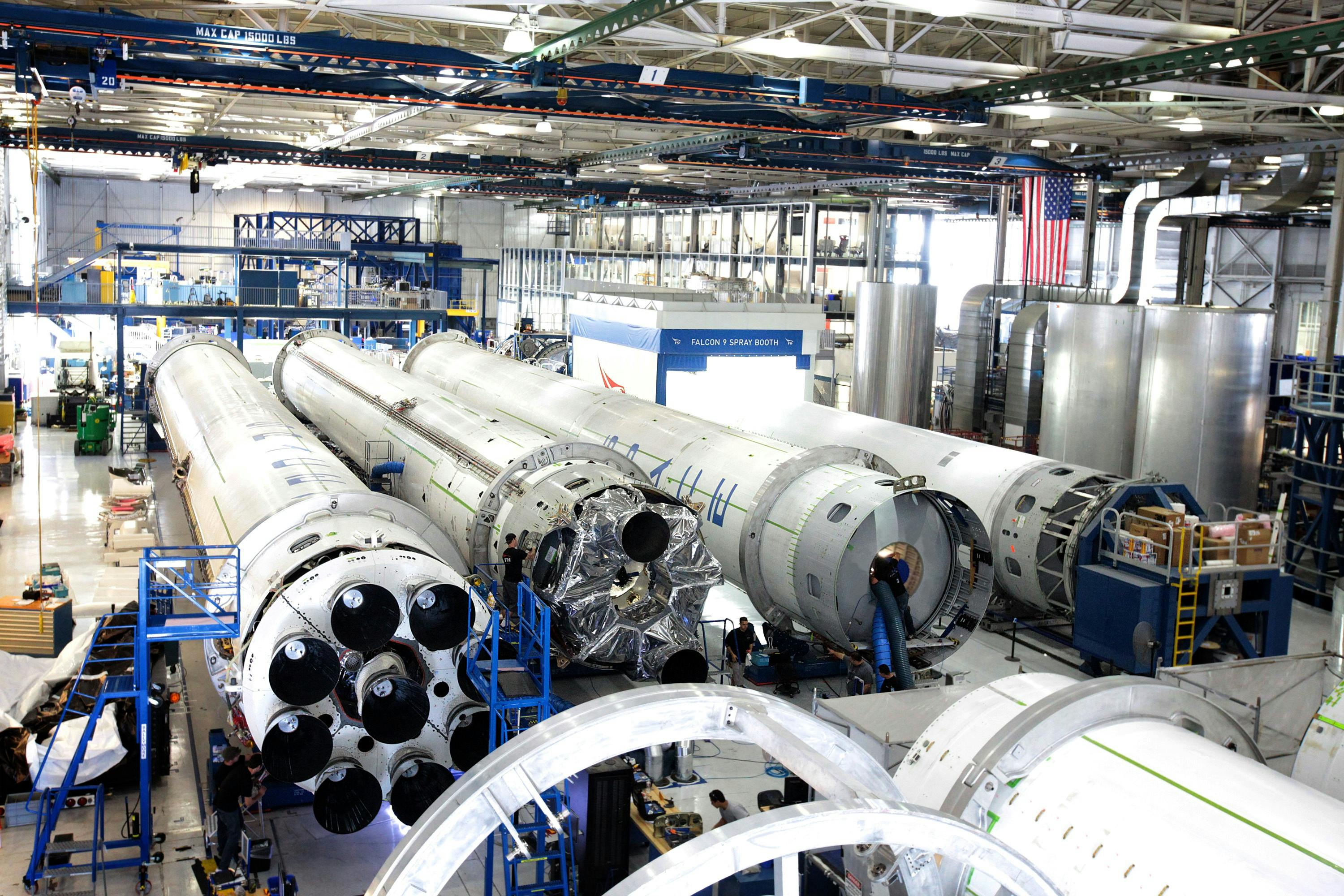
SpaceX wraps up a record-breaking year with successful launches and advancements in Starlink mega-constellation.
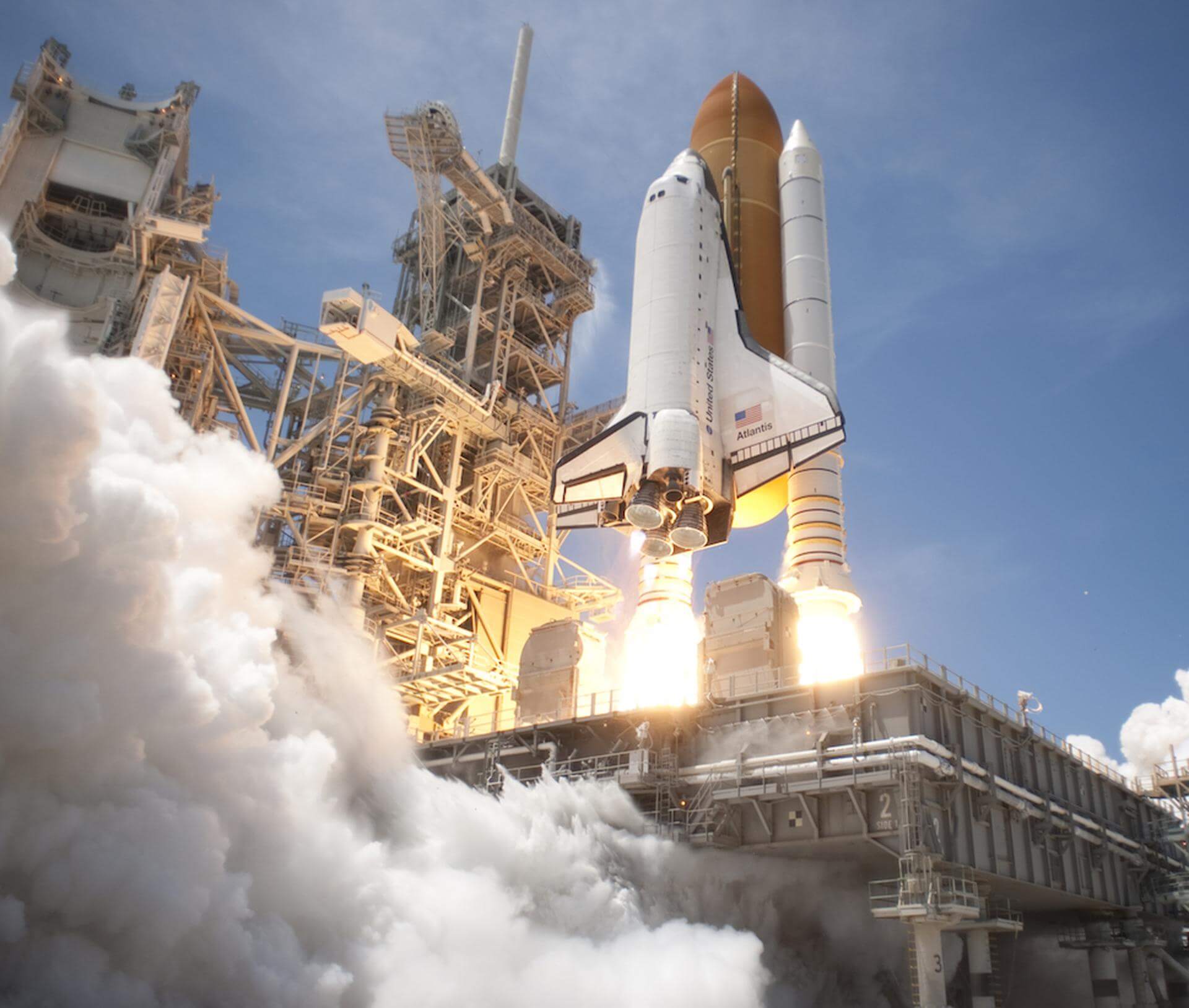
Artemis II crew surpassed Apollo 13's distance record during April 6 lunar flyby. Orion carried 4 astronauts—including Canadian Jeremy Hansen—farther from Earth than any humans.
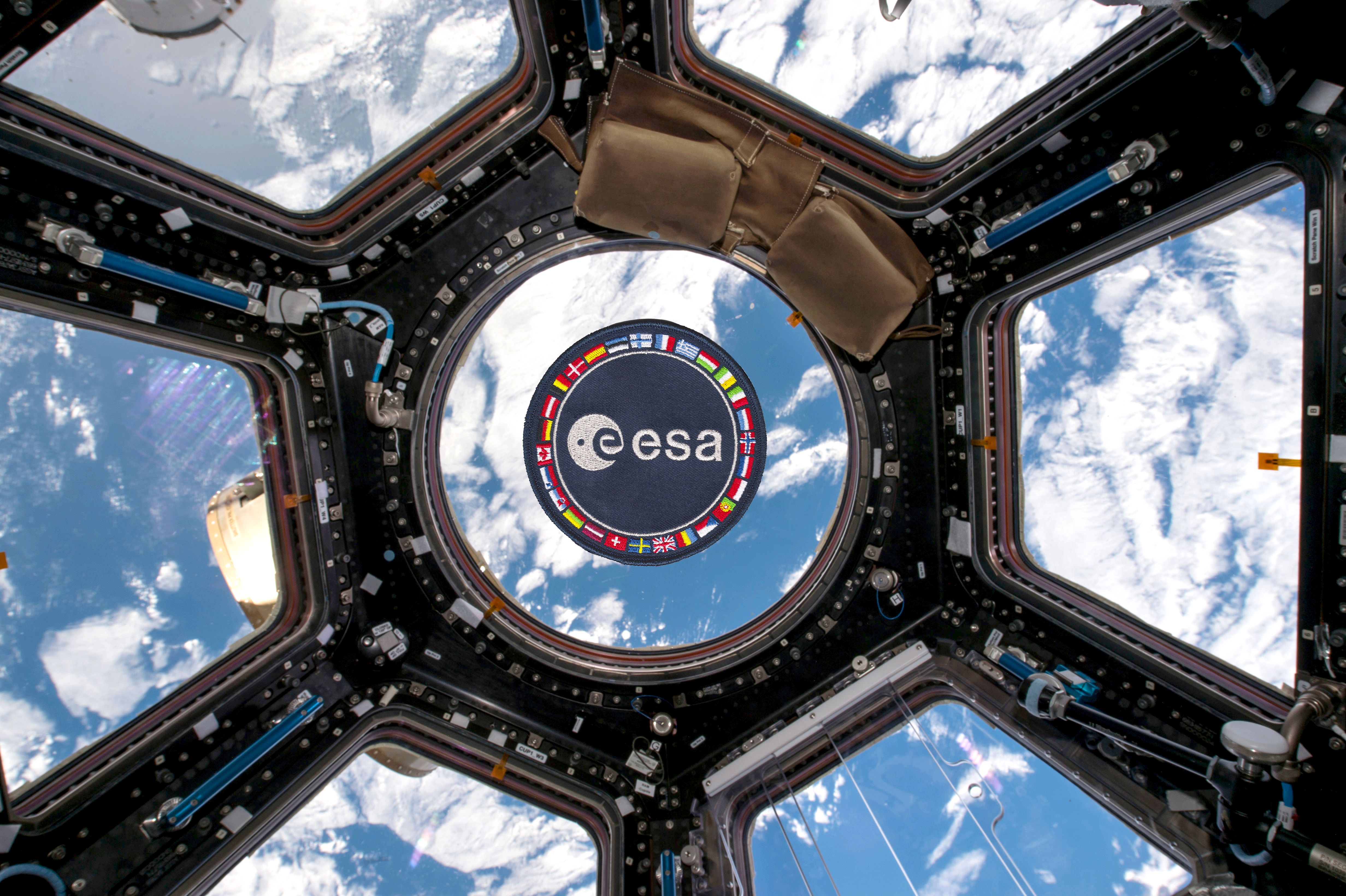
Kratos awarded $447 million Space Force contract for Resilient Missile Warning Tracking ground ops center in Medium Earth Orbit, shifting missile detection away from vulnerable GEO satellites.

Hanwha Systems in talks with MDA Space and Telesat for South Korean defense satellite constellation. SpaceX preps GPS satellite launch for Space Force. Seismic networks now track space junk reentry.

Space debris poses a mounting threat to both satellites and space missions. As we send more objects into orbit, the likelihood of collisions and subsequent breakups producing dangerous space debris increases. Recognizing the major events that have generated this dangerous space junk is pivotal in ensuring the safety of future space missions.