COSMOS 2251 DEB (33931)

COSPAR: 1993-036EL | Alt Name: deb Kosmos-2251
DECAYED

Image
COSMOS 2251 DEB Satellite Image
Additional Sources
Launch Details

Launch Date

June 16, 1993

Launch Site

PLMSC

Launch Pad

LC132/1

Launch Vehicle

Kosmos 11K65M

Orbital Elements

NORAD ID

33931

International Designator

1993-036EL

Decay Date

10/11/2025

Basic Satellite Info

Name

COSMOS 2251 DEB

Alternative Name

deb Kosmos-2251

Type

Debris

Status

Space Junk

Owner

KVR

Country

Russia

Constellation

N/A

Related Satellites

Major Events

N/A

Summary
Space debris, also known as space junk, encompasses all non-functional objects orbiting Earth such as defunct satellites, spent rocket stages, and fragments from collisions or disintegrations. Over time, this debris can accumulate and create an increasingly hazardous environment in orbit. Even tiny fragments, traveling at extremely high velocities, can inflict significant damage on operational satellites and spacecraft. If left unmanaged, the density of debris raises the risk of catastrophic collisions and further fragmentation, compounding the problem and threatening the safety and sustainability of space activities.
Physical Characteristics

Length

0

Diameter

0

Span

0

Dry Mass

0

Launch Mass

0

Shape

N/A

Radar Cross Section

0.0983

Visual Magnitude

Unknown

Color

Unknown

Material Composition

Unknown

Technical Details

Payload

Unknown

Purpose

Unknown

Mission

Unknown

Manufacturer

Unknown

Life Expectancy

Unknown

Bus

Unknown

Configuration

Unknown

Motor

Unknown

Equipment

Unknown

Power System

Unknown

ADCS

Unknown

Transmitter Frequency

Unknown

Satellite Articles

View All Posts »

Learn more about satellites and other related topics.

SpaceX Wins $2.29B Space Force LEO Comms Contract | KeepTrack Space Brief

SpaceX Wins $2.29B Space Force LEO Comms Contract | KeepTrack Space Brief

SpaceX awarded $2.29 billion to build Space Force's LEO communications backbone, integrating with SDA Transport layer satellites for military tactical data relay through space.

Space Brief 10 Sep 2025

Space Brief 10 Sep 2025

Today's highlights include China's launch of a mystery spysat, Maxar's terrain data for U.S. Army systems, and multiple U.S. defense firms enhancing satellite capabilities.

The Day a Car Started Its Journey to the Stars

The Day a Car Started Its Journey to the Stars

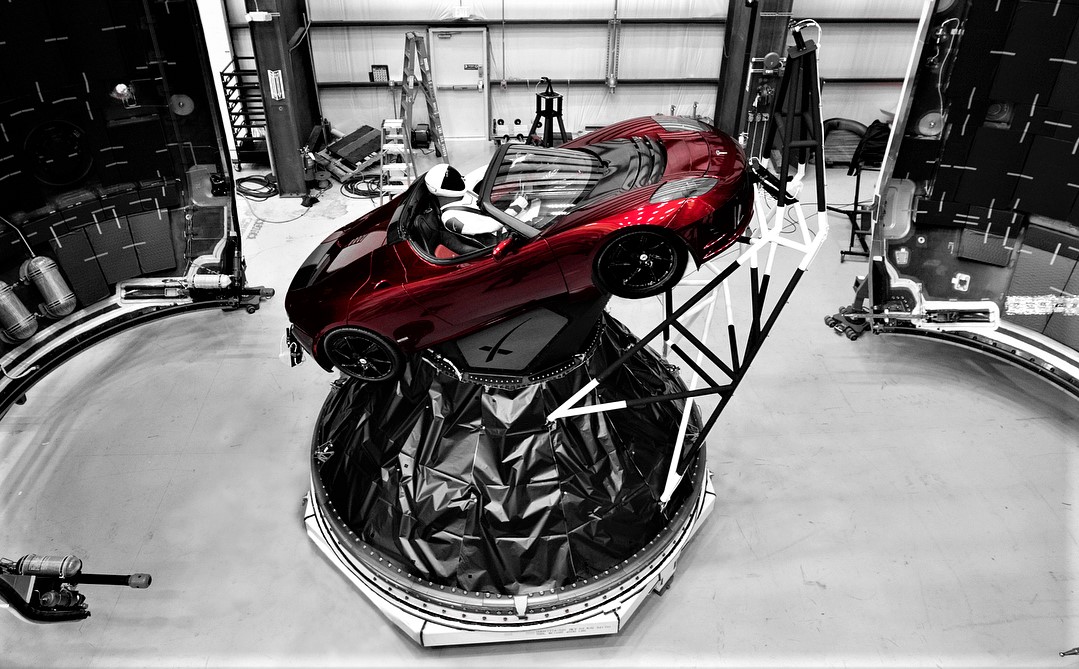
Seven years ago, SpaceX revolutionized spaceflight by launching the most powerful operational rocket in the world, carrying with it a cherry-red Tesla Roadster that captured global imagination

Space Force Eyes 30,000 Satellites by 2040 | KeepTrack Space Brief

Space Force Eyes 30,000 Satellites by 2040 | KeepTrack Space Brief

Space Force projects 30,000-satellite orbital architecture by 2040 amid combat integration revelations. Gen. Saltzman confirms space operations were critical in Iran conflict.

NRO Adds 3 New Partners to Commercial Imaging Program | KeepTrack Space Brief

NRO Adds 3 New Partners to Commercial Imaging Program | KeepTrack Space Brief

NRO expands commercial imaging with HEO, SatVu, and Sierra Nevada. ChatGPT rolls out to 3 million military users via GenAI.mil. C-130J deliveries paused.

Starship V3 Flight 12 Four Weeks Out, X Report 11 Mar 2026

Starship V3 Flight 12 Four Weeks Out, X Report 11 Mar 2026

Starship V3 timeline: Musk puts Flight 12 about 4 weeks out, early to mid April 2026. SpaceX also hit 30 missions of 2026 with the 15,000-lb EchoStar 25.

STS-30 | When Atlantis Sent a Radar to Venus

STS-30 | When Atlantis Sent a Radar to Venus

On May 4, 1989, Space Shuttle Atlantis lifted off from LC-39B carrying Magellan, NASA's first interplanetary mission since 1978. The eleven-year drought ended in a payload bay, and the radar that emerged would map ninety-eight percent of Venus through clouds that no camera could ever see through.

Space Brief 17 Jan 2025

Space Brief 17 Jan 2025

Today's brief covers developments involving Space Force officials, Sierra Space's satellite milestone, and Voyager Space's rebranding for national security focus. Additionally, we spotlight the Cosmos 447 satellite.