

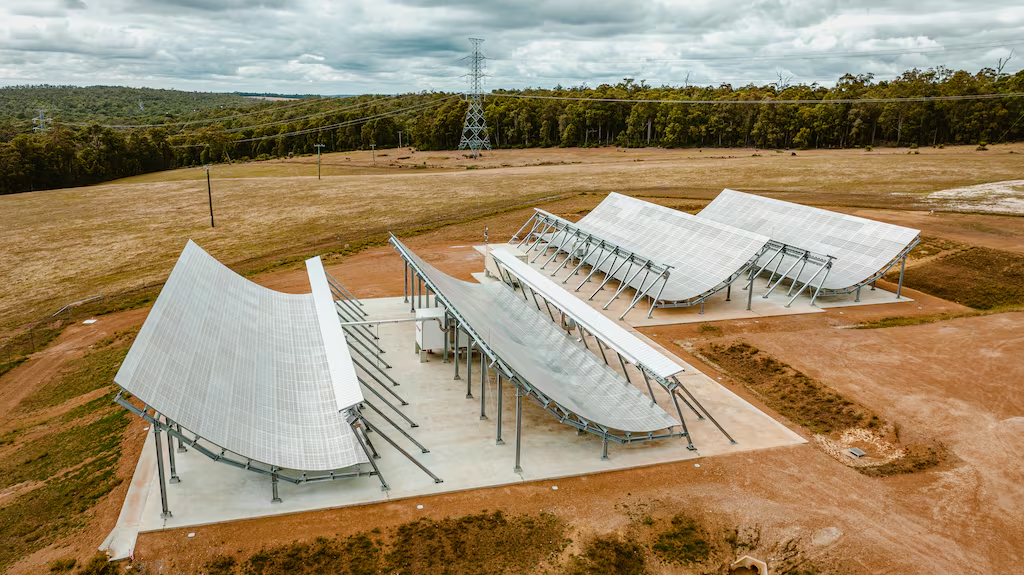
LeoLabs and the Business of Watching Everything
A startup built on Cold War-era radar science now tracks 25,000 objects in orbit - and the Pentagon can't get enough of it. But can its radars really compete with the Space Surveillance Network?



Launch Date
September 14, 1997
Launch Site
Launch Pad
LC81/23
Launch Vehicle
Proton-K/17S40
NORAD ID
33858
International Designator
1997-051AB
Decay Date
10/17/2021
Name
IRIDIUM 33 DEB
Alternative Name
deb Iridium 33
Type
Status
Owner
IRIDS
Country
United States
Constellation
N/A
Related Satellites
Major Events
N/A
Length
0
Diameter
0
Span
0
Dry Mass
0
Launch Mass
0
Shape
N/A
Radar Cross Section
0.083
Visual Magnitude
Unknown
Color
Unknown
Material Composition
Unknown
Payload
Unknown
Purpose
Unknown
Mission
Unknown
Manufacturer
Unknown
Life Expectancy
Unknown
Bus
Unknown
Configuration
Unknown
Motor
Unknown
Equipment
Unknown
Power System
Unknown
ADCS
Unknown
Transmitter Frequency
Unknown
Learn more about satellites and other related topics.
A startup built on Cold War-era radar science now tracks 25,000 objects in orbit - and the Pentagon can't get enough of it. But can its radars really compete with the Space Surveillance Network?

SpaceX lands Falcon 9 in The Bahamas for the second time ever during Starlink 10-34 mission. Scientists measure rocket reentry air pollution in real-time for the first time.

Key updates on strategic military shifts, technological advancements, and a critical replacement mission for Chinese astronauts highlight today's space news.

SpaceX's orbital data center constellation and TERAFAB's $25B AI chip factory spark backlash as Starlink surpasses 10,116 working satellites.
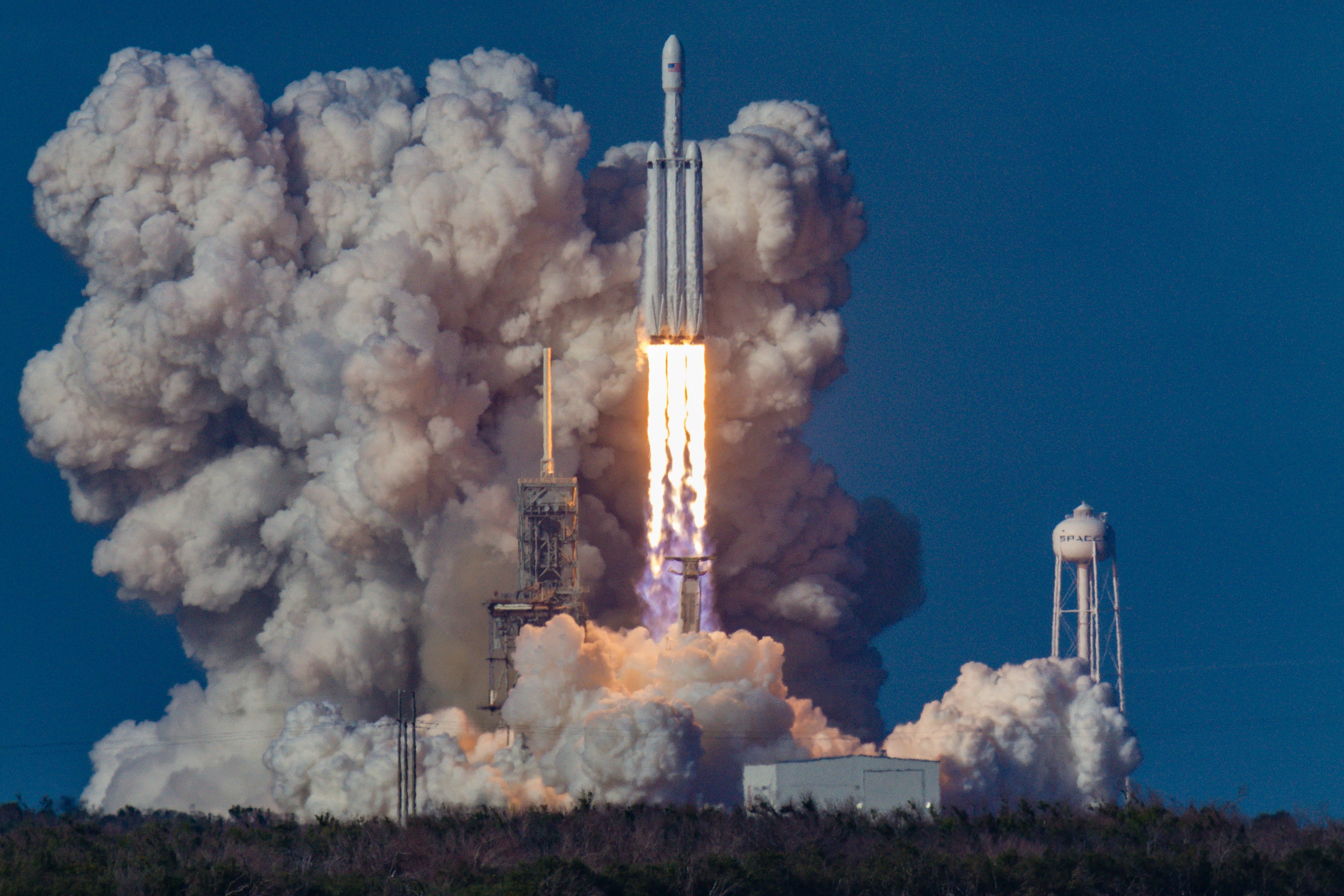
Falcon Heavy completed its 12th flight ever on April 29, ending an 18-month stand-down by lofting the 6-ton ViaSat-3 F3 comsat to GTO.
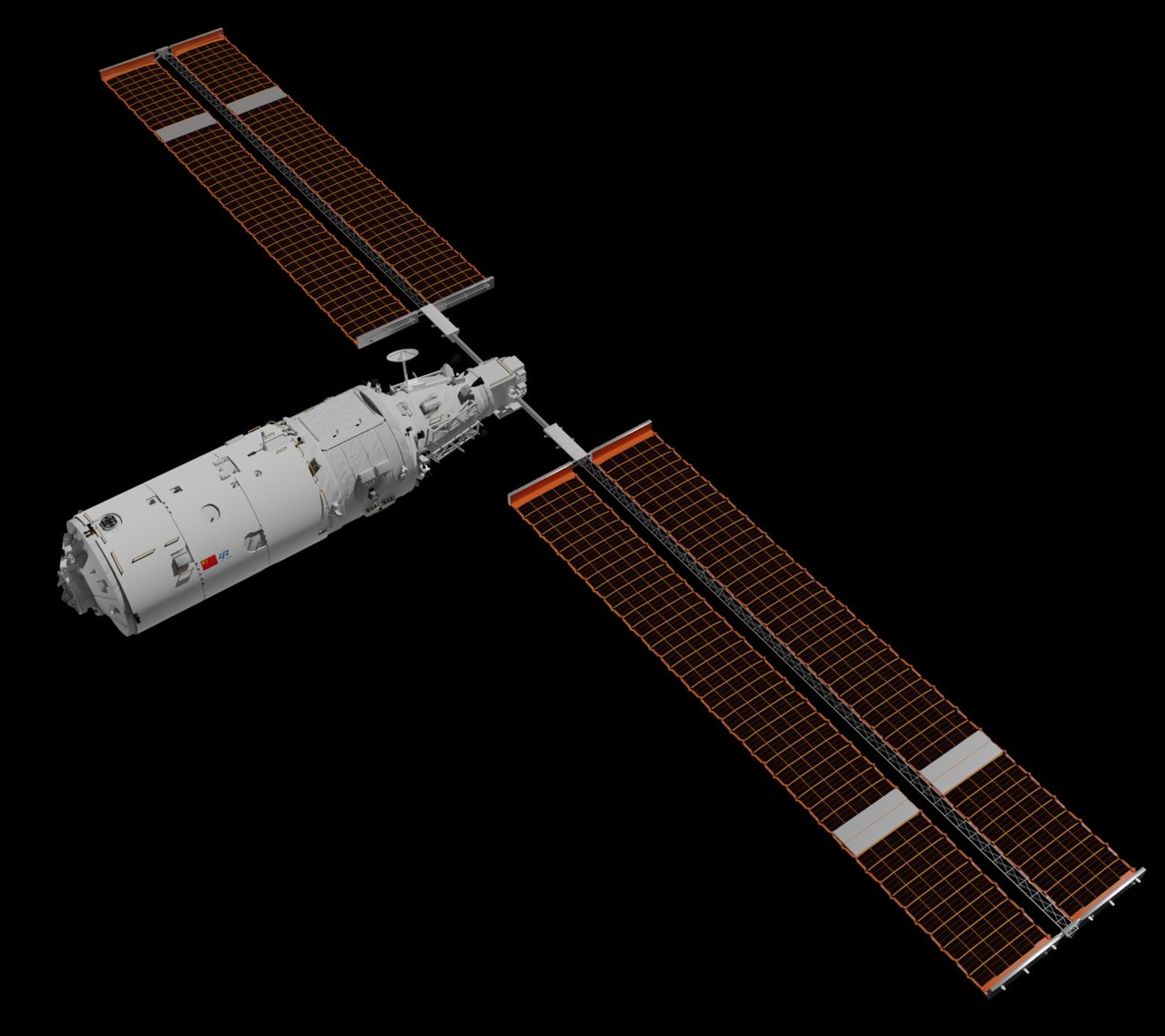
Highlights of the day include the Polaris Dawn mission's splashdown, advances in space traffic management, and intriguing astronomy insights from the cloud's edge.
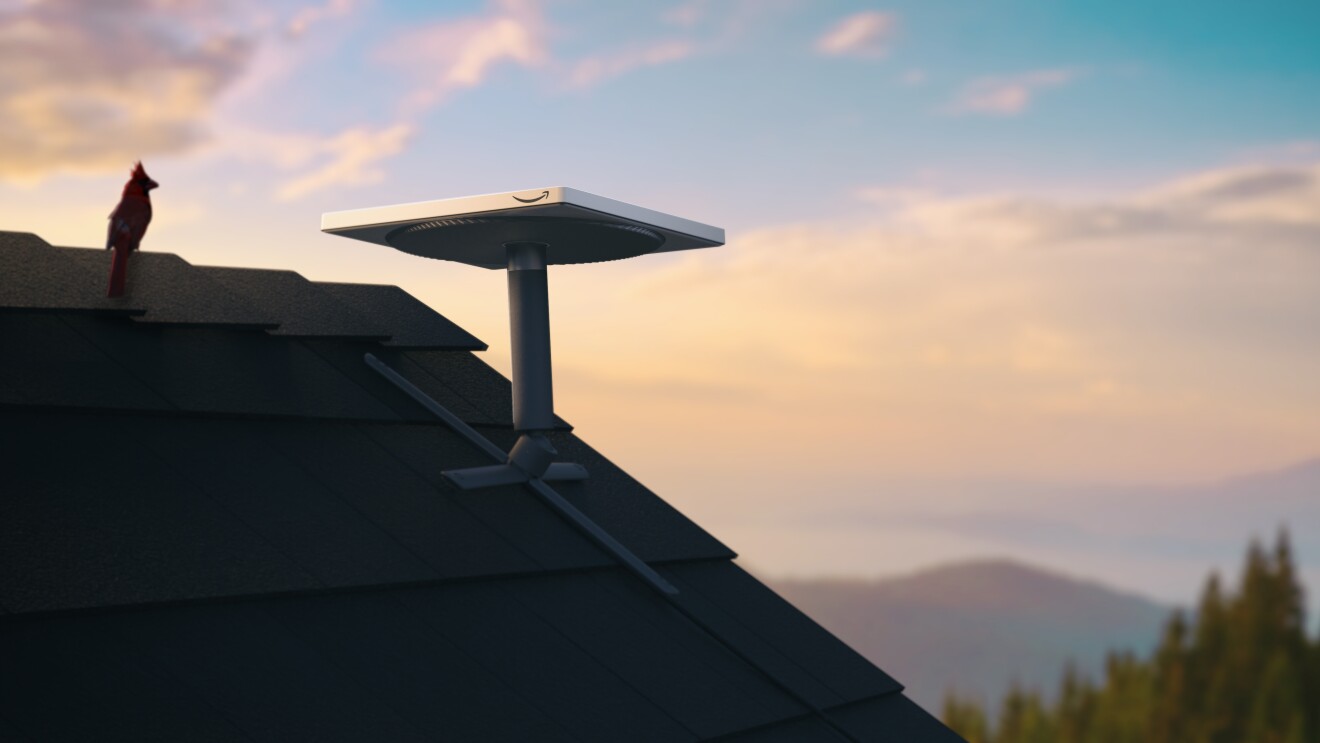
SpaceX launched three Block 2 BlueBird satellites for AST SpaceMobile from Cape Canaveral. Block 2 variants are larger with enhanced capacity compared to Block 1 units already in orbit.

SpaceX achieves a historic rocket reuse milestone and successfully launches NRO satellites, alongside charming interactions during Crew-9 Dragon recovery.