


Space Brief 14 Dec 2024
Today’s Space Brief covers significant developments such as SpaceX’s latest Starlink launch, the US Space Force testing modular satellite technology, and key long-range missile tests by the Pentagon.



Launch Date
May 10, 1999
Launch Site
TAISC
Launch Pad
LC7
Launch Vehicle
Chang Zheng 4B
NORAD ID
33728
International Designator
1999-025DHR
Epoch
Fri, 03 Jul 2026 16:47:26 GMT
Apogee
Calculating...
Perigee
Calculating...
Inclination
98.96°
Right Ascension
274.13°
Eccentricity
Calculating...
Argument of Perigee
281.81°
Period
96.32 min
Mean Motion
14.95 rev/day
Latitude
Calculating...
Longitude
Calculating...
Altitude
Calculating...
Velocity
Calculating...
Name
FENGYUN 1C DEB
Alternative Name
deb FY-1C
Type
Status
Owner
CASC
Country
China
Constellation
N/A
Related Satellites
Major Events
N/A
1 33728U 99025DHR 26184.69961297 .00003674 00000-0 28138-3 0 9993
2 33728 98.9584 274.1315 0141181 281.8085 76.7326 14.95083837 13316
Source: Celestrak
Length
0
Diameter
0
Span
0
Dry Mass
0
Launch Mass
0
Shape
N/A
Radar Cross Section
0.0077
Visual Magnitude
Unknown
Color
Unknown
Material Composition
Unknown
Payload
Unknown
Purpose
Unknown
Mission
Unknown
Manufacturer
Unknown
Life Expectancy
Unknown
Bus
Unknown
Configuration
Unknown
Motor
Unknown
Equipment
Unknown
Power System
Unknown
ADCS
Unknown
Transmitter Frequency
Unknown
Learn more about satellites and other related topics.
Today’s Space Brief covers significant developments such as SpaceX’s latest Starlink launch, the US Space Force testing modular satellite technology, and key long-range missile tests by the Pentagon.

SpaceX achieved significant milestones with the launch of its 500th Falcon 9 rocket and the deployment of a European weather satellite, showcasing its ongoing impact in space exploration and satellite technology.
Today's briefing covers the Space Force's AI integration, new naming conventions for satellites, and updates on military and satellite acquisition strategies.
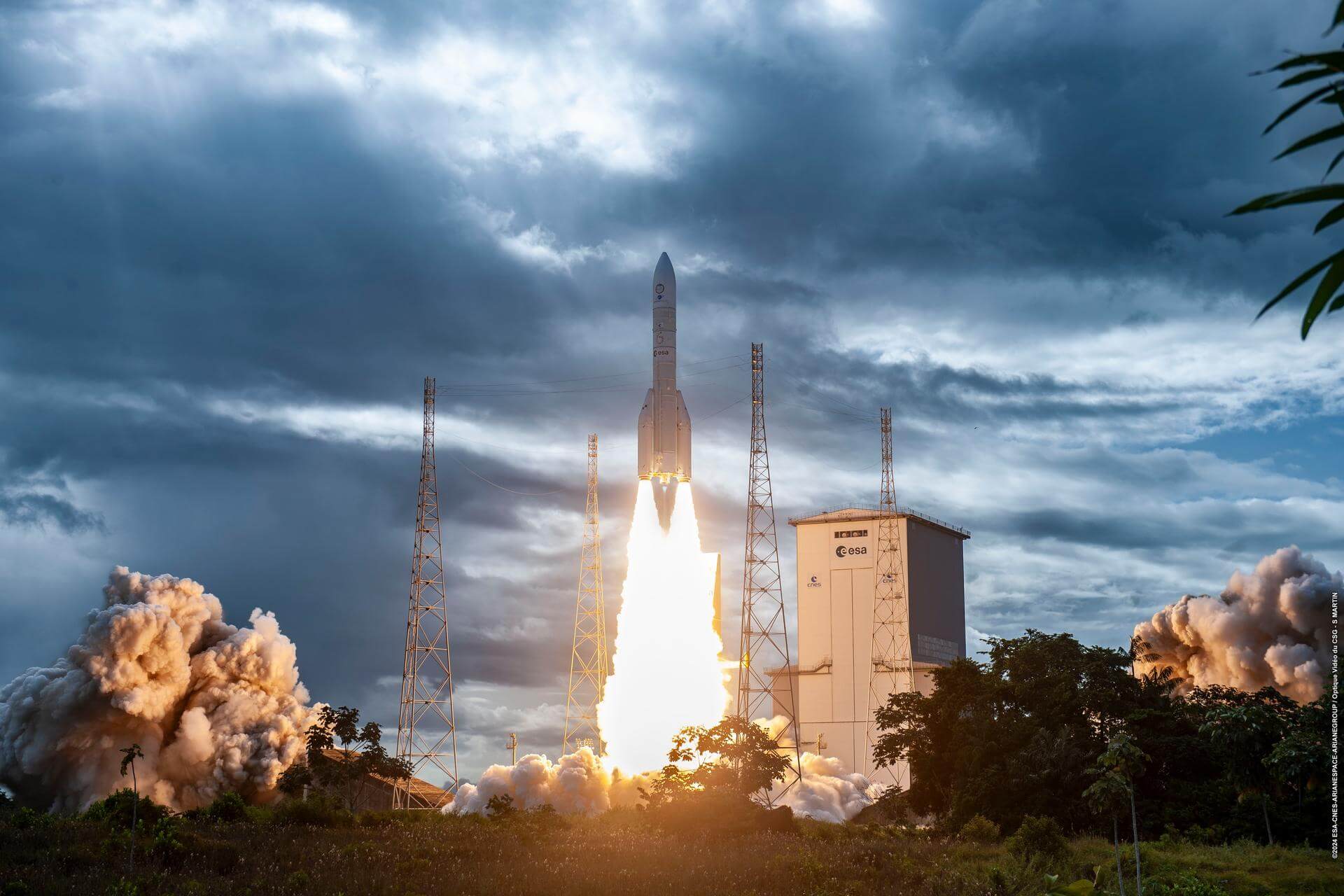
Today's Space Brief covers key developments including U.S. Space Force tech accelerator, SpaceX veterans' startup funding, ULA's expected dominance in national security missions, and new satellite activity.

SpaceX continues to make strides in both its Starship program and Starlink satellite deployments, with a successful launch of 24 Starlink satellites and preparations for upcoming missions.
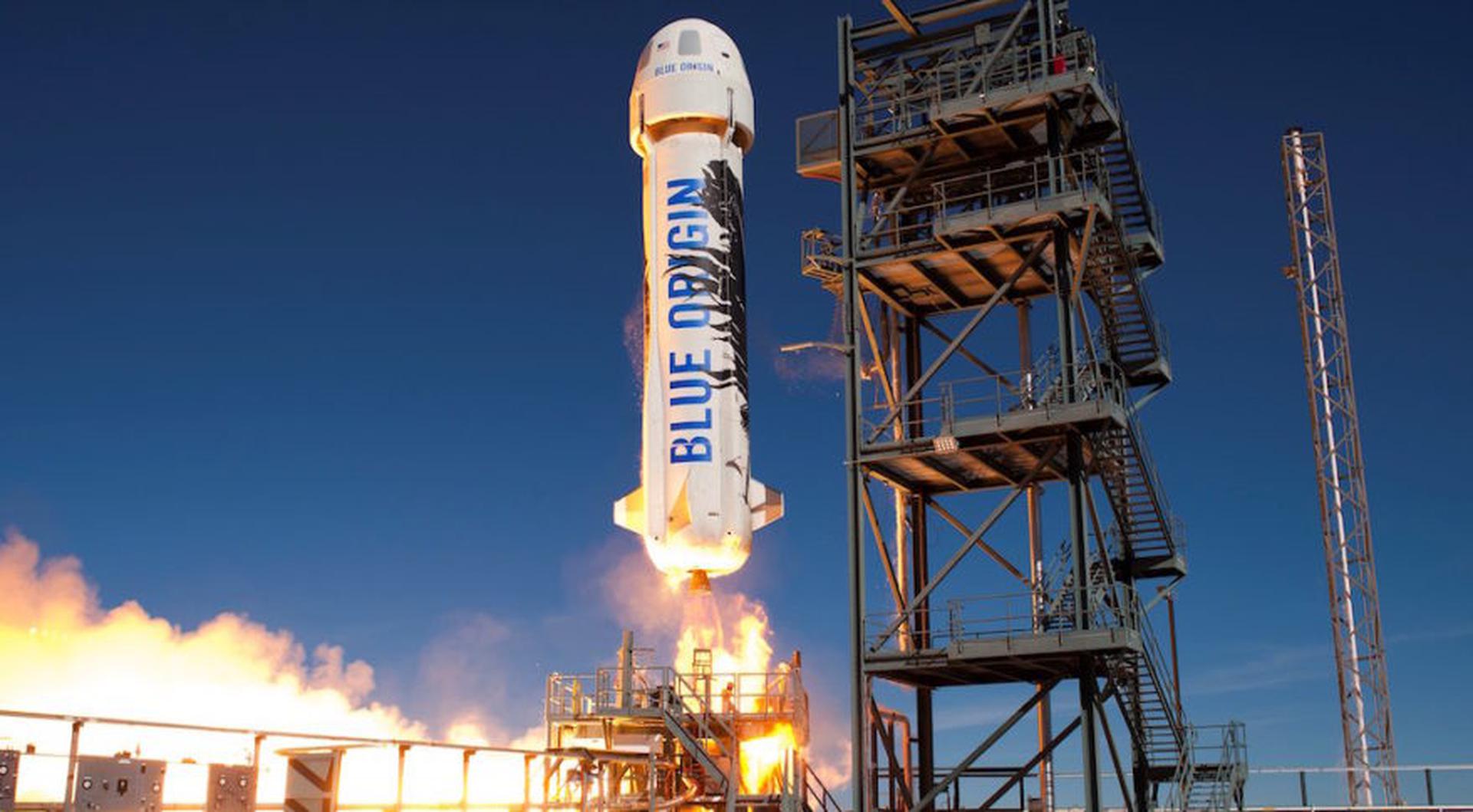
China launches Yaogan spacecraft into unusual orbit and Guowang constellation satellites to start 2026. NASA and DOE plan lunar nuclear reactor by 2030. Space Force switches GPS launch rocket.

GAO flags growing cost problems across Space Force satellite portfolio with workforce reductions compounding risks to missile-warning constellations like NGG and SWAT.
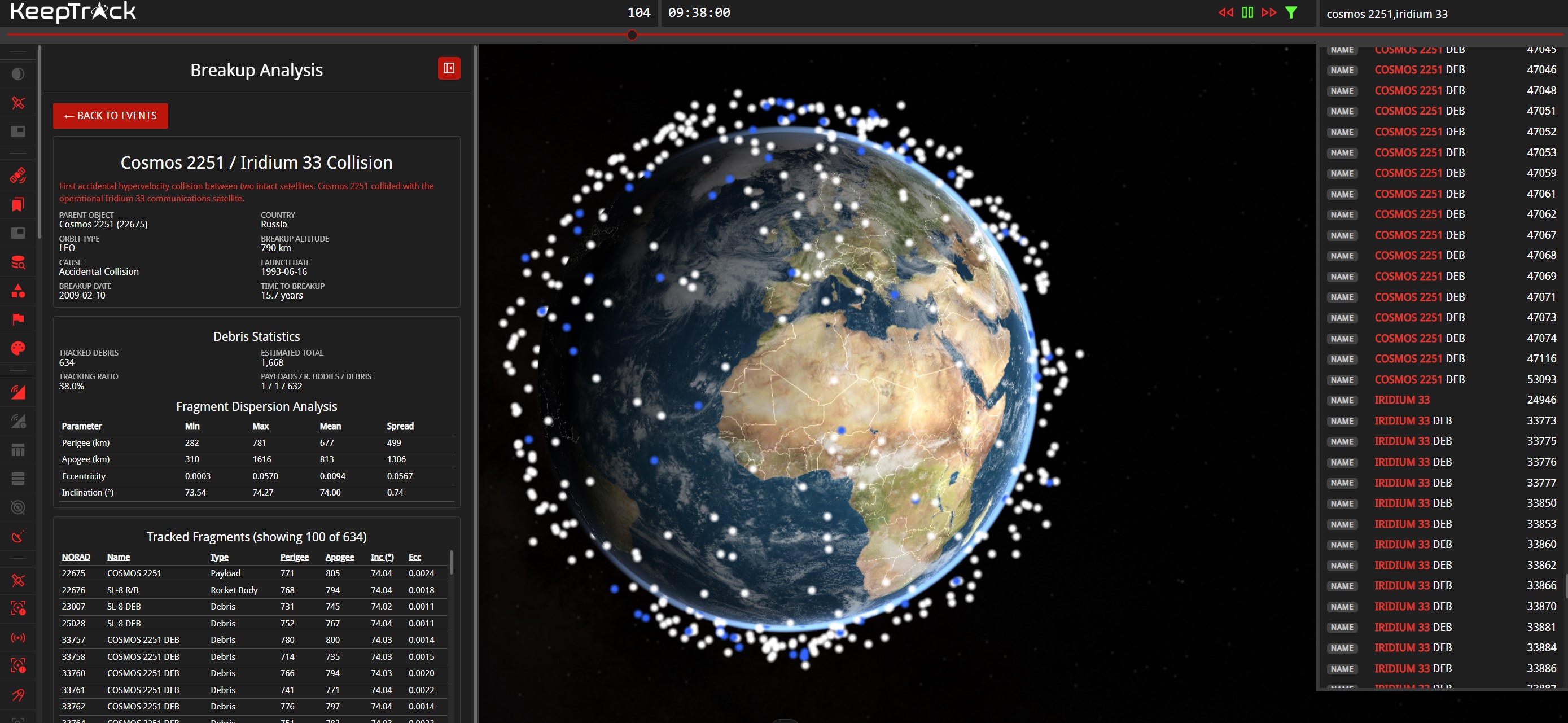
On February 10, 2009, an active Iridium communications satellite and a derelict Soviet military spacecraft slammed into each other 789 kilometers above Siberia. The collision produced more than 2,300 pieces of trackable debris that are still up there. Seventeen years later, the Iridium-Cosmos collision remains the event that made space debris a policy problem the world could no longer ignore.