



Demystifying the USSPACECOM Two-Line Element Set Format
Discover the history and significance of Two-Line Element Sets (TLEs) in satellite tracking. Dive into their components, applications, and how they are evolving to meet future space challenges.


Launch Date
February 11, 2009
Launch Site
Launch Pad
LC200/39
Launch Vehicle
Proton-M/Briz-M
NORAD ID
33596
International Designator
2009-007B
Epoch
Sat, 04 Jul 2026 03:08:29 GMT
Apogee
Calculating...
Perigee
Calculating...
Inclination
10.22°
Right Ascension
52.53°
Eccentricity
Calculating...
Argument of Perigee
354.44°
Period
1452.94 min
Mean Motion
0.99 rev/day
Latitude
Calculating...
Longitude
Calculating...
Altitude
Calculating...
Velocity
Calculating...
Name
EXPRESS-MD1
Alternative Name
Ekspress MD-1
Type
Status
Owner
KS
Country
Russia
Constellation
N/A
Related Satellites
Major Events
N/A
1 33596U 09007B 26185.13089791 .00000019 00000-0 00000-0 0 9992
2 33596 10.2178 52.5338 0010345 354.4427 181.1119 0.99109479 63240
Source: Celestrak
Length
3
Diameter
2
Span
7
Dry Mass
1000
Launch Mass
1140
Shape
Box + 2 Pan
Radar Cross Section
0.003
Visual Magnitude
Unknown
Color
Unknown
Material Composition
Unknown
Payload
Ekspress MD-1
Purpose
Communication
Mission
Communication
Manufacturer
KHRR
Life Expectancy
10 years
Bus
Kazsat
Configuration
Yakhta (mod.)
Motor
Unknown
Equipment
8 C-band-transponders, 1 L-band transponder
Power System
2 deployable solar arrays, batteries
ADCS
Unknown
Transmitter Frequency
Unknown
Learn more about satellites and other related topics.
Discover the history and significance of Two-Line Element Sets (TLEs) in satellite tracking. Dive into their components, applications, and how they are evolving to meet future space challenges.

Today's brief covers significant advancements in space satellite launches, military spending impacts on space, and notable developments from the Space Force and SpaceX.
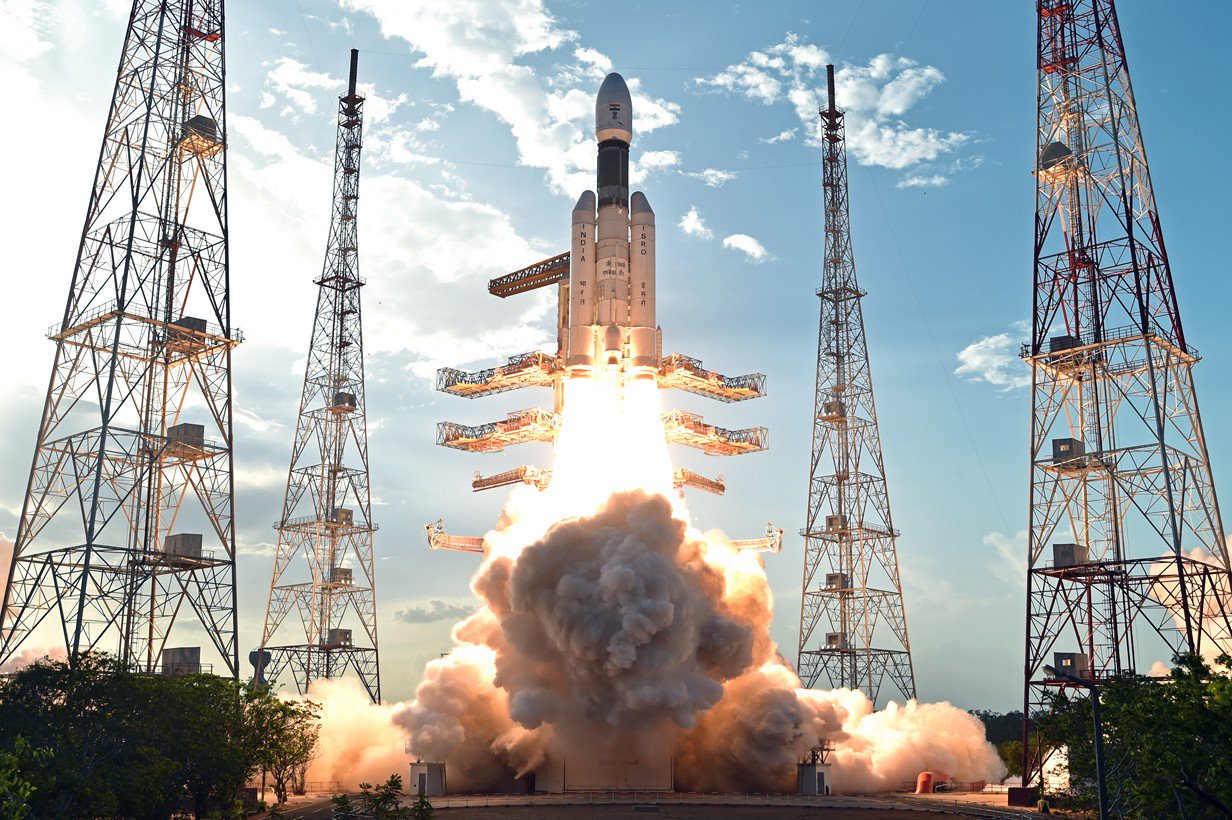
Today's updates cover Rocket Lab's launch for the U.S. Space Force, Digantara's major funding round, and discussions on national security in space.

Europe's bid to break free from the US launch monopoly. How Sweden's Esrange Space Center is transforming access to space, enabling orbital launches, and strengthening strategic independence for the continent.
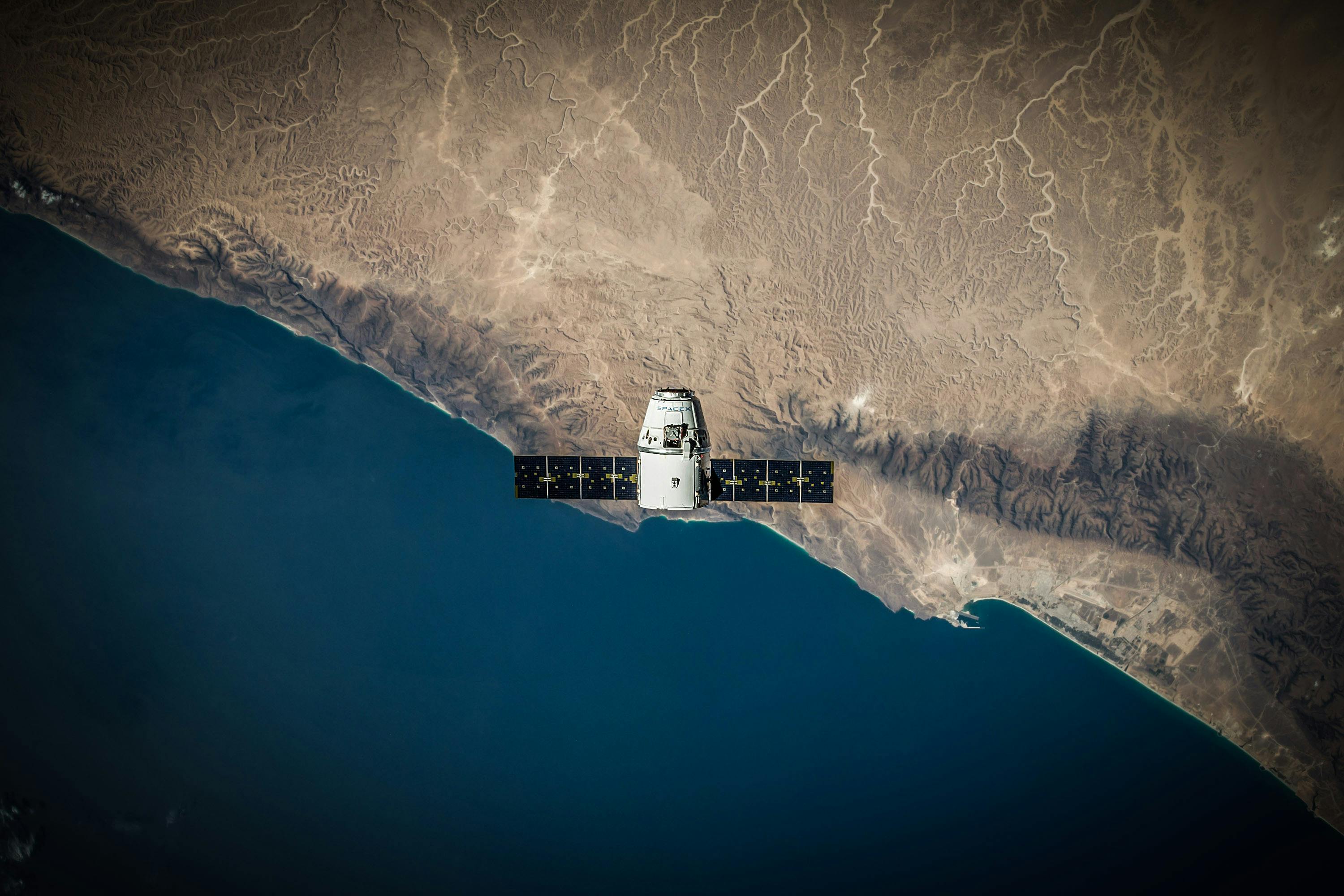
Falcon 9 returns to flight with Starlink 17-33 mission after brief stand-down. Crew-12 astronaut launch confirmed for Feb 11. SpaceX shifts Dragon launches away from pad 39A.
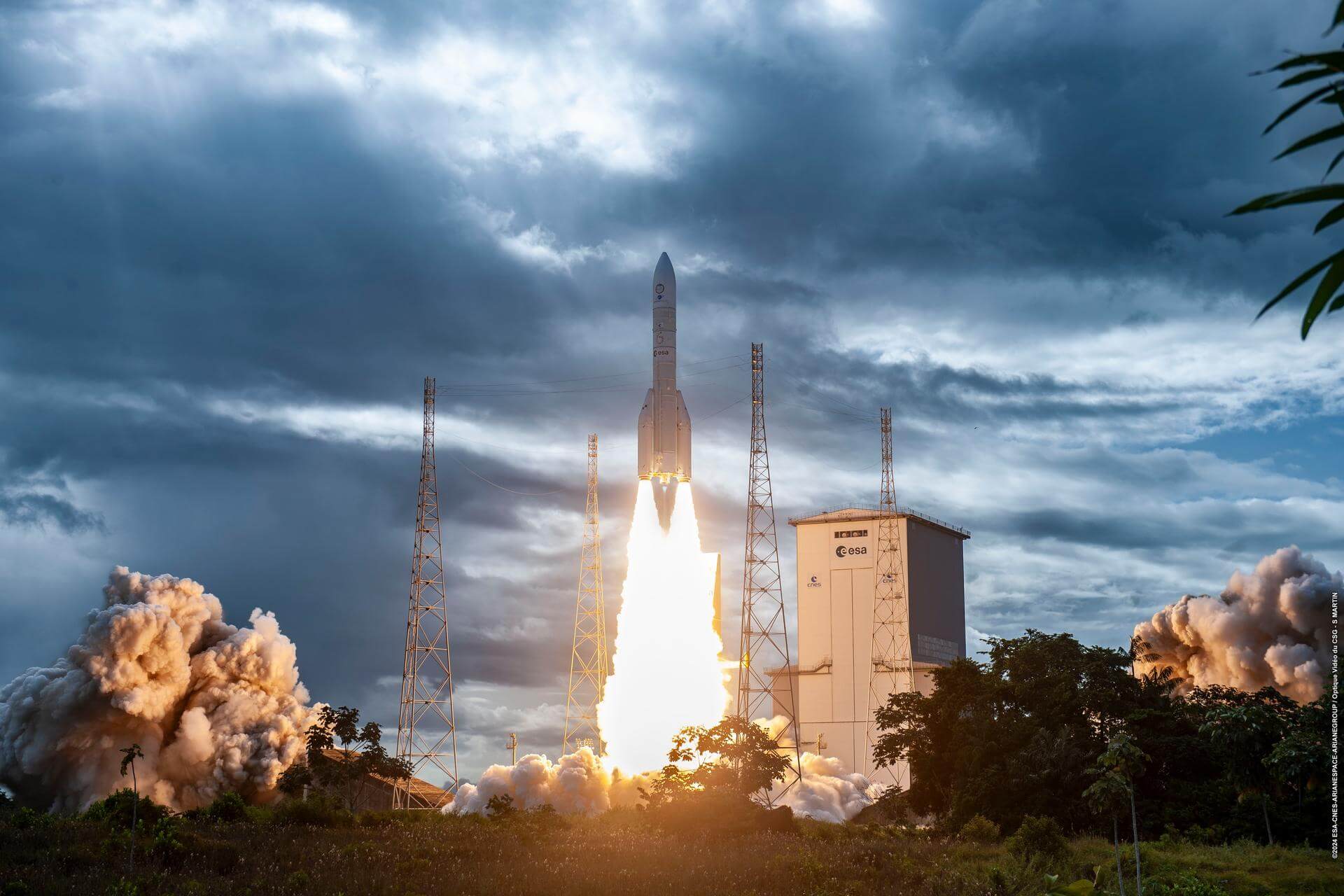
Today's space highlights include the US Space Force's advanced tracking contract, a milestone in SpaceX's Starlink program, and a new initiative to remove space debris.

SpaceX successfully launched the NROL-48 mission, growing the National Reconnaissance Office's satellite fleet. Additionally, NASA introduced ten new astronaut candidates, increasing female representation in its ranks.

Launch of 21 new Starlink satellites, featuring cell phone connectivity, and updates on NASA and SpaceX collaborative missions.