


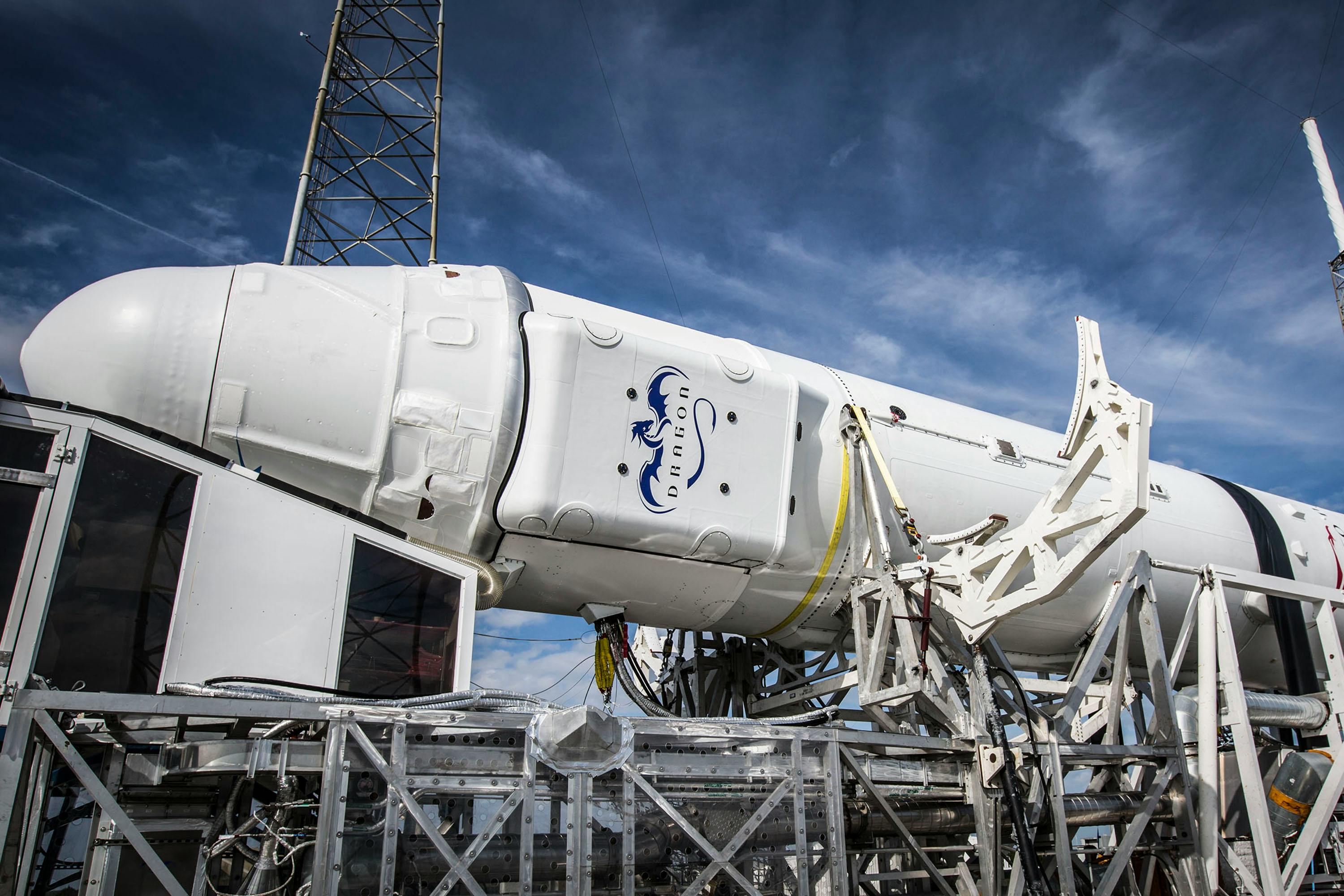
X Report 31 Mar 2025
New experiments in space agriculture begin with Fram2 mission, a historic polar orbit flight, and a Starlink launch postponement.


Launch Date
February 6, 2009
Launch Site
AFWTR
Launch Pad
SLC2W
Launch Vehicle
Delta 7320-10C
NORAD ID
33591
International Designator
2009-005A
Epoch
Fri, 03 Jul 2026 23:14:12 GMT
Apogee
Calculating...
Perigee
Calculating...
Inclination
98.95°
Right Ascension
255.85°
Eccentricity
Calculating...
Argument of Perigee
347.41°
Period
101.88 min
Mean Motion
14.13 rev/day
Latitude
Calculating...
Longitude
Calculating...
Altitude
Calculating...
Velocity
Calculating...
Name
NOAA 19
Alternative Name
NOAA 19
Type
Status
Owner
NOAA
Country
United States
Constellation
N/A
Related Satellites
Major Events
N/A
1 33591U 09005A 26184.96820011 .00000062 00000-0 56700-4 0 9993
2 33591 98.9514 255.8547 0013413 347.4058 12.6778 14.13476879896855
Source: Celestrak
Length
4.2
Diameter
1.9
Span
7
Dry Mass
1416
Launch Mass
1420
Shape
Box + Pan
Radar Cross Section
5.123
Visual Magnitude
Unknown
Color
Unknown
Material Composition
Unknown
Payload
NOAA N'
Purpose
Meteorology
Mission
Meteorology
Manufacturer
LMSS
Life Expectancy
2 years minimum
Bus
ATN
Configuration
TIROS-N Bus
Motor
ISS
Equipment
AVHRR/3, ATOVS (HIRS/4, AMSU-A, MHS), SEM-2, ARGOS (DCS-2), S&RSAT
Power System
Deployable solar array, batteries
ADCS
Unknown
Transmitter Frequency
Unknown
Learn more about satellites and other related topics.
New experiments in space agriculture begin with Fram2 mission, a historic polar orbit flight, and a Starlink launch postponement.
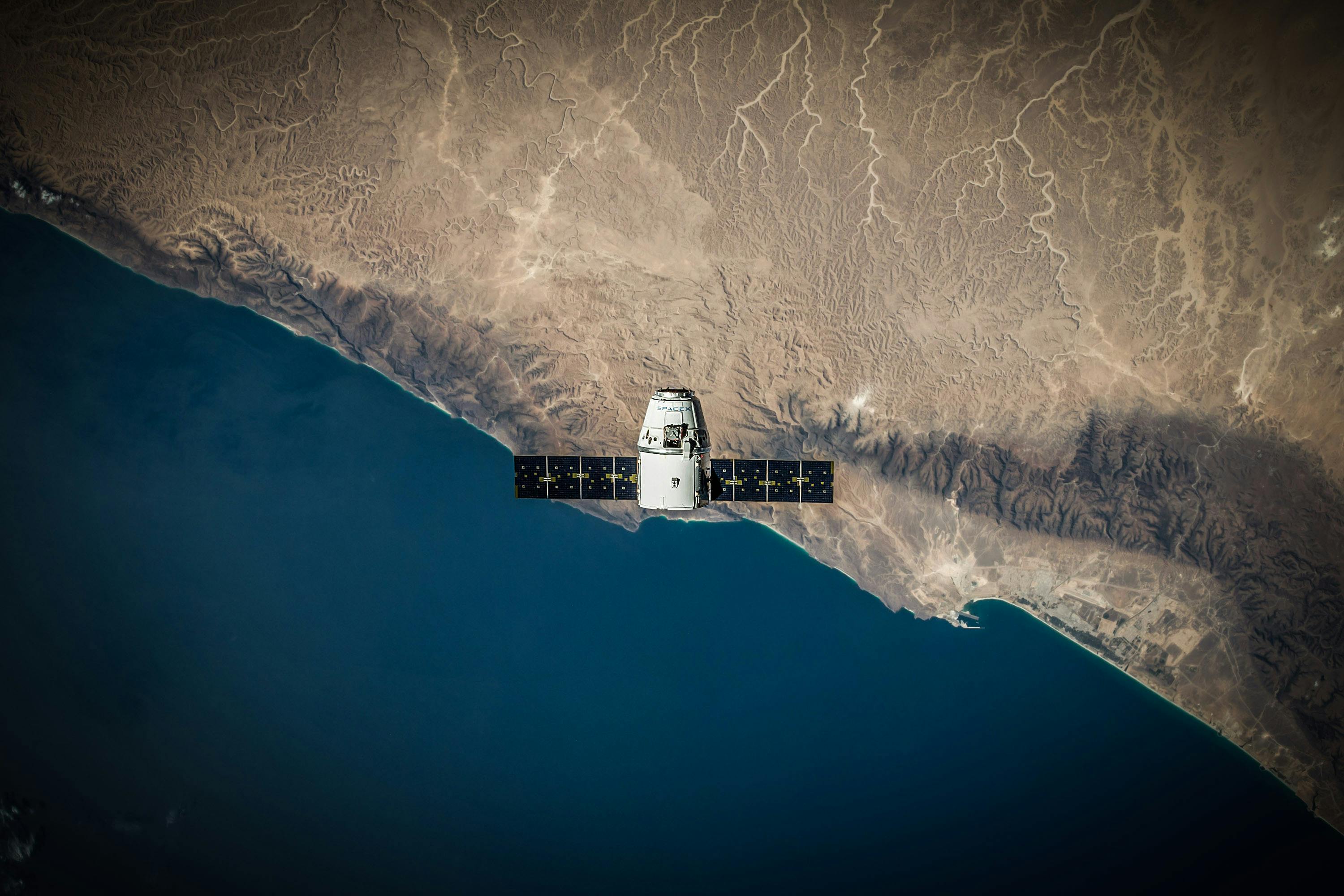
On December 14, 2025, SpaceX achieved a significant milestone with its 550th booster landing following the launch of 27 new Starlink satellites, while exploring potential IPO strategies to fund future projects.

Today's brief covers Blue Origin's national security mission, a new missile interceptor project by Space Force, developments with Starship boosters, and more.
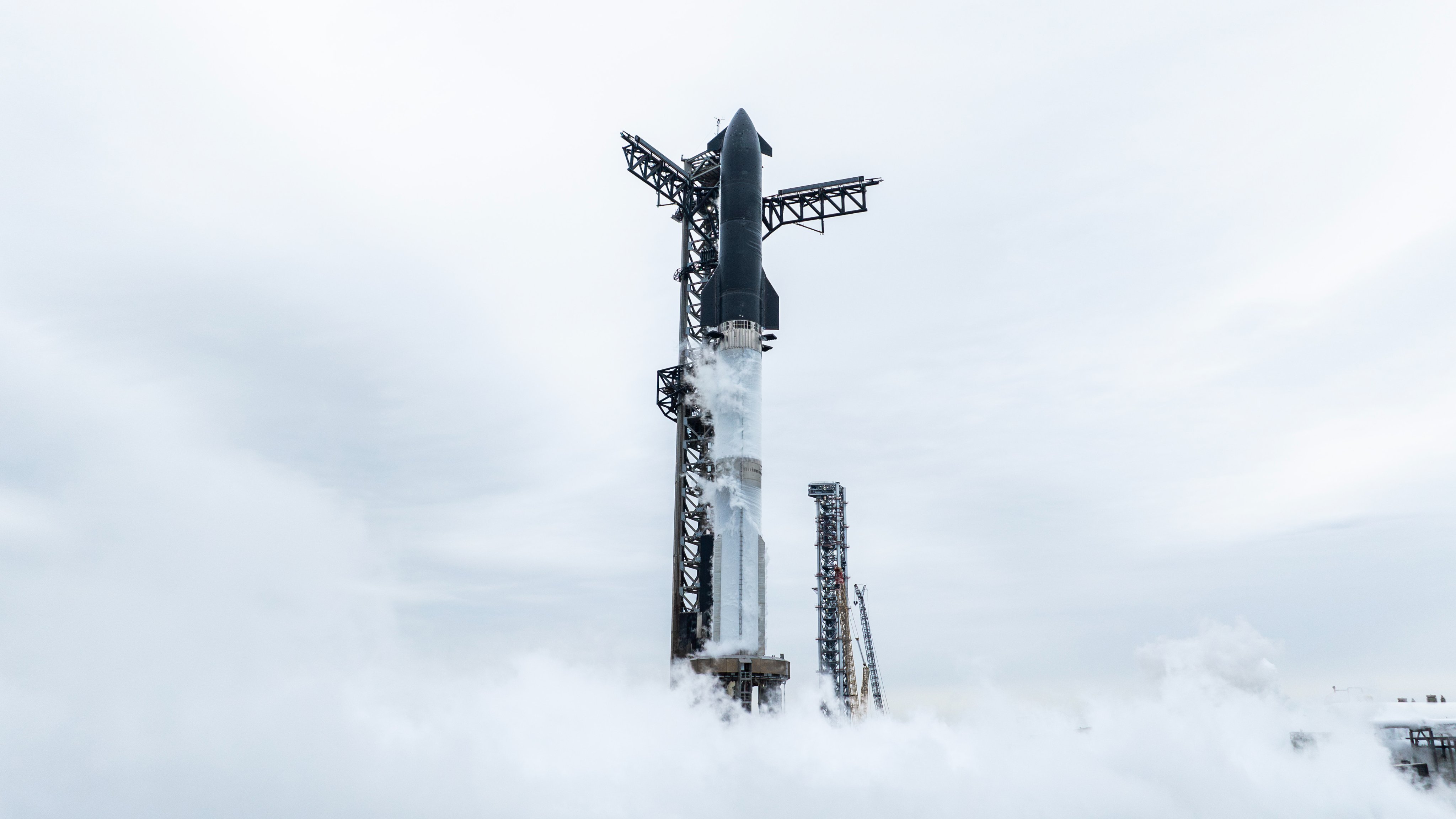
SpaceX Dragon berthed ISS with 6,500 pounds of cargo May 17. China's Zenk Space raised $26M, targeting June for Zhihang-1 rocket's orbital debut.

SpaceX secures major contracts for U.S. national security launches, including multiple Falcon Heavy missions. Significant updates on Starlink deployments and the ongoing evolution of the company highlight a productive day in the space sector.

FAA grounds SpaceX Starship V3 after the Flight 12 mishap, freezing the launch schedule. Plus a $2.29B Space Force contract and 10,397 working Starlinks.

On April 22, 2026, the FAA published a final rule implementing per-launch user fees for commercial space transportation — the first time the U.S. government has charged payload-based fees for rocket launches. Starting at 25 cents per pound with a $30,000 cap, the fees are modest today. By 2033, they won't be.
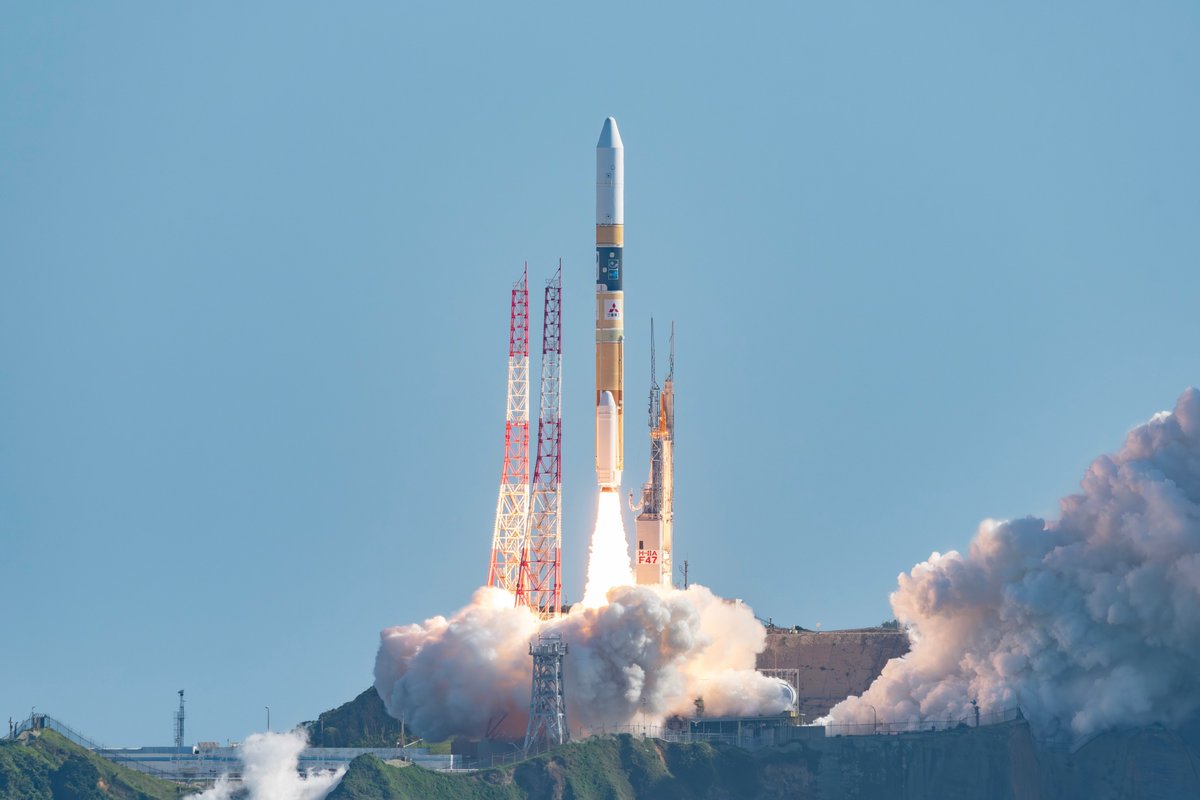
Today's edition covers SpaceX's Starlink launch delay, a breakthrough in ceramic manufacturing for space, and Momentus's orbital tech demo, among other headlines.