


Starship V3 Targets May 19 on New Pad 2 | KeepTrack X Report
SpaceX targets May 19 for Starship V3's debut from Launch Pad 2, while the FCC approves a $2.4B EchoStar spectrum deal for Starlink.



Launch Date
January 27, 1989
Launch Site
FRGUI
Launch Pad
ELA1
Launch Vehicle
Ariane 2
NORAD ID
33562
International Designator
1989-006BE
Epoch
Wed, 03 Apr 2024 18:41:29 GMT
Apogee
Calculating...
Perigee
Calculating...
Inclination
8.65°
Right Ascension
18.18°
Eccentricity
Calculating...
Argument of Perigee
213.92°
Period
644.29 min
Mean Motion
2.24 rev/day
Latitude
Calculating...
Longitude
Calculating...
Altitude
Calculating...
Velocity
Calculating...
Name
ARIANE 2 DEB
Alternative Name
deb Ariane V28
Type
Status
Owner
AE
Country
France
Constellation
N/A
Related Satellites
Major Events
N/A
1 33562U 89006BE 24093.77881469 -.00000401 00000-0 -23277-1 0 9999
2 33562 8.6522 18.1839 7042346 213.9249 68.9676 2.23500518146863
Source: Celestrak
Length
0
Diameter
0
Span
0
Dry Mass
0
Launch Mass
0
Shape
N/A
Radar Cross Section
0.1585
Visual Magnitude
Unknown
Color
Unknown
Material Composition
Unknown
Payload
Unknown
Purpose
Unknown
Mission
Unknown
Manufacturer
EADSL
Life Expectancy
Unknown
Bus
Unknown
Configuration
Unknown
Motor
Unknown
Equipment
Unknown
Power System
Unknown
ADCS
Unknown
Transmitter Frequency
Unknown
Learn more about satellites and other related topics.
SpaceX targets May 19 for Starship V3's debut from Launch Pad 2, while the FCC approves a $2.4B EchoStar spectrum deal for Starlink.
NASA confirms first-ever ISS medical evacuation for January 14 via Crew Dragon. SpaceX launches 29 Starlink satellites in third mission of 2026. Artemis 2 moon mission timeline unaffected.

Today's highlights include Pulsar Fusion's groundbreaking nuclear rocket plans, partnerships for the Haven-1 space station, and a spotlight on military collaboration in quantum technology.

SpaceX kicks off a busy week with five Falcon 9 missions planned, while the impressive layout of Raptor engines on Starship captures imaginations.

Falcon Heavy flew for the first time in eighteen months on April 29, 2026, expending its center core to push Viasat's final ViaSat-3 satellite toward geostationary orbit. The mission is a flagship rocket doing what only it can still do, for an operator betting six tons of high-throughput hardware on a market Starlink is rapidly redefining.
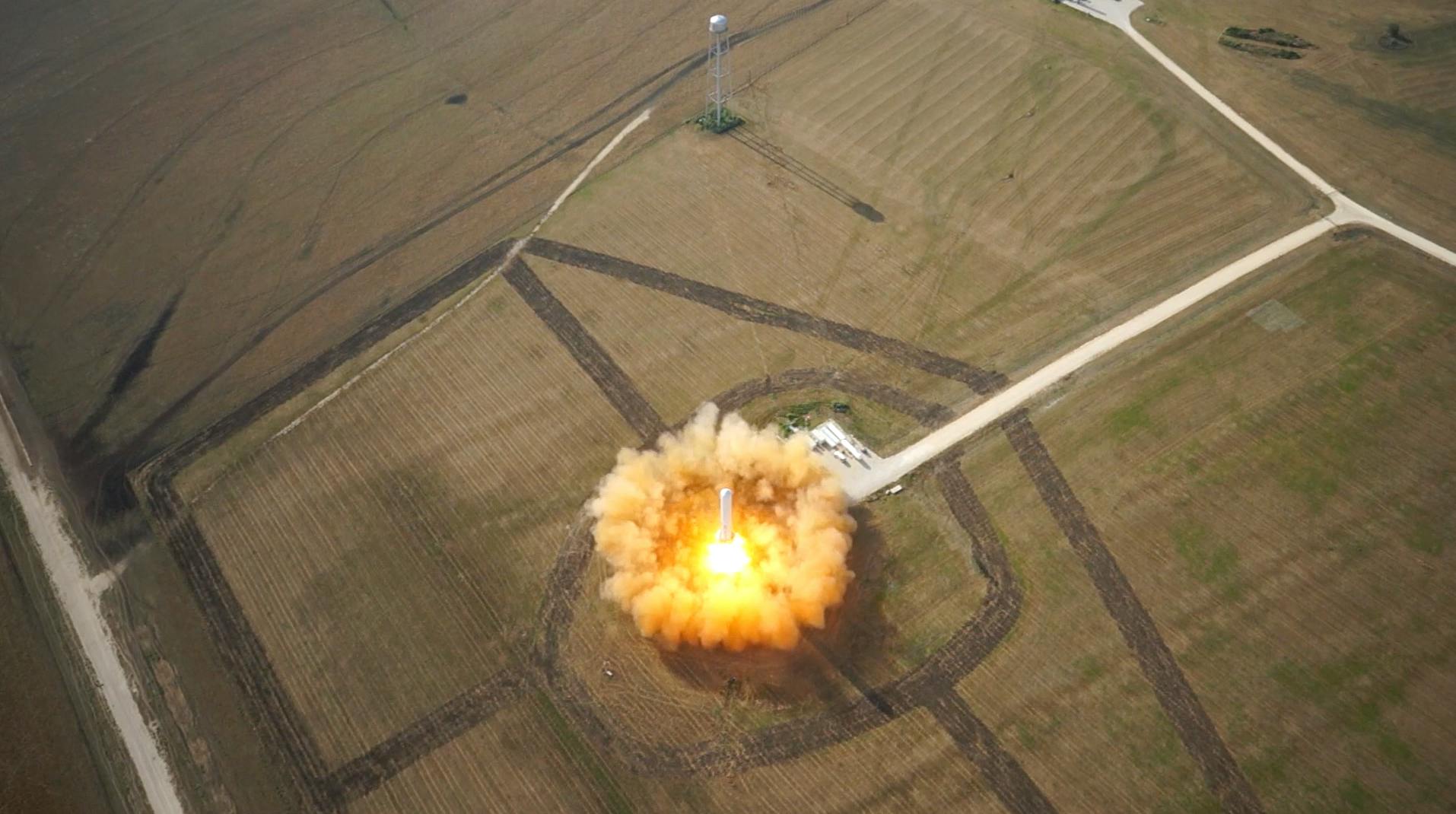
SpaceX swaps Crew Dragon capsules with NASA to accelerate Crew-10 launch, and successfully launches multiple Starlink satellites into orbit.
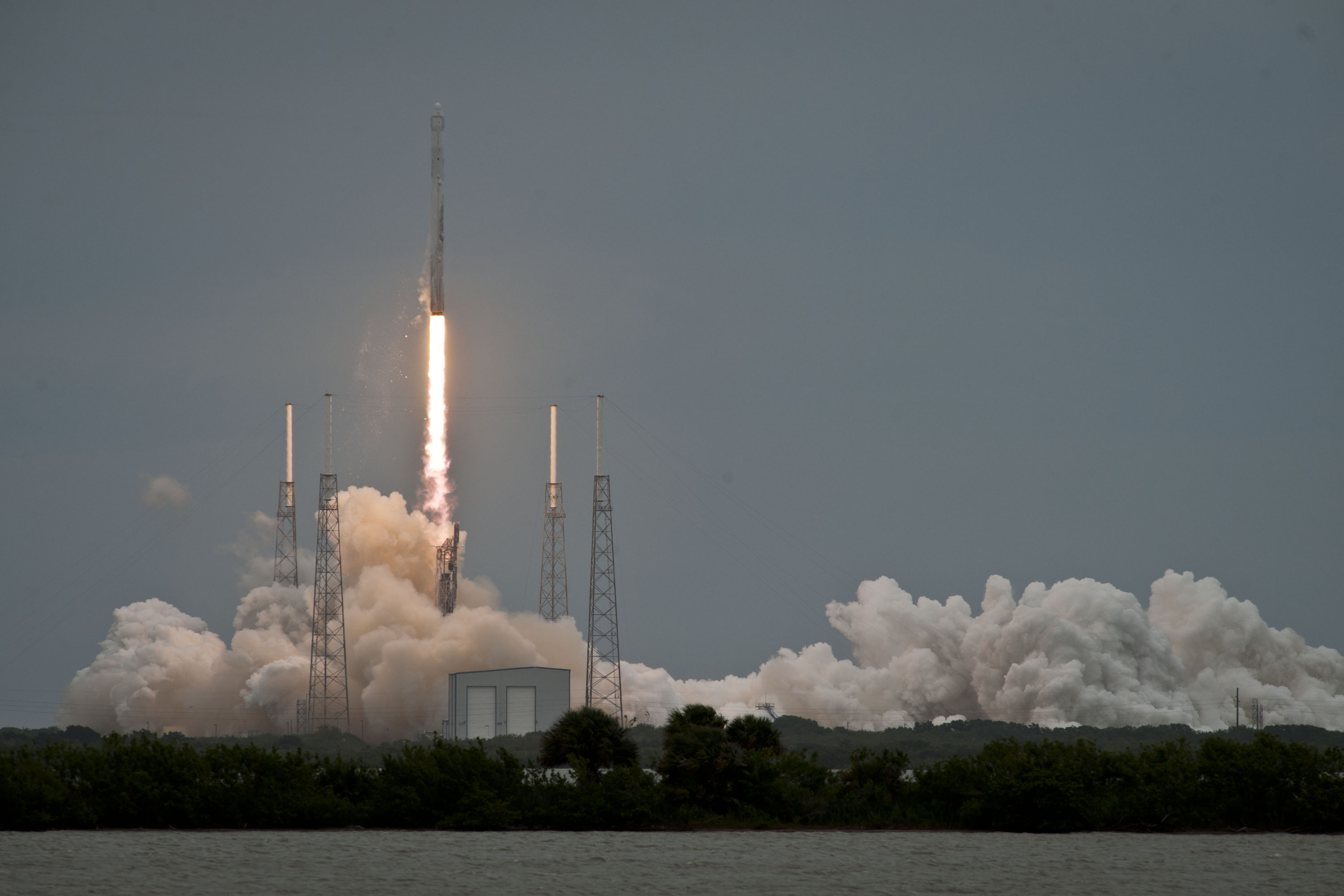
On April 18, 2014, a Falcon 9 first stage did something no orbital rocket had ever done before. It fired its engines on the way down, steered itself through the atmosphere using grid fins that did not yet exist, and touched the Atlantic Ocean softly enough to survive the impact. Nobody recovered it. The data was the whole point.
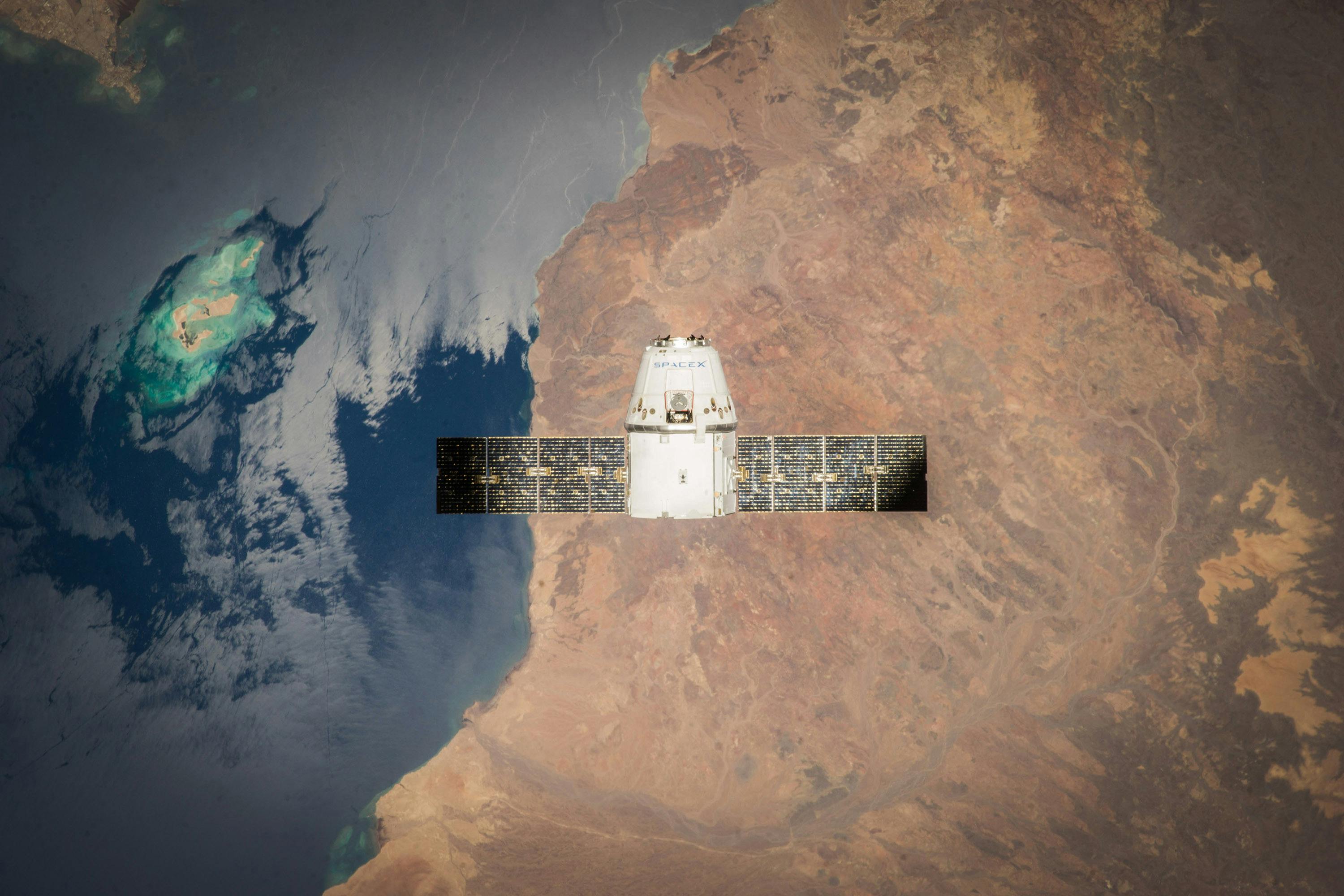
SpaceX executes dual Starlink launches and secures Dragonfly mission contract while managing NRO satellite deployment.