


Space Brief 2 Oct 2025
Highlighting ExLabs' Space Force contract, Starlink advances, and developments in orbital communication tech.


Launch Date
September 26, 1968
Launch Site
Launch Pad
LC41
Launch Vehicle
Titan IIIC
NORAD ID
33511
International Designator
1968-081M
Epoch
Fri, 03 Jul 2026 11:20:44 GMT
Apogee
Calculating...
Perigee
Calculating...
Inclination
1.75°
Right Ascension
38.77°
Eccentricity
Calculating...
Argument of Perigee
301.79°
Period
1429.06 min
Mean Motion
1.01 rev/day
Latitude
Calculating...
Longitude
Calculating...
Altitude
Calculating...
Velocity
Calculating...
Name
TITAN 3C TRANSTAGE DEB
Alternative Name
Transtage 5 debris
Type
Status
Owner
AFSSD2
Country
United States
Constellation
N/A
Related Satellites
Major Events
N/A
1 33511U 68081M 26184.47273263 -.00000304 00000-0 00000-0 0 9999
2 33511 1.7483 38.7663 0129739 301.7929 200.2734 1.00765455 67580
Source: Celestrak
Length
0
Diameter
0
Span
0
Dry Mass
0
Launch Mass
0
Shape
N/A
Radar Cross Section
0.003
Visual Magnitude
Unknown
Color
Unknown
Material Composition
Unknown
Payload
Unknown
Purpose
Unknown
Mission
Unknown
Manufacturer
Unknown
Life Expectancy
Unknown
Bus
Unknown
Configuration
Unknown
Motor
Unknown
Equipment
Unknown
Power System
Unknown
ADCS
Unknown
Transmitter Frequency
Unknown
Learn more about satellites and other related topics.
Highlighting ExLabs' Space Force contract, Starlink advances, and developments in orbital communication tech.
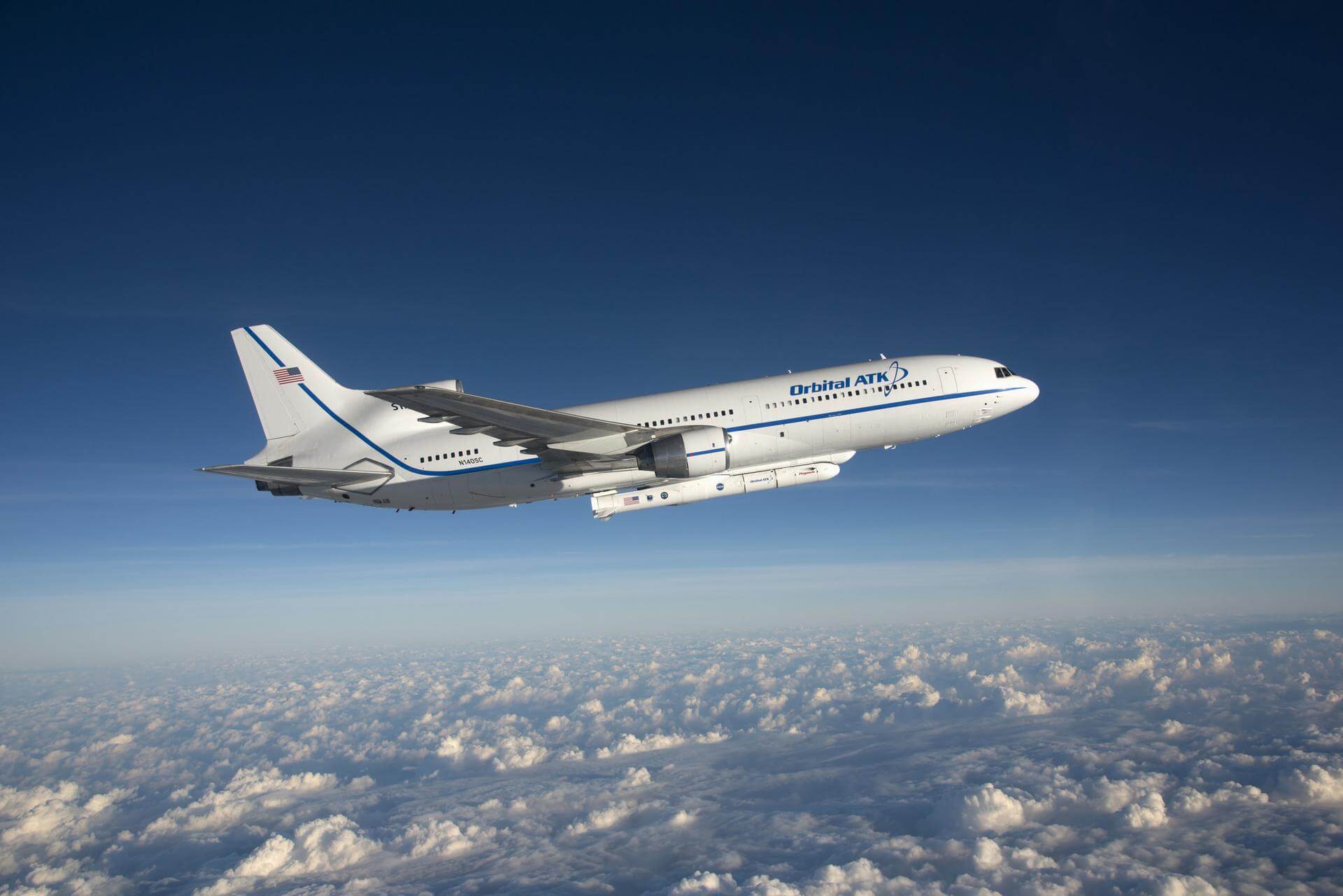
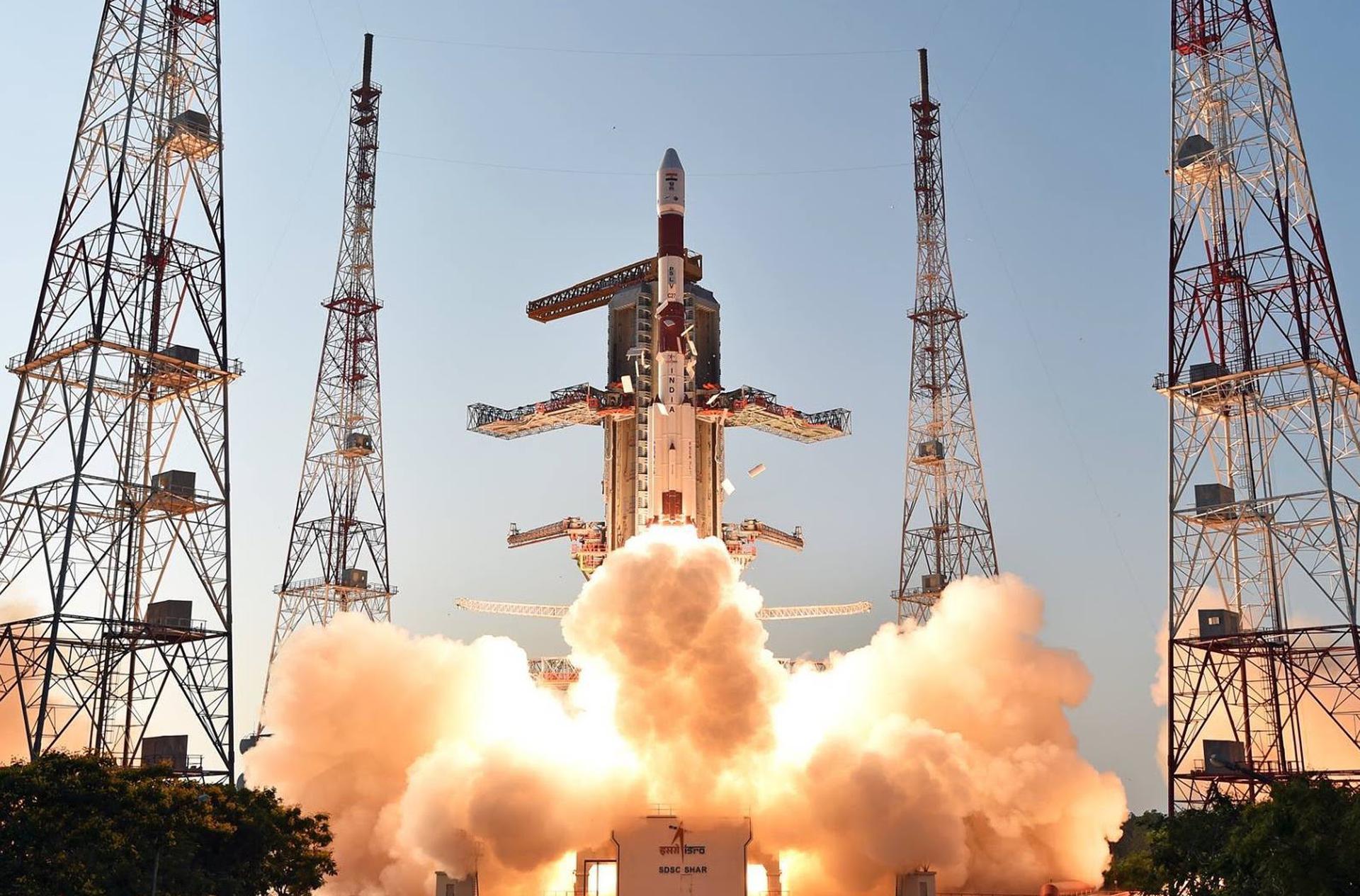
ULA launched Atlas 5 551 configuration for final time on July 1, deploying Amazon Kuiper broadband satellites. New Glenn pad rebuild underway at LC-36 after May explosion.
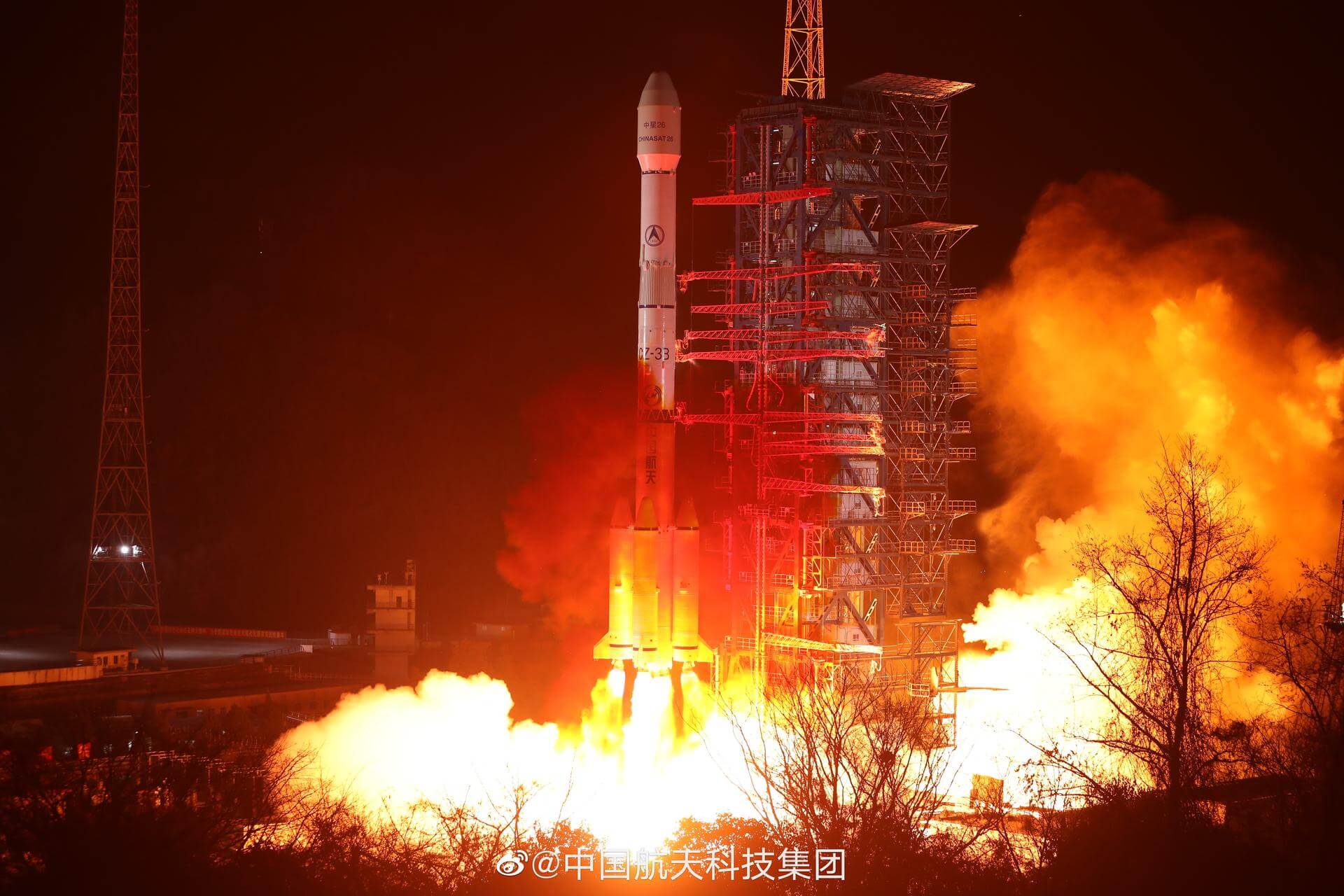
House appropriators approved $55.5 billion for Space Force but omitted $350 billion reconciliation funds, threatening Golden Dome and large-scale space programs' acquisition timelines.

Transporter 16 carries 119 payloads: SpaceX's rideshare mission targets Sun-synchronous orbit from Vandenberg, one of its densest manifests yet.

SpaceX successfully launched another batch of Starlink satellites while marking a significant milestone with the 500th Falcon 9 mission. Additionally, the company is preparing for further testing of its Starship system and has begun collaborating with Amazon on their Project Kuiper constellation.
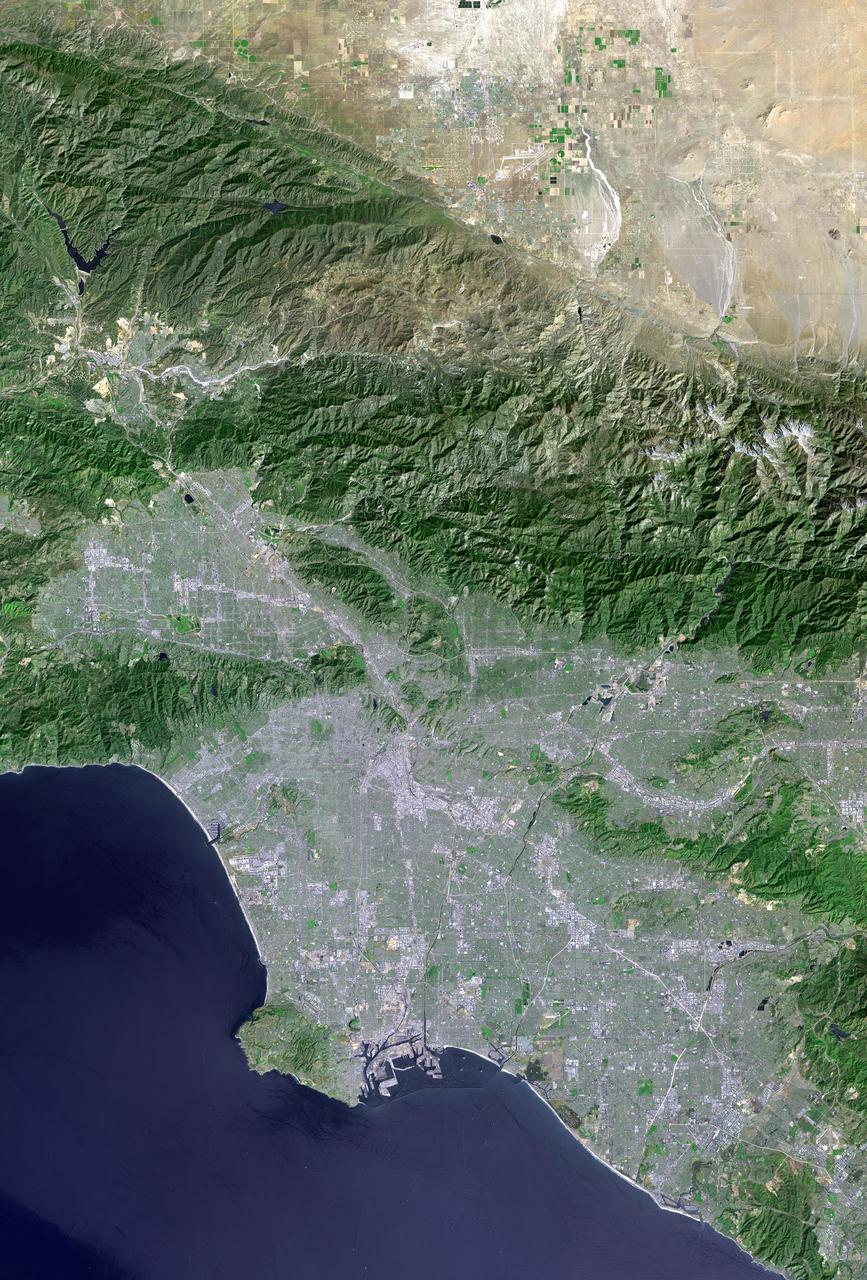
Landsat 7 launched on April 15, 1999, designed to last five years. It operated for twenty-five, survived a failure that destroyed a fifth of every image it took, and became part of the longest continuous record of Earth's surface ever assembled. Then they made the data free.
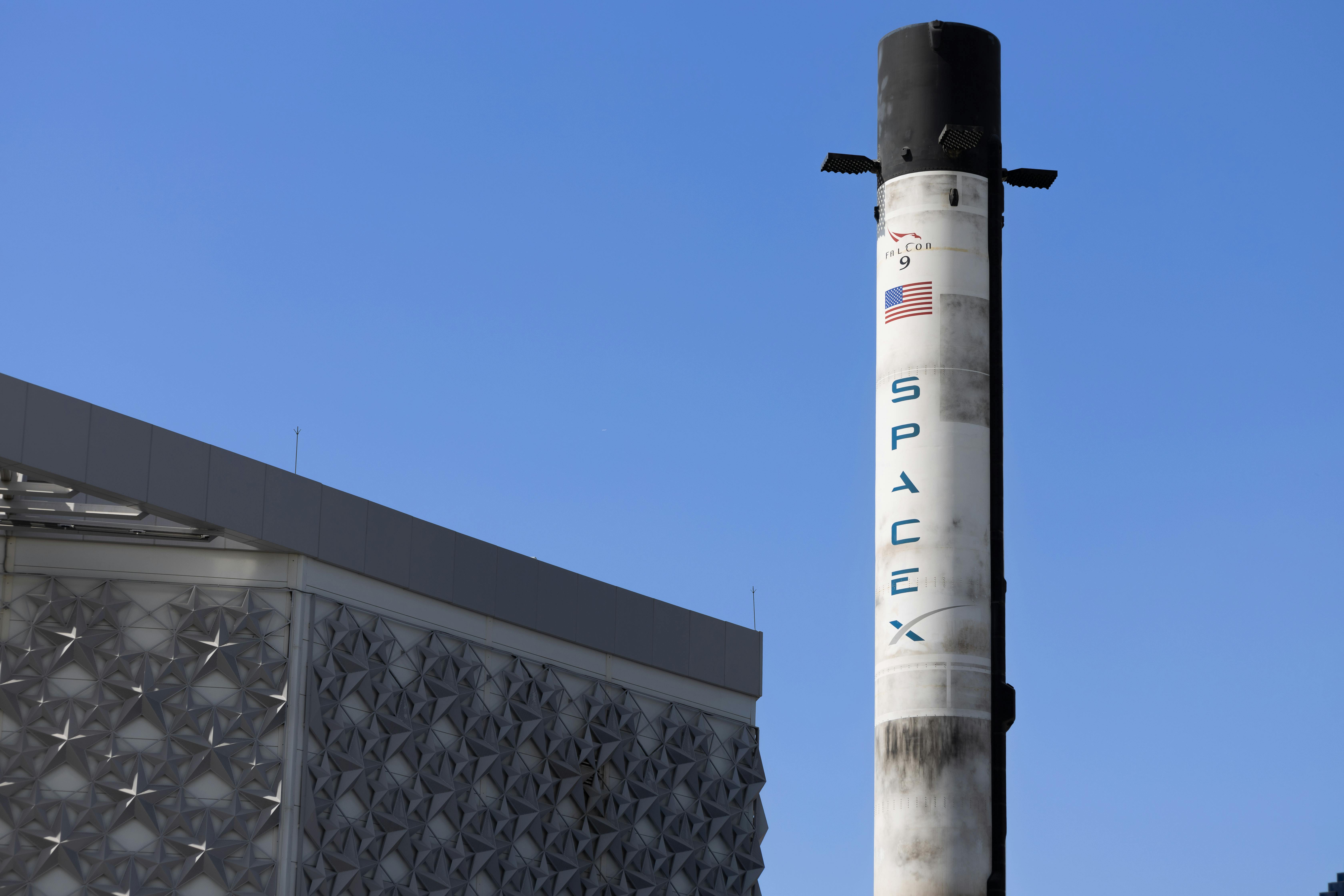
SpaceX achieves a new milestone with the Falcon 9 and Starlink reshapes satellite connectivity landscape.

SpaceX successfully launched NASA's TRACERS mission while Starlink faced a brief global outage, affecting users worldwide.