


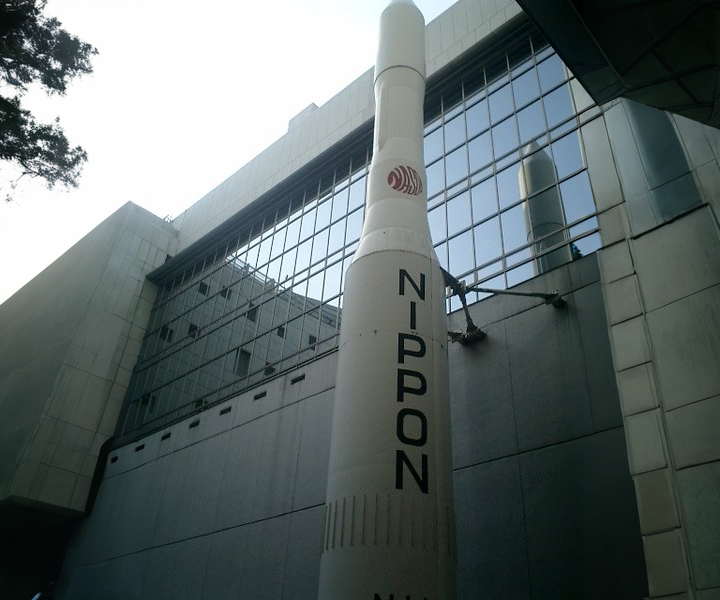
The Day Japan Joined the Geostationary Club
Forty-eight years ago, a pioneering satellite named Kiku 2 propelled Japan into the exclusive group of nations capable of operating satellites in geostationary orbit


Launch Date
December 10, 2008
Launch Site
Launch Pad
LC200/39
Launch Vehicle
Proton-M/Briz-M
NORAD ID
33455
International Designator
2008-063C
Epoch
Sat, 04 Jul 2026 05:33:23 GMT
Apogee
Calculating...
Perigee
Calculating...
Inclination
18.27°
Right Ascension
133.00°
Eccentricity
Calculating...
Argument of Perigee
162.71°
Period
727.49 min
Mean Motion
1.98 rev/day
Latitude
Calculating...
Longitude
Calculating...
Altitude
Calculating...
Velocity
Calculating...
Name
BREEZE-M R/B
Alternative Name
Briz-M No. 99503
Type
Status
Owner
KHRR
Country
Russia
Constellation
N/A
Related Satellites
Major Events
N/A
1 33455U 08063C 26185.23151934 .00000055 00000-0 00000-0 0 9997
2 33455 18.2709 133.0049 5621112 162.7141 356.2584 1.97941749127014
Source: Celestrak
Length
2.6
Diameter
2.5
Span
2.6
Dry Mass
1600
Launch Mass
7500
Shape
Cyl
Radar Cross Section
9.479
Visual Magnitude
Unknown
Color
Unknown
Material Composition
Unknown
Payload
Briz-M 99503
Purpose
Unknown
Mission
Unknown
Manufacturer
KHRR
Life Expectancy
Unknown
Bus
Briz
Configuration
Unknown
Motor
Unknown
Equipment
Unknown
Power System
Unknown
ADCS
Unknown
Transmitter Frequency
Unknown
Learn more about satellites and other related topics.
Forty-eight years ago, a pioneering satellite named Kiku 2 propelled Japan into the exclusive group of nations capable of operating satellites in geostationary orbit

SpaceX gears up for a busy week with new Starship testing and enhanced Starlink capabilities on the horizon.

Today's highlights: China's Long March 12 boosts lunar ambitions, SpaceX supports NRO's satellite infrastructure, Firefly prepares lunar mission, and NASA partners with SpaceX for Titan exploration.
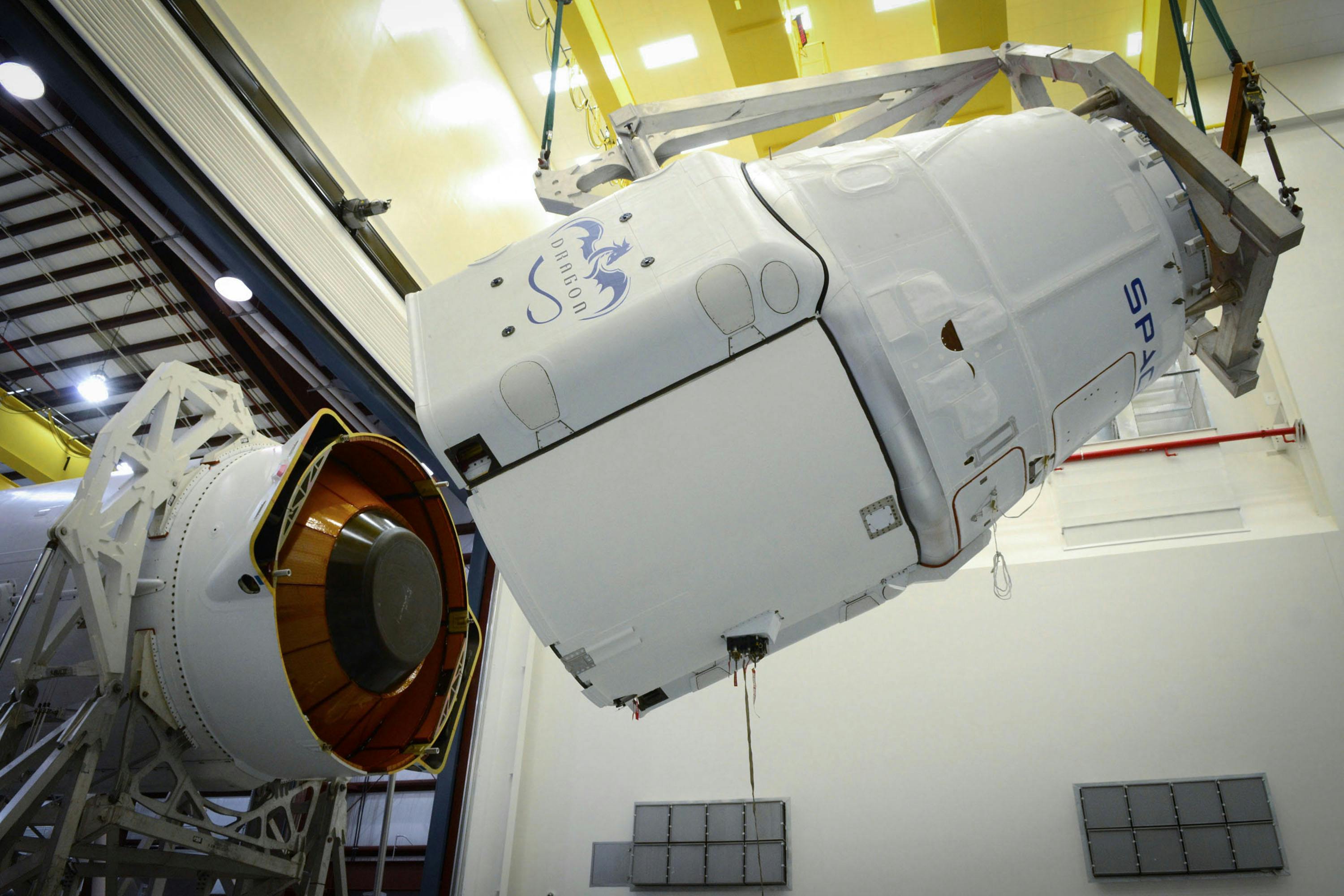
SpaceX wins a $2.29 billion US Space Force contract for a military space data network, NASA adds 6 crew missions, and Starship V3 makes its first flight.

On May 4, 1989, Space Shuttle Atlantis lifted off from LC-39B carrying Magellan, NASA's first interplanetary mission since 1978. The eleven-year drought ended in a payload bay, and the radar that emerged would map ninety-eight percent of Venus through clouds that no camera could ever see through.
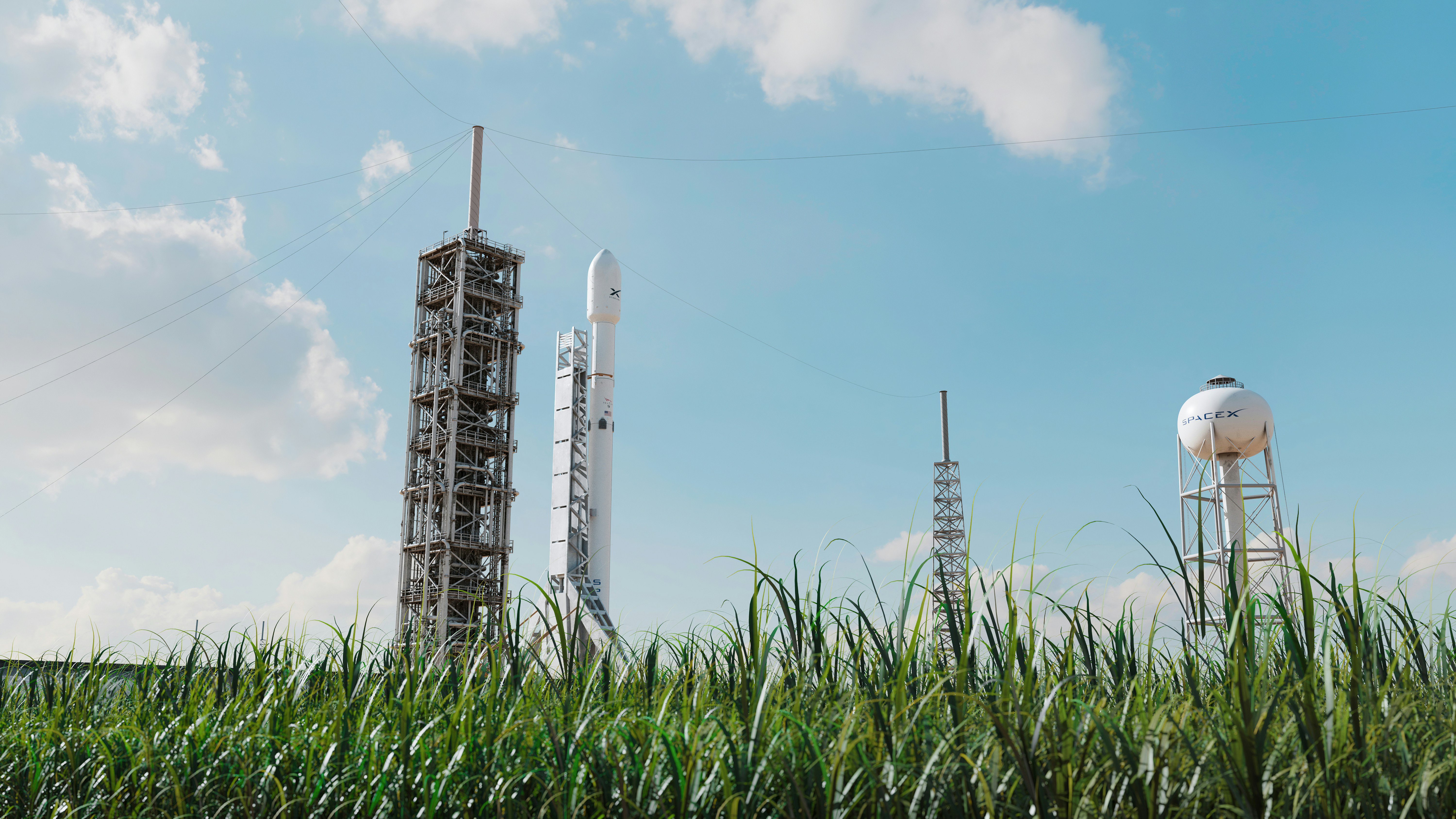
Falcon 9 booster reuse record: SpaceX's most-flown booster flew a 33rd flight Feb 21 with 28 Starlink V2 Minis. Two launches in a day; 9,779 on orbit.

Kratos Defense awarded $446M Space Force contract for RMWT missile-warning ground systems. Rocket Lab secures $190M Pentagon deal for 20 hypersonic test flights.
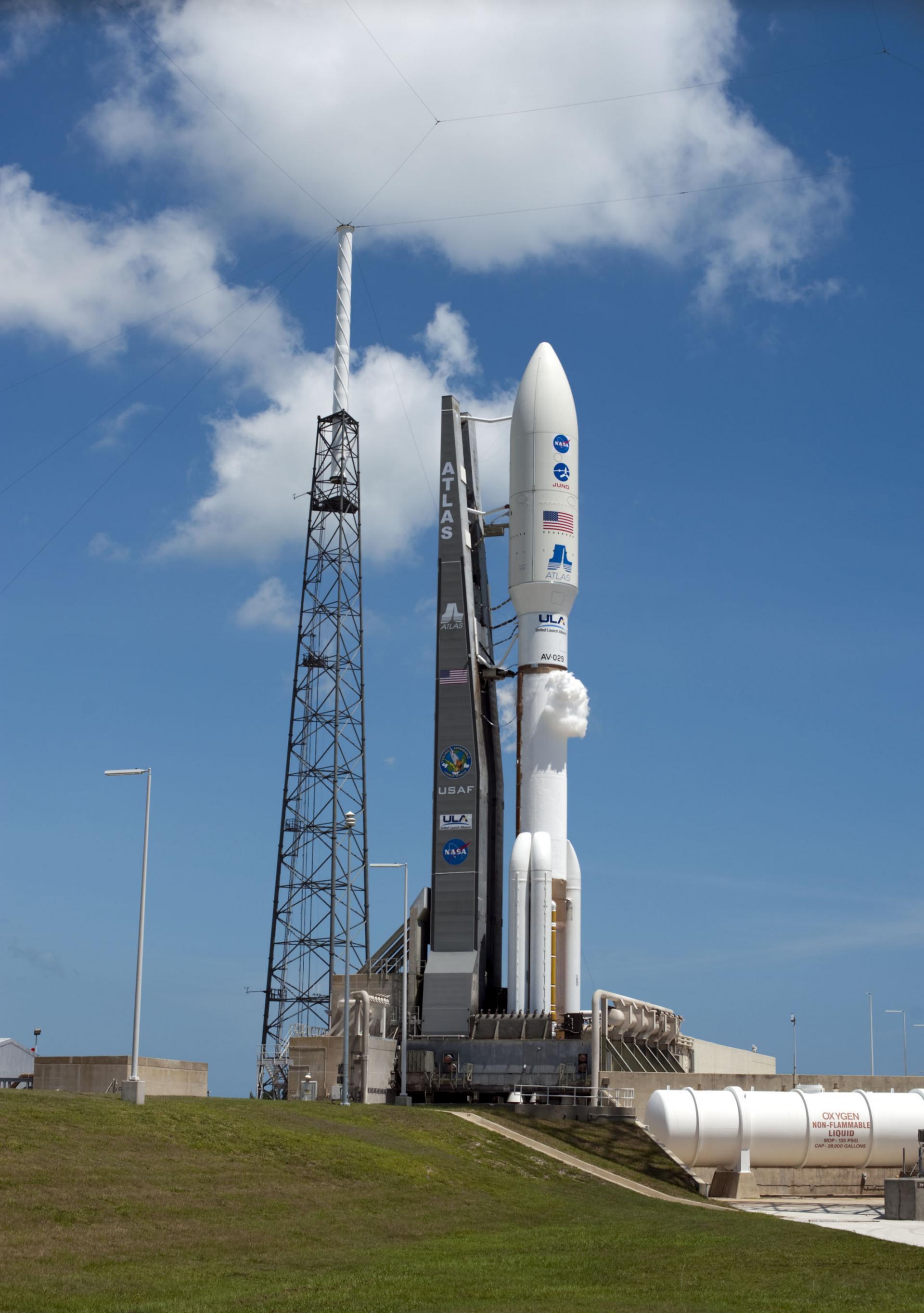
Today's briefing covers a range of critical space industry updates, from Space Force's strategic initiatives to SpaceX's latest launch record and groundbreaking developments in orbital manufacturing.