

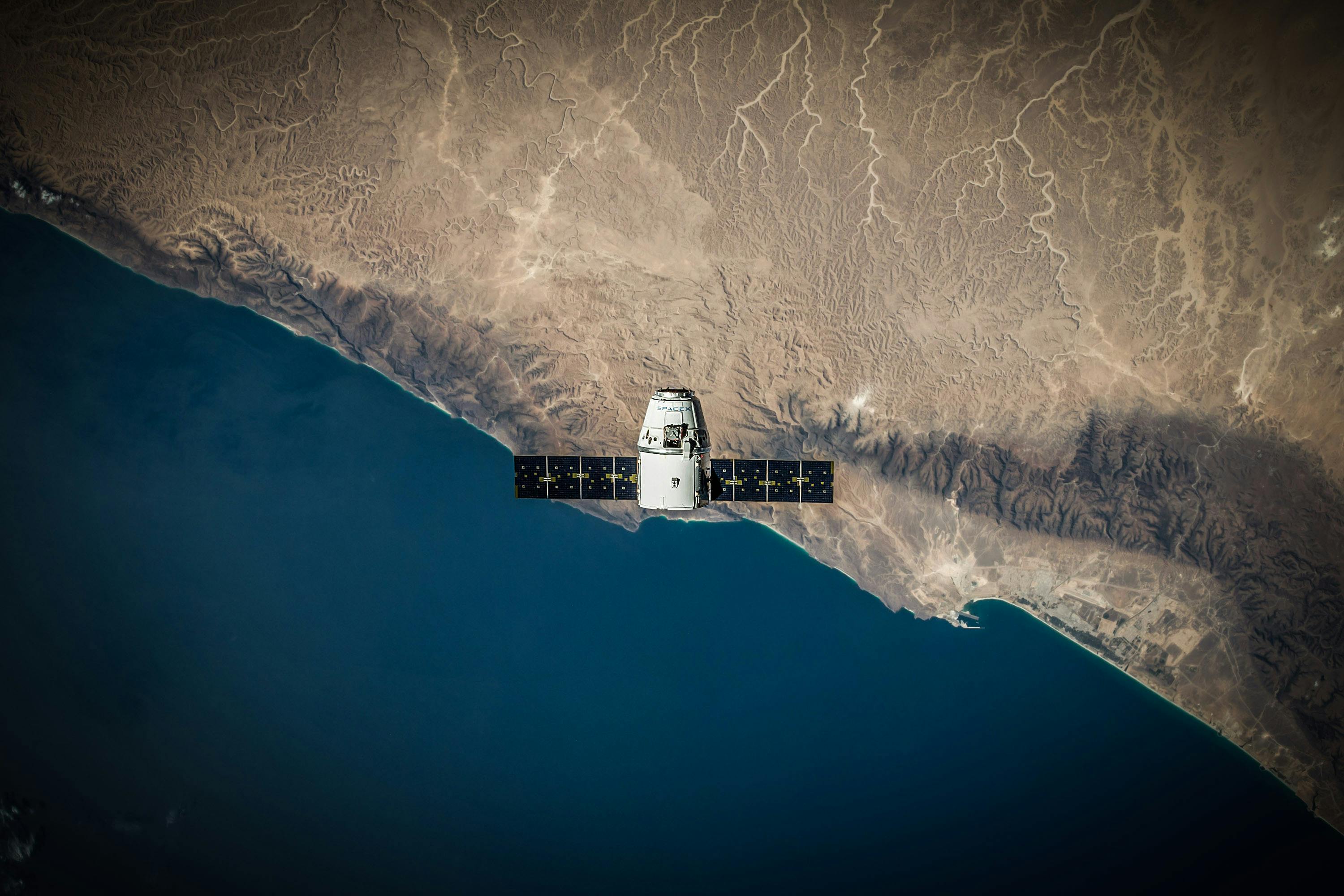
Musk Addresses Orbital Data Center Crowding Fears | KeepTrack X Report
Elon Musk pushed back on orbital crowding concerns as SpaceX eyes data centers in space, with 10,584 Starlink satellites currently operational.


Launch Date
December 2, 2008
Launch Site
PLMSC
Launch Pad
LC16/2
Launch Vehicle
Molniya 8K78M
NORAD ID
33450
International Designator
2008-062D
Decay Date
6/24/2021
Name
SL-6 R/B(2)
Alternative Name
Blok-2BL 13-626
Type
Status
Owner
RVSNR
Country
Russia
Constellation
N/A
Related Satellites
Major Events
N/A
Length
3.3
Diameter
2.3
Span
3.3
Dry Mass
900
Launch Mass
4500
Shape
Cyl
Radar Cross Section
5.0379
Visual Magnitude
Unknown
Color
Unknown
Material Composition
Unknown
Payload
Blok-2BL No. 76713-626
Purpose
Unknown
Mission
Unknown
Manufacturer
RKKE
Life Expectancy
Unknown
Bus
Blok-L
Configuration
Unknown
Motor
Unknown
Equipment
Unknown
Power System
Unknown
ADCS
Unknown
Transmitter Frequency
Unknown
Learn more about satellites and other related topics.
Elon Musk pushed back on orbital crowding concerns as SpaceX eyes data centers in space, with 10,584 Starlink satellites currently operational.
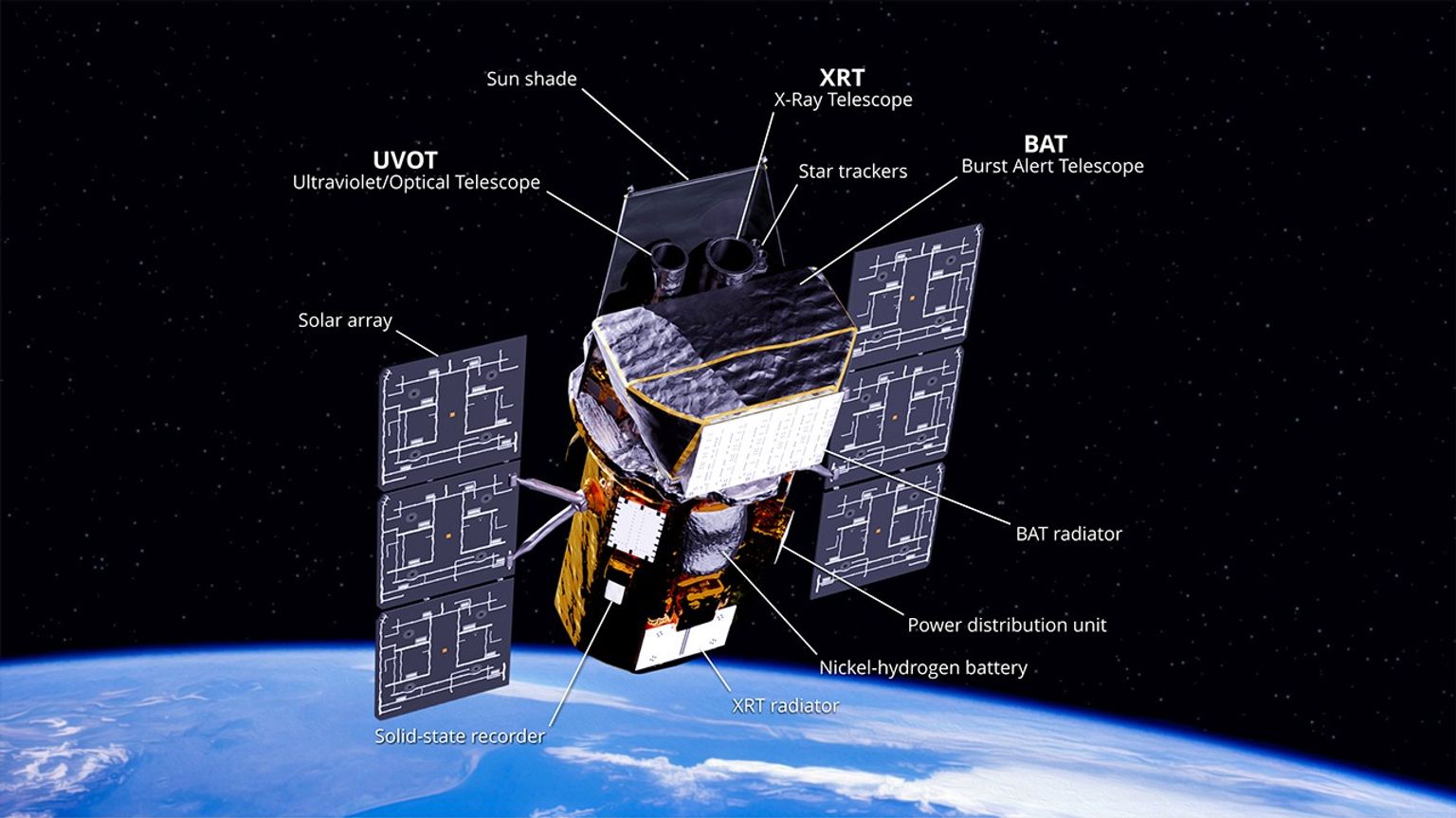
Designed for a two-year mission to catch gamma-ray bursts in the act, Swift is now 21 years old, slowly falling out of the sky, and the subject of an unprecedented private rescue mission. Nobody planned for it to be this hard to let go.

ULA launches the final Atlas 5 551 configuration—its heaviest variant with 5 solid boosters—carrying Amazon's Project Kuiper satellite to low Earth orbit from Cape Canaveral.
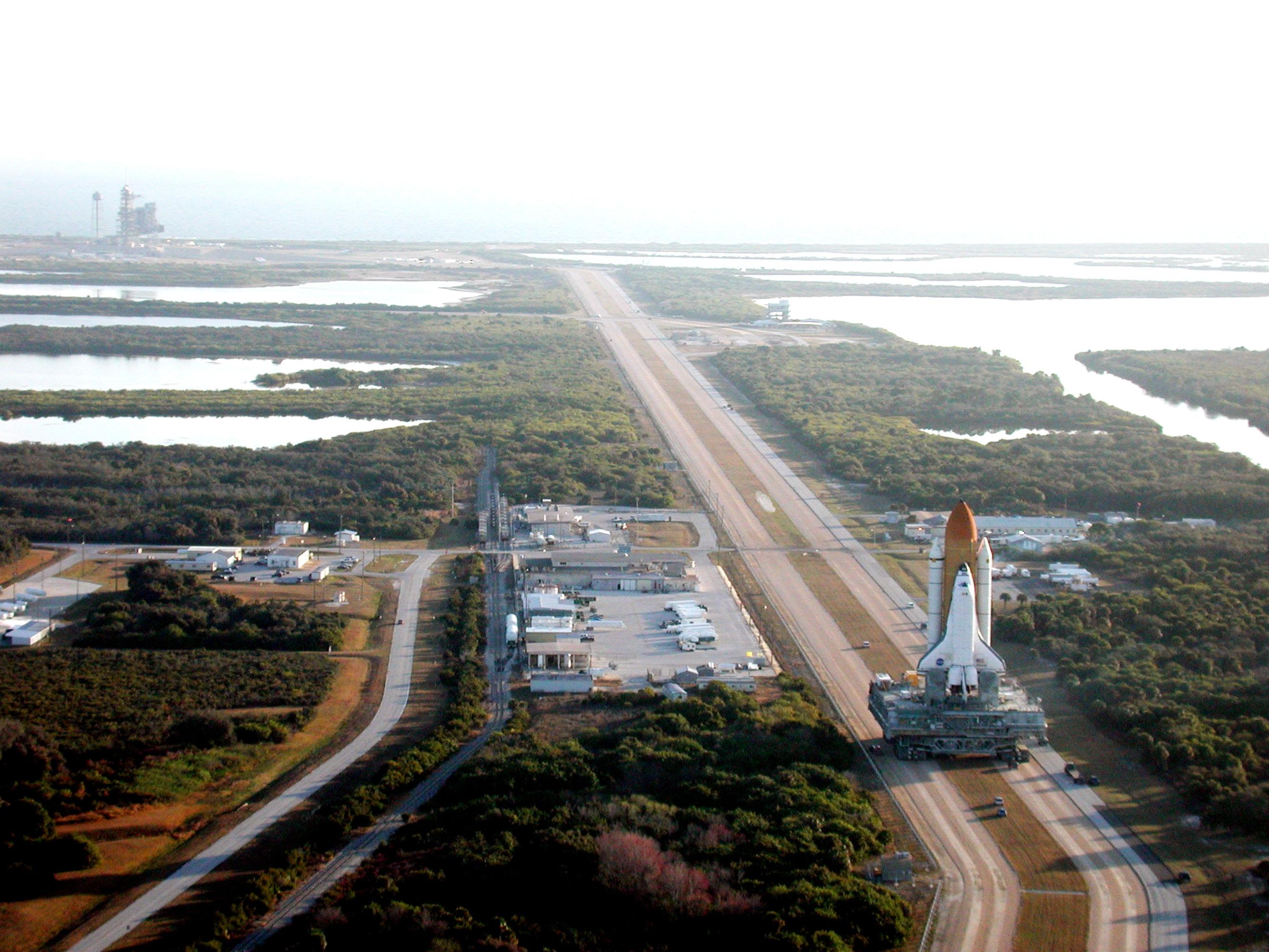
Twenty-four years ago, two spacewalking astronauts battled an ammonia leak while installing the U.S. Laboratory module Destiny, transforming the International Space Station from a construction site to a world-class research facility
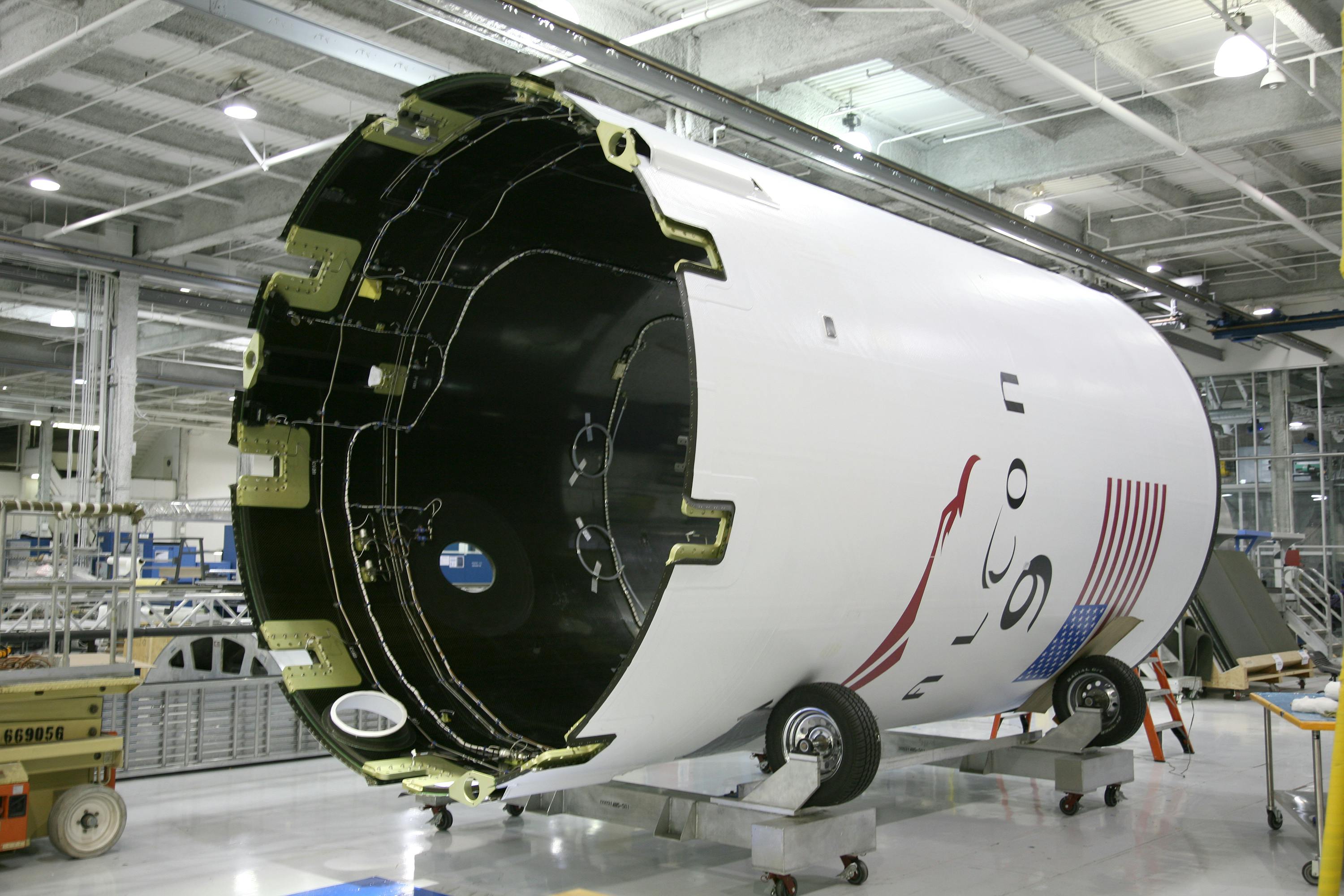
SpaceX flew a Falcon 9 booster for a record 35th time on July 10, deploying 29 Starlink satellites as direct-to-cell tech expands to pet collars.

SpaceX continues to ramp up its operations with the launch of 29 more Starlink satellites, while significant upgrades at its Starbase facility signify ambitious future plans.

Starlink satellite count April 2026: 10,191 working of 10,209 in orbit. SpaceX flew its 1,000th Starlink of 2026 on April 14, adding 29 more sats.
SpaceX successfully launched 28 Starlink satellites from Florida, marking another milestone for their ongoing deployment efforts.