

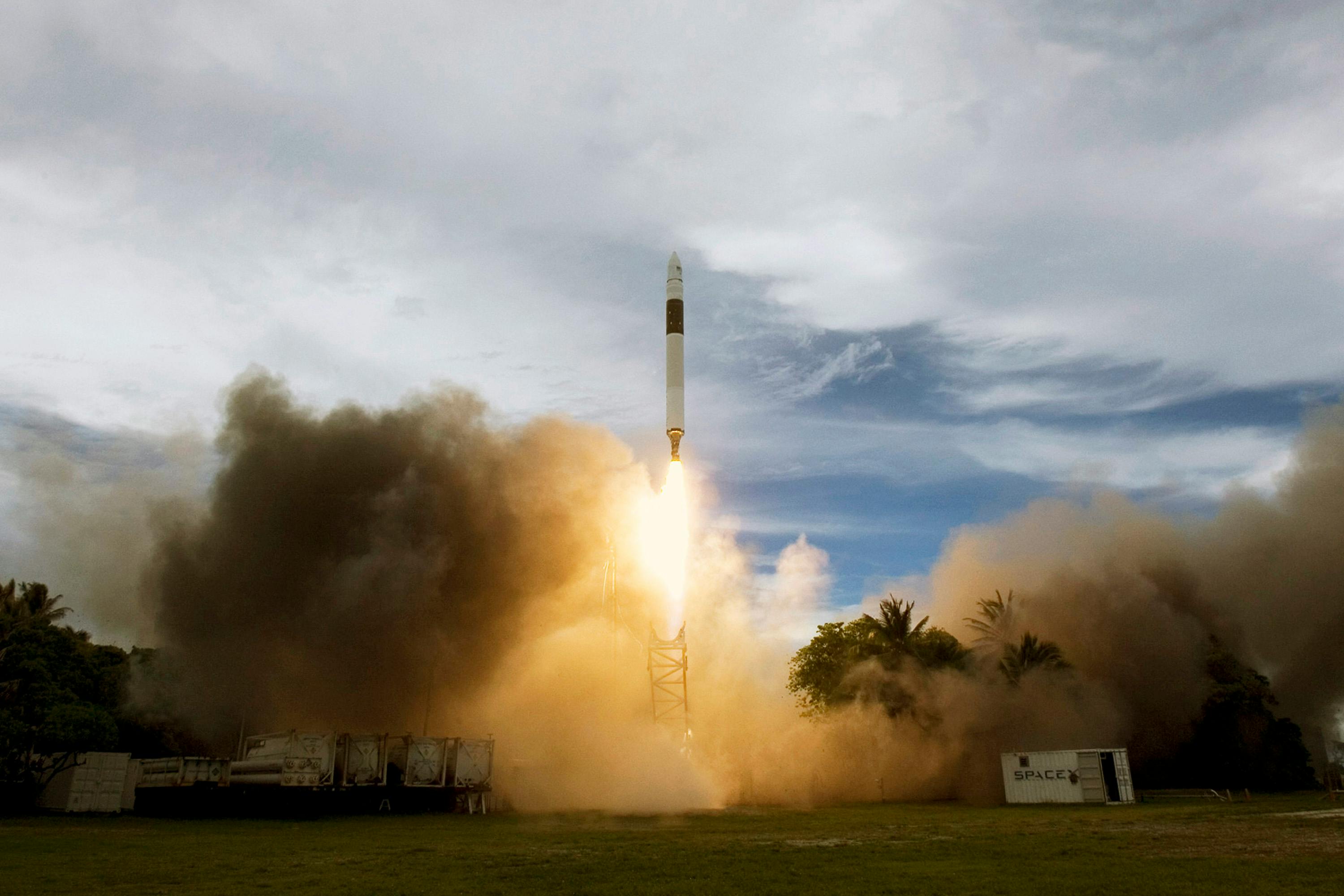
SpaceX Logs Record 165 Launches in 2025, X Report 1 Jan 2026
SpaceX number of launches in 2025: a record 165 orbital flights. Starlink added 4.6M customers across 35 new markets; new Vandenberg pad offered.


Launch Date
December 2, 2008
Launch Site
PLMSC
Launch Pad
LC16/2
Launch Vehicle
Molniya 8K78M
NORAD ID
33449
International Designator
2008-062C
Decay Date
4/6/2009
Name
SL-6 R/B(1)
Alternative Name
Molniya-M 46-693 Blok-I
Type
Status
Owner
RVSNR
Country
Russia
Constellation
N/A
Related Satellites
Major Events
N/A
Length
6.7
Diameter
2.7
Span
6.7
Dry Mass
2350
Launch Mass
2350
Shape
Cyl
Radar Cross Section
6.429
Visual Magnitude
Unknown
Color
Unknown
Material Composition
Unknown
Payload
11S510
Purpose
Unknown
Mission
Unknown
Manufacturer
PROGT
Life Expectancy
Unknown
Bus
Blok-I
Configuration
Unknown
Motor
Unknown
Equipment
Unknown
Power System
Unknown
ADCS
Unknown
Transmitter Frequency
Unknown
Learn more about satellites and other related topics.
SpaceX number of launches in 2025: a record 165 orbital flights. Starlink added 4.6M customers across 35 new markets; new Vandenberg pad offered.
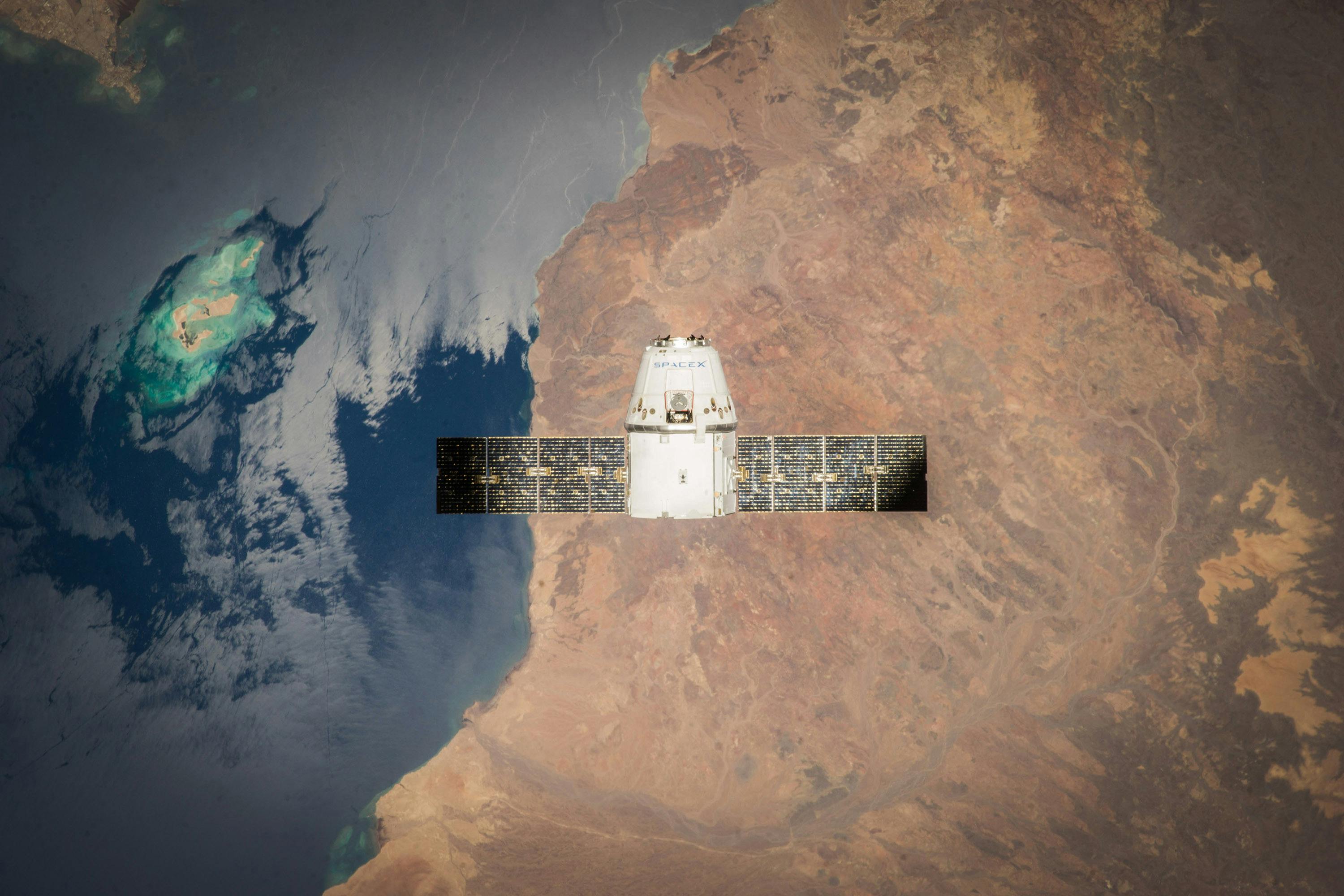
SpaceX celebrates significant milestones with the launch of Falcon 9 and developments in the Starship program, while Elon Musk addresses media narratives surrounding Starlink's humanitarian efforts.
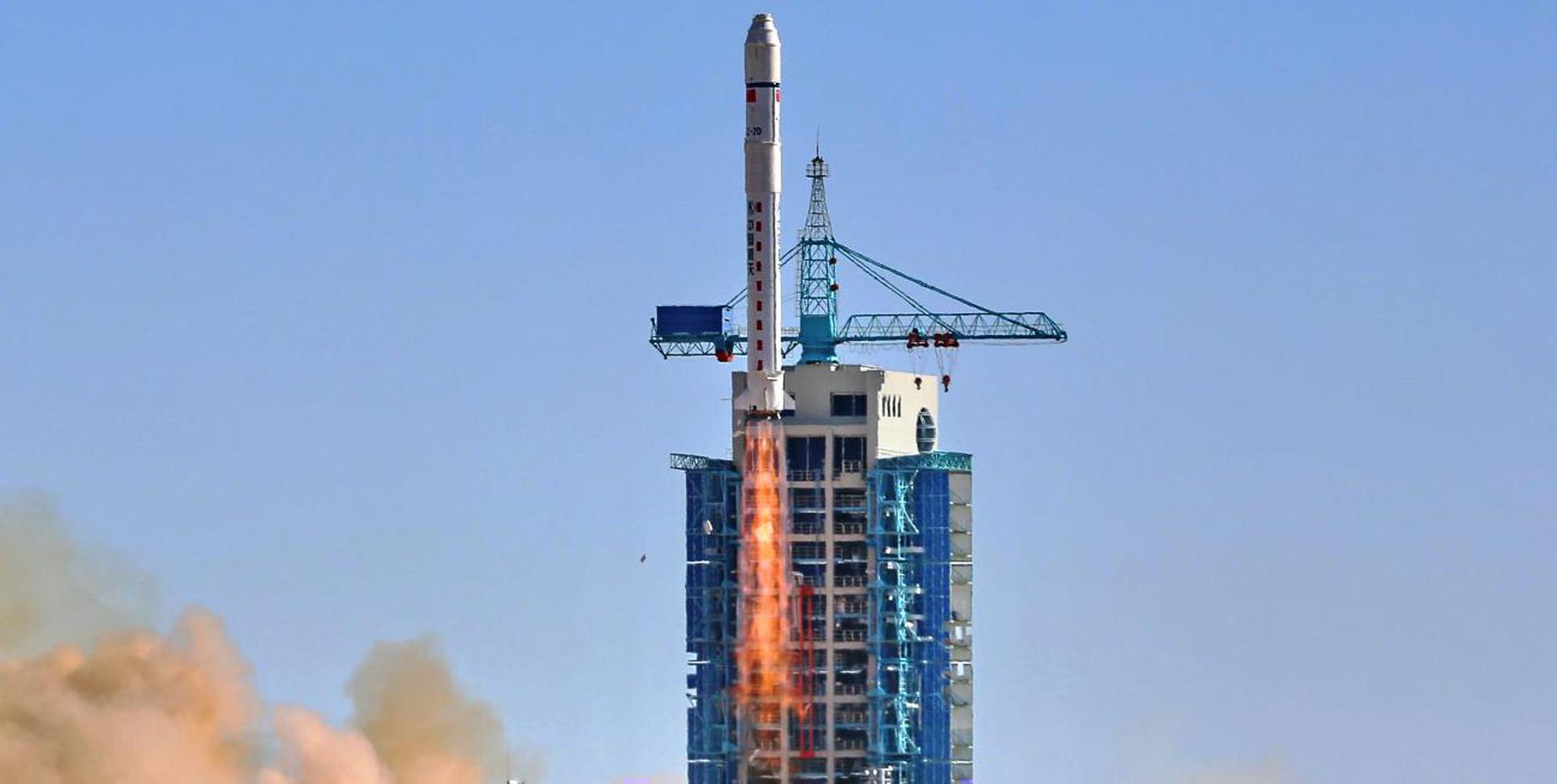
Today's highlights include SpaceX's Starlink launch, NASA's revived lunar mission, and a spotlight on space-defense activities.

FAA grounds SpaceX Starship V3 after the Flight 12 mishap, freezing the launch schedule. Plus a $2.29B Space Force contract and 10,397 working Starlinks.

Expansion of national security capabilities with new services, shifts in Pentagon priorities, challenges in zero trust compliance, and more.

SpaceX celebrates its 100th launch of the year with a Falcon 9 mission carrying Amazon's Project Kuiper satellites, while Crew-10 prepares for its return from the ISS and the company expands its interplanetary ambitions with new Mars partnerships.

An analysis of Russia's independent space tracking system and how it compares to the established U.S. Space Surveillance Network
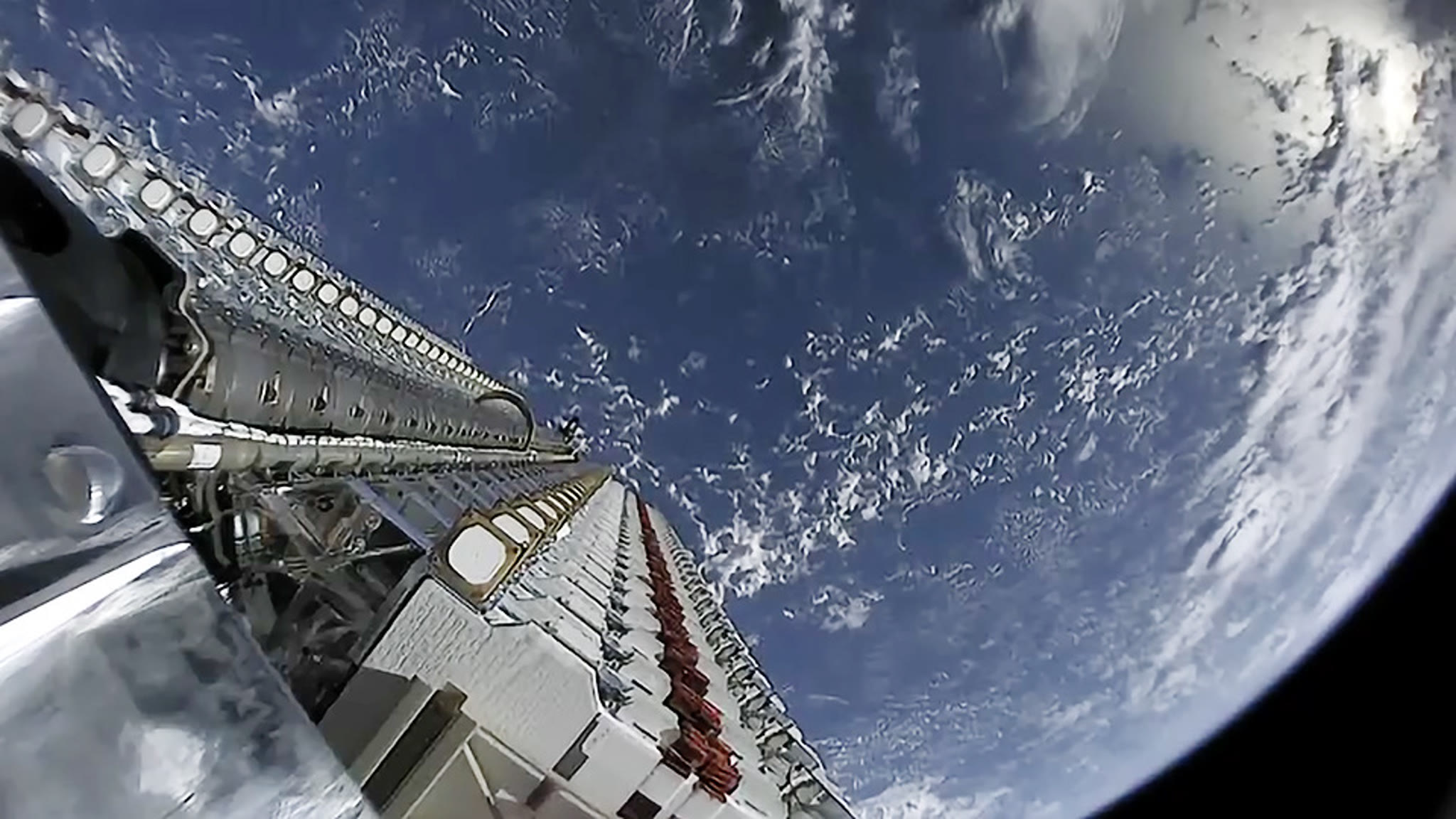
Starlink satellites fired their thrusters to dodge a collision roughly 300,000 times in 2025, about 822 times a day. Behind that number is a fragile, half-automated system of warnings, probabilities, and judgment calls that decides which close approaches are worth a maneuver and which are just noise.