


X Report 24 Jan 2025
SpaceX hits a new milestone with 400 rocket landings, beta testing begins for Direct-to-Cell Starlink satellites, and more Starlink launches from California.


Launch Date
October 19, 2008
Launch Site
KWAJ
Launch Pad
RW06/24
Launch Vehicle
Pegasus XL
NORAD ID
33402
International Designator
2008-051B
Decay Date
11/16/2008
Name
PEGASUS R/B(1)
Alternative Name
Pegasus F40 Stage 3
Type
Status
Owner
OSCC
Country
United States
Constellation
N/A
Related Satellites
Major Events
N/A
Length
1.4
Diameter
1
Span
1.4
Dry Mass
202
Launch Mass
202
Shape
Cyl
Radar Cross Section
1.5849
Visual Magnitude
Unknown
Color
Unknown
Material Composition
Unknown
Payload
Orion 38
Purpose
Unknown
Mission
Unknown
Manufacturer
ATKH
Life Expectancy
Unknown
Bus
Orion 38
Configuration
Unknown
Motor
Unknown
Equipment
Unknown
Power System
Unknown
ADCS
Unknown
Transmitter Frequency
Unknown
Learn more about satellites and other related topics.
SpaceX hits a new milestone with 400 rocket landings, beta testing begins for Direct-to-Cell Starlink satellites, and more Starlink launches from California.
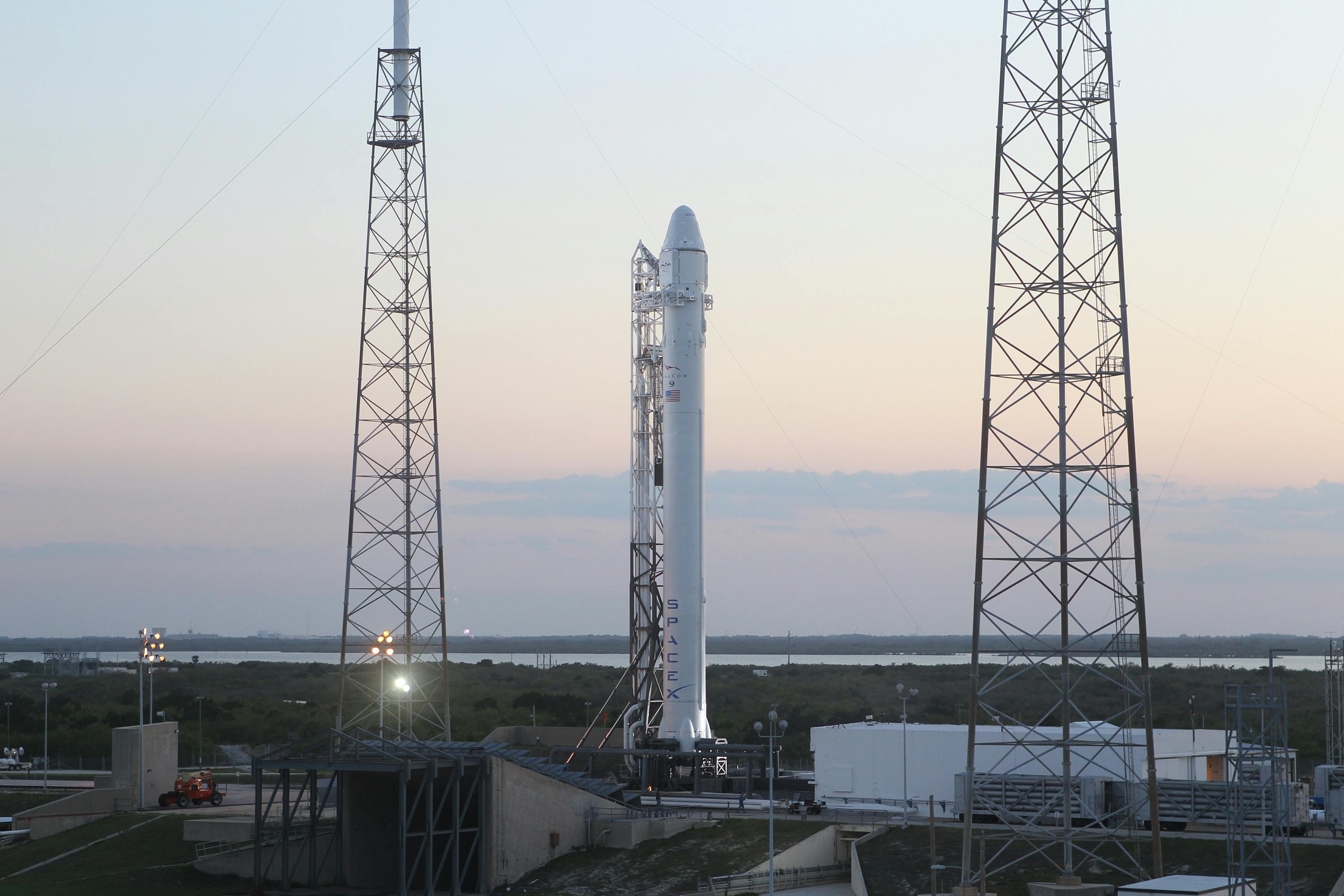
NASA plans first-ever medical evacuation from ISS using SpaceX Crew Dragon for Crew-11 astronaut. Starlink 6-96 mission scrubbed and rescheduled. Starbase Pad 1 tower and launch mount under review.
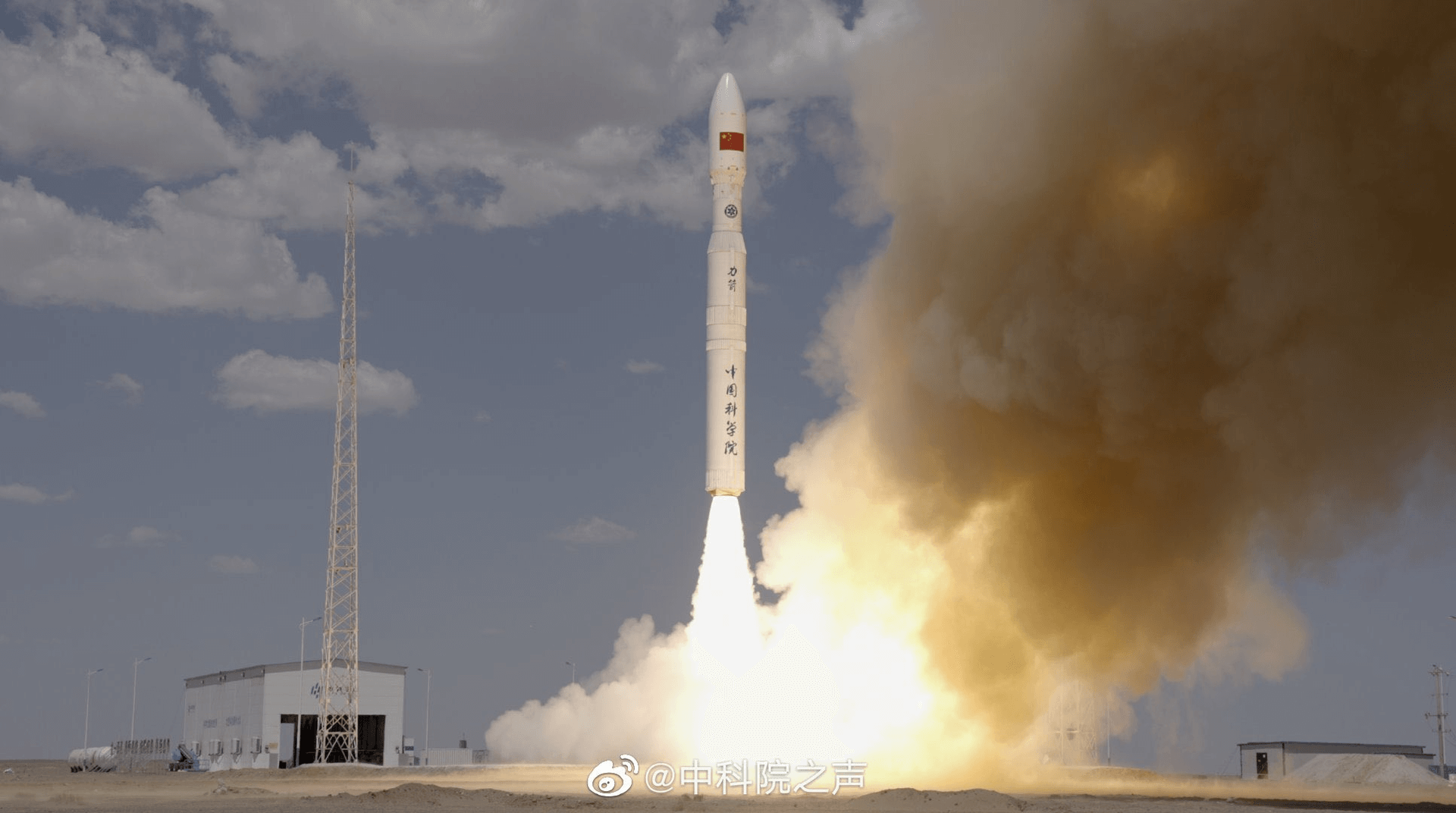
Today's brief highlights a nuclear battery startup's funding boost, advisory board additions in the space sector, and key military updates impacting space operations.

Today's brief covers advancements in satellite technology initiatives by the U.S. Space Force, geopolitical implications in maritime domains, and Sweden's significant military aid package. Additionally, we spotlight a historical satellite with modern implications.

Blue Origin's New Glenn suffered a damaging anomaly during hotfire testing at Launch Complex 36, grounding the heavy-lift rocket indefinitely with no return-to-flight timeline announced.

Space Force projects 25 additional high-energy missions in 2027–2029 window, straining capacity at Vulcan and Falcon Heavy. Capacity constraints will drive military-NASA prioritization debates.
Key developments in the space sector include new partnerships for satellite surveillance, strategic shifts from the Defense Department impacting weather forecasting, and the Space Force's focus on agile satellite technologies.
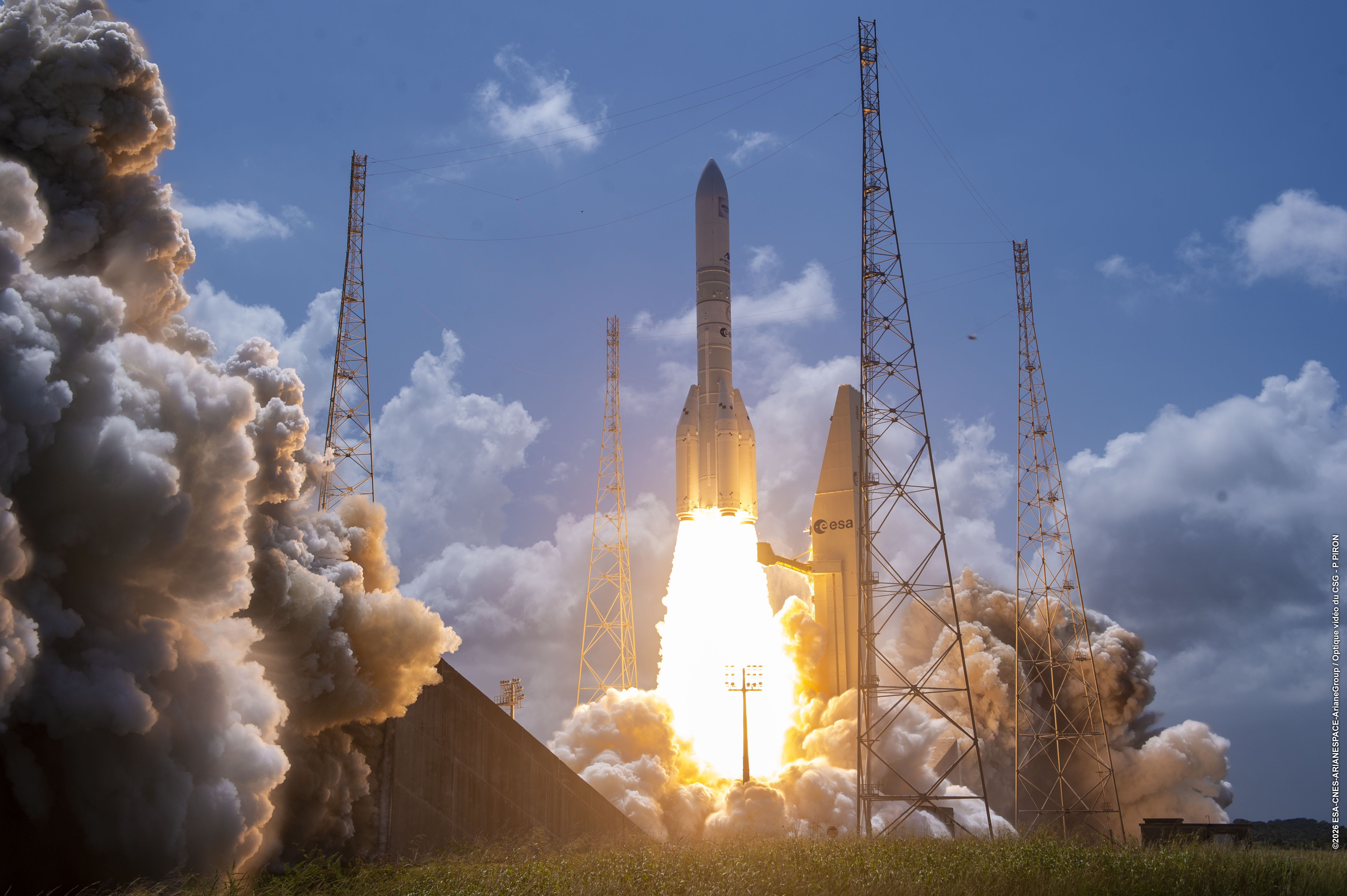
Space Force RCO awarded SBIR contracts for radar-detection payloads to counter adversary surveillance of U.S. satellites. Follow-on miniaturization effort already planned.