


Space Brief 20 Feb 2025
Expansion of national security capabilities with new services, shifts in Pentagon priorities, challenges in zero trust compliance, and more.



Launch Date
September 6, 2008
Launch Site
TAISC
Launch Pad
LC7
Launch Vehicle
Chang Zheng 2C
NORAD ID
33330
International Designator
2008-041L
Decay Date
12/27/2008
Name
CZ-2C DEB
Alternative Name
deb CZ-2C SMA-Y1
Type
Status
Owner
CASC
Country
China
Constellation
N/A
Related Satellites
Major Events
N/A
Length
0
Diameter
0
Span
0
Dry Mass
0
Launch Mass
0
Shape
N/A
Radar Cross Section
0.0754
Visual Magnitude
Unknown
Color
Unknown
Material Composition
Unknown
Payload
Unknown
Purpose
Unknown
Mission
Unknown
Manufacturer
Unknown
Life Expectancy
Unknown
Bus
Unknown
Configuration
Unknown
Motor
Unknown
Equipment
Unknown
Power System
Unknown
ADCS
Unknown
Transmitter Frequency
Unknown
Learn more about satellites and other related topics.
Expansion of national security capabilities with new services, shifts in Pentagon priorities, challenges in zero trust compliance, and more.

Congress passes FY2026 spending bill reinstating NASA funding. Slingshot Aerospace wins $27M Space Force contract for AI satellite training. Portal Space selects Atomic-6 debris shield for 2026 mission.

SpaceX launches dual lunar landers while Starship Flight 7 faces weather delay.

Key insights on Starship development challenges and latest Starlink satellite status.
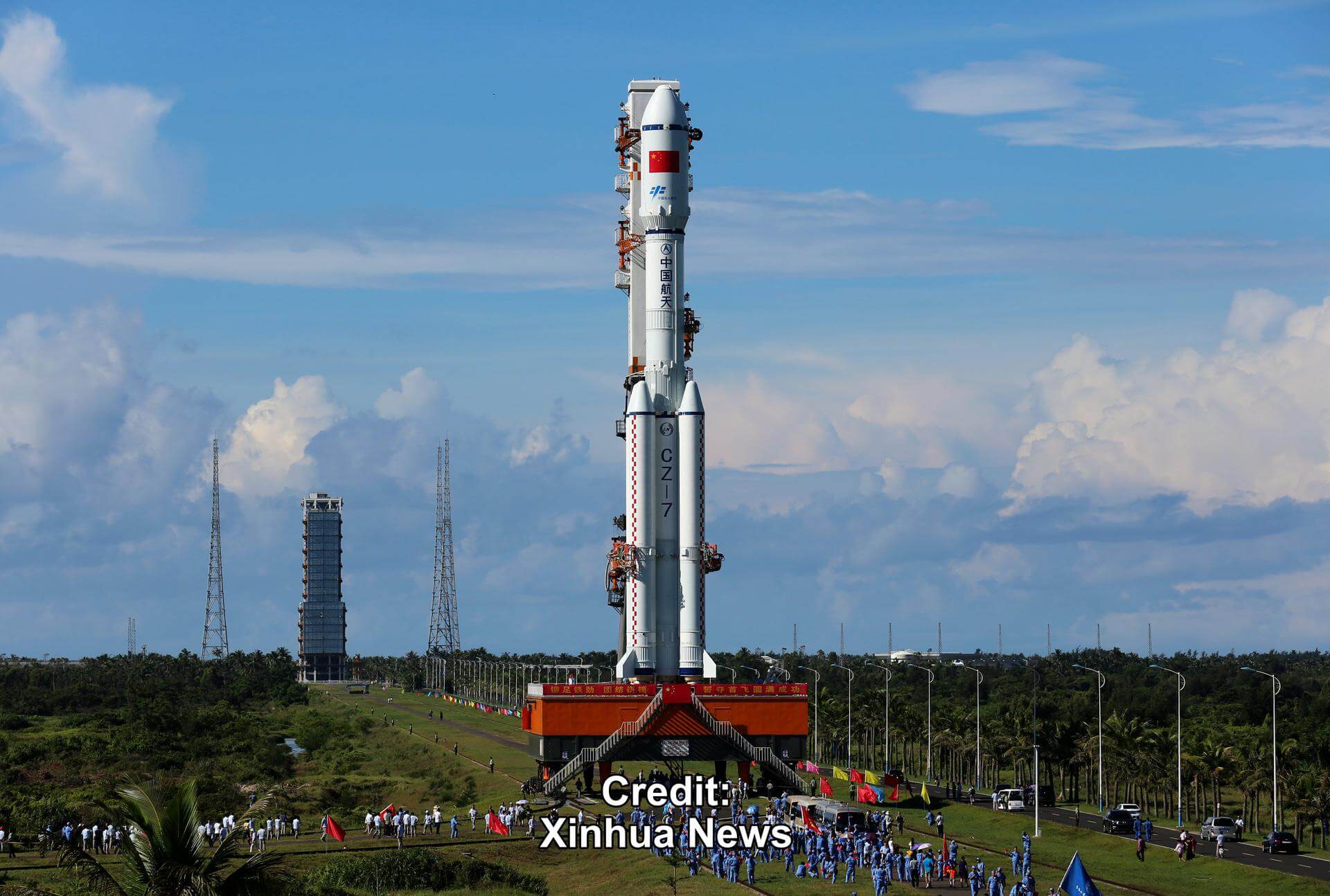
Today's space highlights include China's first classified Shiyan-28B launch, Boeing's major satellite contract, new NASA budget allocations, and plans for shuttle Discovery's relocation.
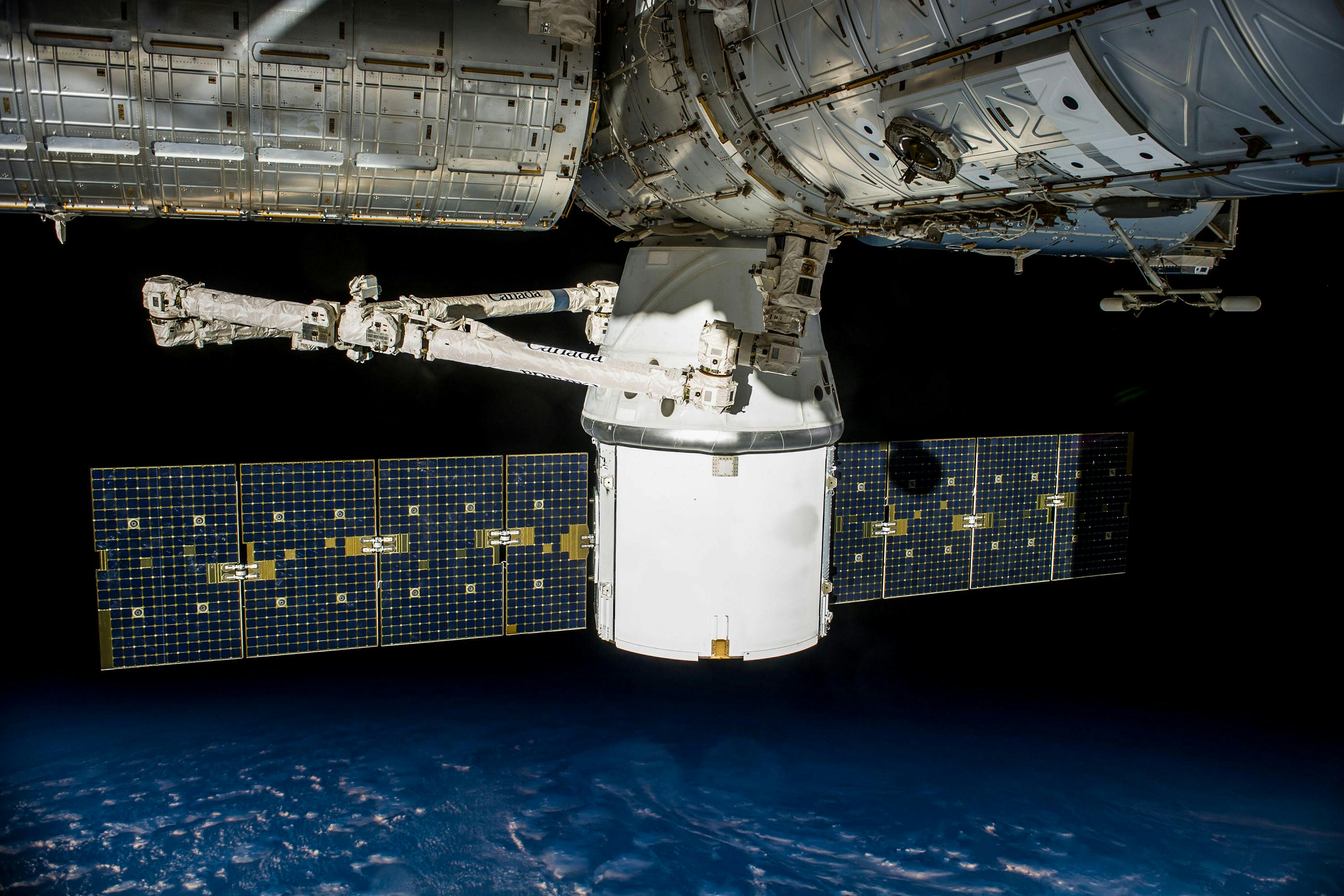
Today's report highlights a catastrophic failure during Starship preparations, significant advancements in Starlink services in Ukraine and India, and the successful launch of 28 Starlink satellites.
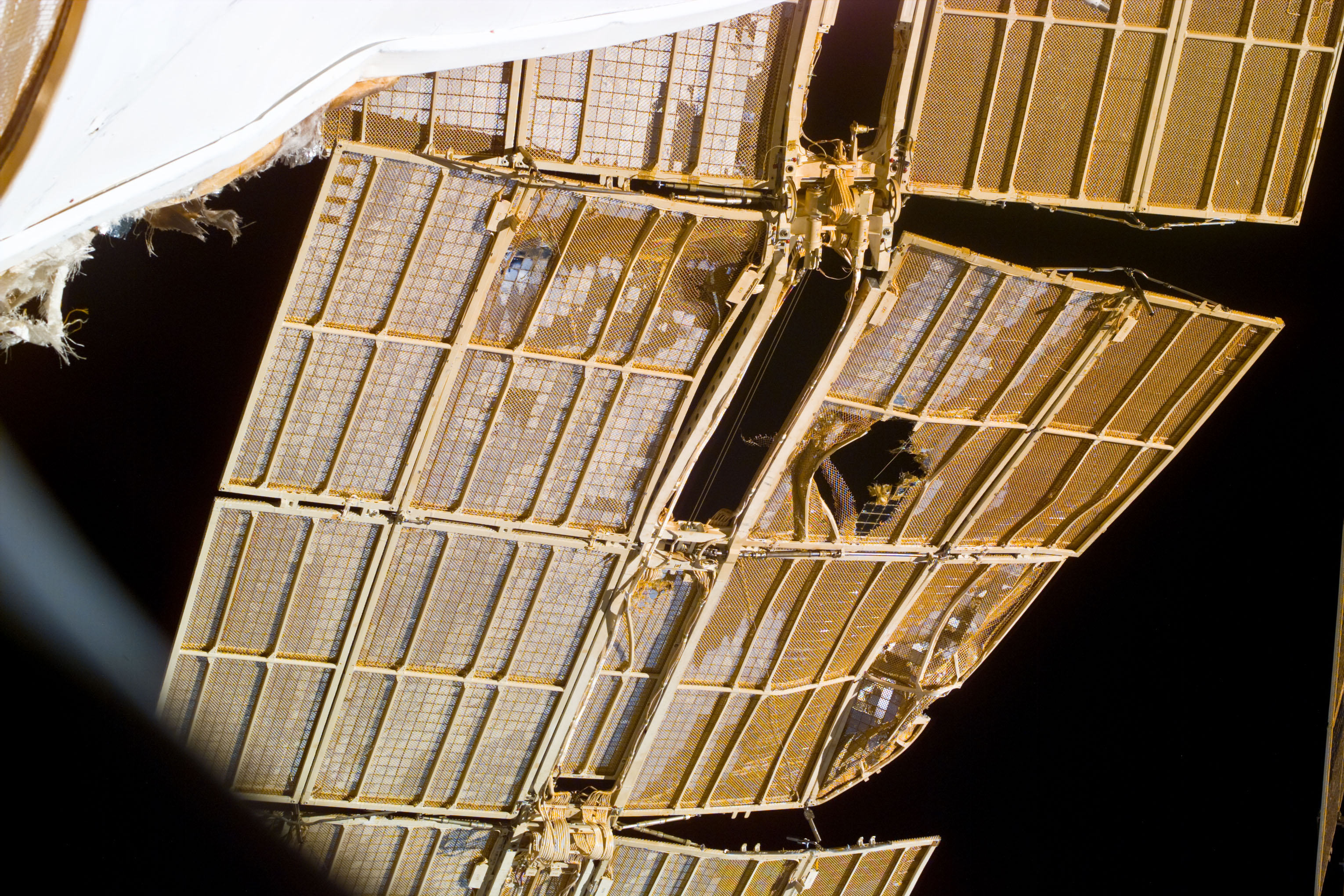
On 25 June 1997, a seven-ton cargo ship under hand control drifted into Mir's Spektr module, breached the hull, and left three crew members listening to their air hiss into space. It remains the worst collision in the history of human spaceflight.

Artemis 2's four-person crew splashed down April 10 after first crewed lunar flyby since Apollo 17. Orion performance data critical for Artemis 3 south pole landing planning.