


Space Brief 29 Aug 2025
Today's Space Brief highlights emerging technologies in space, a contract for U.S. Space Force missions, developments in military operations, and updates on drone advancements.


Launch Date
August 29, 2008
Launch Site
Launch Pad
LC109/95
Launch Vehicle
Dnepr
NORAD ID
33314
International Designator
2008-040C
Epoch
Sat, 04 Jul 2026 01:13:57 GMT
Apogee
Calculating...
Perigee
Calculating...
Inclination
97.41°
Right Ascension
212.29°
Eccentricity
Calculating...
Argument of Perigee
120.10°
Period
95.78 min
Mean Motion
15.03 rev/day
Latitude
Calculating...
Longitude
Calculating...
Altitude
Calculating...
Velocity
Calculating...
Name
RAPIDEYE 1
Alternative Name
Tachys
Type
Status
Owner
REYE
Country
Germany
Constellation
N/A
Related Satellites
Major Events
N/A
1 33314U 08040C 26185.05135895 .00001392 00000-0 10564-3 0 9998
2 33314 97.4085 212.2948 0028992 120.1046 240.3060 15.03449365968199
Source: Celestrak
Length
1
Diameter
0.8
Span
1
Dry Mass
140
Launch Mass
152
Shape
Hept Cyl
Radar Cross Section
0.4019
Visual Magnitude
Unknown
Color
Unknown
Material Composition
Unknown
Payload
RapidEye 1
Purpose
Earth observation
Mission
Earth observation
Manufacturer
SSTL
Life Expectancy
7 years
Bus
SSTL-150
Configuration
SSTL-150
Motor
?
Equipment
CCD-based earth imaging system
Power System
Solar cells, batteries
ADCS
Unknown
Transmitter Frequency
Unknown
Learn more about satellites and other related topics.
Today's Space Brief highlights emerging technologies in space, a contract for U.S. Space Force missions, developments in military operations, and updates on drone advancements.
Today's highlights include SpaceX's Dragon cargo mission to the ISS, the first wooden satellite launch, and updates on NASA's Voyager mission. Additionally, the Space Force's X-37B space plane showcases unique aerobraking strategies.
NASA's Artemis 2 launches April 1 with Commander Reid Wiseman and 3 crew members for first crewed lunar flyby since Apollo 17 in 1972.

Artemis II SLS/Orion rolls to Launch Complex 39B for first crewed lunar mission since 1972. China suffers dual launch failures on the same day. SpainSat NG 2 declared total loss from debris strike.
Focus on Varda's second mission launch, new U.S. Defense Department tool for satellite anomaly investigation, and a detailed Satellite Spotlight on CELESTIS 21/Varisat 1C.
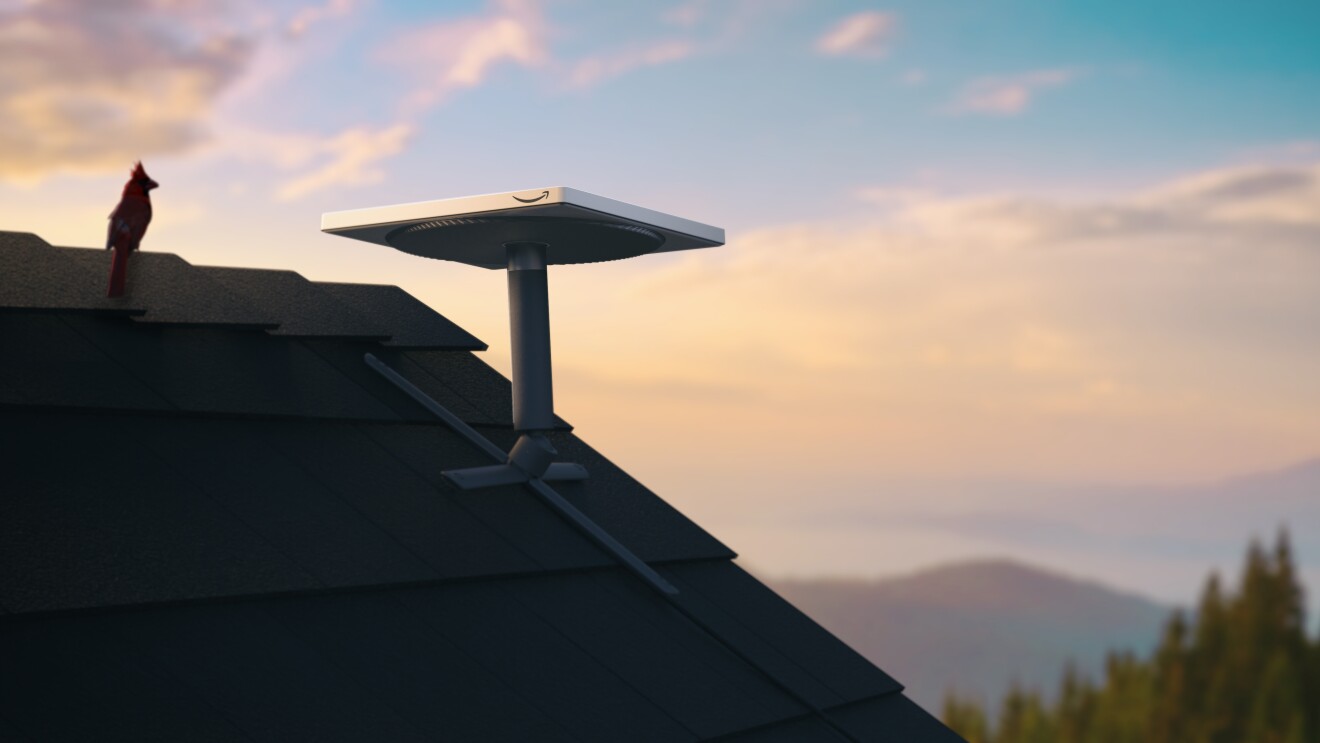
Today's brief covers key topics such as SpaceX's latest Starlink launch, the European Space Agency's new initiatives, and Space Force's integration of AI into its operations.
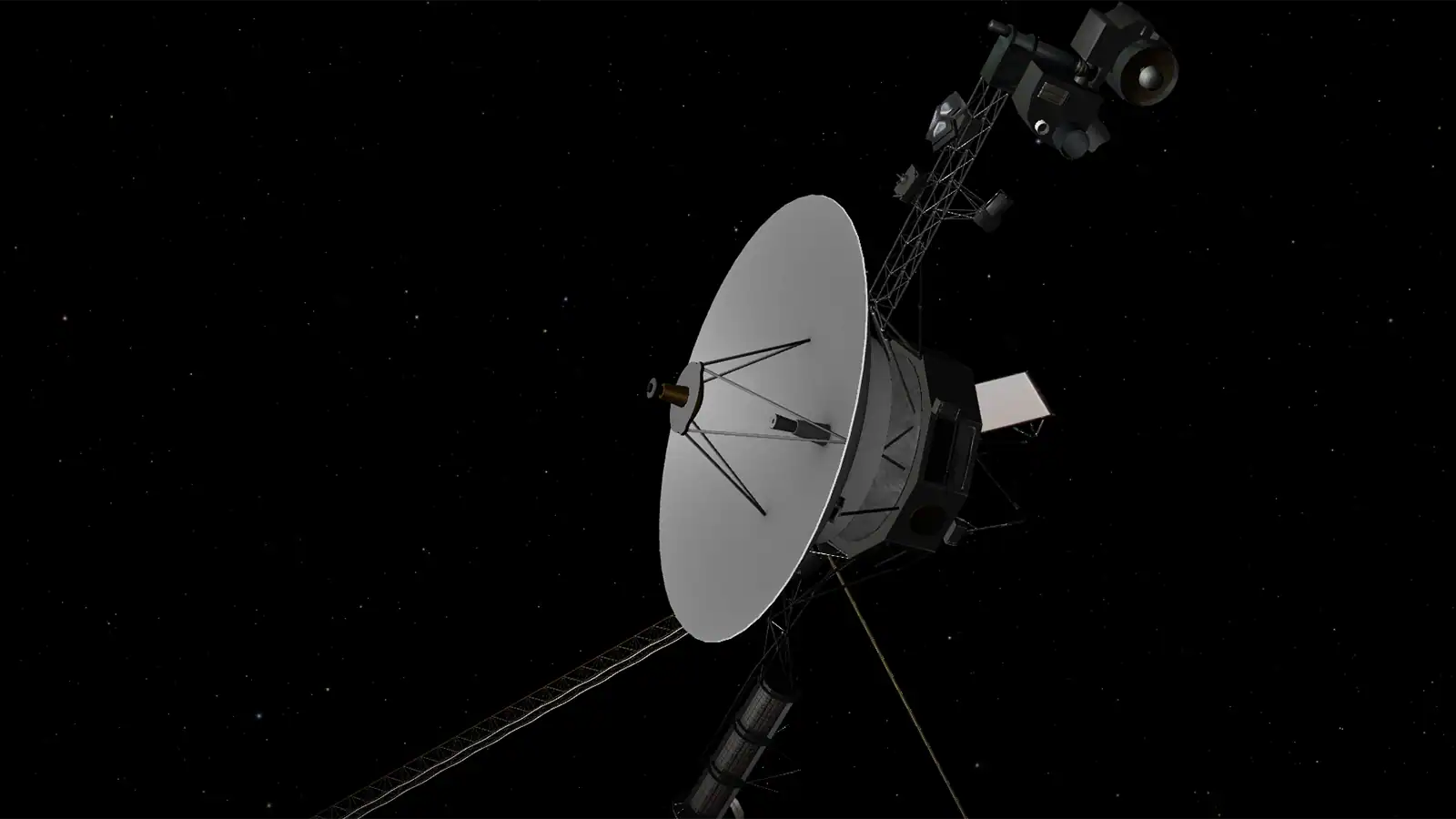
In November 2023, Earth's most distant spacecraft started speaking gibberish. Five months, one dead memory chip, and 30 billion miles of round-trip troubleshooting later, engineers got it talking again - using code written before most of them were born.
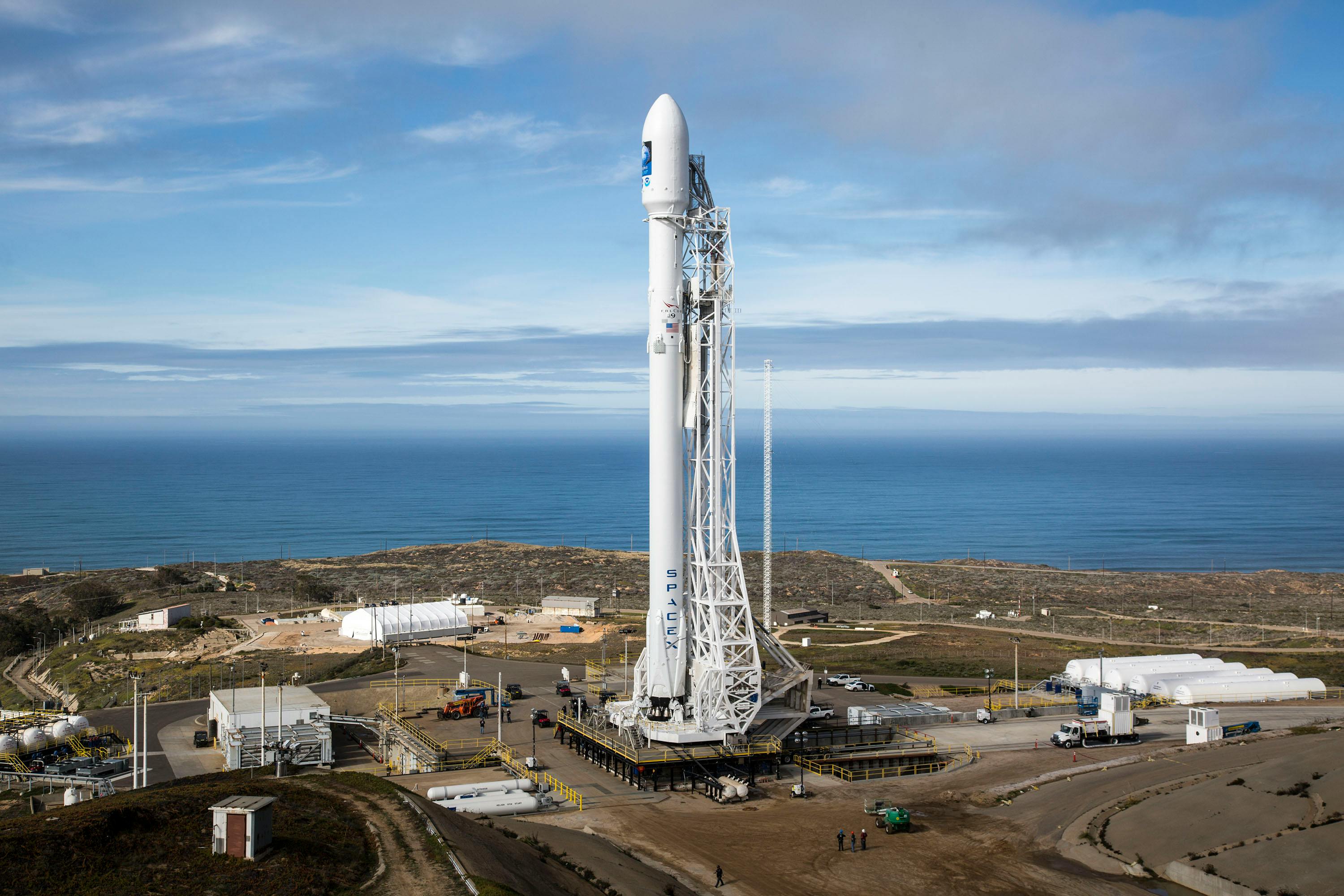
SpaceX successfully launched 29 Starlink satellites on the record-breaking 32nd flight of its Falcon 9 rocket. Elon Musk discusses a potential future as a Type II civilization, emphasizing the role of AI and satellite technology.