


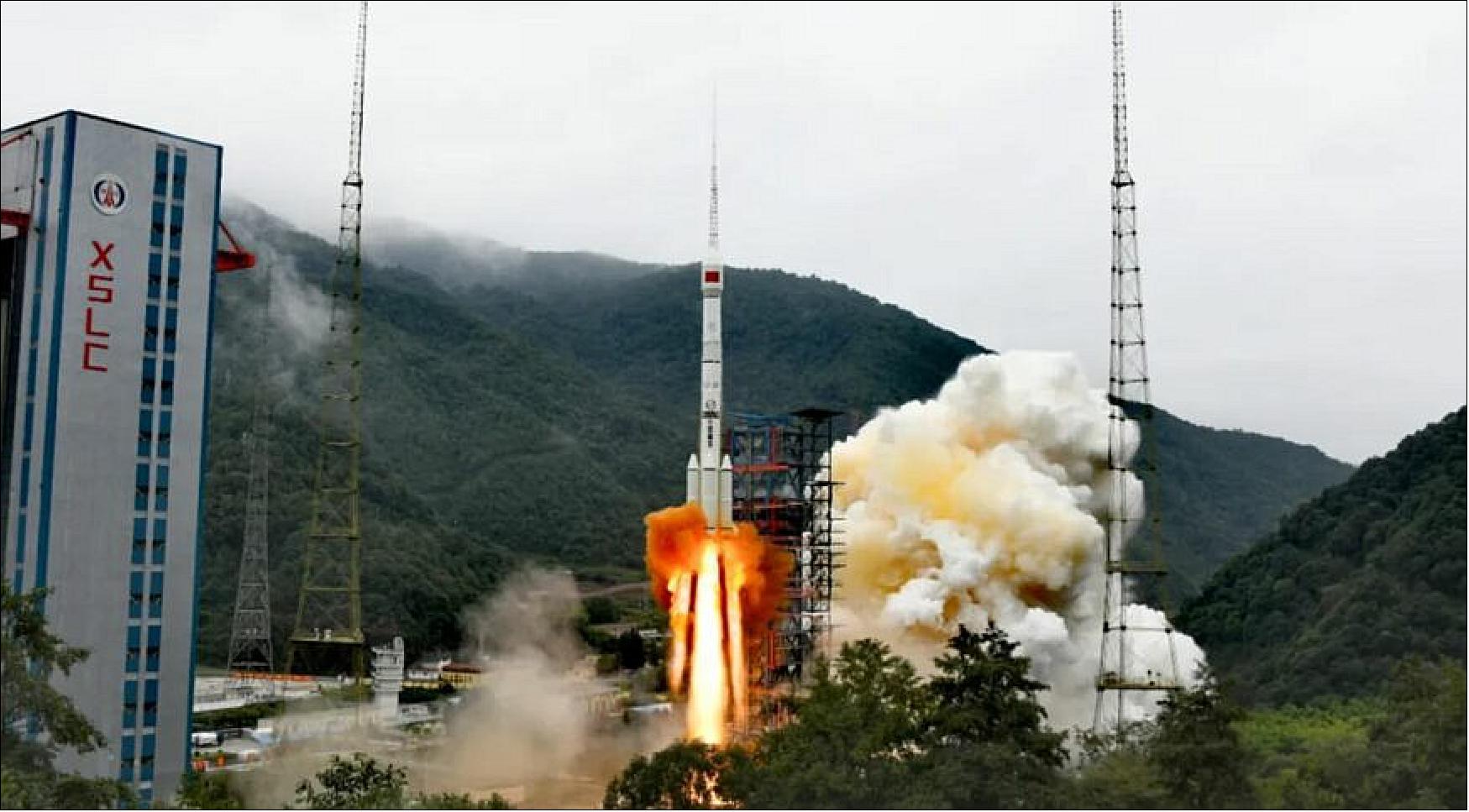
Space Brief 26 Oct 2024
Explore the recent signing of the Artemis Accords by Chile, Boeing's strategic considerations, and captivating space missions including China's satellite endeavors and the James Webb Space Telescope's latest discovery.


Launch Date
June 19, 2008
Launch Site
KYMSC
Launch Pad
LC107
Launch Vehicle
Kosmos 11K65M
NORAD ID
33062
International Designator
2008-031C
Epoch
Fri, 03 Jul 2026 10:04:55 GMT
Apogee
Calculating...
Perigee
Calculating...
Inclination
48.44°
Right Ascension
312.12°
Eccentricity
Calculating...
Argument of Perigee
230.45°
Period
97.11 min
Mean Motion
14.83 rev/day
Latitude
Calculating...
Longitude
Calculating...
Altitude
Calculating...
Velocity
Calculating...
Name
ORBCOMM FM29
Alternative Name
Orbcomm J1
Type
Status
Owner
ORBC
Country
United States
Constellation
N/A
Related Satellites
Major Events
N/A
1 33062U 08031C 26184.42008442 .00001671 00000-0 23076-3 0 9997
2 33062 48.4396 312.1173 0006102 230.4513 173.0832 14.82845229970695
Source: Celestrak
Length
1.3
Diameter
0.6
Span
1.5
Dry Mass
91
Launch Mass
91
Shape
Box + Ant
Radar Cross Section
0.7302
Visual Magnitude
Unknown
Color
Unknown
Material Composition
Unknown
Payload
Orbcomm FM29/CDS-3
Purpose
Experimental communication M2M/IoT, traffic monitoring
Mission
Experimental communication M2M/IoT, traffic monitoring
Manufacturer
OHB/POLK
Life Expectancy
Unknown
Bus
Sterkh
Configuration
Sterkh Bus
Motor
Unknown
Equipment
Orbcomm payload, AIS-receiver
Power System
2 deployable solar arrays, batteries
ADCS
Unknown
Transmitter Frequency
Unknown
Learn more about satellites and other related topics.
Explore the recent signing of the Artemis Accords by Chile, Boeing's strategic considerations, and captivating space missions including China's satellite endeavors and the James Webb Space Telescope's latest discovery.

SpaceX carried out a double-header Starlink launch from both coasts while milestones from Max Space and Lux Aeterna signal growth in the commercial space sector.

Twelve years ago, South Korea successfully launched a satellite using its own launch vehicle and facilities for the first time, marking a crucial milestone in its journey to space independence

Blue Origin aiming for 2nd New Glenn launch by end of 2026 after LC-36 pad explosion at Cape Canaveral. Repair timeline still unclear; mission critical for national security payloads.

Artemis II grabbed the headlines, but six other missions are quietly approaching milestones that could reshape what we know about Mercury, Mars, asteroids, exoplanets, and the Moon's south pole. Here is what is actually happening with each of them.
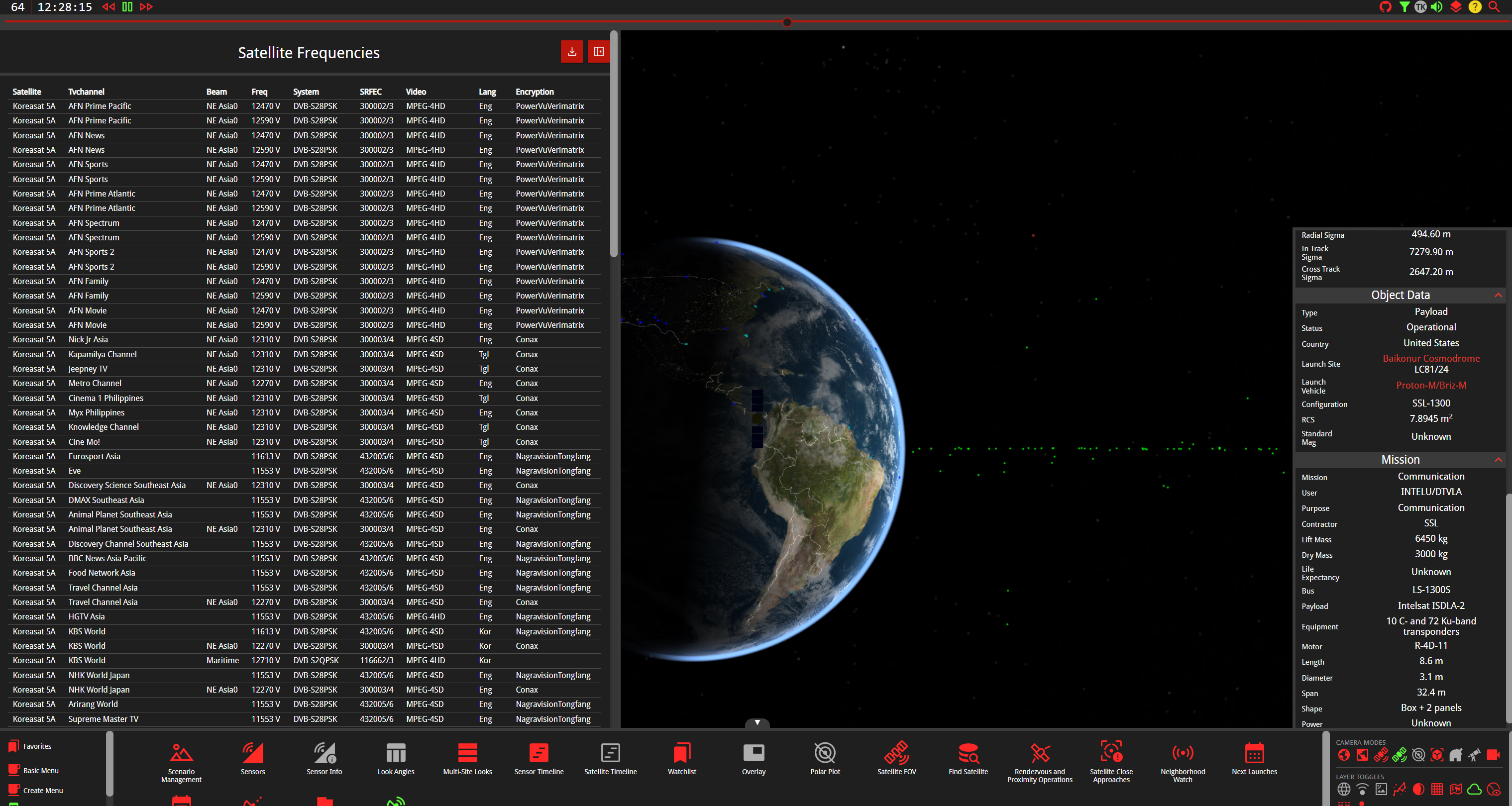
The workhorse frequency band that quietly powers satellite communications, weather radar, and Wi-Fi around the world
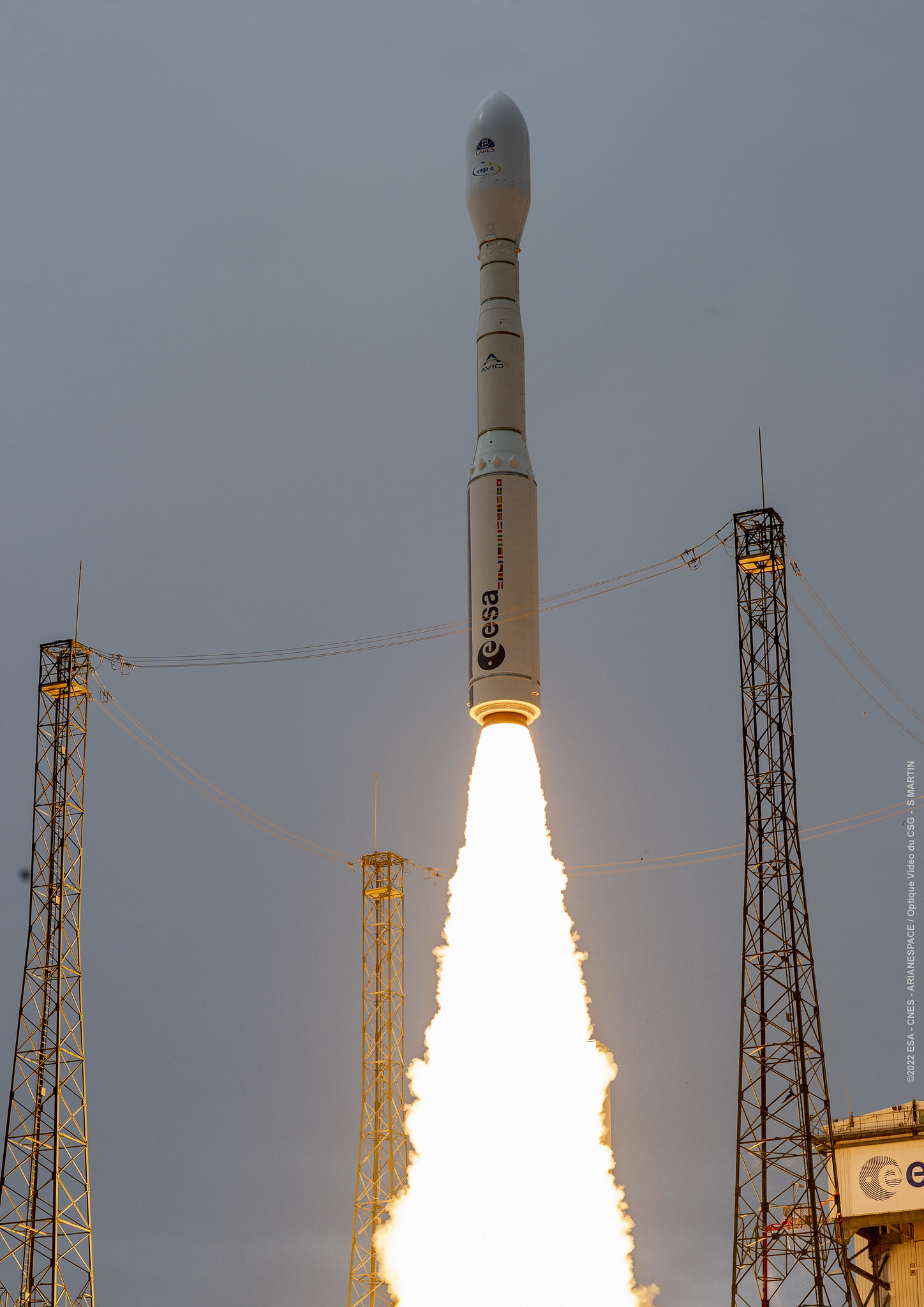
SpaceX launches a doubleheader of satellites while Blue Origin prepares for a historic all-female spaceflight. Also, meet FORMOSAT-5 in our Satellite Spotlight.

Major challenges emerged with SpaceX's next-generation Starship booster testing, while Starlink deployments continued with successful launches.