

Space Brief 4 Nov 2024
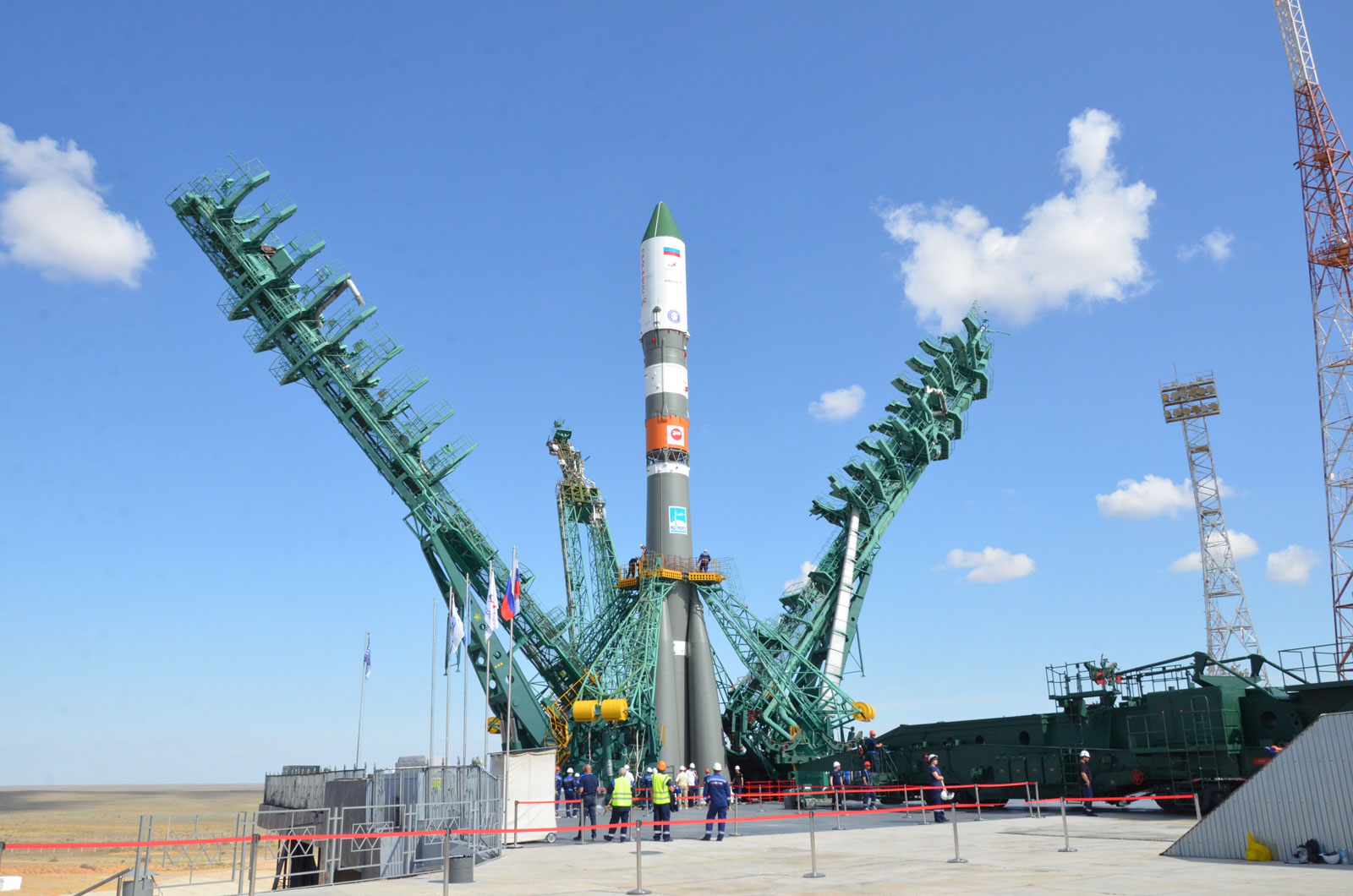
China's Tiangong space station completes crew rotation, Rocket Lab prepares for confidential launch, and Japan successfully launches military satellite with its H3 rocket.



Launch Date
June 25, 2006
Launch Site
Launch Pad
LC90/20
Launch Vehicle
Tsiklon-2
NORAD ID
33049
International Designator
2006-026KE
Decay Date
6/30/2008
Name
COSMOS 2421 DEB
Alternative Name
deb Kosmos-2421
Type
Status
Owner
KVR
Country
Russia
Constellation
N/A
Related Satellites
Major Events
N/A
Length
0
Diameter
0
Span
0
Dry Mass
0
Launch Mass
0
Shape
N/A
Radar Cross Section
0.0092
Visual Magnitude
Unknown
Color
Unknown
Material Composition
Unknown
Payload
Unknown
Purpose
Unknown
Mission
Unknown
Manufacturer
ARSL
Life Expectancy
Unknown
Bus
Unknown
Configuration
Unknown
Motor
Unknown
Equipment
Unknown
Power System
Unknown
ADCS
Unknown
Transmitter Frequency
Unknown
Learn more about satellites and other related topics.
China's Tiangong space station completes crew rotation, Rocket Lab prepares for confidential launch, and Japan successfully launches military satellite with its H3 rocket.
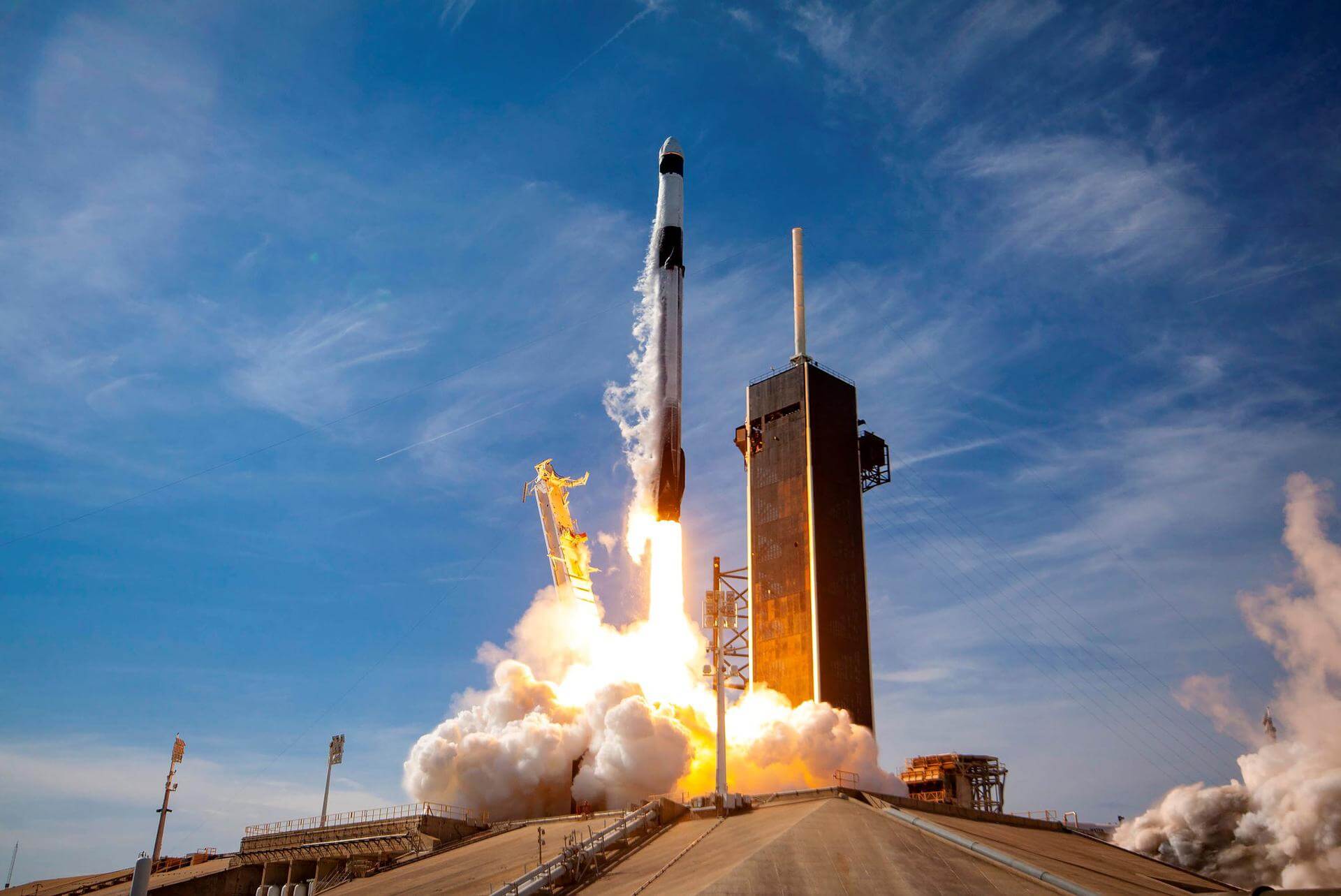
NRO awards three commercial satellite contracts, expanding scope to dynamic military target tracking. Former NASA chief Bridenstine joins Quantum Space for cislunar operations.
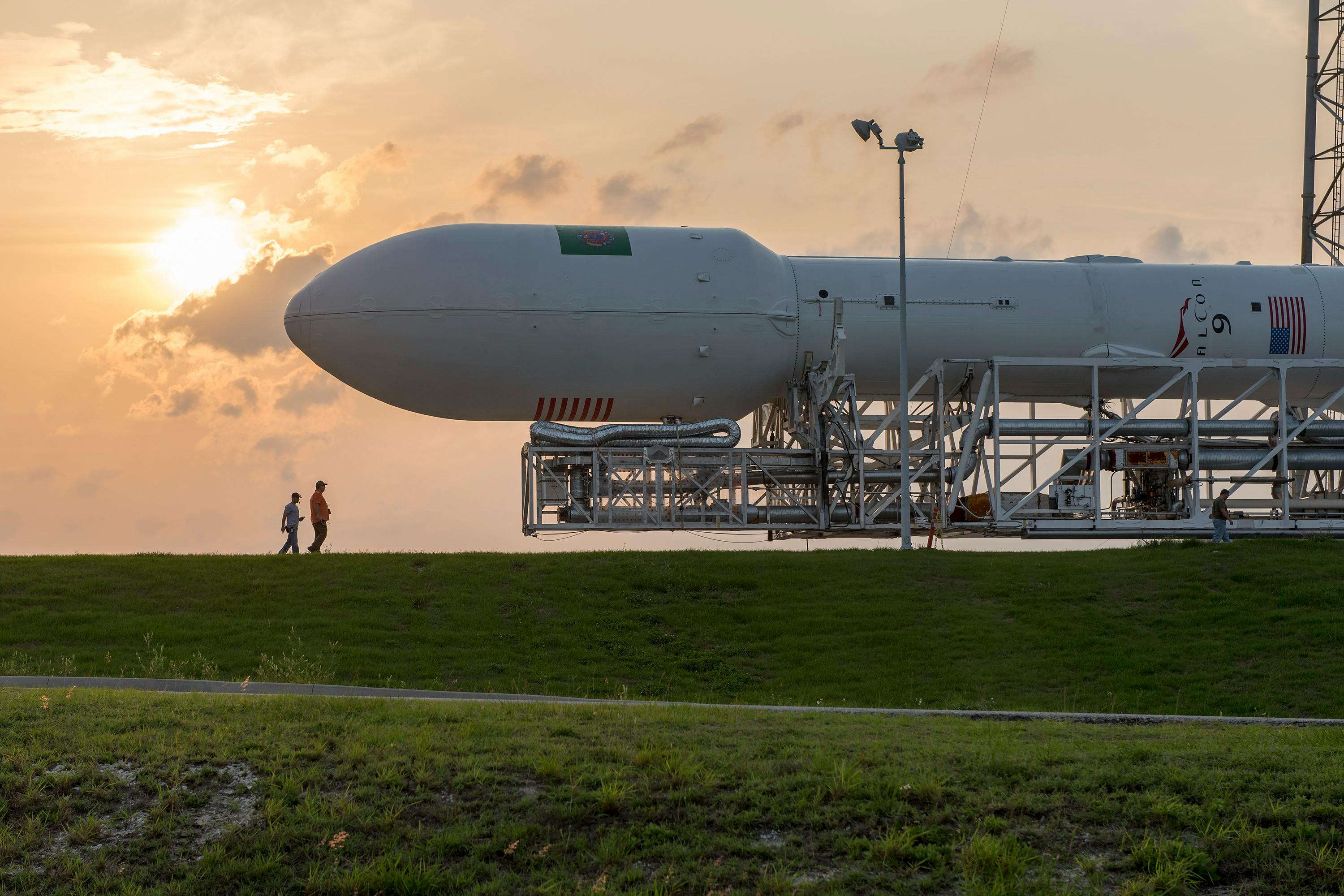
SpaceX prepares for another Starlink launch while facing potential C-band spectrum challenges.

SpaceX continues to make strides in both its Starship program and Starlink satellite deployments, with a successful launch of 24 Starlink satellites and preparations for upcoming missions.
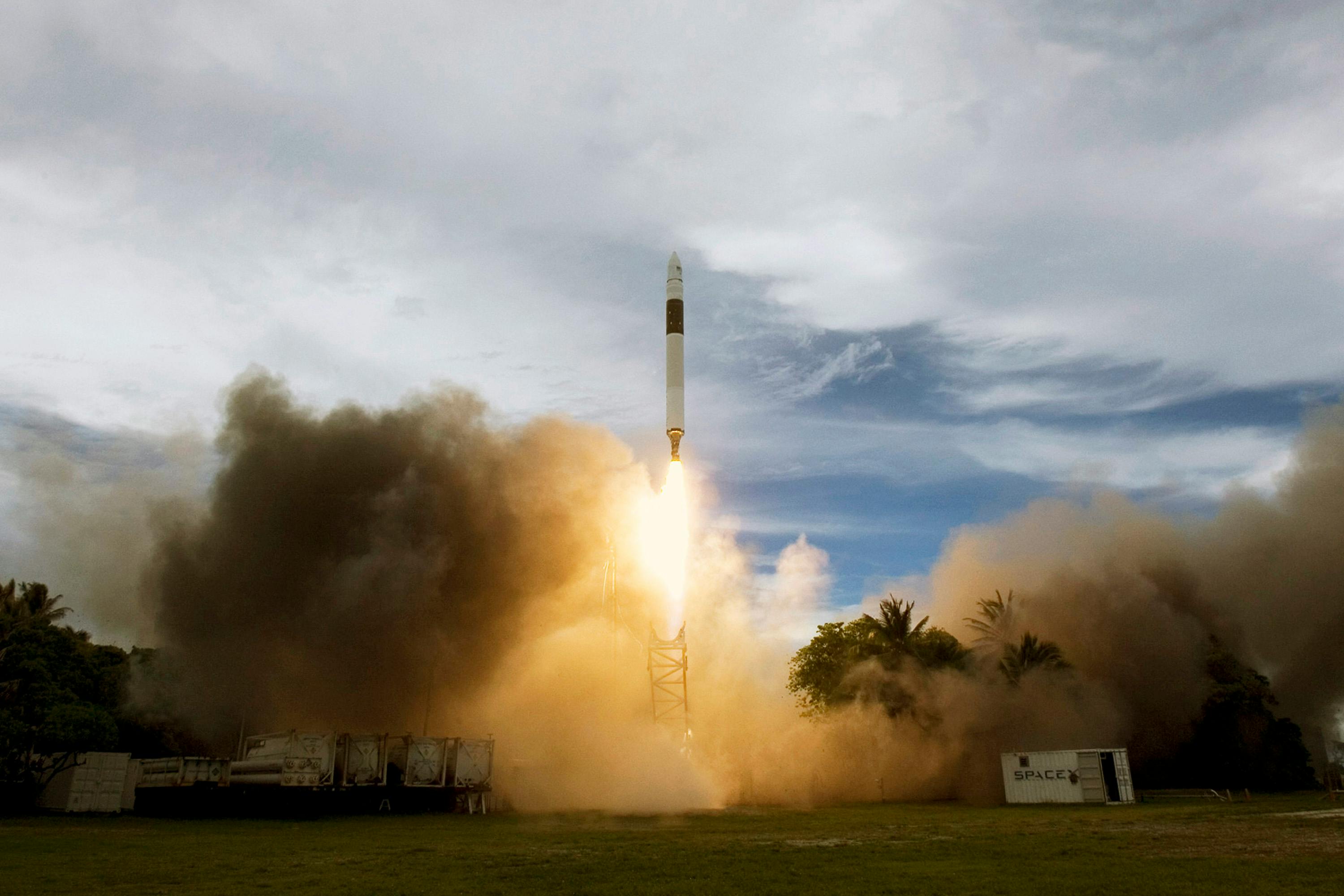
SpaceX successfully launched 28 Starlink satellites while EchoStar enhances its stake in the company through a $2.6 billion spectrum deal, amid growing demands for space domain awareness.

Today's Space Brief covers reentries, the impact of NOAA dismissals on space weather tracking, a strategic academic partnership probing cosmic mysteries, and a newly unveiled space motto.

SpaceX faced delays in launching its 10th Starship test flight while successfully deploying a Cargo Dragon to resupply the ISS, marking a significant milestone in the ongoing collaboration with NASA.
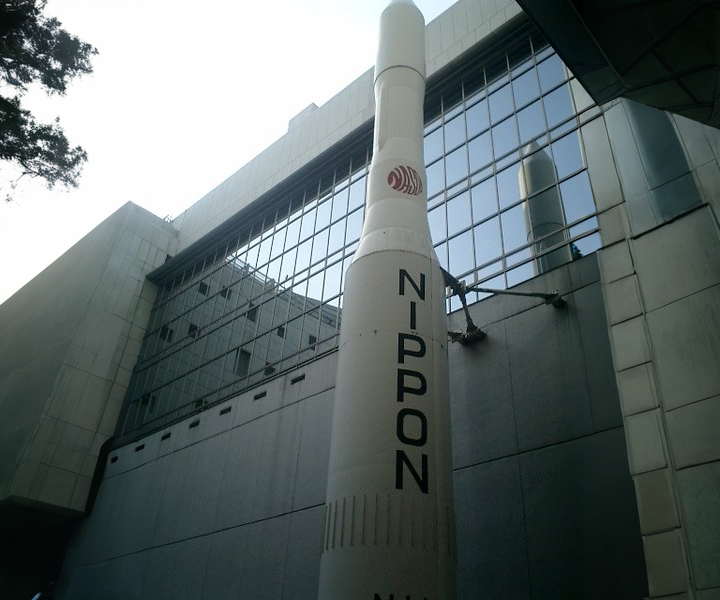
Forty-eight years ago, a pioneering satellite named Kiku 2 propelled Japan into the exclusive group of nations capable of operating satellites in geostationary orbit