


Space Brief 14 Apr 2025
Today's highlights include SpaceX's record-breaking Falcon launches, urgent warnings about orbital collisions, and a doubleheader launch featuring spy and Starlink satellites.


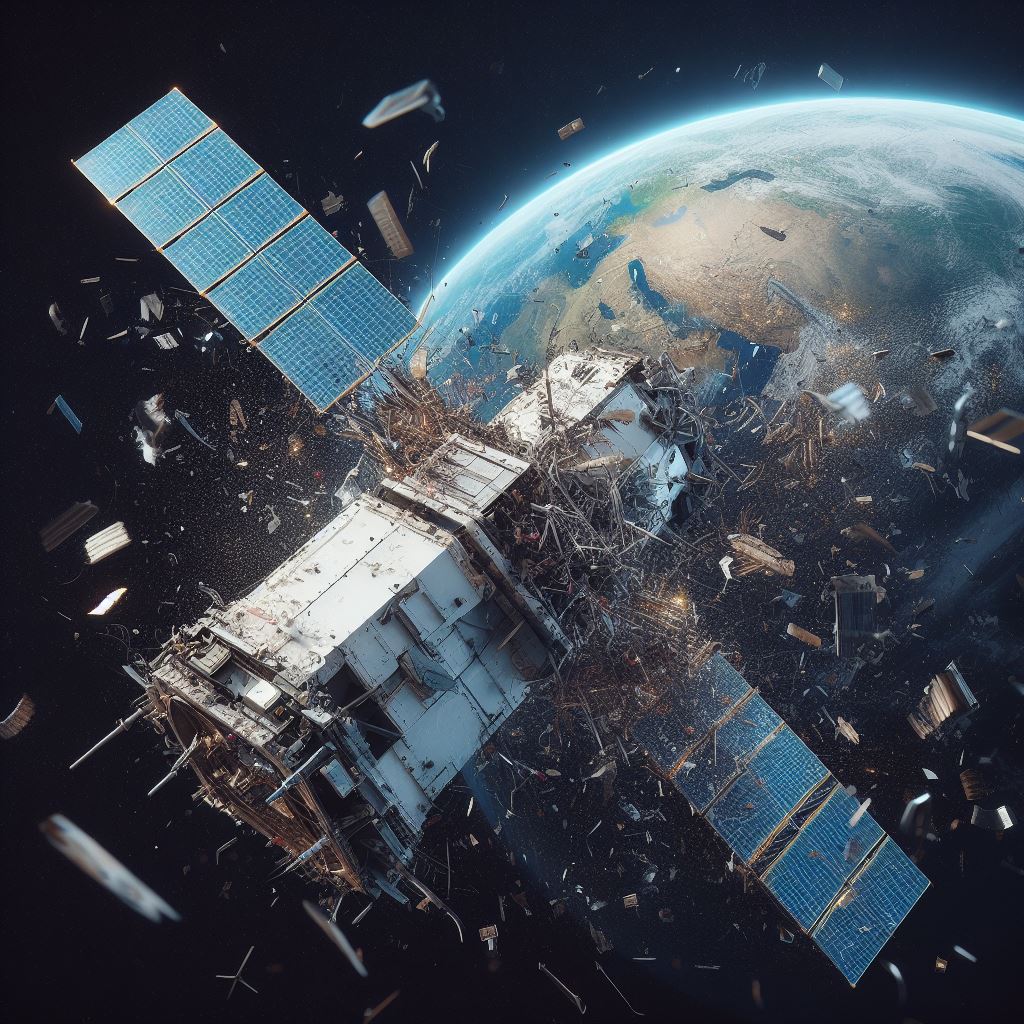
Launch Date
June 25, 2006
Launch Site
Launch Pad
LC90/20
Launch Vehicle
Tsiklon-2
NORAD ID
32904
International Designator
2006-026FF
Decay Date
6/16/2008
Name
COSMOS 2421 DEB
Alternative Name
deb Kosmos-2421
Type
Status
Owner
KVR
Country
Russia
Constellation
N/A
Related Satellites
Major Events
N/A
Length
0
Diameter
0
Span
0
Dry Mass
0
Launch Mass
0
Shape
N/A
Radar Cross Section
0.0405
Visual Magnitude
Unknown
Color
Unknown
Material Composition
Unknown
Payload
Unknown
Purpose
Unknown
Mission
Unknown
Manufacturer
ARSL
Life Expectancy
Unknown
Bus
Unknown
Configuration
Unknown
Motor
Unknown
Equipment
Unknown
Power System
Unknown
ADCS
Unknown
Transmitter Frequency
Unknown
Learn more about satellites and other related topics.
Today's highlights include SpaceX's record-breaking Falcon launches, urgent warnings about orbital collisions, and a doubleheader launch featuring spy and Starlink satellites.
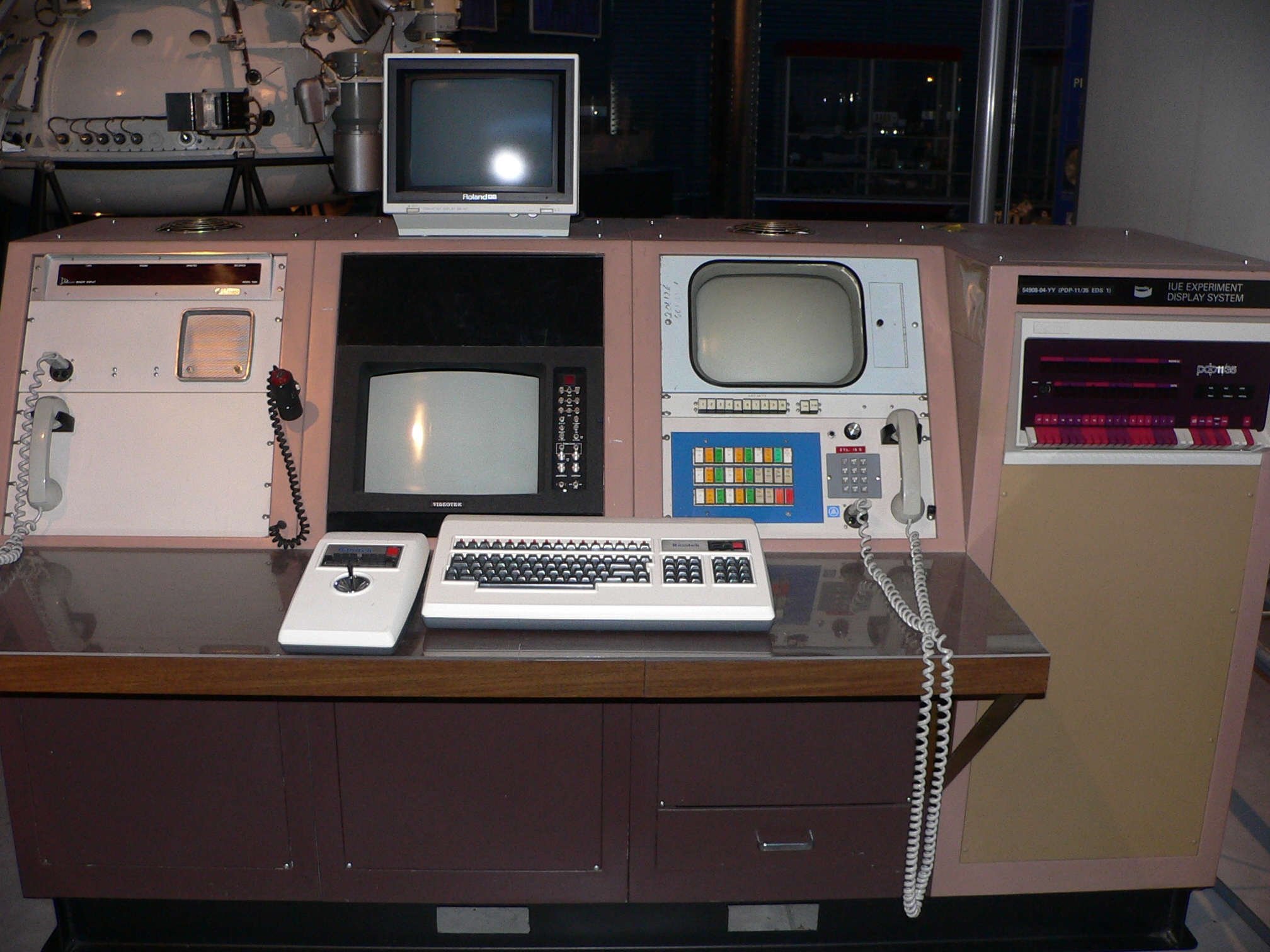
Forty-seven years ago, a revolutionary space telescope changed our view of the cosmos, pioneering international cooperation in space-based astronomy
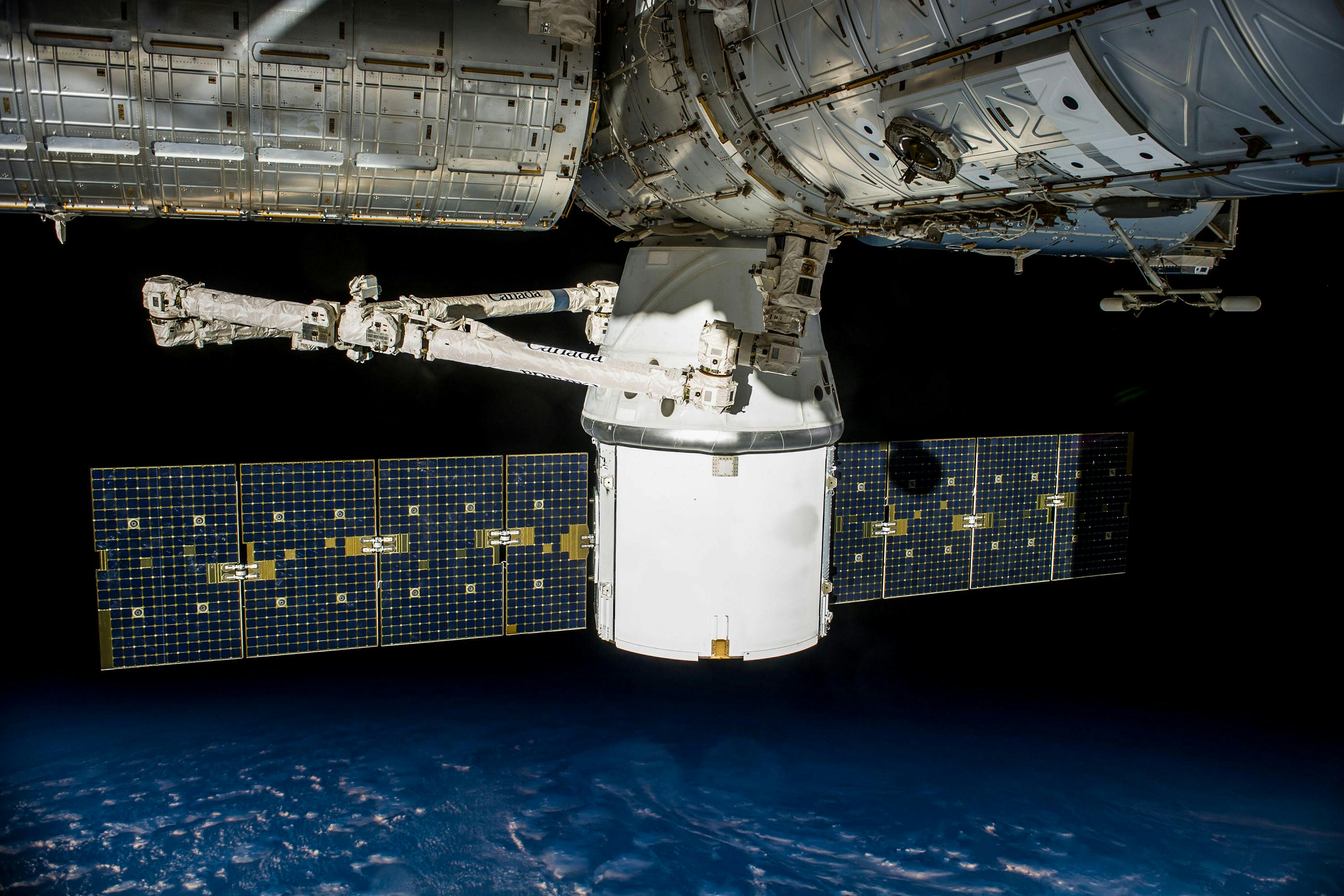
SpaceX launched NROL-179 from Vandenberg at 1:50 a.m. PDT June 19, carrying Starshield spy satellites for the National Reconnaissance Office.
Today's Space Brief brings updates on the U.S. Space Force's upcoming missions, in-space technology strategies, the challenges faced by new launchers, and advancements in satellite communication.
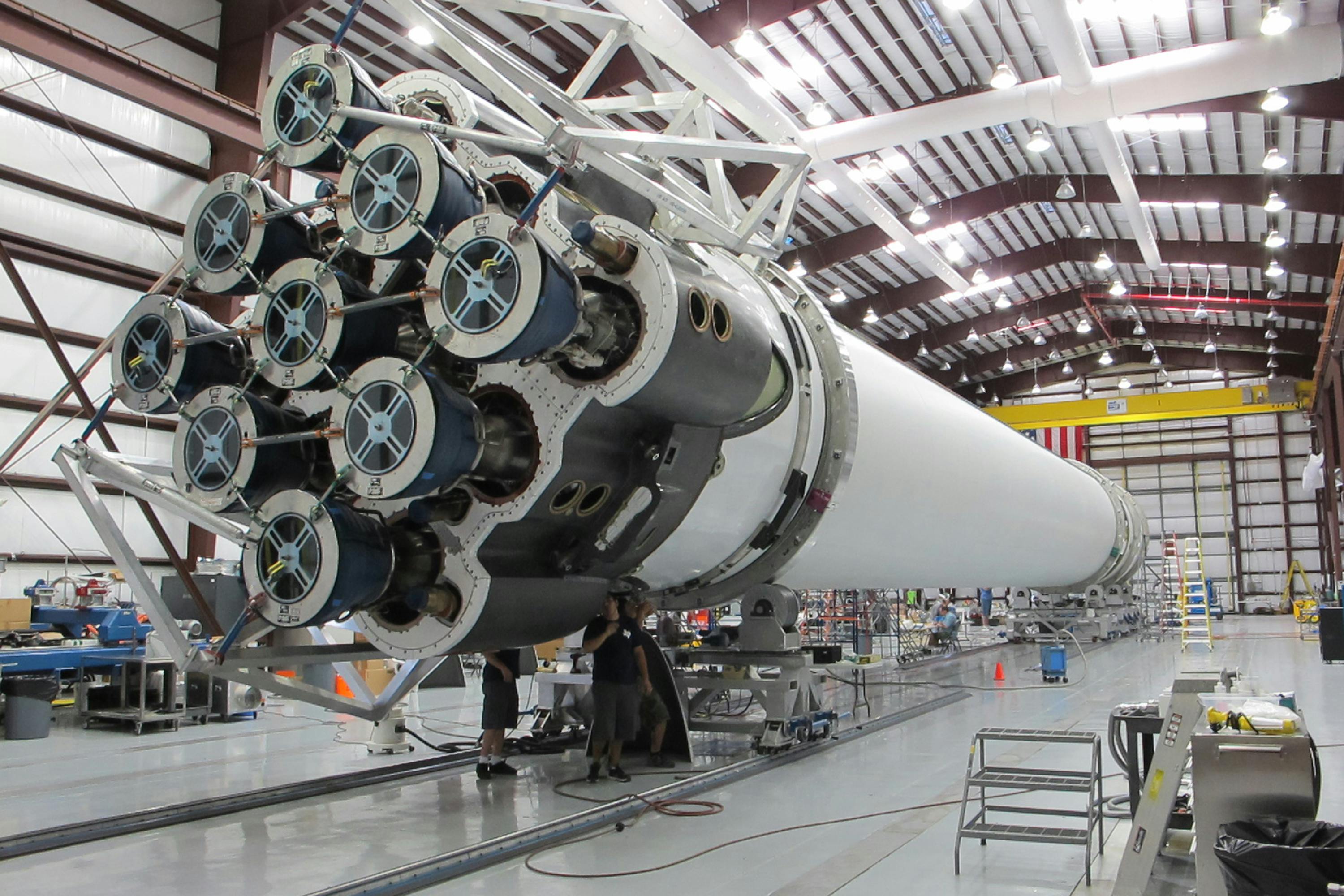
SpaceX faces setbacks with Starship Flight 8 amid debris fallout, achieves regulatory win for smartphone connectivity, and prepares for upcoming ISS missions.
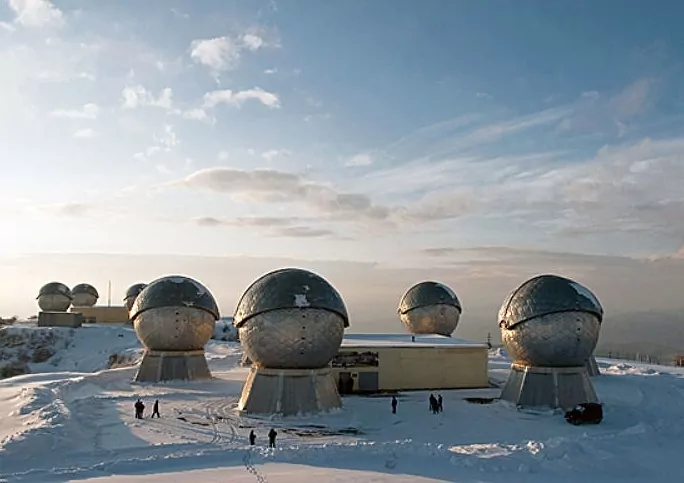
An analysis of Russia's independent space tracking system and how it compares to the established U.S. Space Surveillance Network
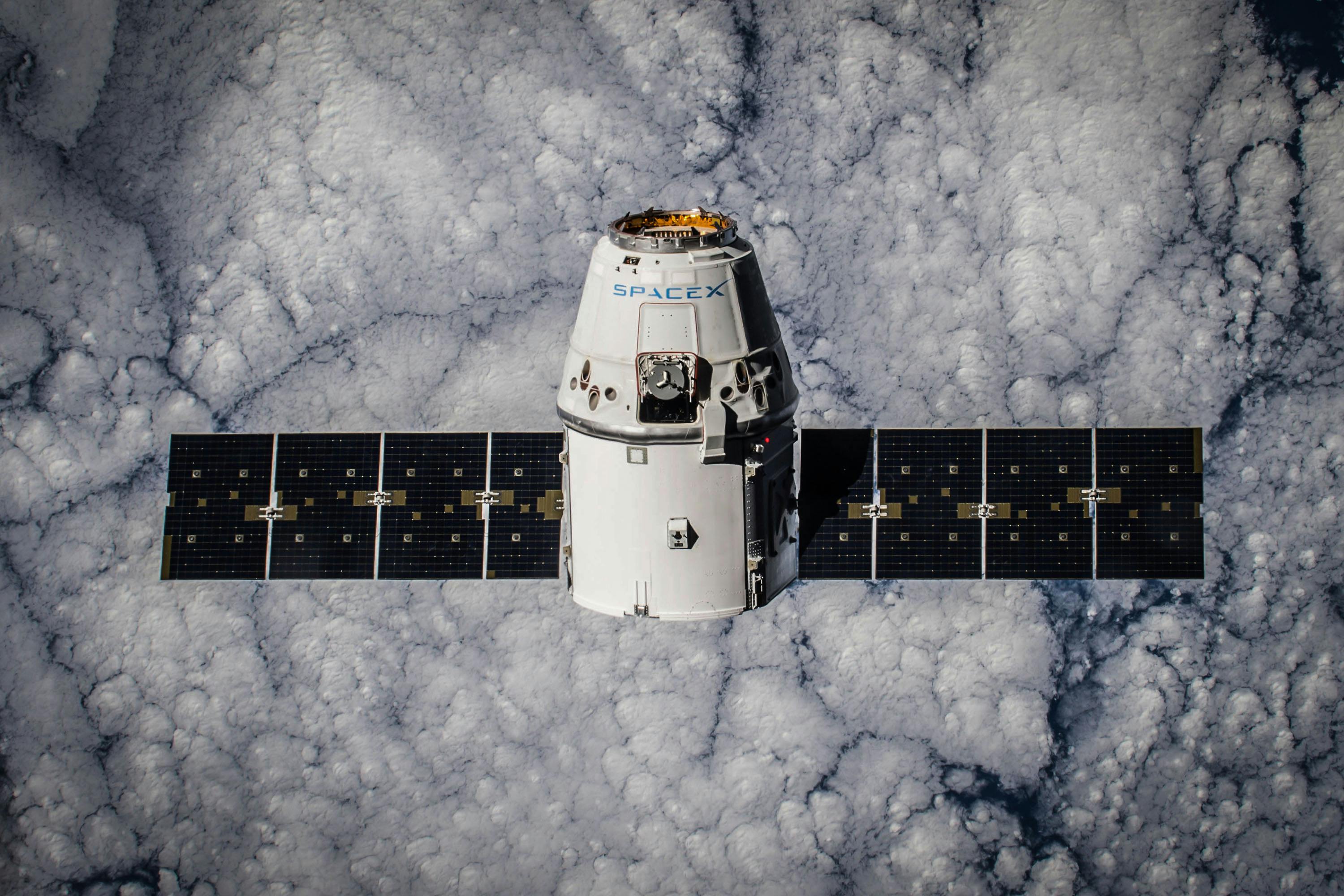
SpaceX continues making strides in satellite deployments and Starship preparations while managing challenges in space traffic.

NASA's Van Allen Probe A (1,300 lbs) reenters today after 14 years studying Earth's radiation belts. Most debris will burn up; ocean impact statistically likely.