COSMOS 2421 DEB (32901)

COSPAR: 2006-026FC | Alt Name: deb Kosmos-2421
DECAYED

Image
COSMOS 2421 DEB Satellite Image
Additional Sources
Launch Details

Launch Date

June 25, 2006

Launch Pad

LC90/20

Launch Vehicle

Tsiklon-2

Orbital Elements

NORAD ID

32901

International Designator

2006-026FC

Decay Date

10/23/2008

Basic Satellite Info

Name

COSMOS 2421 DEB

Alternative Name

deb Kosmos-2421

Type

Debris

Status

Space Junk

Owner

KVR

Country

Russia

Constellation

N/A

Related Satellites

Major Events

N/A

Summary
Space debris, also known as space junk, encompasses all non-functional objects orbiting Earth such as defunct satellites, spent rocket stages, and fragments from collisions or disintegrations. Over time, this debris can accumulate and create an increasingly hazardous environment in orbit. Even tiny fragments, traveling at extremely high velocities, can inflict significant damage on operational satellites and spacecraft. If left unmanaged, the density of debris raises the risk of catastrophic collisions and further fragmentation, compounding the problem and threatening the safety and sustainability of space activities.
Physical Characteristics

Length

0

Diameter

0

Span

0

Dry Mass

0

Launch Mass

0

Shape

N/A

Radar Cross Section

0.0211

Visual Magnitude

Unknown

Color

Unknown

Material Composition

Unknown

Technical Details

Payload

Unknown

Purpose

Unknown

Mission

Unknown

Manufacturer

ARSL

Life Expectancy

Unknown

Bus

Unknown

Configuration

Unknown

Motor

Unknown

Equipment

Unknown

Power System

Unknown

ADCS

Unknown

Transmitter Frequency

Unknown

Satellite Articles

View All Posts »

Learn more about satellites and other related topics.

Space Brief 24 Mar 2025

Space Brief 24 Mar 2025

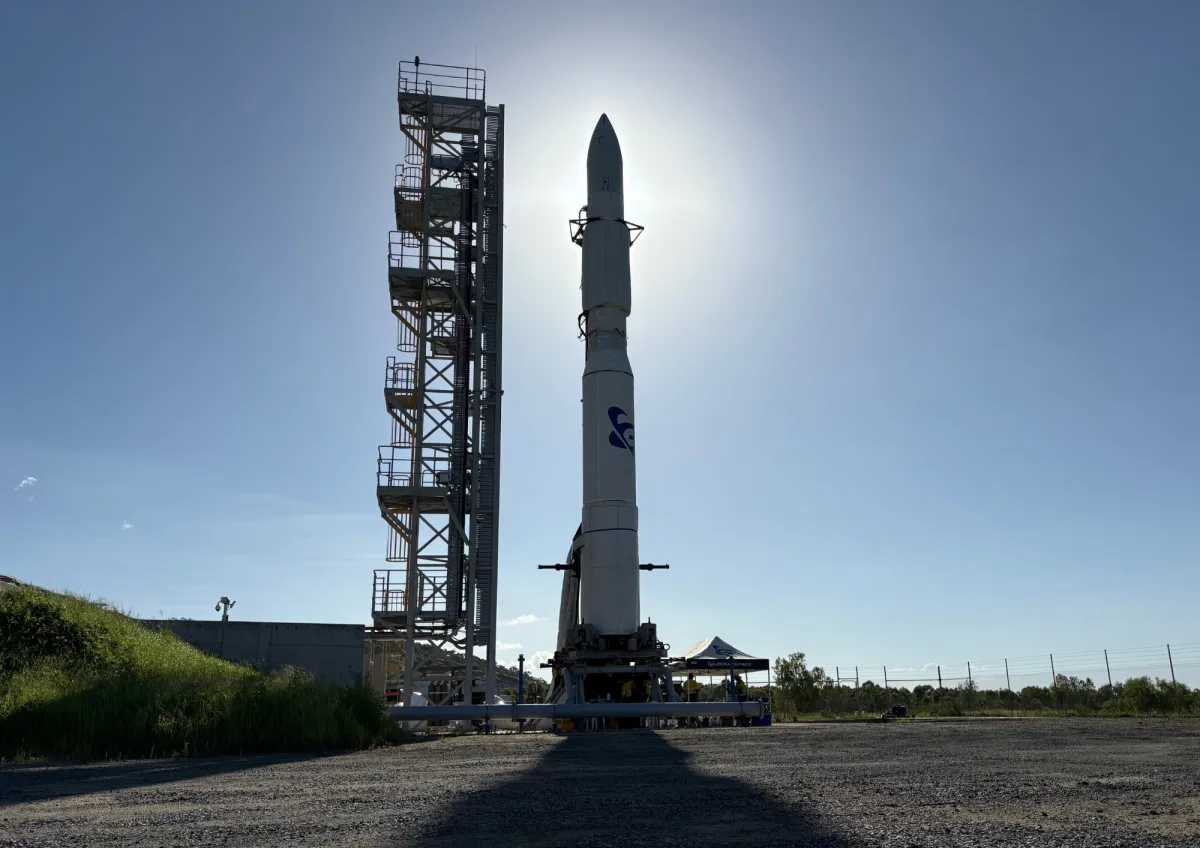
Historic launches mark a transformative week in aerospace, with major milestones achieved by Isar Aerospace, SpaceX, and Botswana's entry into space. Significant advancements in reusability and European capabilities highlight key developments.

Artemis 2 Tracker - Follow Orion's Flight Path in 3D

Artemis 2 Tracker - Follow Orion's Flight Path in 3D

Follow the complete Artemis II mission in KeepTrack's 3D tracker. Replay Orion's full flight path from launch through the lunar flyby to Pacific splashdown, and scrub to any moment of the ten-day mission.

Space Brief 28 Jun 2025

Space Brief 28 Jun 2025

Today's brief covers a Pentagon review of satellite launch options, Kongsberg's completed maritime satellite network, York's new satellite launch, DARPA's project cancellation, and more.

How a Parachutist Named Seagull Became the First Woman in Space

How a Parachutist Named Seagull Became the First Woman in Space

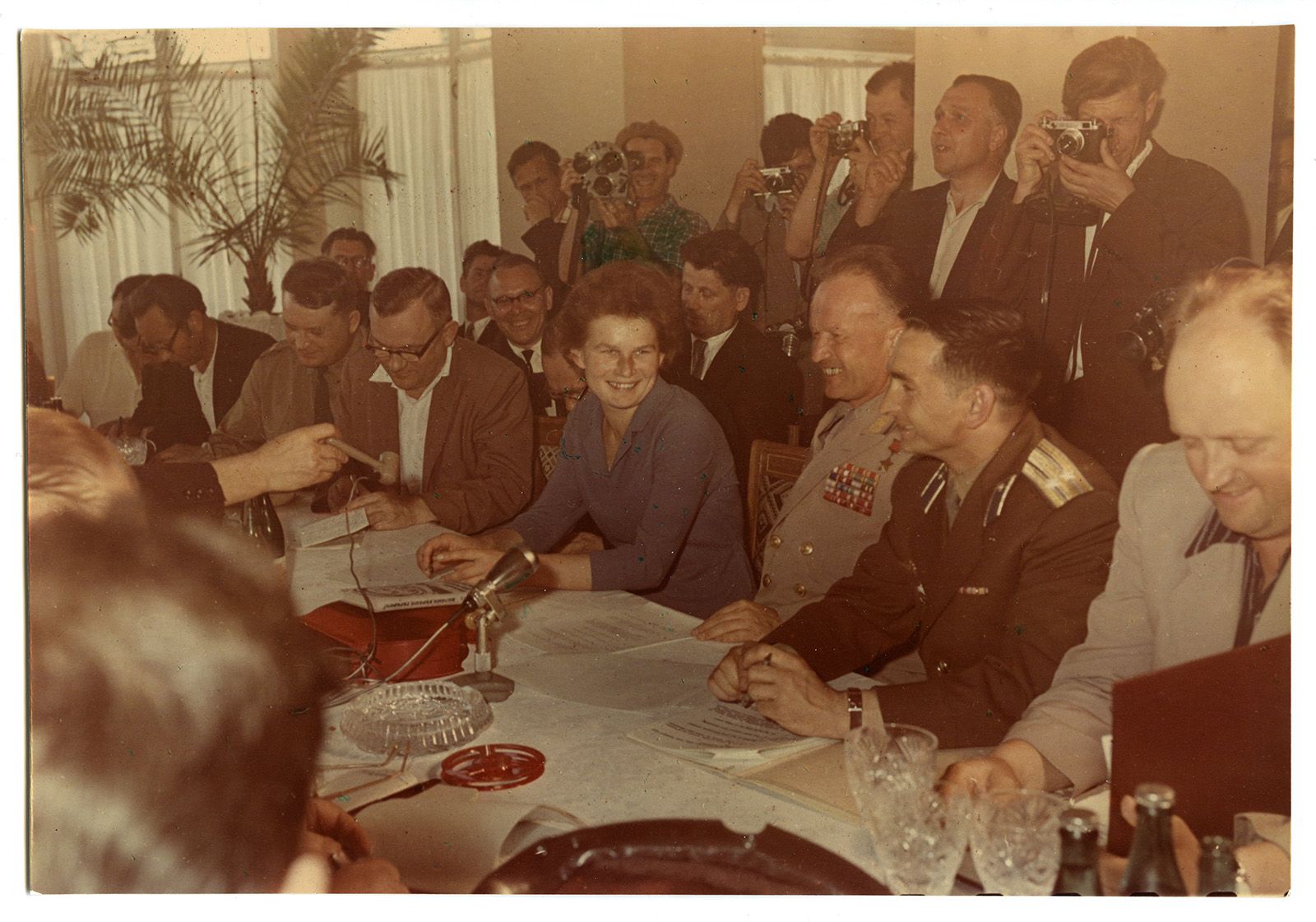
On 16 June 1963, a 26-year-old former textile worker named Valentina Tereshkova launched aboard Vostok 6 and spent nearly three days alone in orbit. She flew 48 times around the Earth, longer than every American astronaut combined, and spotted a dangerous flaw in her descent program that ground controllers had missed.

X Report 14 Jun 2025

X Report 14 Jun 2025

SpaceX achieves significant milestones with the launch of new Starlink satellites and the production of its 10 millionth Starlink kit amidst ongoing challenges with space station delays.

Space Force Eyes Space Tugs, On-Orbit Refueling by 2030 | KeepTrack Space Brief

Space Force Eyes Space Tugs, On-Orbit Refueling by 2030 | KeepTrack Space Brief

Space Force commits to operational space tugs and on-orbit refueling by 2030. New capabilities will complicate conjunction analysis for GEO and MEO satellite tracking.

Santa Maria Spaceport (Azores)

Santa Maria Spaceport (Azores)

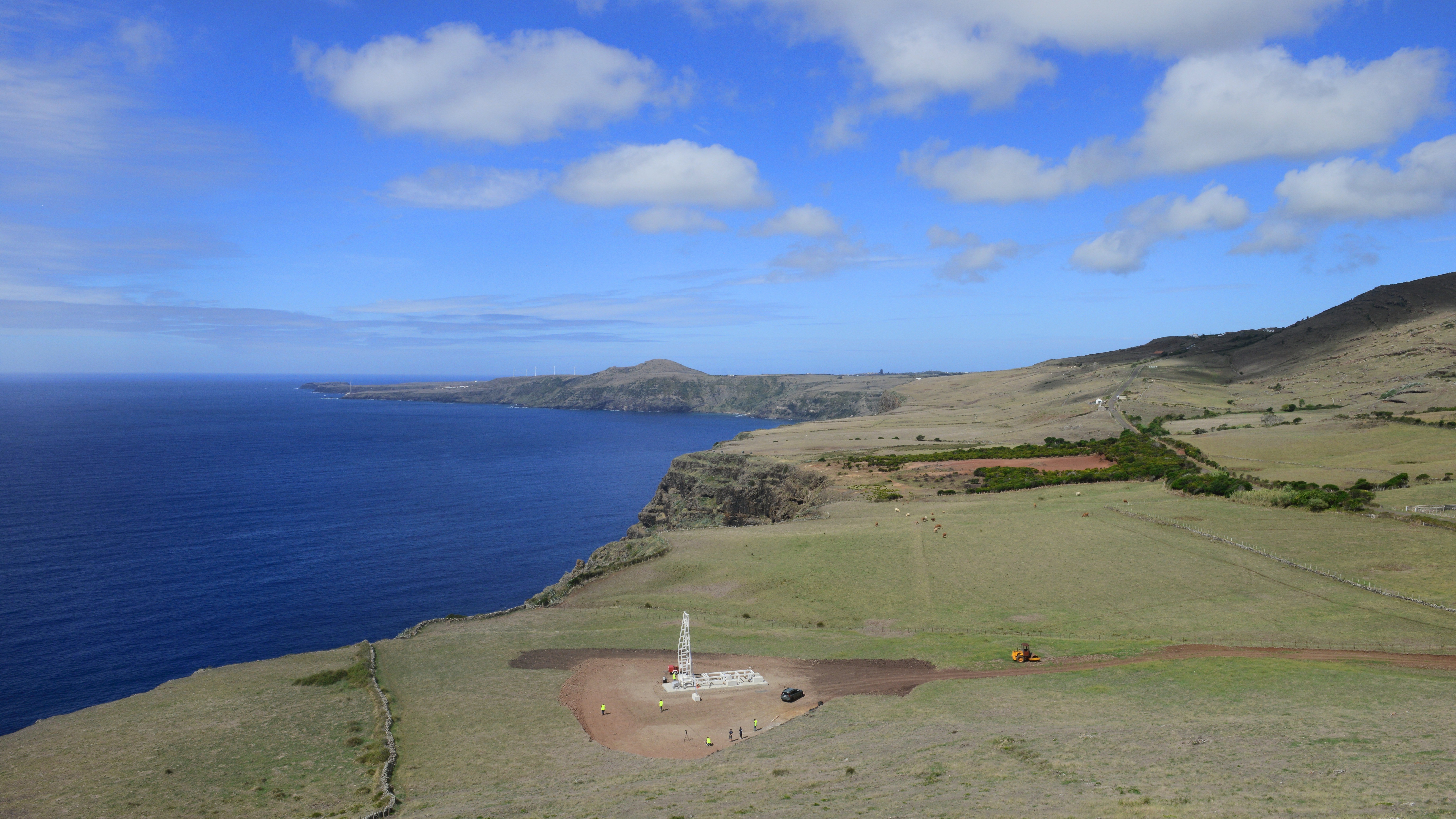
Europe's Atlantic outpost enters the launch business. How Portugal's first licensed spaceport in the Azores is preparing for suborbital flights in 2026 and positioning to receive ESA's Space Rider in 2028.

The Day the Dyna-Soar Dream Died

The Day the Dyna-Soar Dream Died

Exactly 62 years ago, Defense Secretary Robert McNamara ended the X-20 Dyna-Soar program, canceling one of the most ambitious spaceplane projects of the early Space Race - a vehicle that could have put aircraft in orbit decades before the Space Shuttle.