


Space Brief 18 Nov 2025
Key updates on strategic military shifts, technological advancements, and a critical replacement mission for Chinese astronauts highlight today's space news.



Launch Date
June 25, 2006
Launch Site
Launch Pad
LC90/20
Launch Vehicle
Tsiklon-2
NORAD ID
32736
International Designator
2006-026X
Decay Date
5/12/2008
Name
COSMOS 2421 DEB
Alternative Name
deb Kosmos-2421
Type
Status
Owner
KVR
Country
Russia
Constellation
N/A
Related Satellites
Major Events
N/A
Length
0
Diameter
0
Span
0
Dry Mass
0
Launch Mass
0
Shape
N/A
Radar Cross Section
0.0258
Visual Magnitude
Unknown
Color
Unknown
Material Composition
Unknown
Payload
Unknown
Purpose
Unknown
Mission
Unknown
Manufacturer
ARSL
Life Expectancy
Unknown
Bus
Unknown
Configuration
Unknown
Motor
Unknown
Equipment
Unknown
Power System
Unknown
ADCS
Unknown
Transmitter Frequency
Unknown
Learn more about satellites and other related topics.
Key updates on strategic military shifts, technological advancements, and a critical replacement mission for Chinese astronauts highlight today's space news.

The UK's orbital ambitions rest on a remote Shetland island. How SaxaVord became Europe's first fully licensed vertical launch spaceport - and why, despite being ready for years, it's still waiting for a rocket that works.
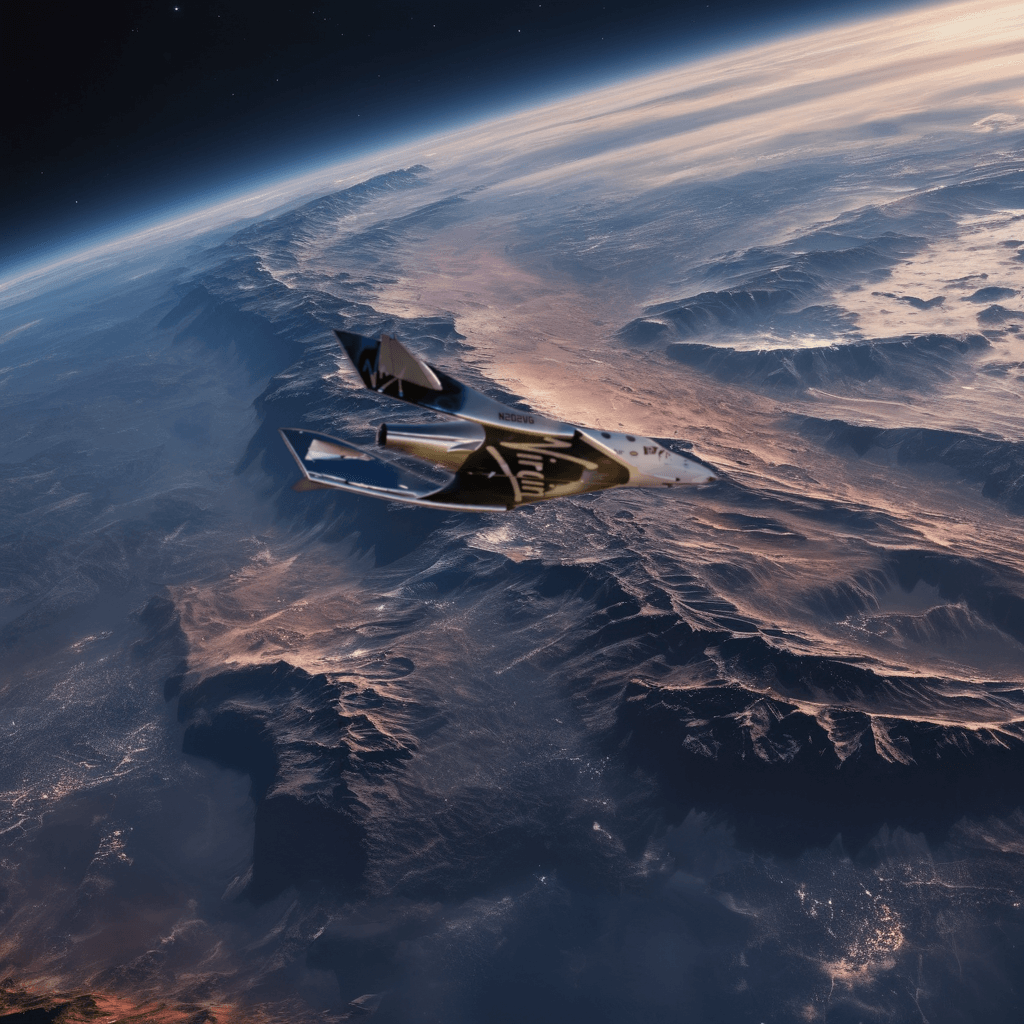
On January 26, 2024, Virgin Galactic's "Galactic 06" mission will launch, marking its 11th spaceflight.

Iran successfully struck U.S. aircraft in Saudi Arabia despite maxed-out defensive posture. Space Force ISR and missile warning gaps exposed. Tracking impacts.
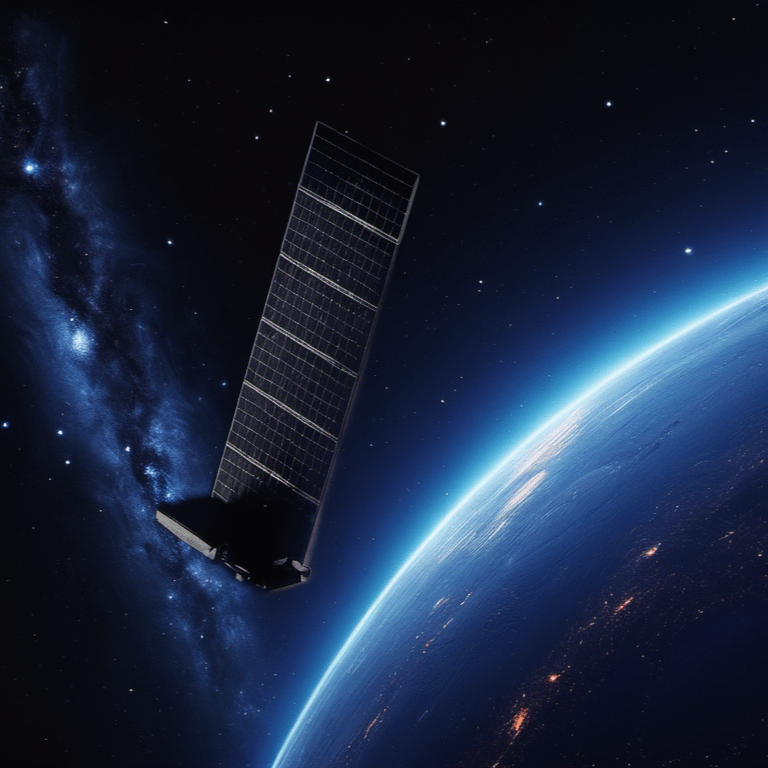
This article delves into SpaceX's incredible journey from its inception to becoming a space industry leader, and its Starlink project's mission to provide global internet access.

SpaceX readies Starship Flight 13 for July 16 launch to deploy first Starlink V3 satellites as Falcon 9 logs its 600th booster reuse.
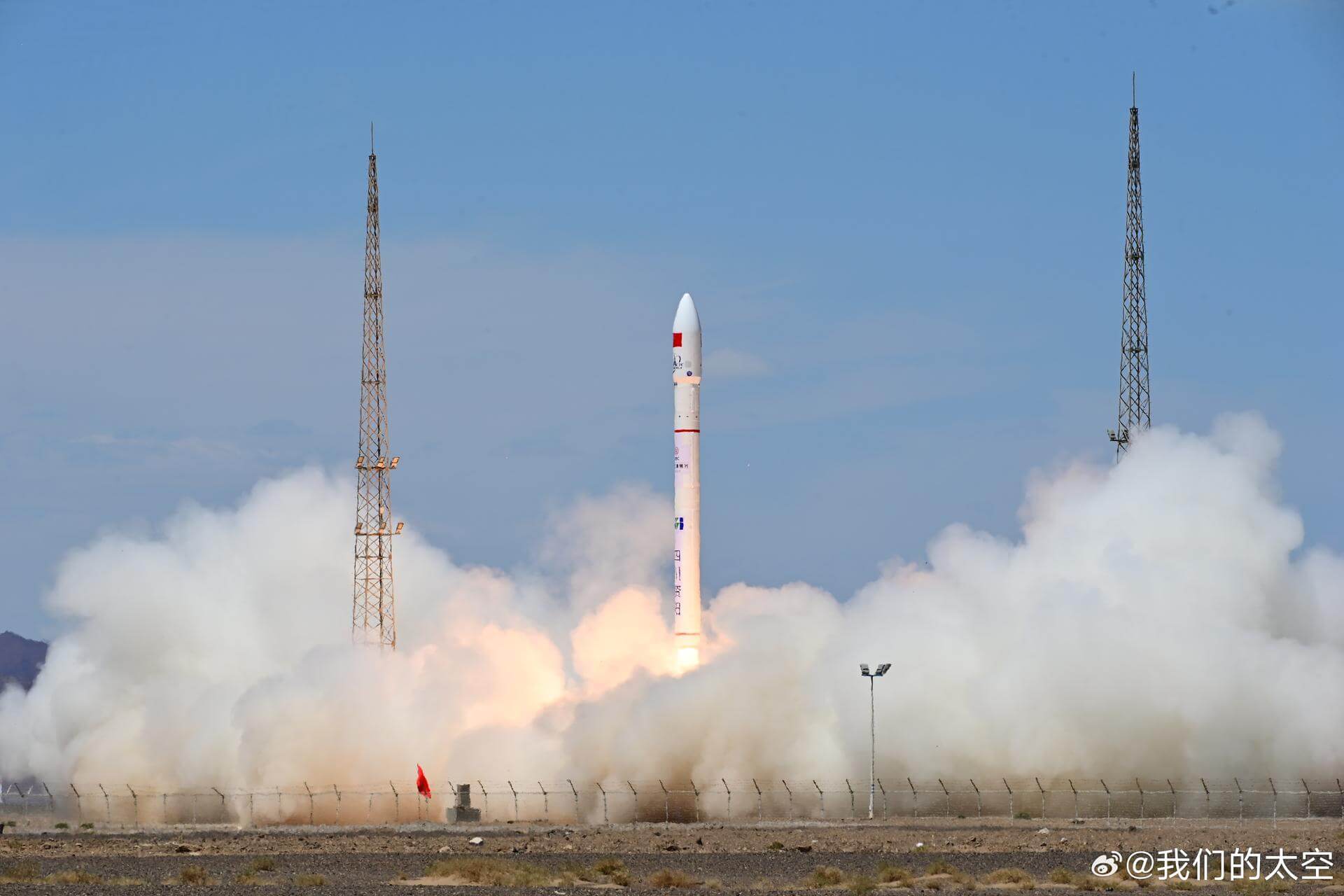
Today's brief covers the crash of a SpaceX Falcon 9 rocket over Europe, the Space Force's mapping efforts with Iron Dome, and key military appointments and funding decisions.
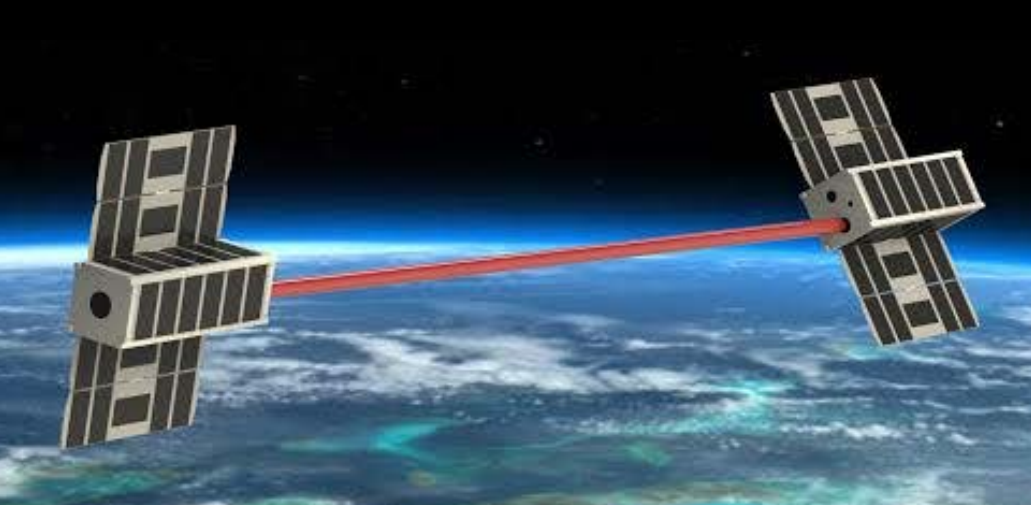
The satellite industry's biggest operators are betting on multi-orbit architectures that combine LEO, MEO, and GEO into unified networks. A San Francisco startup called Contrivian thinks they've overcomplicated the problem, and the physics might be on its side.