

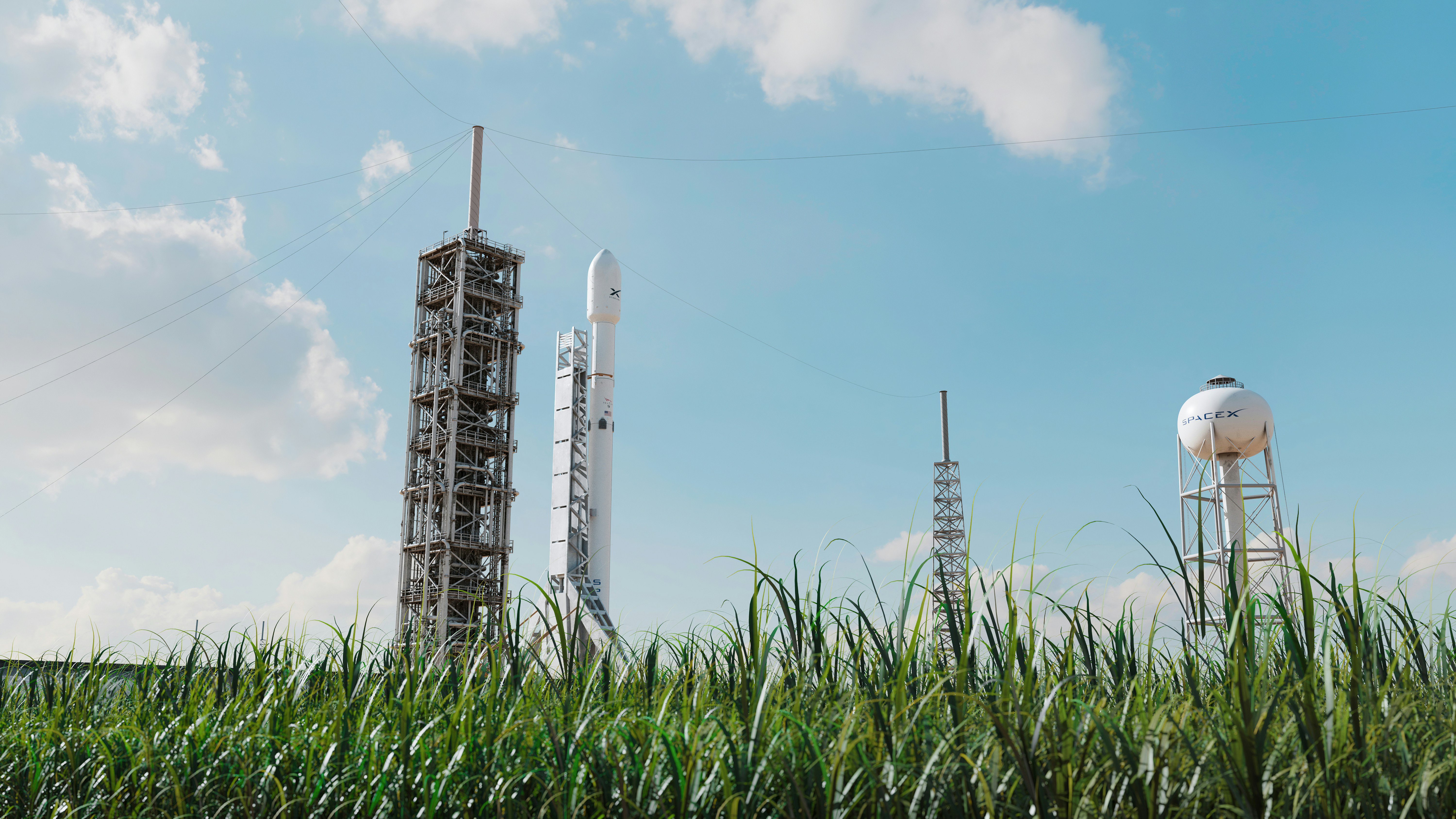
Falcon 9 Booster Sets 33-Flight Reuse Record, X Report 23 Feb 2026
Falcon 9 booster reuse record: SpaceX's most-flown booster flew a 33rd flight Feb 21 with 28 Starlink V2 Minis. Two launches in a day; 9,779 on orbit.



Launch Date
December 14, 2006
Launch Site
AFWTR
Launch Pad
SLC2W
Launch Vehicle
Delta 7920-10C
NORAD ID
32676
International Designator
2006-057FB
Decay Date
3/21/2008
Name
USA 193 DEB
Alternative Name
USA 193 debris
Type
Status
Owner
NROC
Country
United States
Constellation
N/A
Related Satellites
Major Events
N/A
Length
0
Diameter
0
Span
0
Dry Mass
0
Launch Mass
0
Shape
N/A
Radar Cross Section
0.0554
Visual Magnitude
Unknown
Color
Unknown
Material Composition
Unknown
Payload
Unknown
Purpose
Unknown
Mission
Unknown
Manufacturer
Unknown
Life Expectancy
Unknown
Bus
Unknown
Configuration
Unknown
Motor
Unknown
Equipment
Unknown
Power System
Unknown
ADCS
Unknown
Transmitter Frequency
Unknown
Learn more about satellites and other related topics.
Falcon 9 booster reuse record: SpaceX's most-flown booster flew a 33rd flight Feb 21 with 28 Starlink V2 Minis. Two launches in a day; 9,779 on orbit.
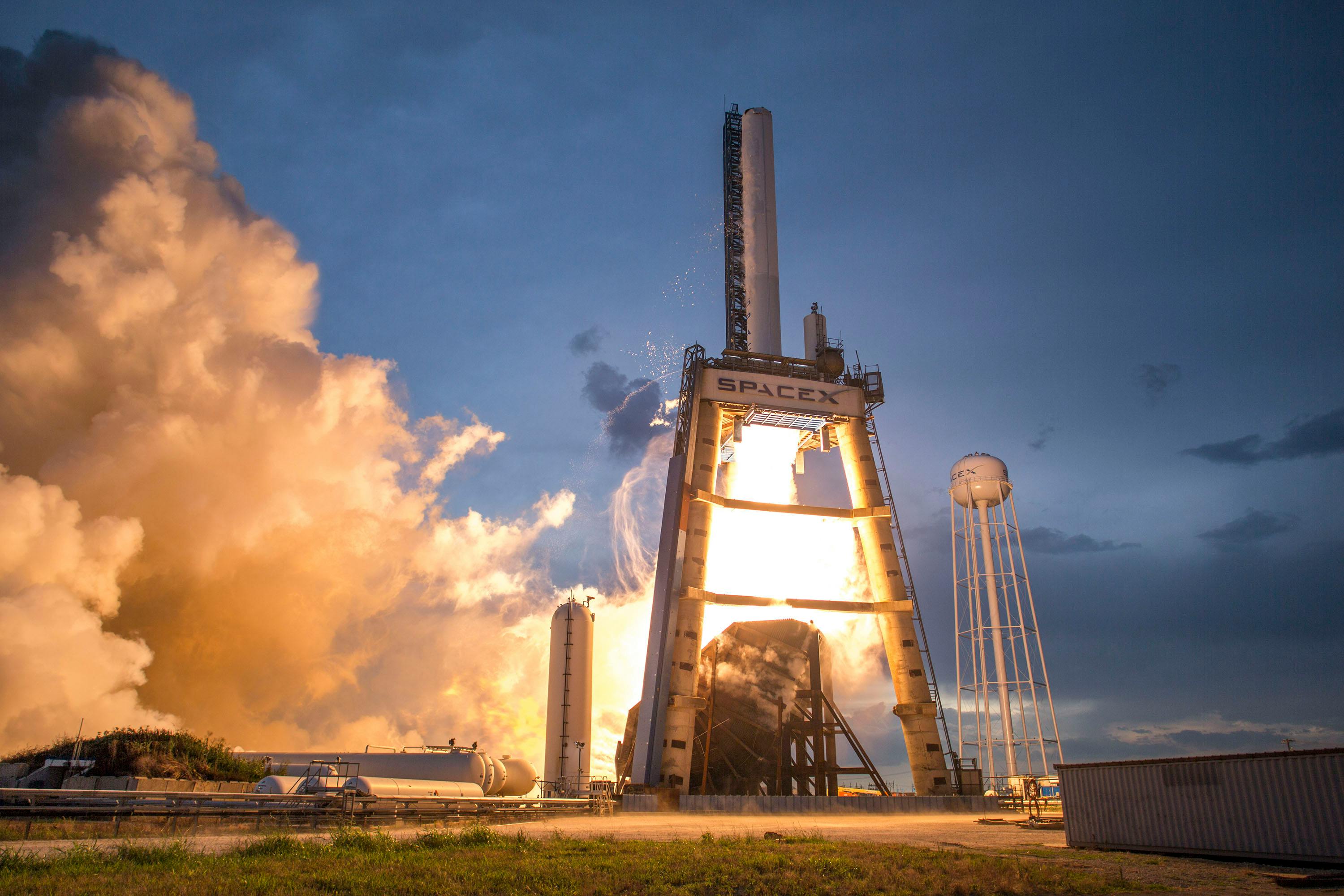
Today's brief covers various military applications of climate-monitoring satellites, new defense strategies against unmanned threats, and the potential impacts of geopolitical tensions on orbit.
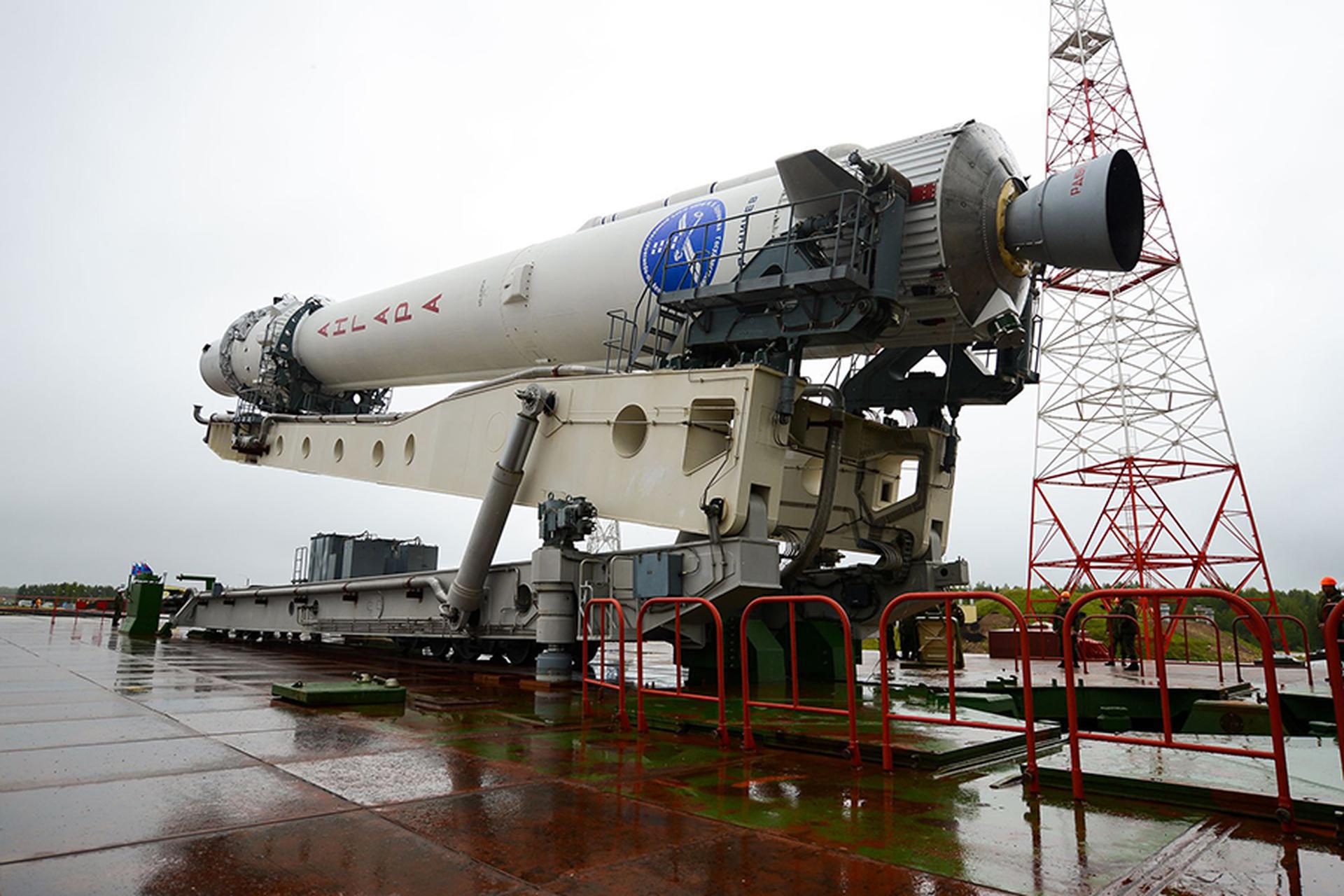
Today's highlights include SpaceX's record-breaking Falcon 9 launches, Dream Chaser's testing success, and Blue Origin's latest New Glenn achievements.

Today's brief covers significant advancements in national security space launches, ongoing rocket developments, and critical updates from the space industry.
Pentagon puts LEO constellation layers on hold during acquisition review. SpaceX and xAI join $100M autonomous drone contest. China's Zenk Space completes first stage static fire.
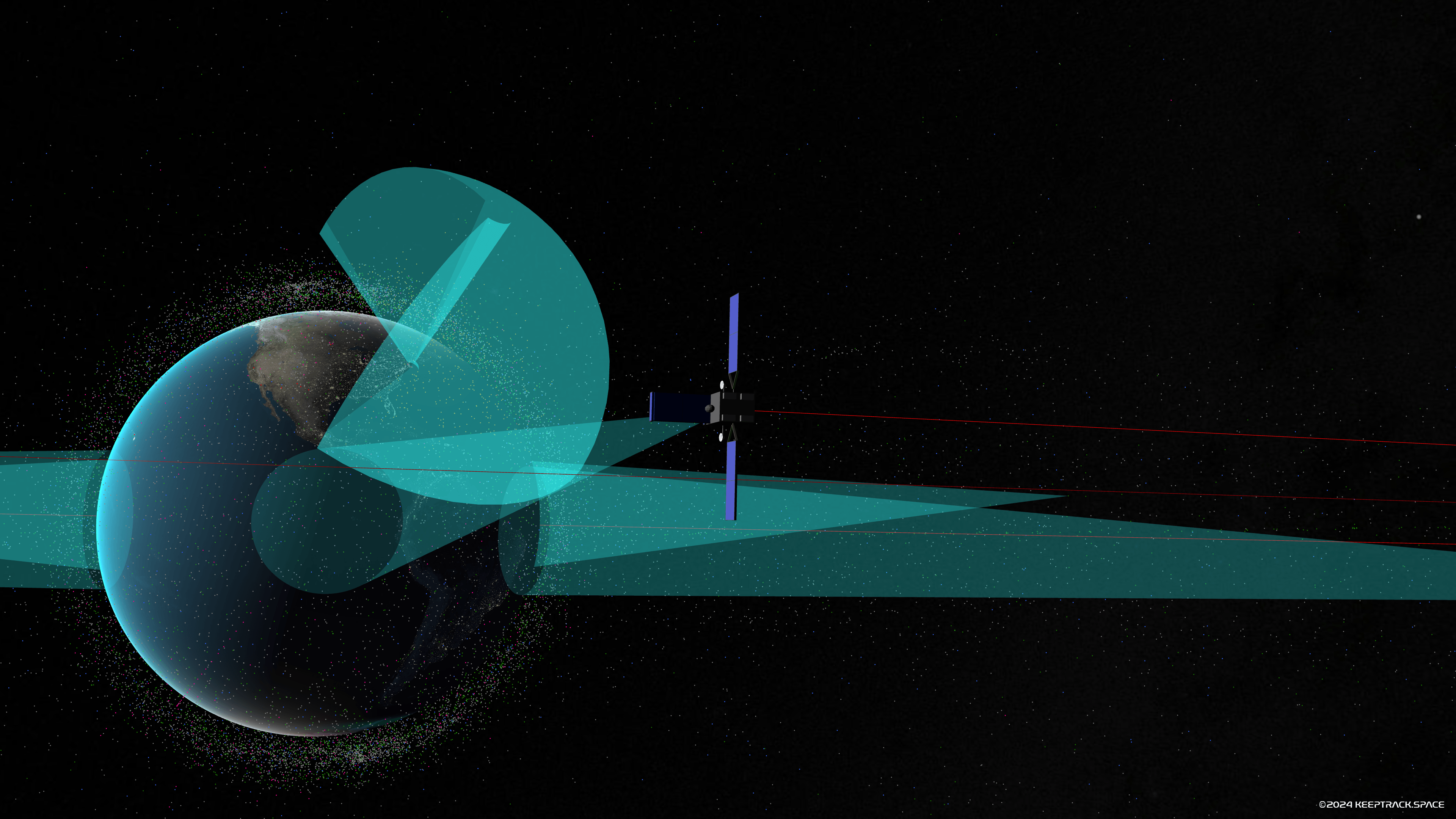
The latest update introduces 3D satellite FOV cones, advanced sensor capabilities, and enhanced timelines, improving the way users interact with satellite data.
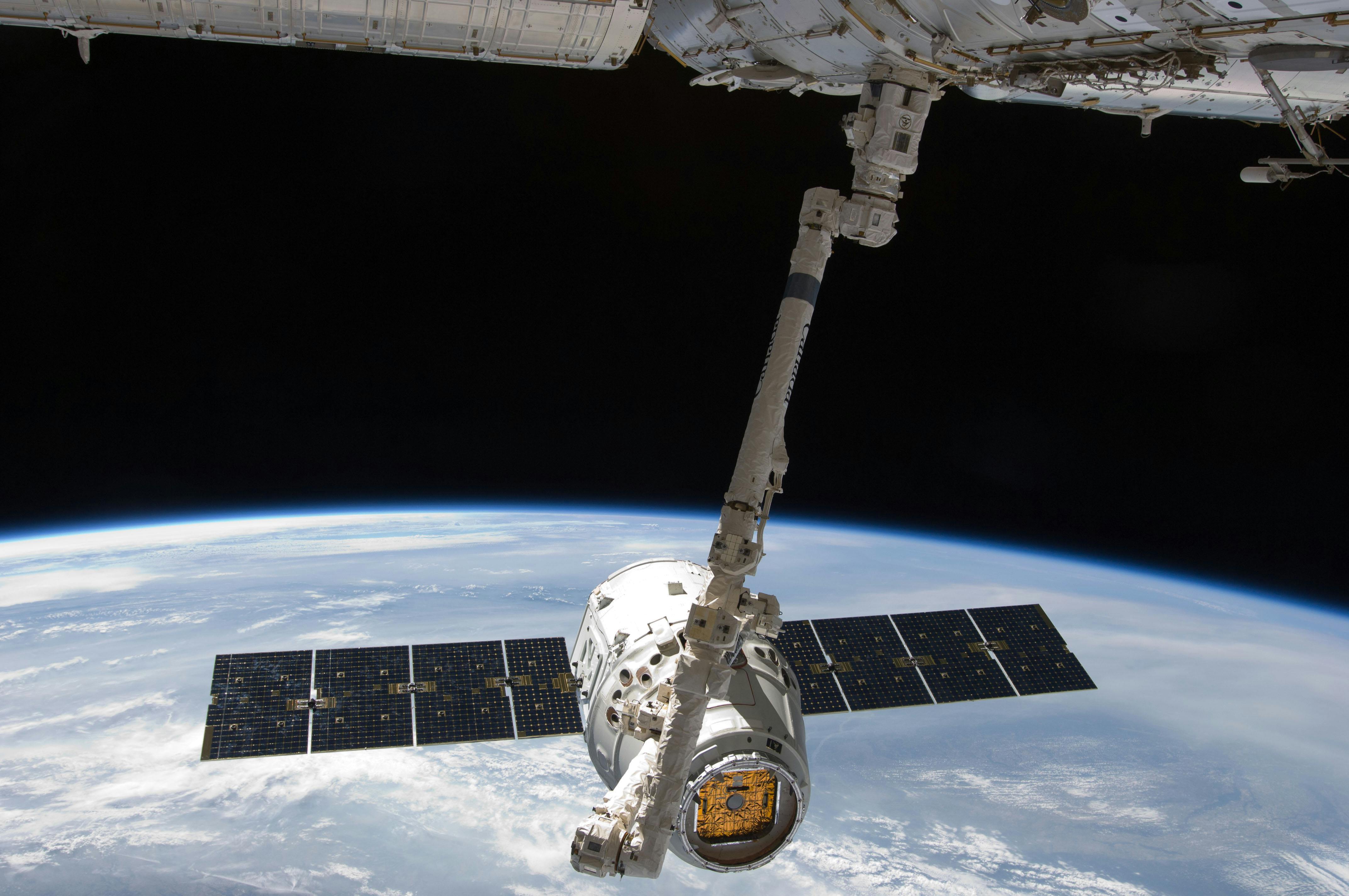
SpaceX announces SPHEREx launch date for February 2025, and Airbus completes delivery of Thuraya 4 satellite for upcoming launch.
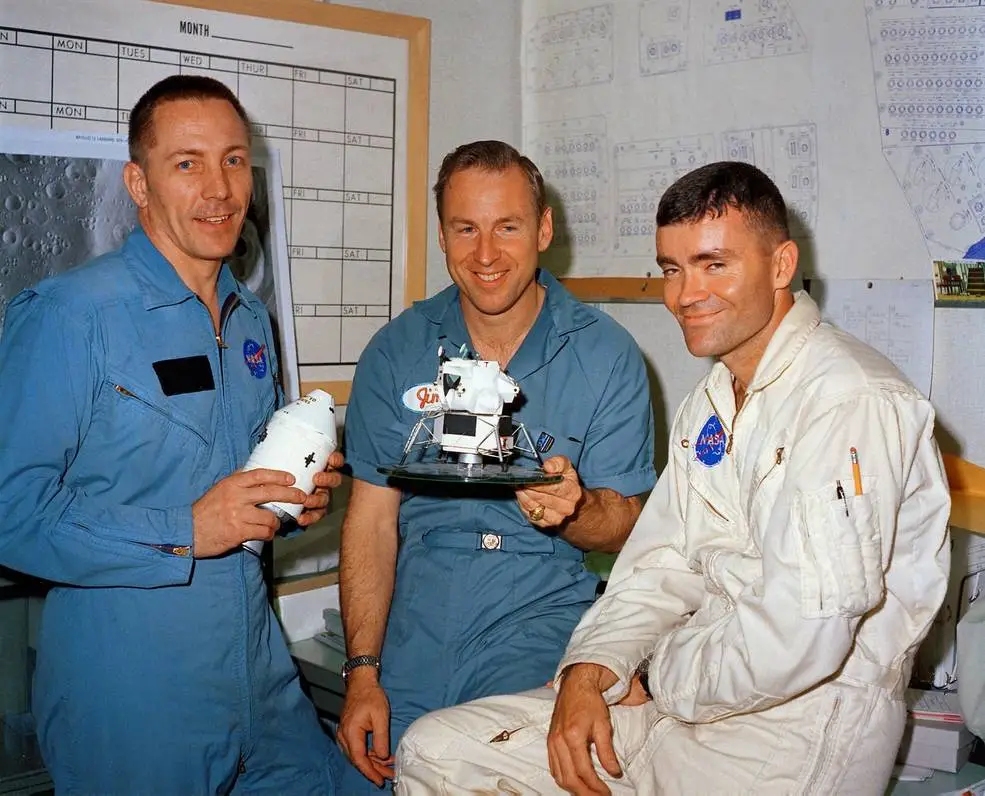
An overlooked thermostat, eight hours of overheating on a Florida launch pad, and 200,000 miles of coasting through deep space. Then Oxygen Tank No. 2 tore itself apart, and three men had to figure out how to come home alive in a spacecraft designed to land on the Moon.