

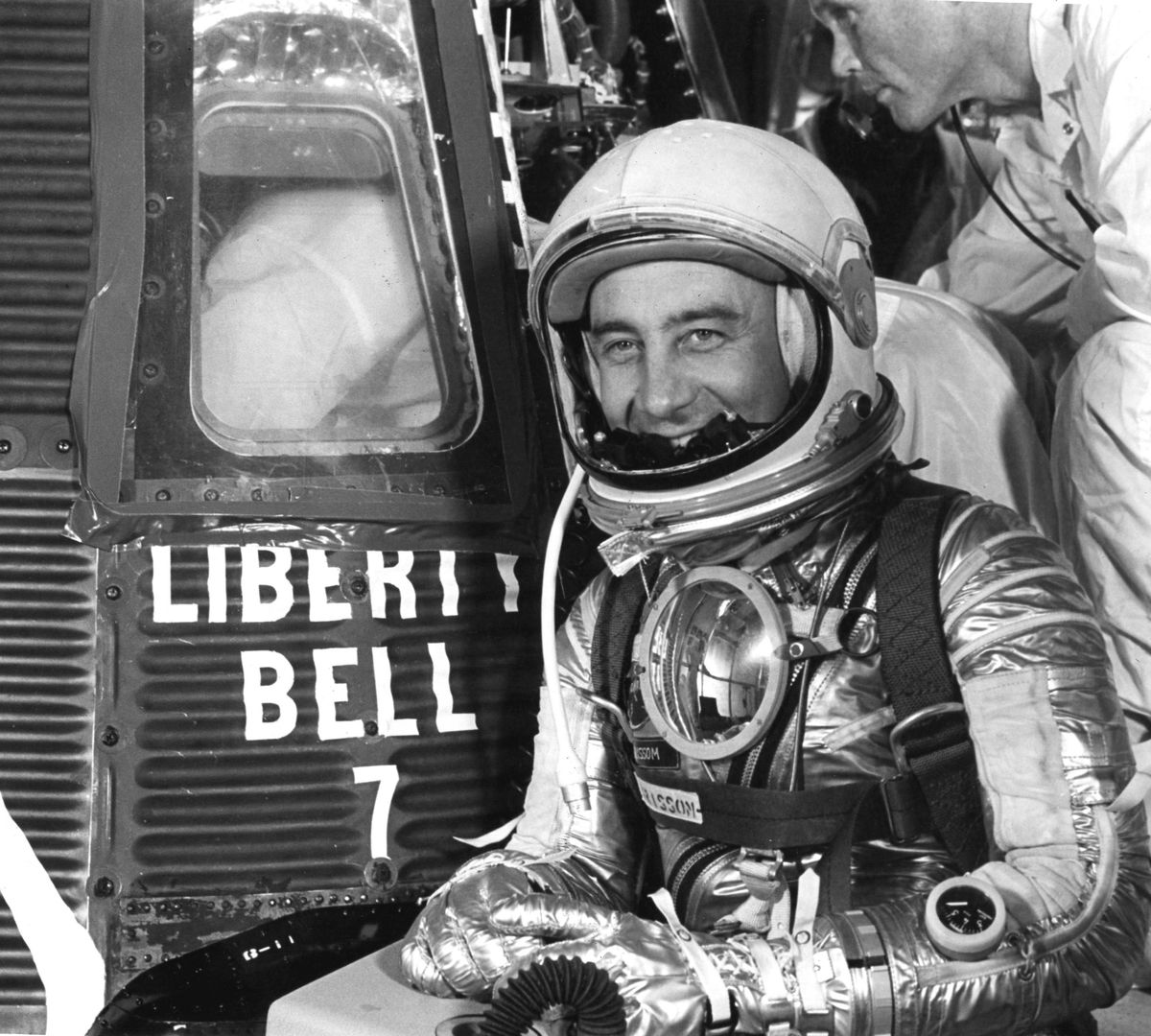
The Day NASA Chose Its First Space Pioneers
Sixty-four years ago, NASA made a decision that would shape the future of human spaceflight by selecting three astronauts to compete for America's first journey into space


Launch Date
February 5, 2008
Launch Site
Launch Pad
LC1
Launch Vehicle
Soyuz-U-PVB
NORAD ID
32484
International Designator
2008-004A
Decay Date
4/7/2008
Name
PROGRESS-M 63
Alternative Name
Progress M-63
Type
Status
Owner
RKKE
Country
Russia
Constellation
N/A
Related Satellites
Major Events
N/A
Length
7.9
Diameter
2.7
Span
7.9
Dry Mass
4600
Launch Mass
7270
Shape
Sphere + Cone + Cyl + 2 Pan
Radar Cross Section
4.623
Visual Magnitude
Unknown
Color
Unknown
Material Composition
Unknown
Payload
Progress 7K-TGM No. 363
Purpose
Cargo
Mission
Cargo
Manufacturer
PROGT
Life Expectancy
Unknown
Bus
7K-TGM
Configuration
Unknown
Motor
11D428A
Equipment
Unknown
Power System
2 deployable fixed solar arrays, batteries
ADCS
Unknown
Transmitter Frequency
Unknown
Learn more about satellites and other related topics.
Sixty-four years ago, NASA made a decision that would shape the future of human spaceflight by selecting three astronauts to compete for America's first journey into space
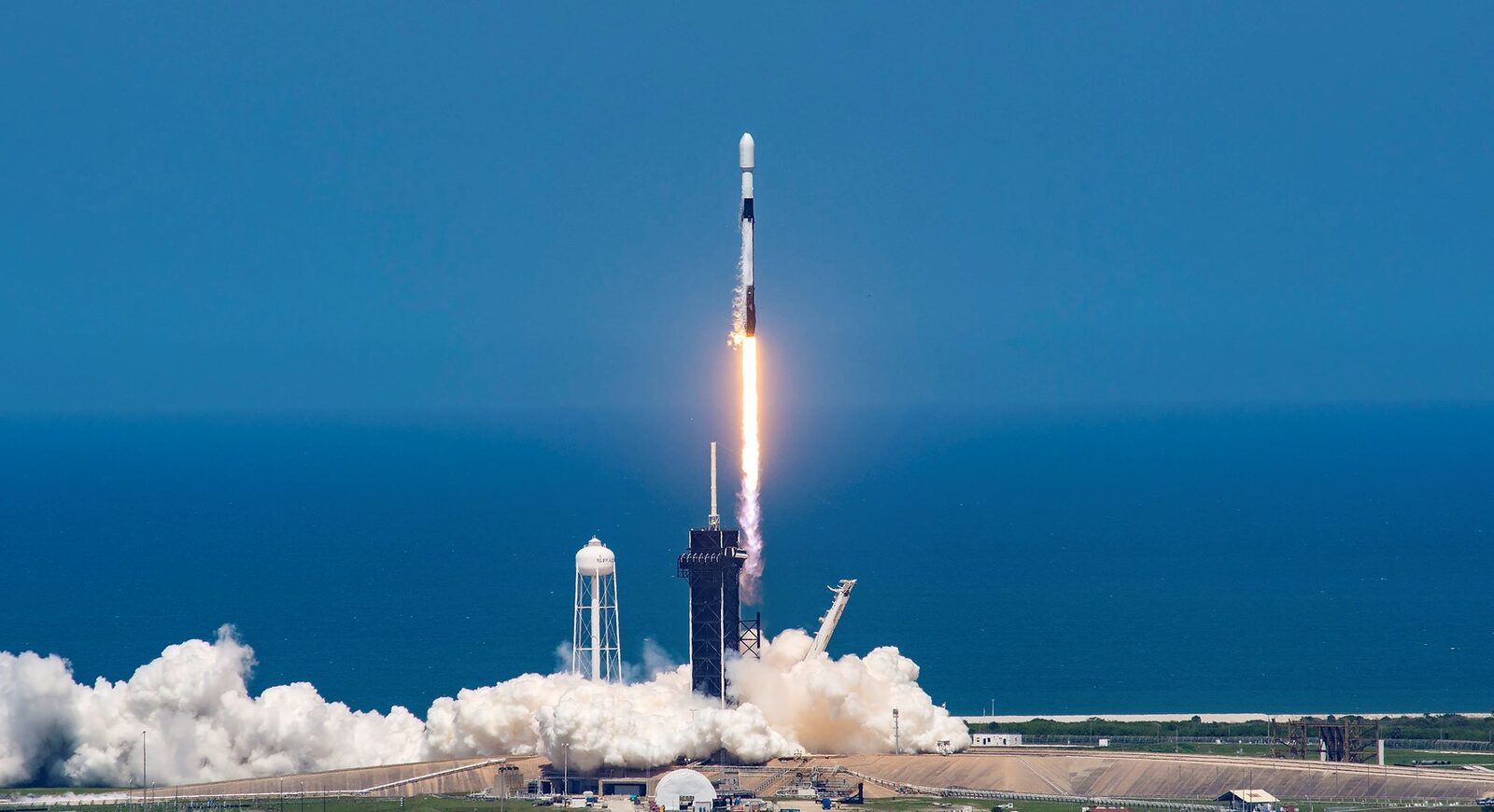
SpaceX completed a full 33-engine static fire on Booster 20, the longest duration test to date. The milestone clears a major hurdle before the next Starship flight attempt.
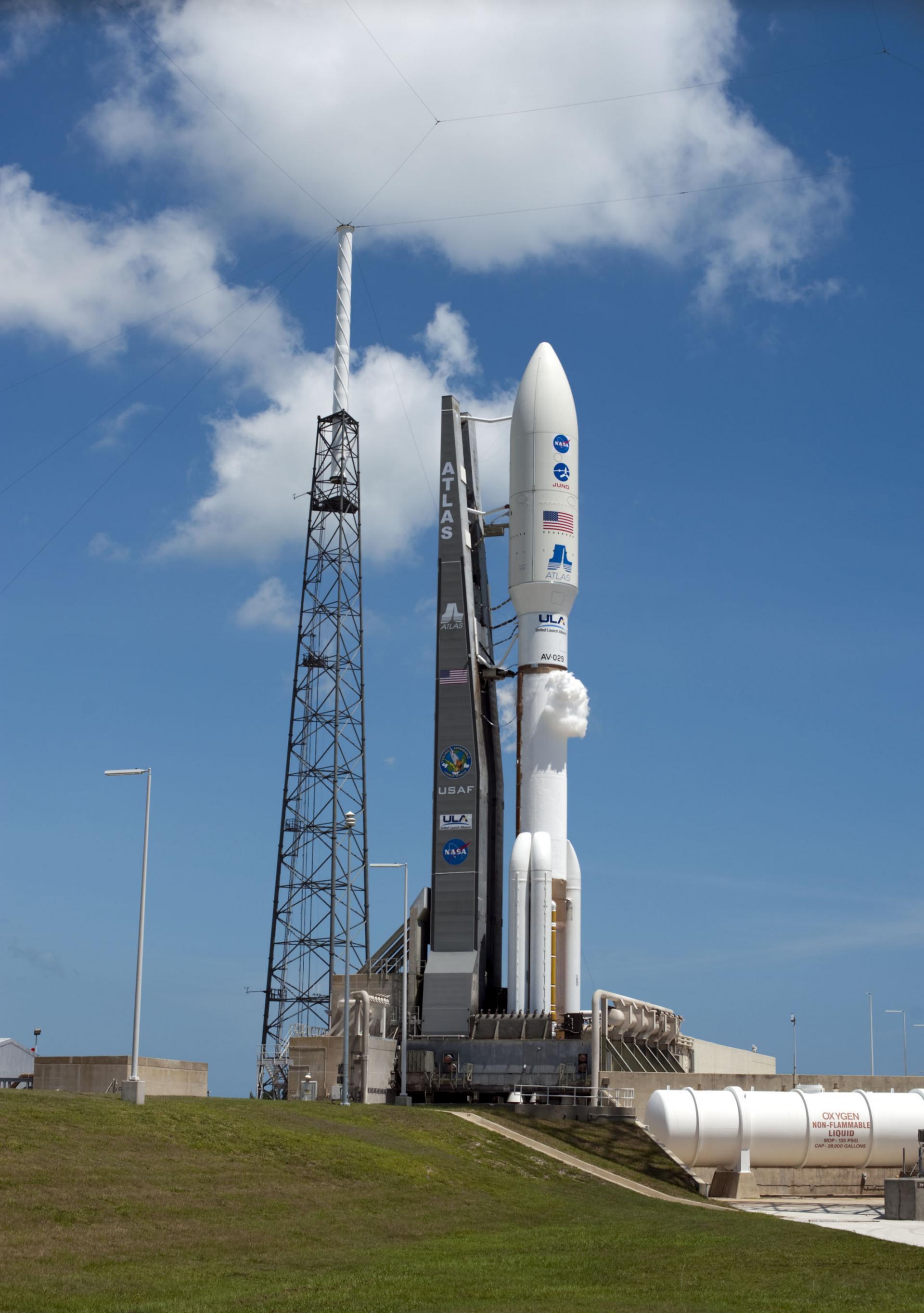
Today's brief covers SpaceX's potential government contract, the future of US Space Command headquarters, an auction record for Neil Armstrong's watch, and the volcanic history of Mars.
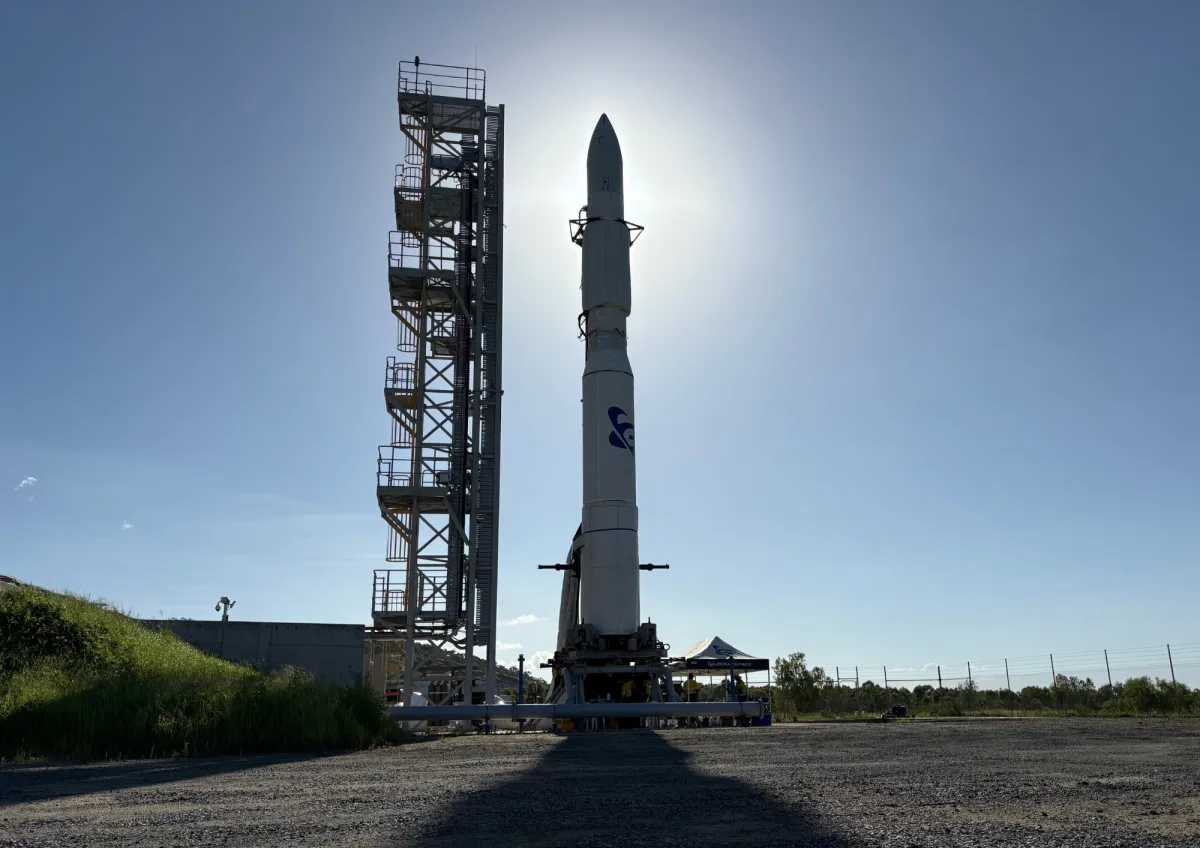
Today's briefing highlights SpaceX's recent launch of spy satellites, a US Space Force contract for deep space tracking, and advancements in quantum communications in space.
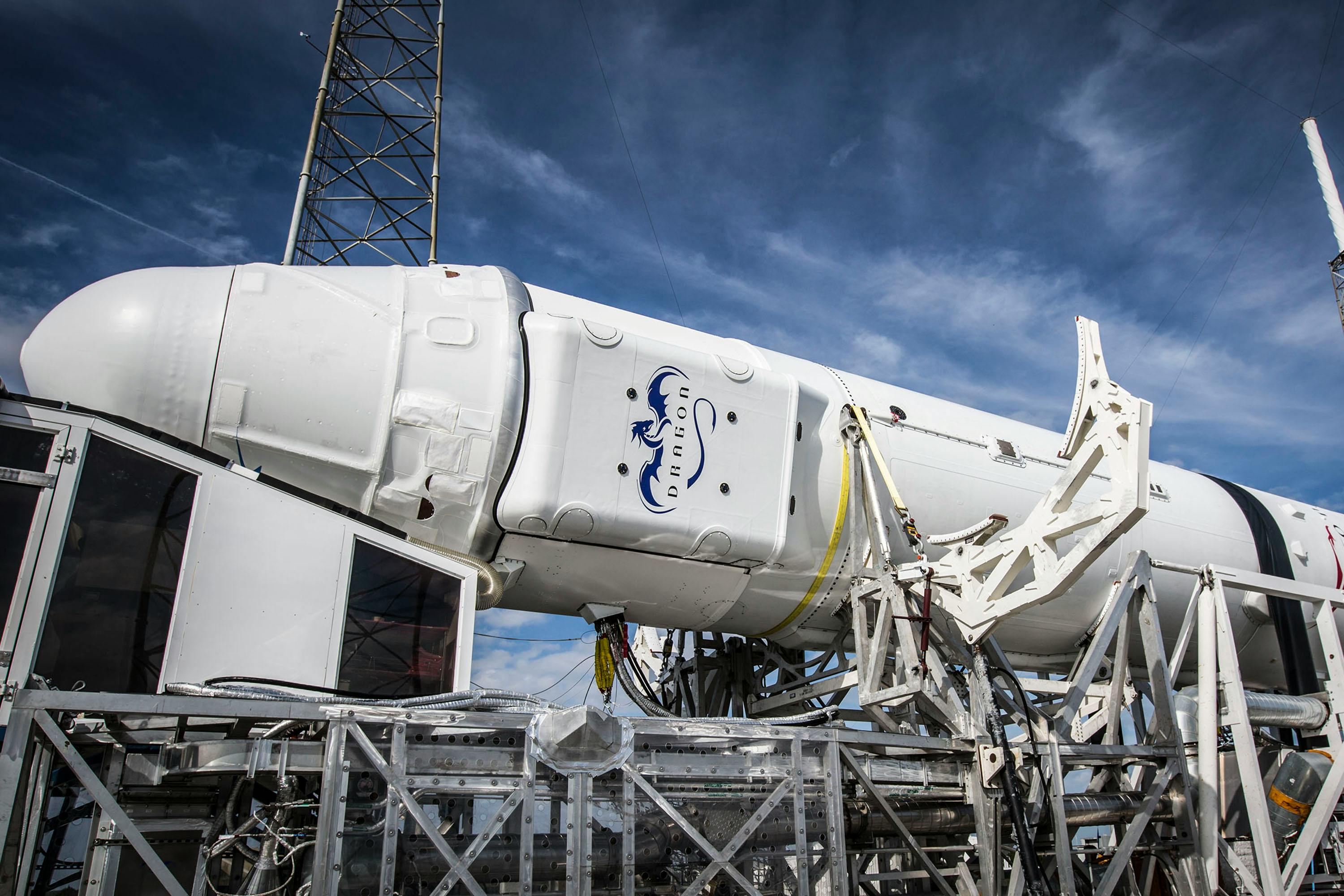
SpaceX continues to expand its reach with the successful launch of more Starlink satellites while exploring innovative military applications for satellite communications.

SpaceX's orbital data center constellation and TERAFAB's $25B AI chip factory spark backlash as Starlink surpasses 10,116 working satellites.

SpaceX wins a $4.16 billion Space Force satellite contract to track airborne threats worldwide, while dual-pad launches add 53 Starlink satellites.

Why this unassuming website has become the backbone of space research for enthusiasts and professionals alike