


X Report 21 Jul 2025
SpaceX successfully launched 24 Starlink satellites into polar orbit, enhancing global coverage. Meanwhile, NASA's Crew-11 is now in quarantine ahead of their upcoming ISS mission.


Launch Date
January 21, 2008
Launch Site
SRILR
Launch Pad
FLP
Launch Vehicle
PSLV
NORAD ID
32477
International Designator
2008-002B
Decay Date
1/23/2020
Name
PSLV R/B
Alternative Name
PSLV-C10 PS4
Type
Status
Owner
ISRO
Country
India
Constellation
N/A
Related Satellites
Major Events
N/A
Length
2.7
Diameter
2.1
Span
2.7
Dry Mass
920
Launch Mass
920
Shape
Cyl + Cyl
Radar Cross Section
7.915
Visual Magnitude
Unknown
Color
Unknown
Material Composition
Unknown
Payload
PS4 PSLV-C10
Purpose
Unknown
Mission
Unknown
Manufacturer
LPSC
Life Expectancy
Unknown
Bus
PS-4
Configuration
Unknown
Motor
Unknown
Equipment
Unknown
Power System
Unknown
ADCS
Unknown
Transmitter Frequency
Unknown
Learn more about satellites and other related topics.
SpaceX successfully launched 24 Starlink satellites into polar orbit, enhancing global coverage. Meanwhile, NASA's Crew-11 is now in quarantine ahead of their upcoming ISS mission.

SpaceX gains regulatory approval for a new Starship test flight, further expands its role in U.S. defense, and successfully launches 26 additional Starlink satellites. United Airlines also rolls out Starlink Wi-Fi on its flights.

Today's edition highlights the operational deployment of HawkEye 360's Cluster 12, Shandong's record satellite launch, Planet Labs' latest imaging achievements, SpaceX's Starlink launches, and more.

Today's briefing covers the Long March 12A's first launch, a major advance in space radio communication, and highlights from key military developments impacting space operations.
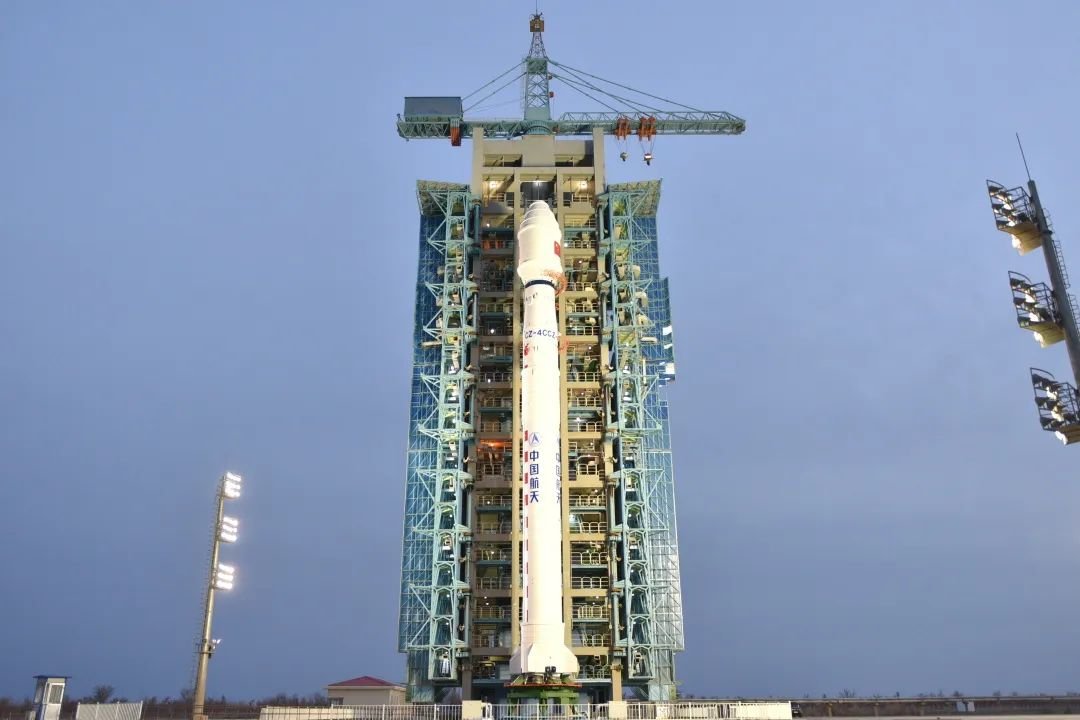
Today's Space Brief covers the inaugural national security mission of ULA's Vulcan Centaur, the Space Force's 2026 budget insights, and shifts in military drone technology.
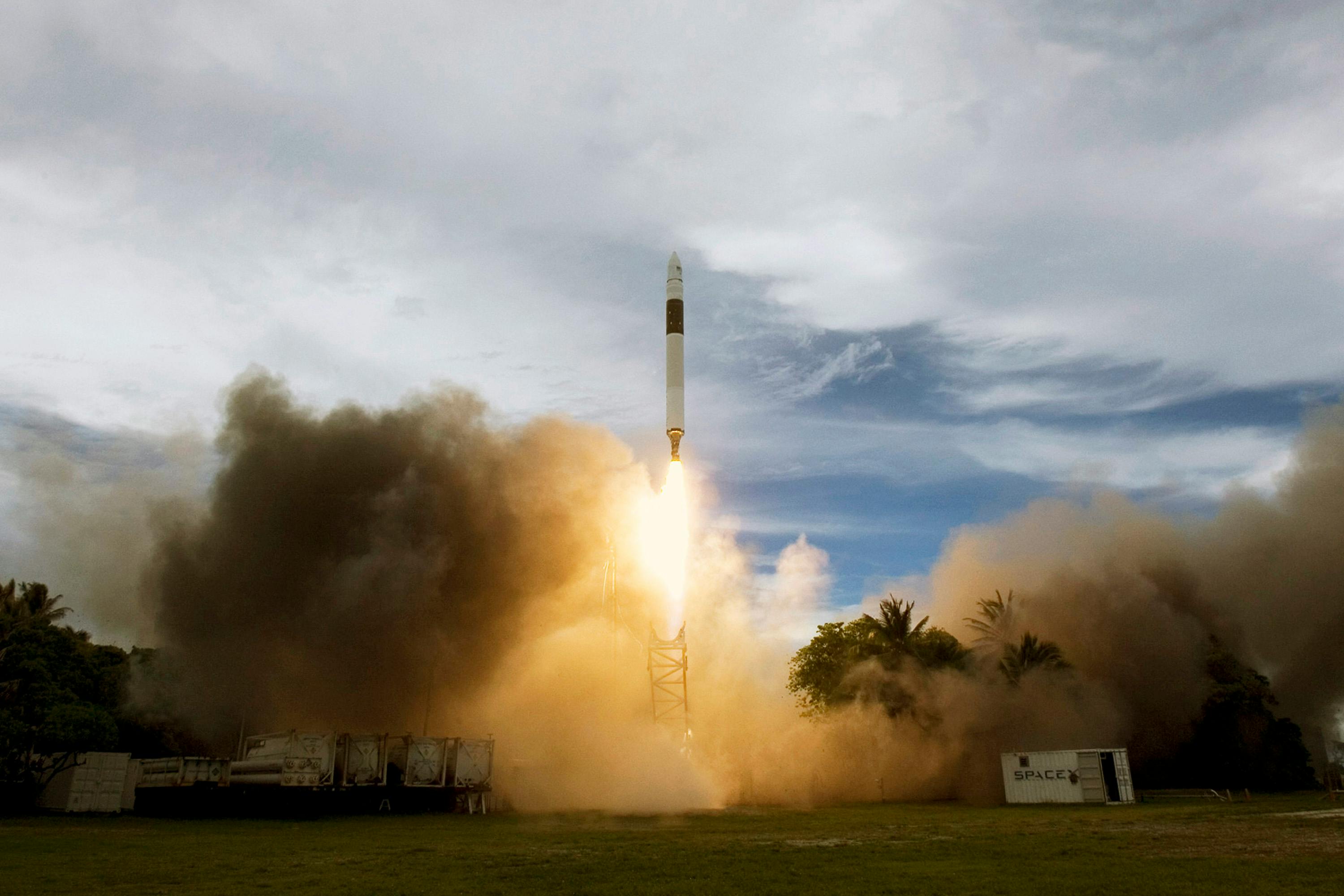
Gwynne Shotwell confirms Starlink V2 launches on Starship in 2027. Ship 39 preps Starship Flight 12; Falcon 9 lofts its 600th Starlink of 2026.

Space debris poses a mounting threat to both satellites and space missions. As we send more objects into orbit, the likelihood of collisions and subsequent breakups producing dangerous space debris increases. Recognizing the major events that have generated this dangerous space junk is pivotal in ensuring the safety of future space missions.
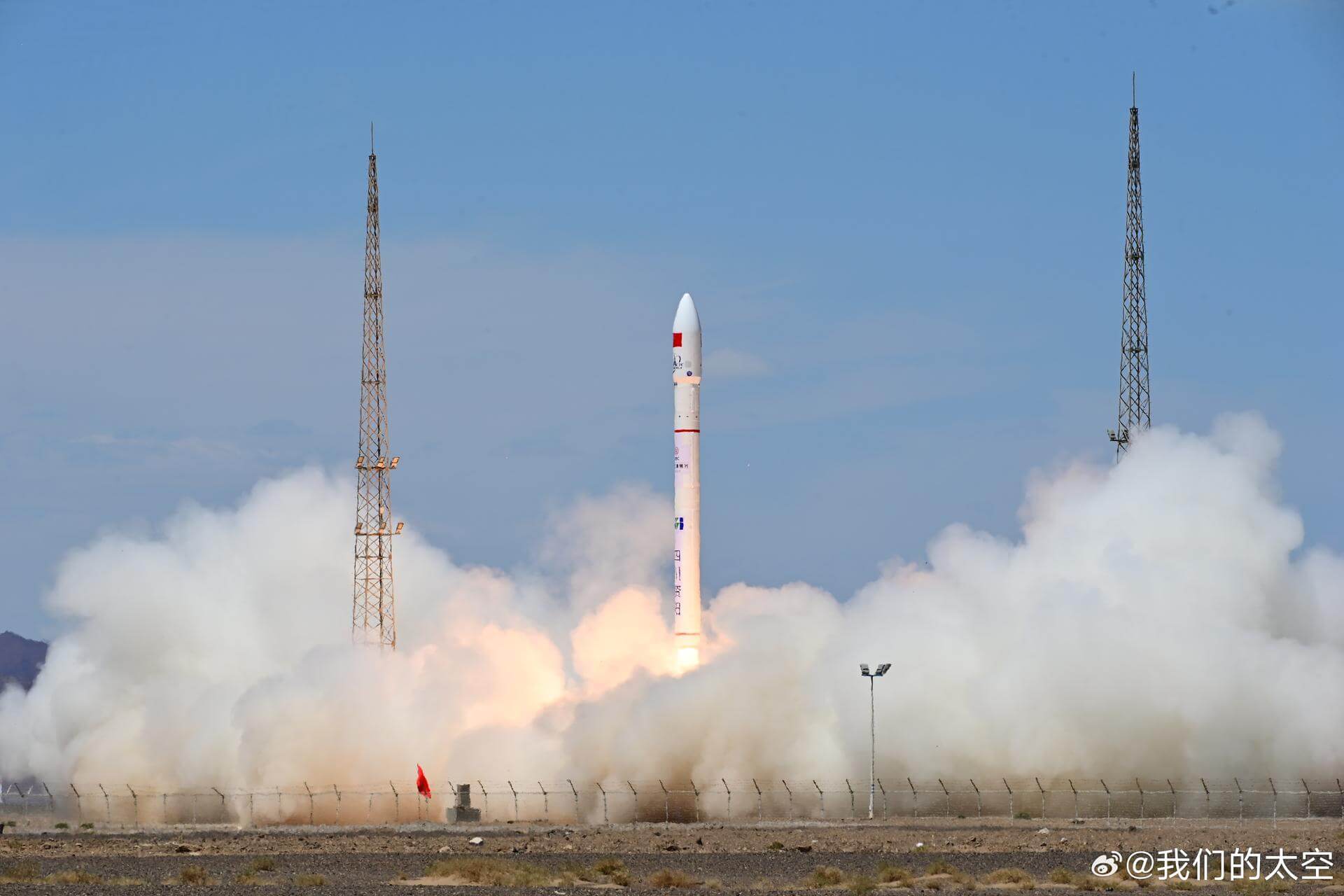
Today's space brief highlights intriguing military satellite developments, new space launch strategies to counteract observation threats, and potential European defense industry advancements.