



Space Brief 30 Oct 2025
Today's brief explores rising investments in space with defense ties, potential Space Force-NRO coordination, and more, offering insight into current military and defense satellite dynamics.



Launch Date
May 10, 1999
Launch Site
TAISC
Launch Pad
LC7
Launch Vehicle
Chang Zheng 4B
NORAD ID
32450
International Designator
1999-025DBN
Epoch
Sat, 27 Jul 2024 16:50:00 GMT
Apogee
Calculating...
Perigee
Calculating...
Inclination
99.18°
Right Ascension
176.60°
Eccentricity
Calculating...
Argument of Perigee
276.33°
Period
102.27 min
Mean Motion
14.08 rev/day
Latitude
Calculating...
Longitude
Calculating...
Altitude
Calculating...
Velocity
Calculating...
Name
FENGYUN 1C DEB
Alternative Name
deb FY-1C
Type
Status
Owner
CASC
Country
China
Constellation
N/A
Related Satellites
Major Events
N/A
1 32450U 99025DBN 24208.70139087 .00006210 00000-0 35373-2 0 9992
2 32450 99.1839 176.5968 0091784 276.3319 82.7403 14.08007954873535
Source: Celestrak
Length
0
Diameter
0
Span
0
Dry Mass
0
Launch Mass
0
Shape
N/A
Radar Cross Section
0.0147
Visual Magnitude
Unknown
Color
Unknown
Material Composition
Unknown
Payload
Unknown
Purpose
Unknown
Mission
Unknown
Manufacturer
Unknown
Life Expectancy
Unknown
Bus
Unknown
Configuration
Unknown
Motor
Unknown
Equipment
Unknown
Power System
Unknown
ADCS
Unknown
Transmitter Frequency
Unknown
Learn more about satellites and other related topics.
Today's brief explores rising investments in space with defense ties, potential Space Force-NRO coordination, and more, offering insight into current military and defense satellite dynamics.
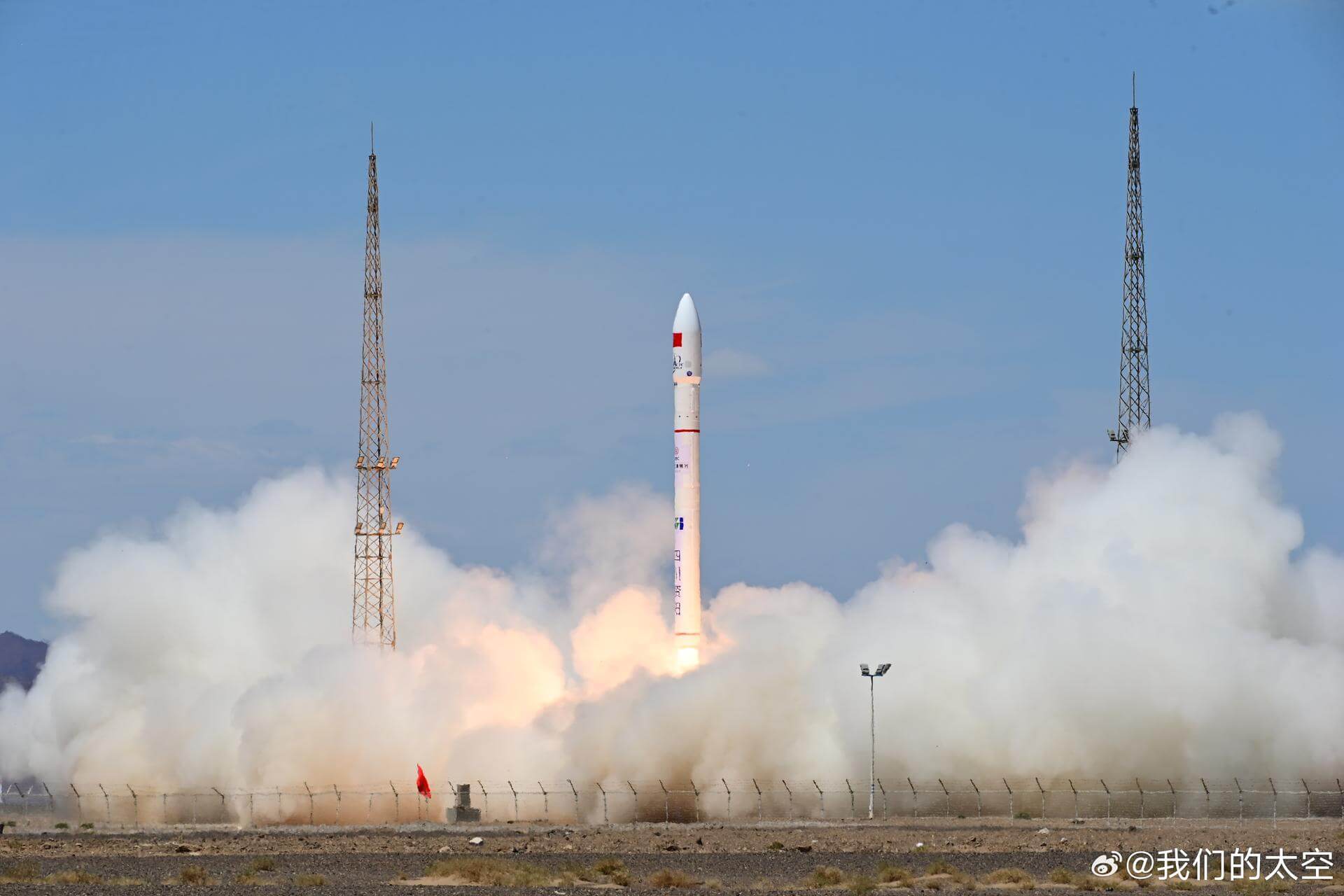
Today's space brief highlights intriguing military satellite developments, new space launch strategies to counteract observation threats, and potential European defense industry advancements.
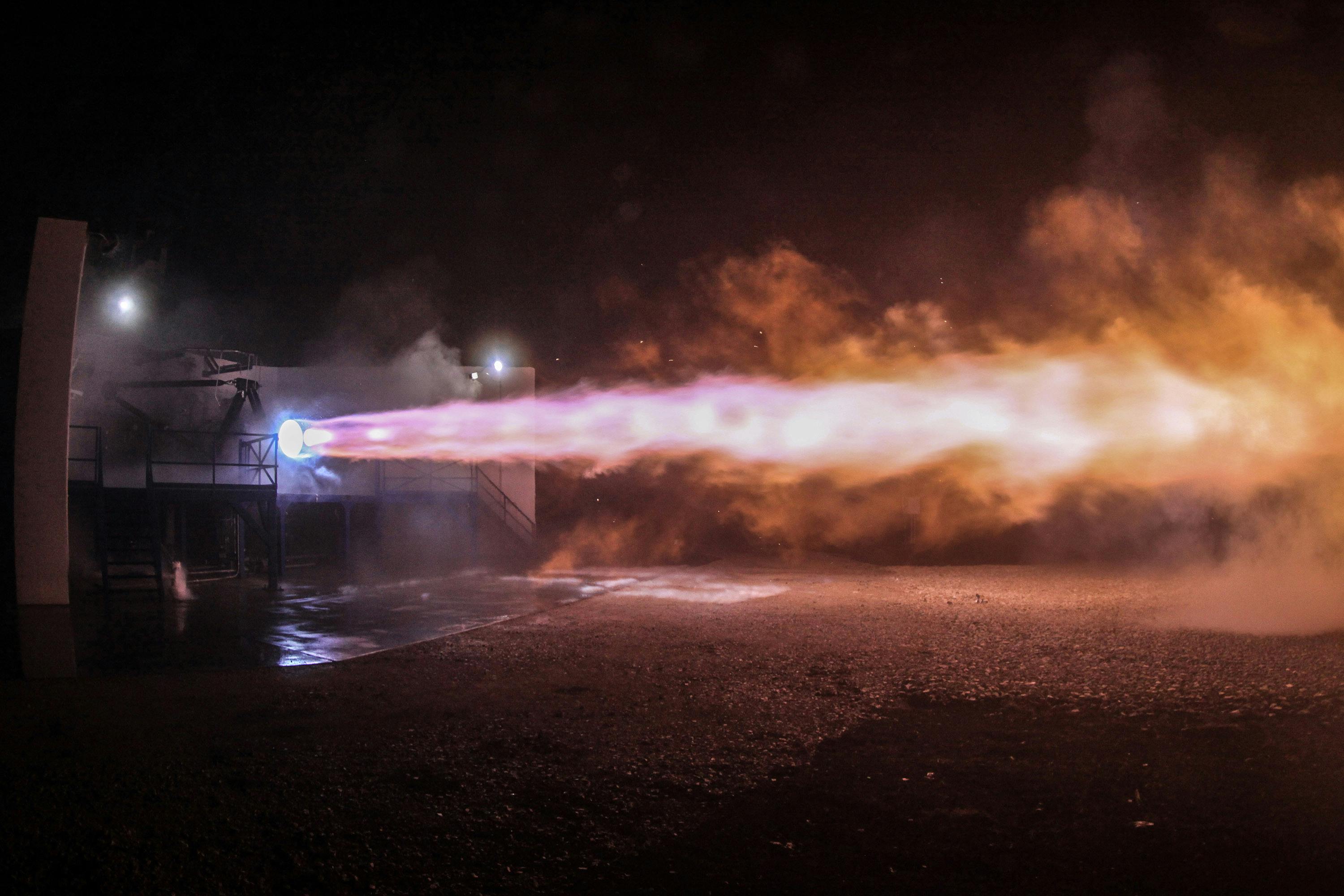
A Falcon 9 booster sets a reusability record on its 35th flight during the Starlink 10-35 mission, the constellation's 53rd dedicated launch.
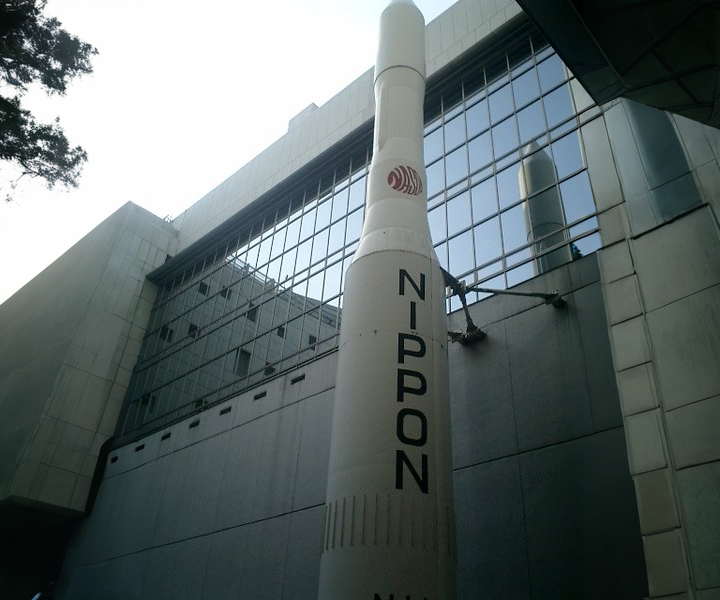
Forty-eight years ago, a pioneering satellite named Kiku 2 propelled Japan into the exclusive group of nations capable of operating satellites in geostationary orbit
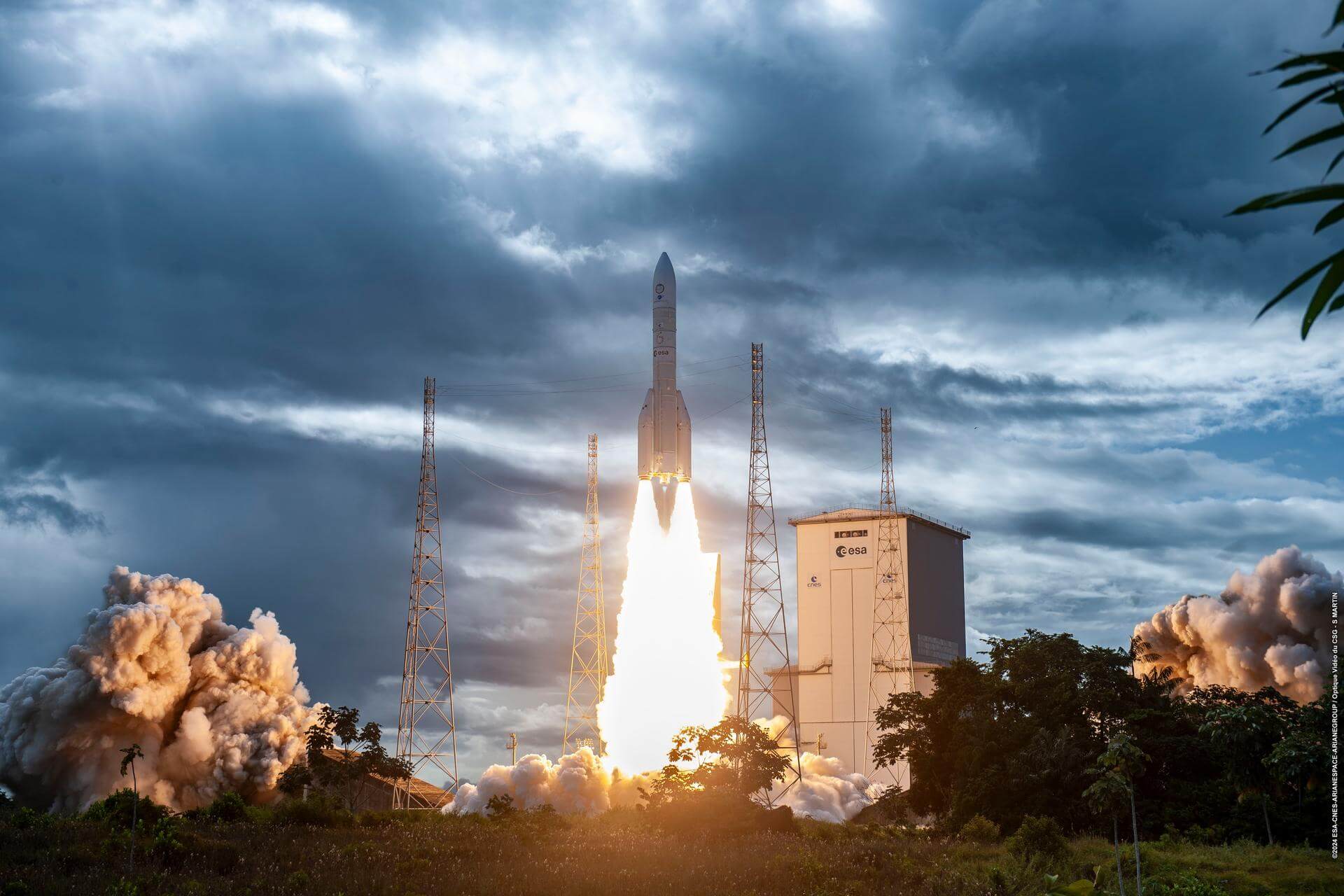
Today's space highlights include the US Space Force's advanced tracking contract, a milestone in SpaceX's Starlink program, and a new initiative to remove space debris.

The Kessler Syndrome threatens humanity's future in space as cascading satellite collisions create exponential debris growth. With 36,000+ tracked objects and recent incidents accelerating risks, we face a critical juncture: implement solutions now or potentially lose access to low Earth orbit forever.
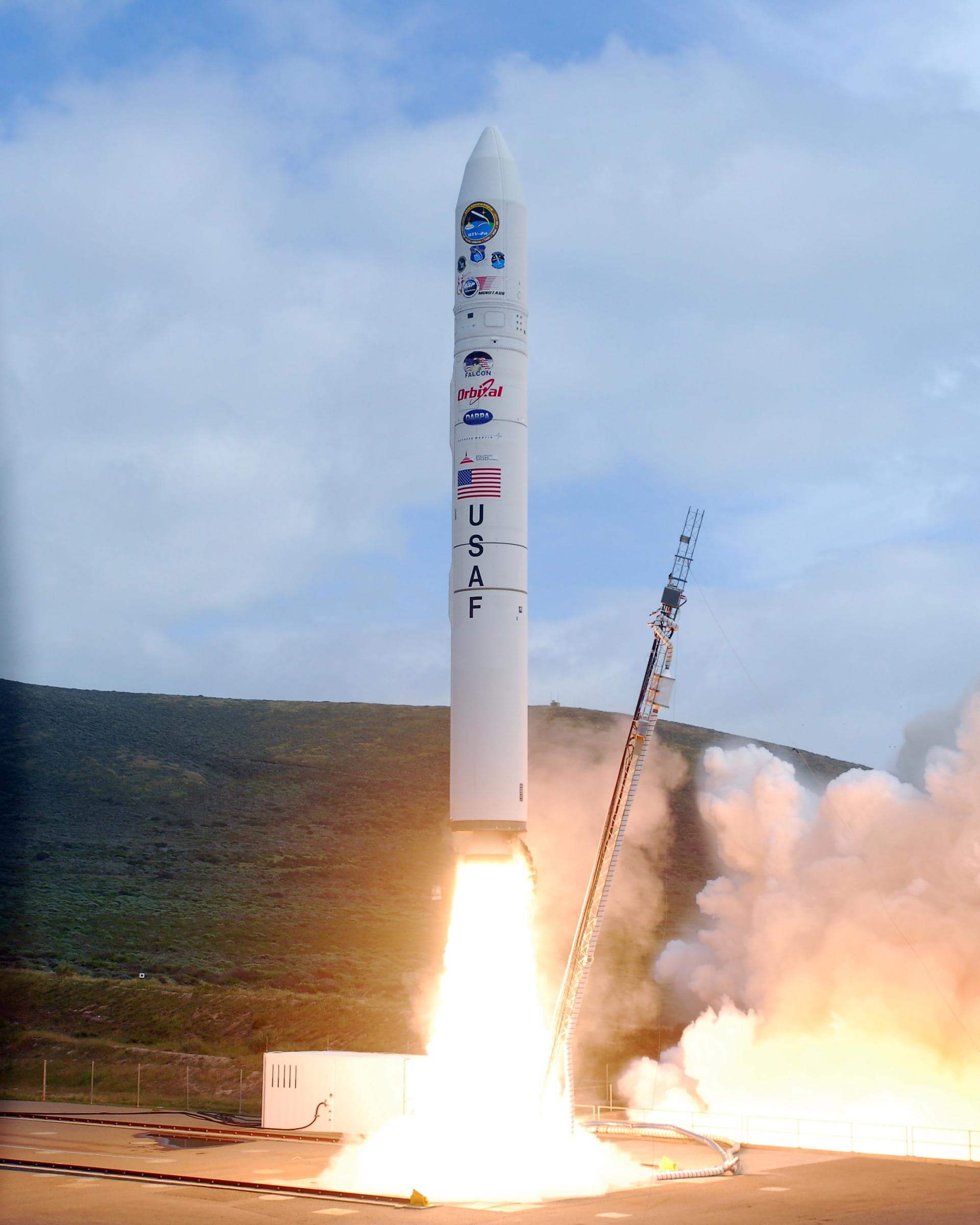
Today's brief covers strategic alignments in U.S. military space operations, a landmark missile defense program, and advances in secure satellite communications.
Highlights include US military astronaut rescue drills, China's commercial involvement in lunar missions, ESA's budget proposals, global opposition to space advertising, and NASA lunar landers.