

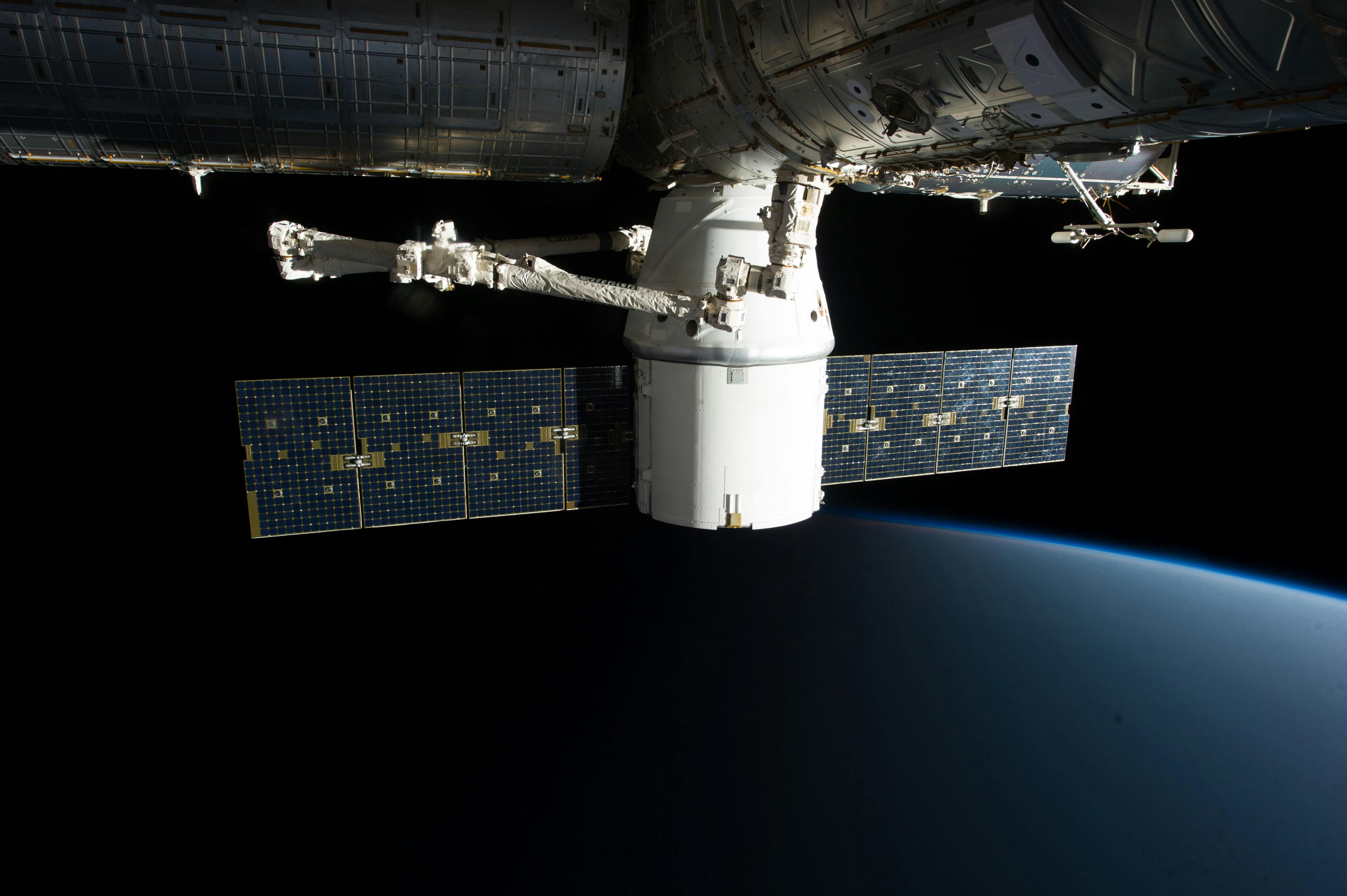
X Report 18 Aug 2025
SpaceX's 100th Falcon 9 mission successfully launched 24 Starlink satellites, continuing to expand its broadband constellation.


Launch Date
May 10, 1999
Launch Site
TAISC
Launch Pad
LC7
Launch Vehicle
Chang Zheng 4B
NORAD ID
32435
International Designator
1999-025DAX
Decay Date
2/9/2023
Name
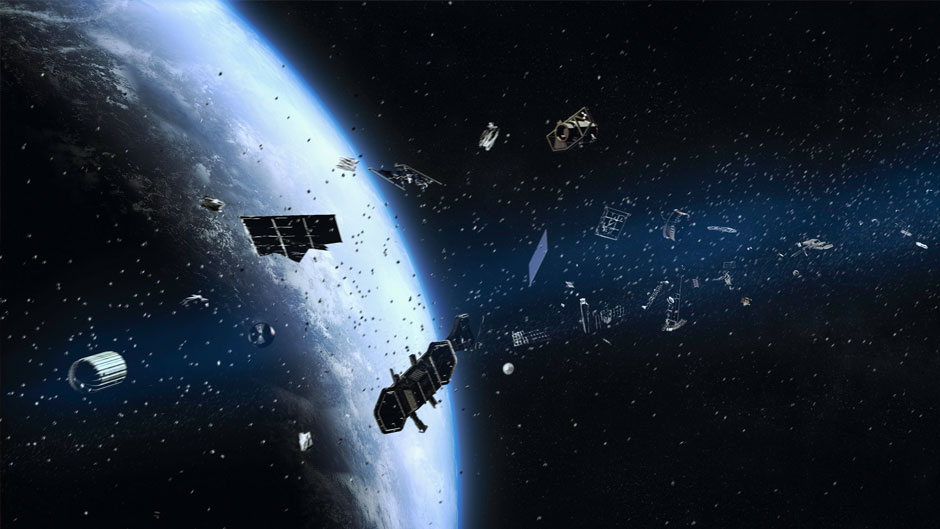
FENGYUN 1C DEB
Alternative Name
deb FY-1C
Type
Status
Owner
CASC
Country
China
Constellation
N/A
Related Satellites
Major Events
N/A
Length
0
Diameter
0
Span
0
Dry Mass
0
Launch Mass
0
Shape
N/A
Radar Cross Section
0.0111
Visual Magnitude
Unknown
Color
Unknown
Material Composition
Unknown
Payload
Unknown
Purpose
Unknown
Mission
Unknown
Manufacturer
Unknown
Life Expectancy
Unknown
Bus
Unknown
Configuration
Unknown
Motor
Unknown
Equipment
Unknown
Power System
Unknown
ADCS
Unknown
Transmitter Frequency
Unknown
Learn more about satellites and other related topics.
SpaceX's 100th Falcon 9 mission successfully launched 24 Starlink satellites, continuing to expand its broadband constellation.
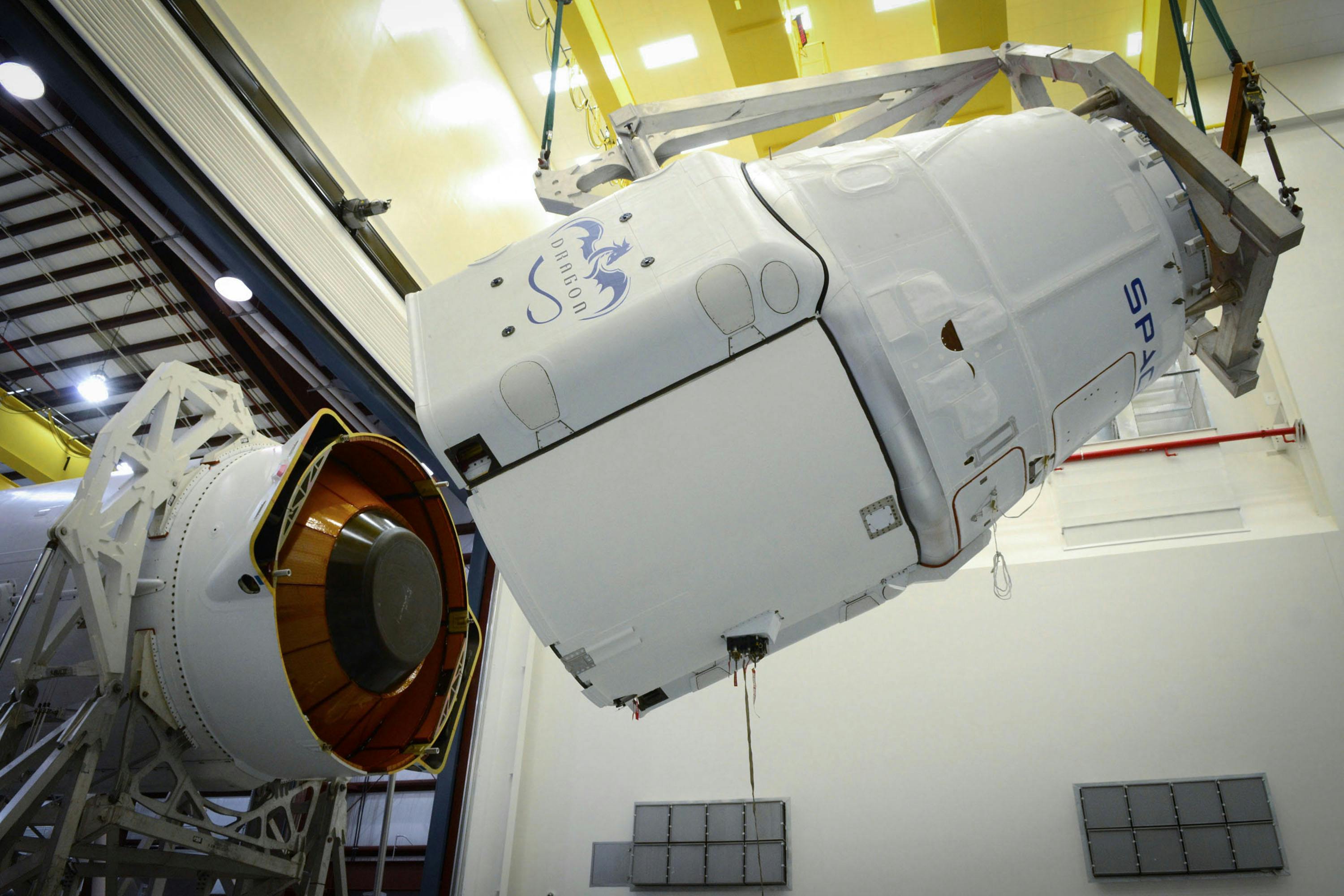
Today marks a significant day for SpaceX as the company prepares for the 9th test flight of its Starship-Super Heavy rocket, alongside a successful launch of 24 Starlink satellites to polar orbit.
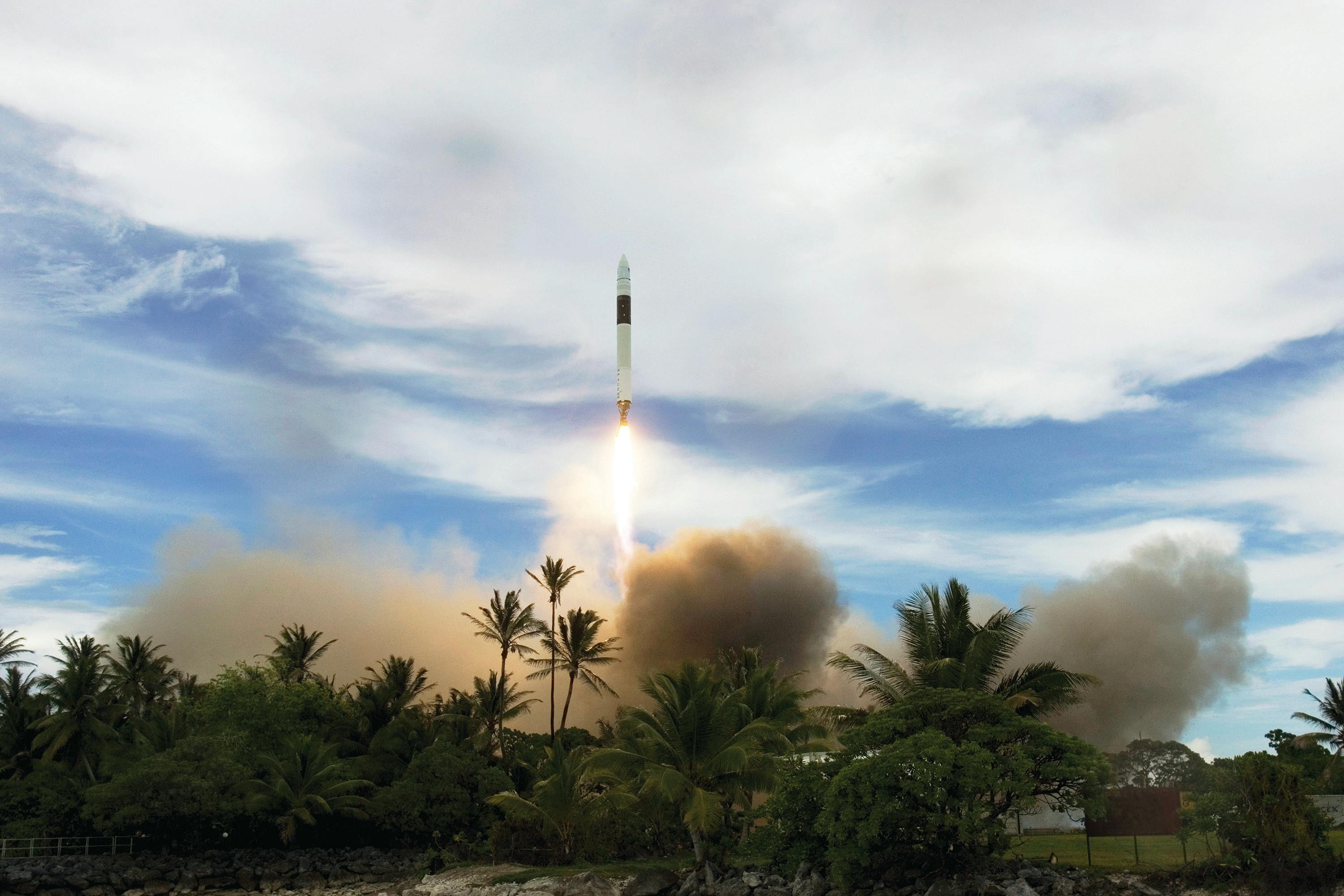
Starlink satellites in orbit May 2026: 10,374, with 10,358 working. Mission 17-29 lifts 24 more from Vandenberg and a satellite films the Starlink train.

Today's brief covers the recent surge in SpaceX launches, Eutelsat's resolution of a OneWeb software issue, and various strategic previews for U.S. military branches in 2025.
House appropriators approved $55.5 billion for Space Force but omitted $350 billion reconciliation funds, threatening Golden Dome and large-scale space programs' acquisition timelines.

A fatality at SpaceX's Starbase shakes the program as Starship V3, standing 124 m tall with Raptor 3 engines, nears its maiden flight.

Today's brief covers the first astronaut with a disability preparing for the ISS mission, SpaceX’s recent Starlink launch, funding breakthroughs for satellite tech company K2 Space, and updates on the Artemis program's challenges.

Falcon Heavy flew for the first time in eighteen months on April 29, 2026, expending its center core to push Viasat's final ViaSat-3 satellite toward geostationary orbit. The mission is a flagship rocket doing what only it can still do, for an operator betting six tons of high-throughput hardware on a market Starlink is rapidly redefining.