


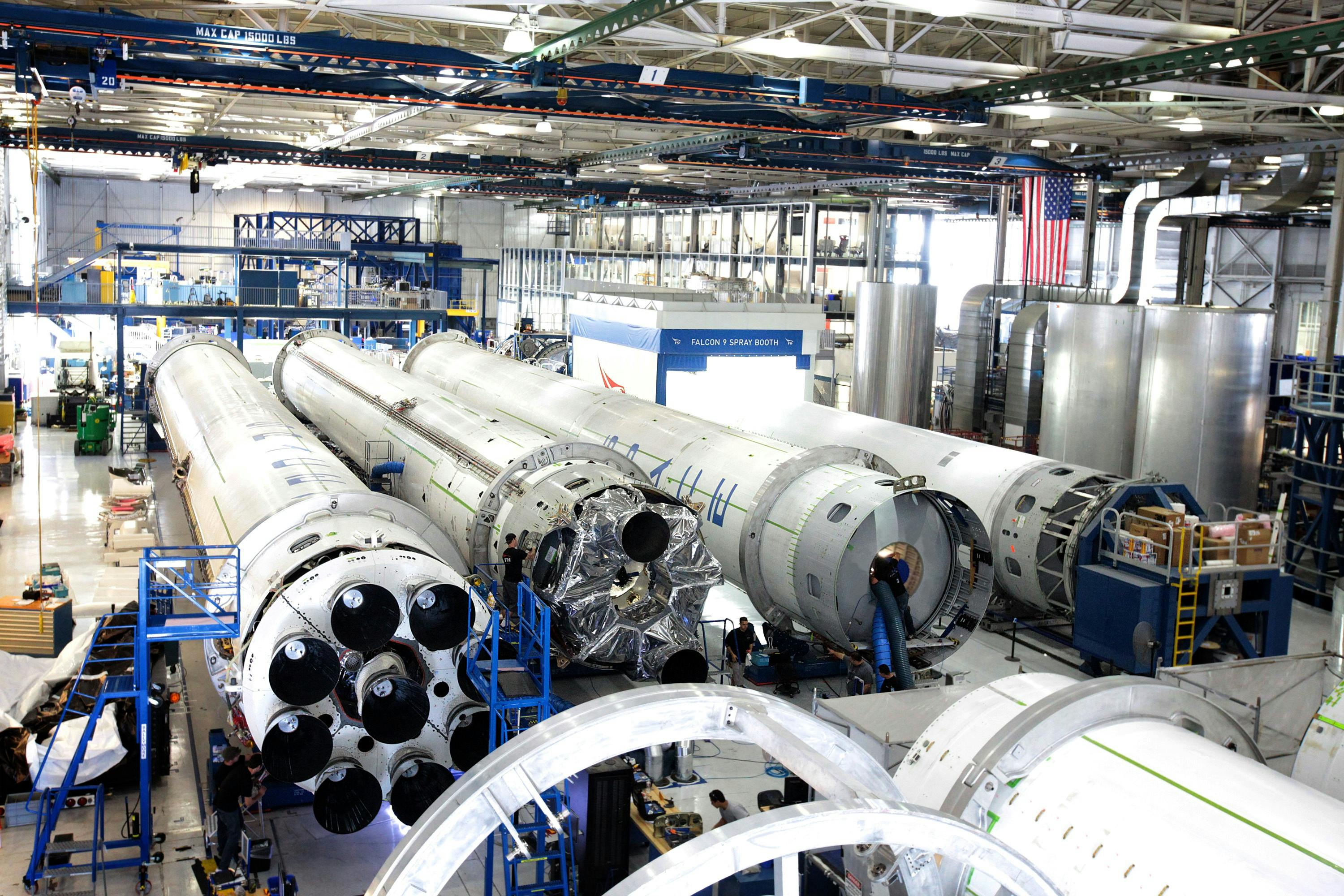
X Report 25 Dec 2024
SpaceX wraps up a record-breaking year with successful launches and advancements in Starlink mega-constellation.


![COSMOS 2436 [GLONASS-M] Satellite Image](/images/sat/32395.jpg)
Launch Date
December 25, 2007
Launch Site
Launch Pad
LC81/24
Launch Vehicle
Proton-M/DM-2
NORAD ID
32395
International Designator
2007-065C
Epoch
Sat, 04 Jul 2026 22:58:14 GMT
Apogee
Calculating...
Perigee
Calculating...
Inclination
64.33°
Right Ascension
191.39°
Eccentricity
Calculating...
Argument of Perigee
353.58°
Period
675.74 min
Mean Motion
2.13 rev/day
Latitude
Calculating...
Longitude
Calculating...
Altitude
Calculating...
Velocity
Calculating...
Name
COSMOS 2436 [GLONASS-M]
Alternative Name
Kosmos-2436
Type
Status
Owner
KVR/IACG
Country
Russia
Constellation
N/A
Related Satellites
Major Events
N/A
1 32395U 07065C 26185.95710713 .00000099 00000+0 00000+0 0 9991
2 32395 64.3280 191.3887 0017282 353.5770 189.2723 02.13100233144101
Source: Celestrak
Length
4
Diameter
1.5
Span
7.8
Dry Mass
1200
Launch Mass
1450
Shape
Cyl + Ant + 2 Pan
Radar Cross Section
5.0238
Visual Magnitude
Unknown
Color
Unknown
Material Composition
Unknown
Payload
Uragan-M No. 23L
Purpose
Navigation
Mission
Navigation
Manufacturer
RESH
Life Expectancy
7 years
Bus
Uragan
Configuration
3-Axis stabilized Uragan-M bus
Motor
?
Equipment
?
Power System
2 deployable solar arrays, batteries
ADCS
Unknown
Transmitter Frequency
Unknown
Learn more about satellites and other related topics.
SpaceX wraps up a record-breaking year with successful launches and advancements in Starlink mega-constellation.
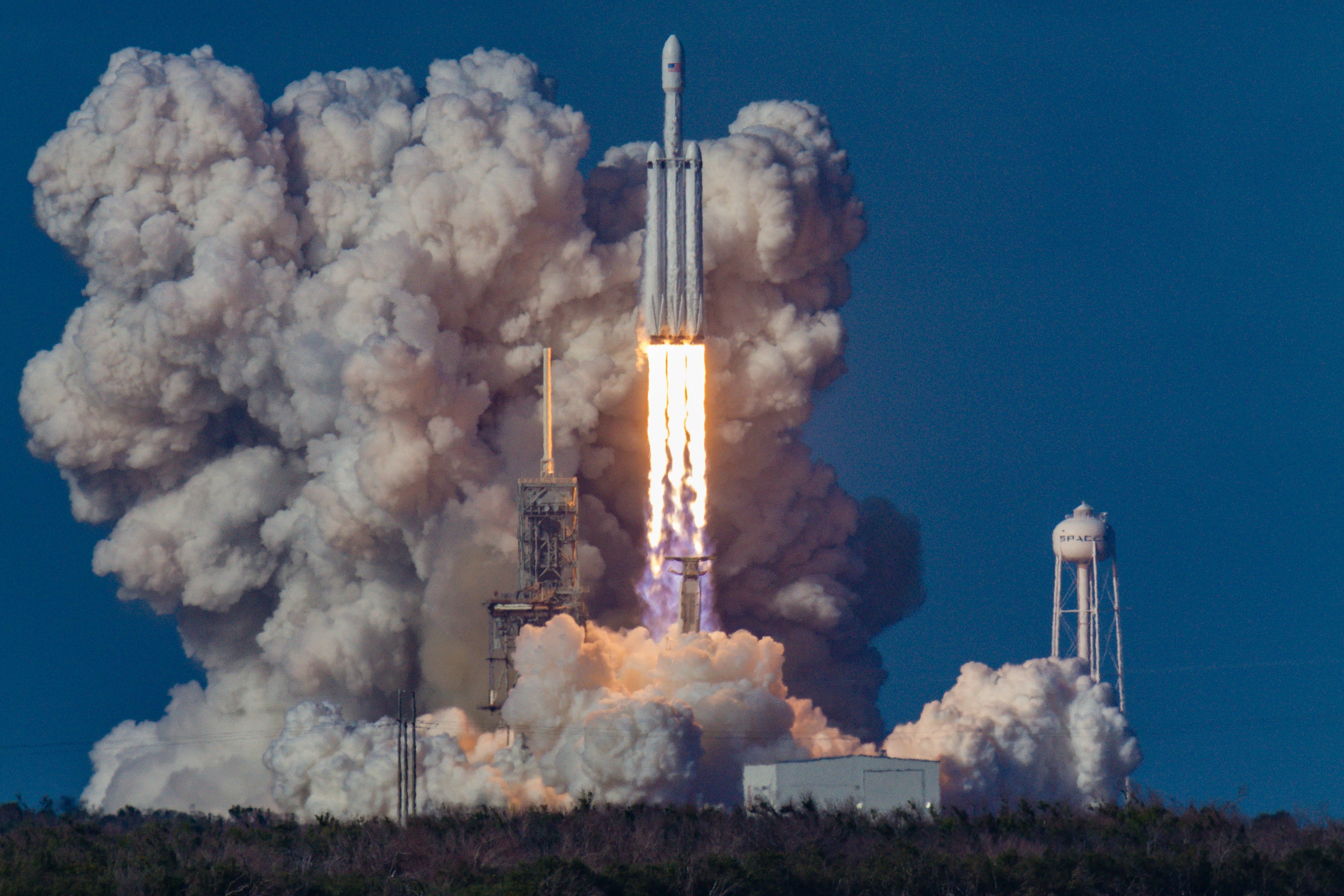
SpaceX's Falcon 9 rockets propel space exploration and connectivity forward with a moon landing mission, Starlink deployment, and readiness for another Starship launch trial.

Exciting SpaceX updates include the arrival of Athena moon lander, SPHEREx telescope's upcoming launch, and SpaceX's GigaBay development.
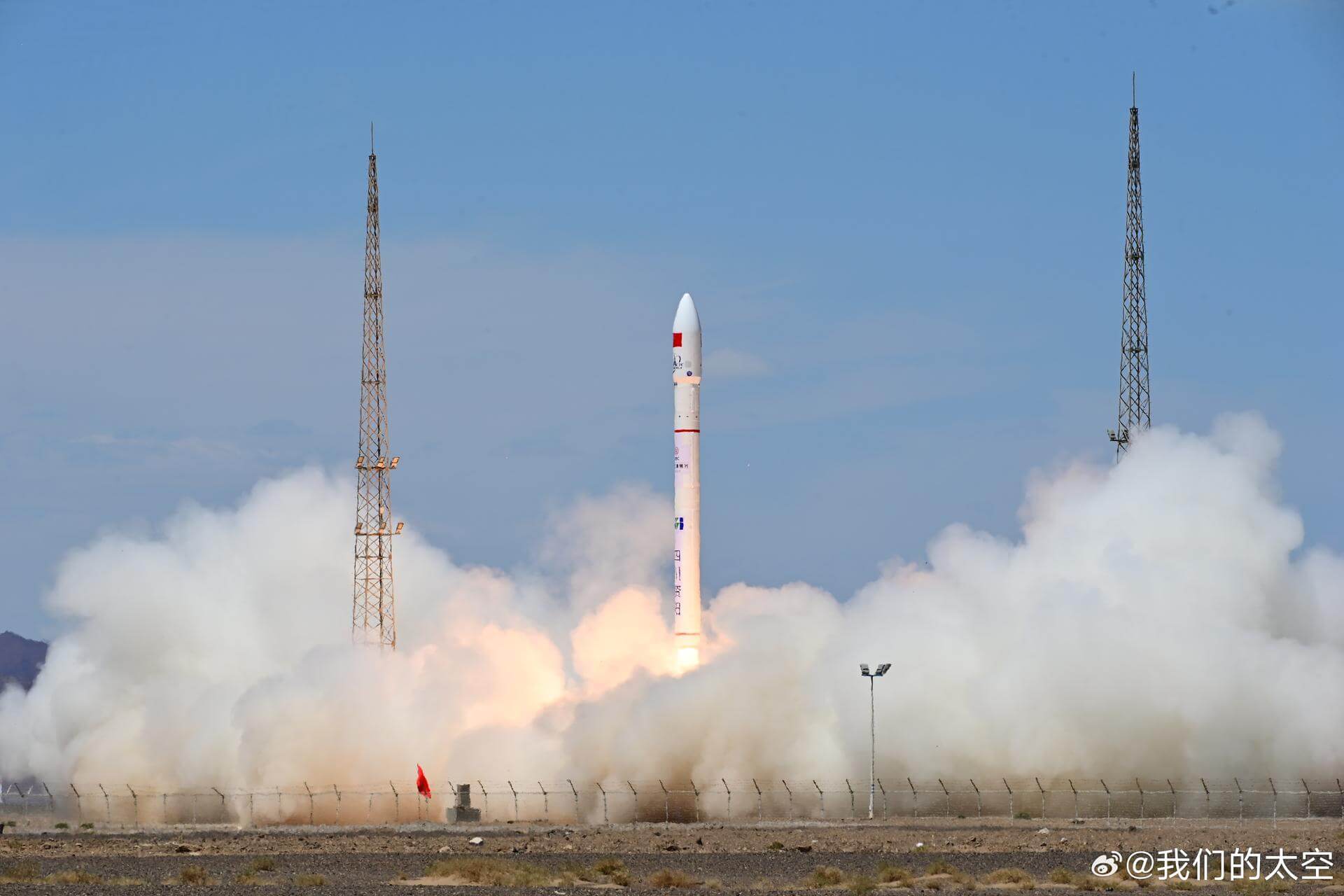
Today's brief covers a historic milestone for China's space program, the decoding of a simulated alien signal, innovative solutions to address satellite air pollution, and industry shifts driven by major investments and contracts.
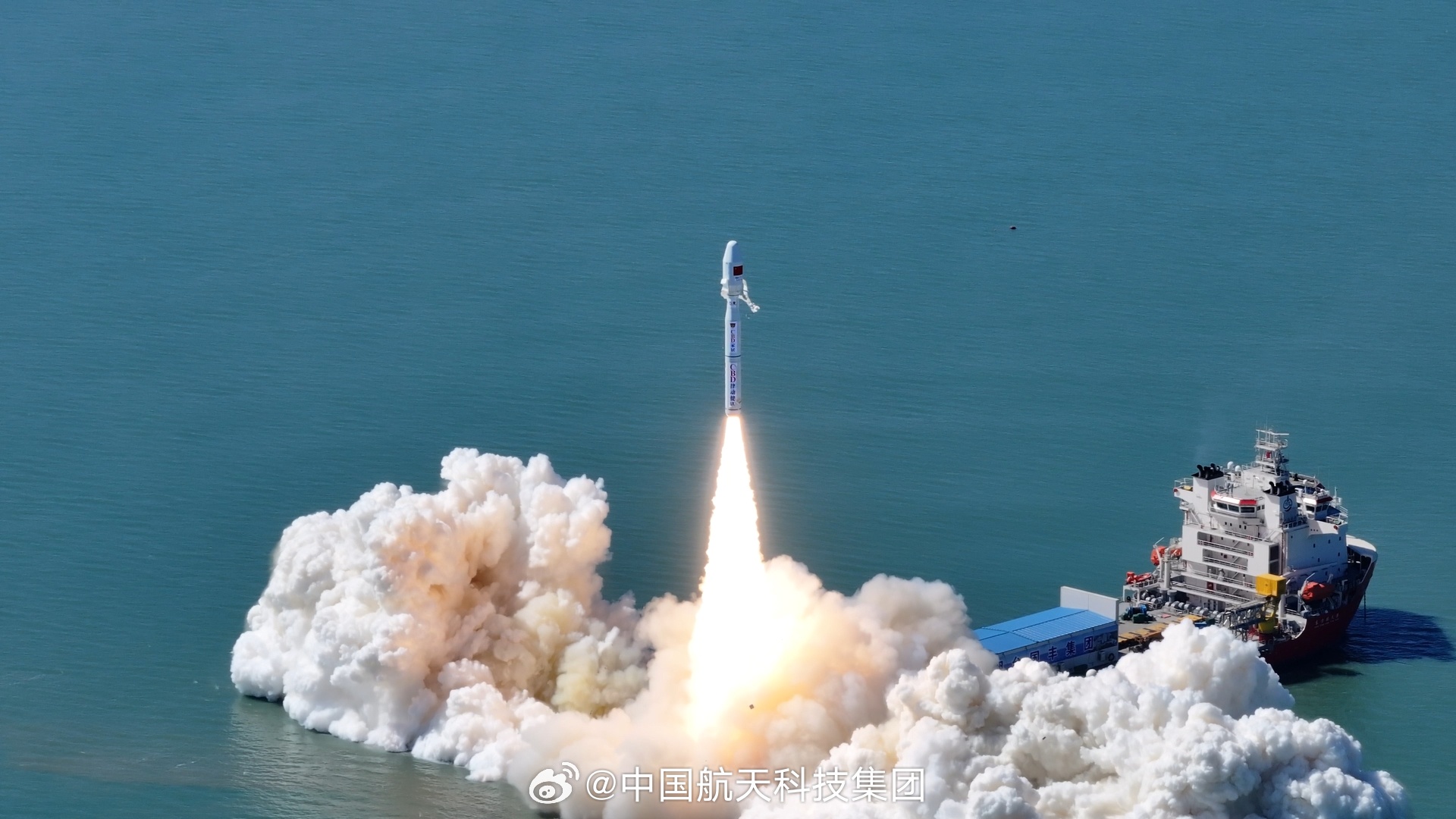
Artemis 2 splashdown marks first crewed lunar flyby since Apollo 17 in 1972. Four astronauts completed historic mission, validating systems for Artemis 3 landing attempt.

Today's brief covers launches by SpaceX and mysterious Space Force missions, along with updates on Japan's moon lander and US-UAE defense deals.

In 2024, China launched 68 orbital missions. In 2025, the number jumped to 97. In 2026, state media and Western analysts agree the target is 140 or more. Most of that growth is being driven by two state-backed mega-constellations, a half-dozen private launch companies hitting stride, and a deliberate national pivot toward commercial space. Beijing is no longer trying to catch SpaceX. It is trying to build an industrial base that outlasts one.
Today's brief covers a significant hypersonic flight by Stratolaunch, the US Space Force's missile warning upgrades, and major government space investments.