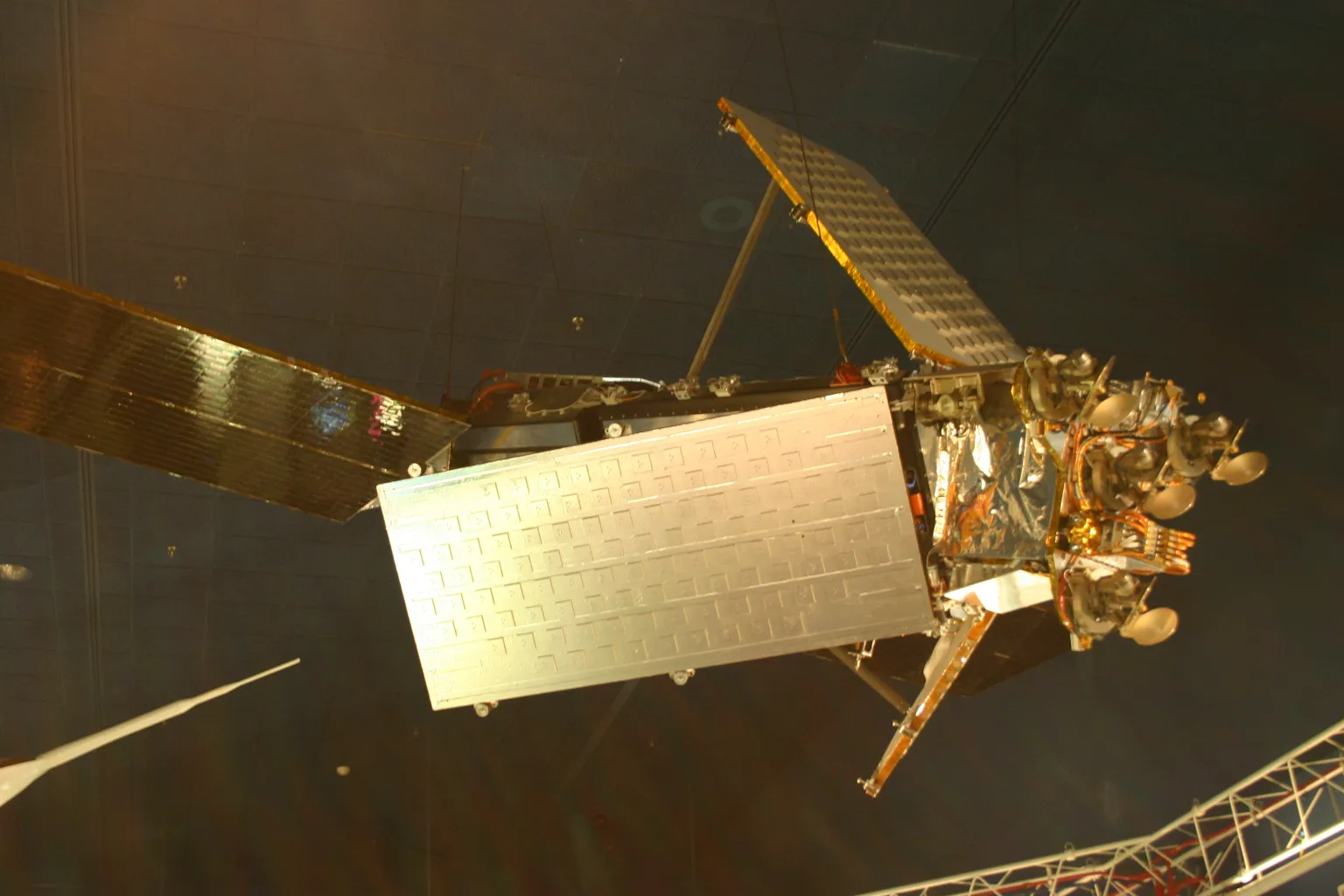
DELTA 2 R/B(1) (32386)

COSPAR: 2007-062C | Alt Name: Delta 331
DECAYED

Image
DELTA 2 R/B(1) Satellite Image
Additional Sources
Launch Details

Launch Date

December 20, 2007

Launch Pad

SLC17A

Launch Vehicle

Delta 7925-9.5

Orbital Elements

NORAD ID

32386

International Designator

2007-062C

Decay Date

4/8/2008

Basic Satellite Info

Name

DELTA 2 R/B(1)

Alternative Name

Delta 331

Type

Rocket Body

Status

Space Junk

Owner

BOHB

Country

United States

Constellation

N/A

Related Satellites

Major Events

N/A

Summary
A rocket body, also commonly referred to as an upper stage or spent rocket stage, is the structural shell left behind after a rocket has delivered its payload to orbit. These large and often heavy pieces of space hardware can remain in orbit for years, posing significant collision hazards as part of the growing space debris problem. If left uncontrolled, rocket bodies have the potential to reenter Earth's atmosphere unpredictably, which can lead to falling debris in populated areas. Additionally, they risk colliding with operational satellites or the International Space Station, creating more debris and putting human life at risk.
Physical Characteristics

Length

7

Diameter

2.4

Span

7

Dry Mass

924

Launch Mass

1500

Shape

Cyl + Cone

Radar Cross Section

7.1813

Visual Magnitude

Unknown

Color

Unknown

Material Composition

Unknown

Technical Details

Payload

Delta SSPS AJ-10-118K

Purpose

Unknown

Mission

Unknown

Manufacturer

BOPBL

Life Expectancy

Unknown

Bus

Delta/0020

Configuration

Unknown

Motor

Unknown

Equipment

Unknown

Power System

Unknown

ADCS

Unknown

Transmitter Frequency

Unknown

Satellite Articles

View All Posts »

Learn more about satellites and other related topics.

The Day Two Satellites Said Hello at 26,000 Miles Per Hour

The Day Two Satellites Said Hello at 26,000 Miles Per Hour

Seventeen years ago today, an operational American communications satellite and a dead Russian military relay crossed paths over Siberia. What happened next created more than 2,000 pieces of trackable debris - and fundamentally changed how the world thinks about space traffic.

Space Force Stands Up SPACEFOR-NORTH for Homeland Defense | KeepTrack Space Brief

Space Force Stands Up SPACEFOR-NORTH for Homeland Defense | KeepTrack Space Brief

Space Force inaugurates SPACEFOR-NORTH at Peterson SFB for homeland defense. Viridian inks AFRL satellite agreement. HASC chair seeks $450B defense fund.

LeoLabs Launches Delta Military SSA Platform | KeepTrack Space Brief

LeoLabs Launches Delta Military SSA Platform | KeepTrack Space Brief

LeoLabs debuts Delta, a space monitoring tool designed for military operators to detect adversarial orbital activity beyond standard conjunction warnings.

China Opens 2026 With Yaogan and Guowang Satellite Launches | KeepTrack Space Brief

China Opens 2026 With Yaogan and Guowang Satellite Launches | KeepTrack Space Brief

China launches Yaogan spacecraft into unusual orbit and Guowang constellation satellites to start 2026. NASA and DOE plan lunar nuclear reactor by 2030. Space Force switches GPS launch rocket.

X Report 29 Oct 2025

X Report 29 Oct 2025

SpaceX embraces community support during Hurricane Melissa while advancing its Starbase infrastructure and launching more Starlink satellites.

Blue Origin's New Glenn Explodes During Ground Test | KeepTrack Space Brief

Blue Origin's New Glenn Explodes During Ground Test | KeepTrack Space Brief

Blue Origin's New Glenn rocket exploded during ground testing May 28, visible from hundreds of miles across Florida. Fireball halts vehicle pending failure investigation.

Space Brief 3 Nov 2024

Space Brief 3 Nov 2024

Today focuses on Blue Origin's preparation for New Glenn's debut, SpaceX Crew-9's ISS maneuver, the importance of U.S.-China cooperation in space, and breathtaking ISS photography.

Second Starlink Debris Anomaly in 3 Months | KeepTrack X Report

Second Starlink Debris Anomaly in 3 Months | KeepTrack X Report

A second Starlink satellite malfunction in just over three months has generated on-orbit debris, raising fresh questions about SpaceX's 10,151-strong working constellation.