
FENGYUN 1C DEB (32359)

COSPAR: 1999-025CZC | Alt Name: deb FY-1C
DECAYED

Image
FENGYUN 1C DEB Satellite Image
Additional Sources
Launch Details

Launch Date

May 10, 1999

Launch Site

TAISC

Launch Pad

LC7

Launch Vehicle

Chang Zheng 4B

Orbital Elements

NORAD ID

32359

International Designator

1999-025CZC

Decay Date

4/9/2014

Basic Satellite Info

Name

FENGYUN 1C DEB

Alternative Name

deb FY-1C

Type

Debris

Status

Space Junk

Owner

CASC

Country

China

Constellation

N/A

Related Satellites

Major Events

N/A

Summary
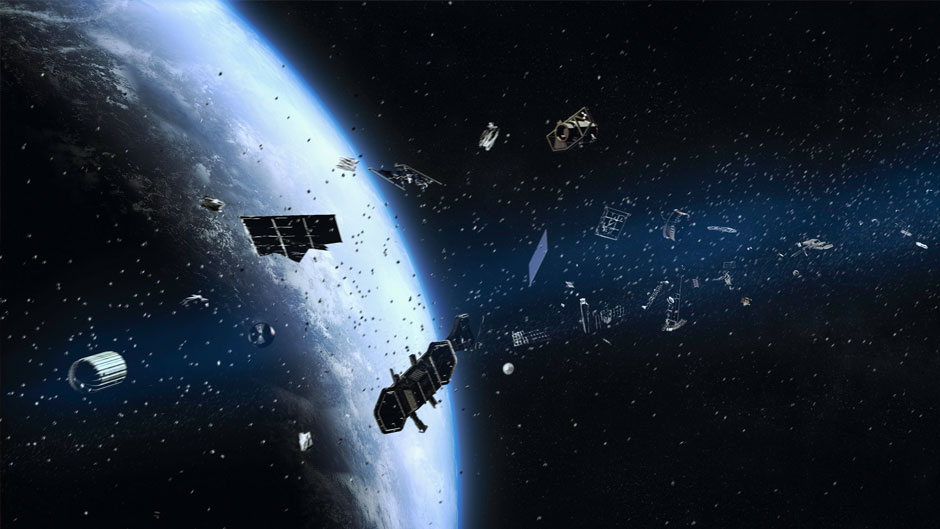
Space debris, also known as space junk, encompasses all non-functional objects orbiting Earth such as defunct satellites, spent rocket stages, and fragments from collisions or disintegrations. Over time, this debris can accumulate and create an increasingly hazardous environment in orbit. Even tiny fragments, traveling at extremely high velocities, can inflict significant damage on operational satellites and spacecraft. If left unmanaged, the density of debris raises the risk of catastrophic collisions and further fragmentation, compounding the problem and threatening the safety and sustainability of space activities.
Physical Characteristics

Length

0

Diameter

0

Span

0

Dry Mass

0

Launch Mass

0

Shape

N/A

Radar Cross Section

0.0082

Visual Magnitude

Unknown

Color

Unknown

Material Composition

Unknown

Technical Details

Payload

Unknown

Purpose

Unknown

Mission

Unknown

Manufacturer

Unknown

Life Expectancy

Unknown

Bus

Unknown

Configuration

Unknown

Motor

Unknown

Equipment

Unknown

Power System

Unknown

ADCS

Unknown

Transmitter Frequency

Unknown

Satellite Articles

View All Posts »

Learn more about satellites and other related topics.

Space Brief 12 Jun 2025

Space Brief 12 Jun 2025

Today's Space Brief covers major developments including the public debut of Voyager Technologies, advancements in defense by Sierra Space, and Pentagon's mega-constellation challenges. Also featured are new software selections by the Space Force and legislative actions on acquisition pilots.
X Report 9 Jul 2025

X Report 9 Jul 2025

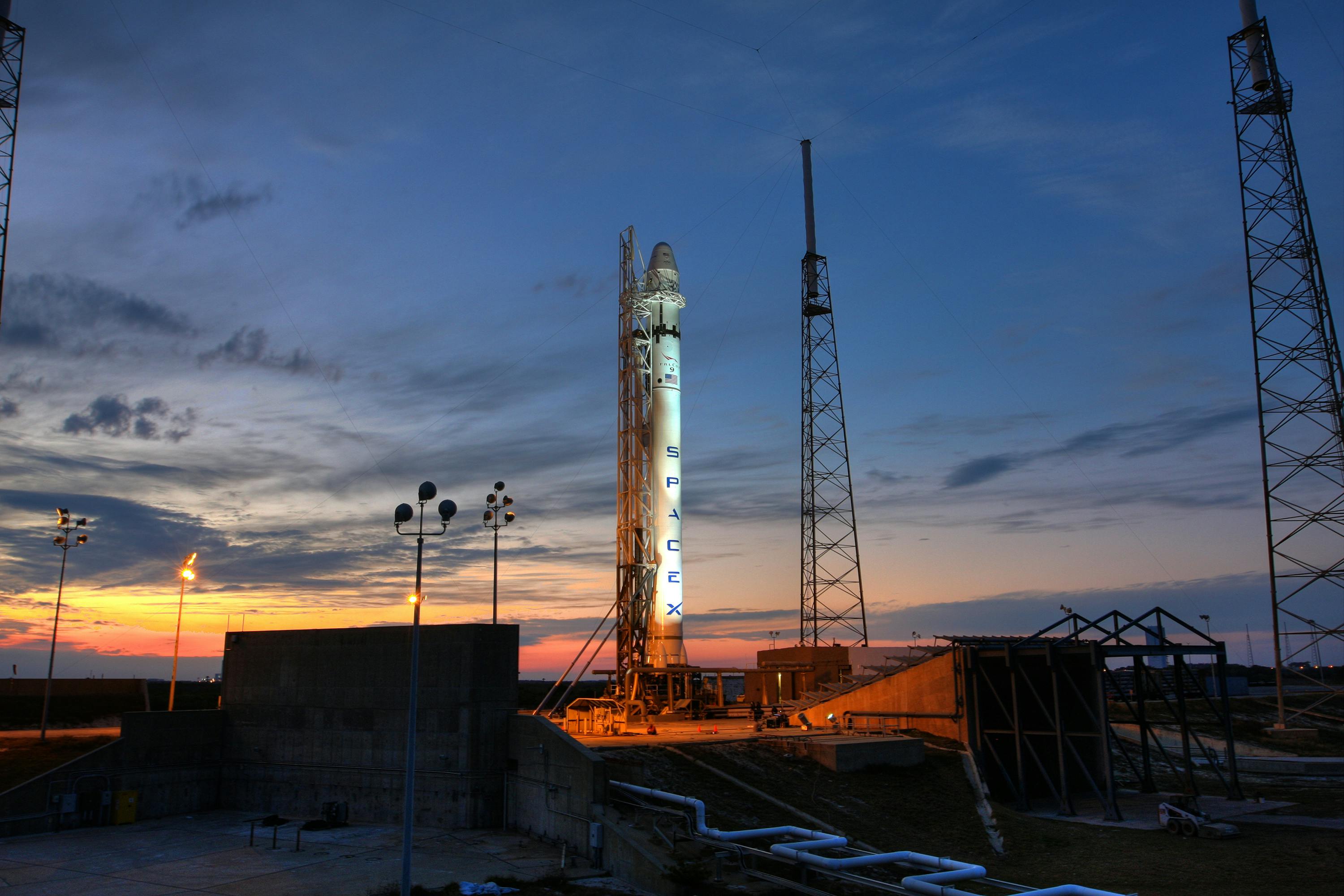
SpaceX successfully launched 28 Starlink satellites, marking a significant milestone with its 500th orbital mission. Both launches underscore the company's commitment to expanding its satellite internet constellation and solidifying its position in the space industry.

Mike Melvill, 124 Meters, and the Morning Space Went Private

Mike Melvill, 124 Meters, and the Morning Space Went Private

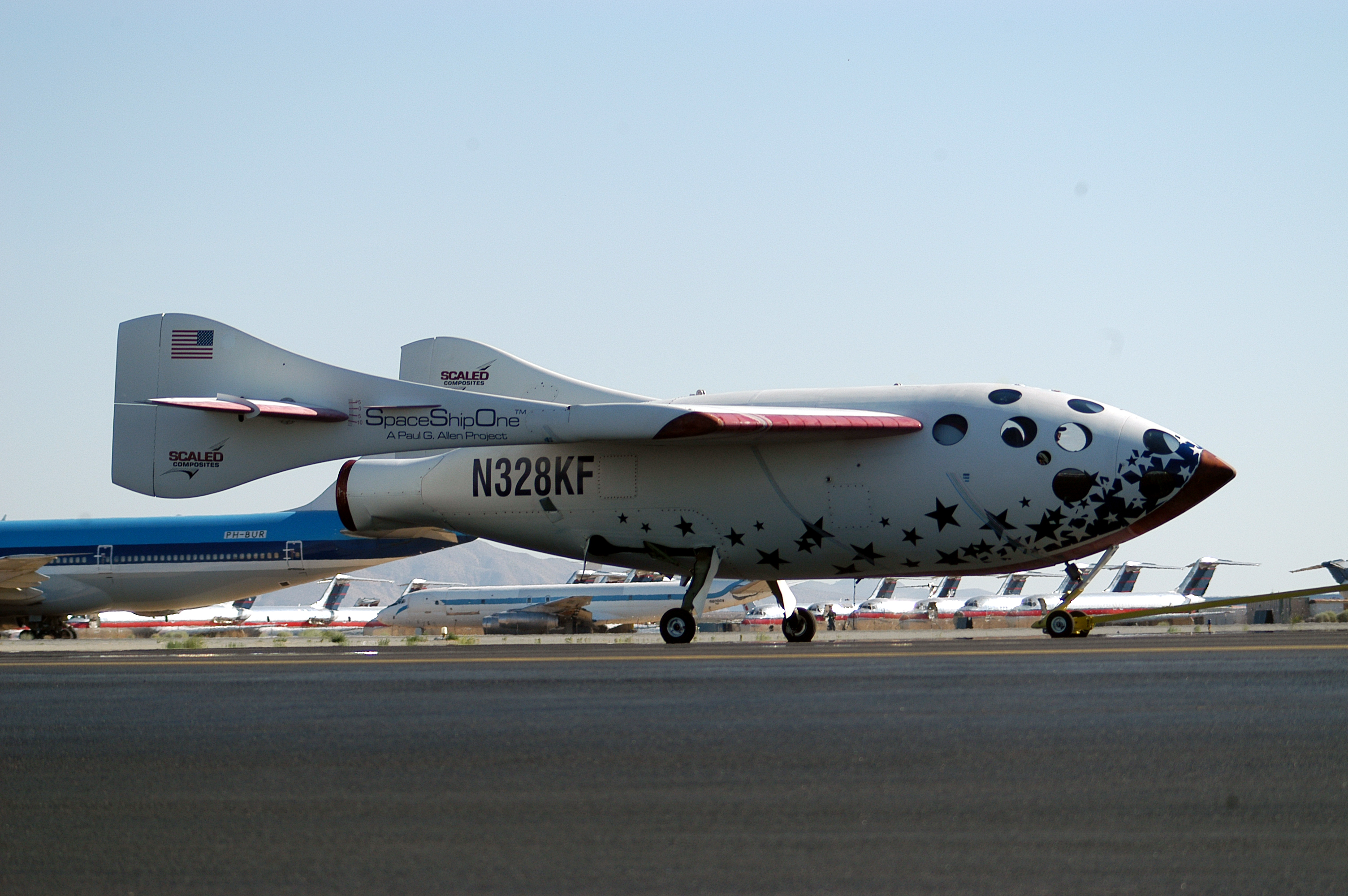
On 21 June 2004, a 63-year-old test pilot rode a homebuilt rocket plane to 100,124 meters above the Mojave Desert, clearing the edge of space by about the length of a city block. He came down the first private astronaut in history, holding a sign that read 'SpaceShipOne, GovernmentZero.'

Vulcan GEM 63XL Passes Static Fire; February Anomaly Still Under Investigation | KeepTrack Space Brief

Vulcan GEM 63XL Passes Static Fire; February Anomaly Still Under Investigation | KeepTrack Space Brief

Northrop Grumman's GEM 63XL solid rocket booster passed static fire testing, but ULA's investigation into a February 2026 Vulcan in-flight anomaly remains open. No RTF date set.

Space Brief 5 Feb 2025

Space Brief 5 Feb 2025

Today's briefing covers strategic military developments including missile defense proposals and board realignments, intertwined with rising space defense exports and autonomous launcher progress.

Falcon 9 B1067 Targets 36th Flight Record on Starlink 10-42 | KeepTrack Space Brief

Falcon 9 B1067 Targets 36th Flight Record on Starlink 10-42 | KeepTrack Space Brief

SpaceX Falcon 9 booster B1067 set for 36th flight Thursday with Starlink 10-42 mission from Cape Canaveral. Long March 10B debuts Friday in China.

Space Brief 30 Apr 2025

Space Brief 30 Apr 2025

Today's briefing covers a significant hypersonic missile launch by the U.S. Army, the declassification of spy satellite photos aiding demining efforts, and the deployment of cutting-edge research payloads to the ISS.

Space Brief 21 Feb 2025

Space Brief 21 Feb 2025

Explore the latest developments in international defense collaborations, aerospace advancements, and emerging military trends shaping our orbital environments.