


X Report 27 Jul 2025
SpaceX's rapid advancements continued this weekend with two consecutive Starlink missions and preparations for the upcoming Crew-11 launch, showcasing its efficiency and commitment to expanding satellite broadband coverage.


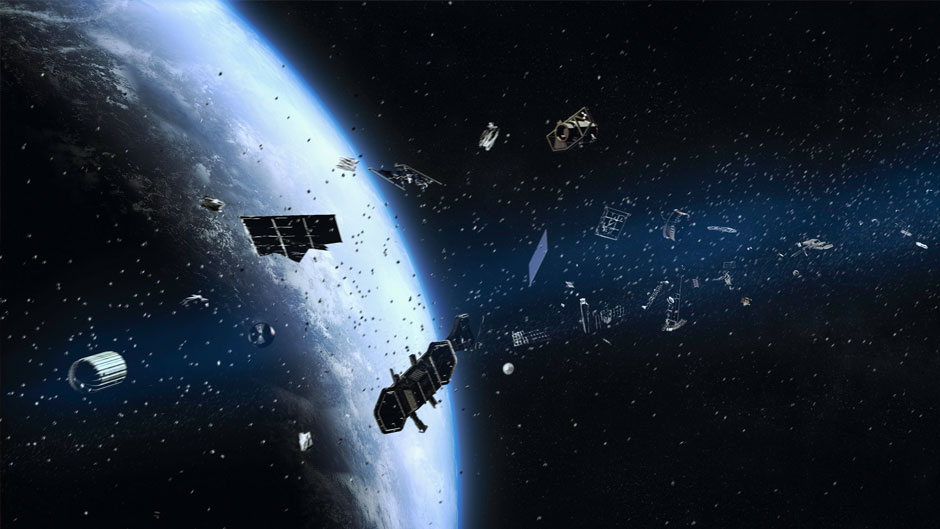
Launch Date
May 10, 1999
Launch Site
TAISC
Launch Pad
LC7
Launch Vehicle
Chang Zheng 4B
NORAD ID
32347
International Designator
1999-025CYQ
Decay Date
3/9/2012
Name
FENGYUN 1C DEB
Alternative Name
deb FY-1C
Type
Status
Owner
CASC
Country
China
Constellation
N/A
Related Satellites
Major Events
N/A
Length
0
Diameter
0
Span
0
Dry Mass
0
Launch Mass
0
Shape
N/A
Radar Cross Section
0.0113
Visual Magnitude
Unknown
Color
Unknown
Material Composition
Unknown
Payload
Unknown
Purpose
Unknown
Mission
Unknown
Manufacturer
Unknown
Life Expectancy
Unknown
Bus
Unknown
Configuration
Unknown
Motor
Unknown
Equipment
Unknown
Power System
Unknown
ADCS
Unknown
Transmitter Frequency
Unknown
Learn more about satellites and other related topics.
SpaceX's rapid advancements continued this weekend with two consecutive Starlink missions and preparations for the upcoming Crew-11 launch, showcasing its efficiency and commitment to expanding satellite broadband coverage.
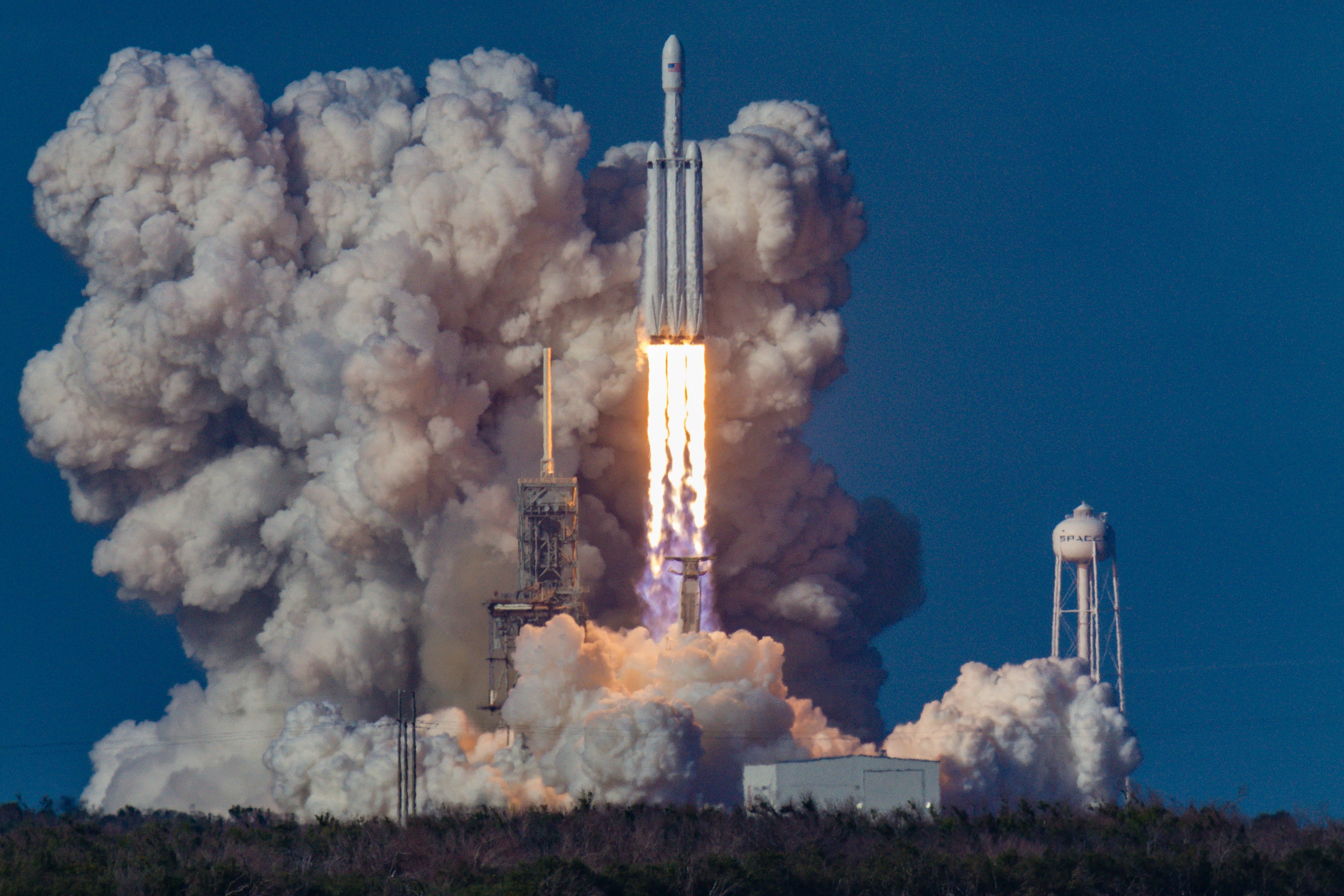
SpaceX achieves a remarkable milestone with its 50th Falcon 9 launch of 2025, while Starlink continues to expand, facing competition from China's megaconstellation efforts.

Space Force projects 30,000-satellite orbital architecture by 2040 amid combat integration revelations. Gen. Saltzman confirms space operations were critical in Iran conflict.
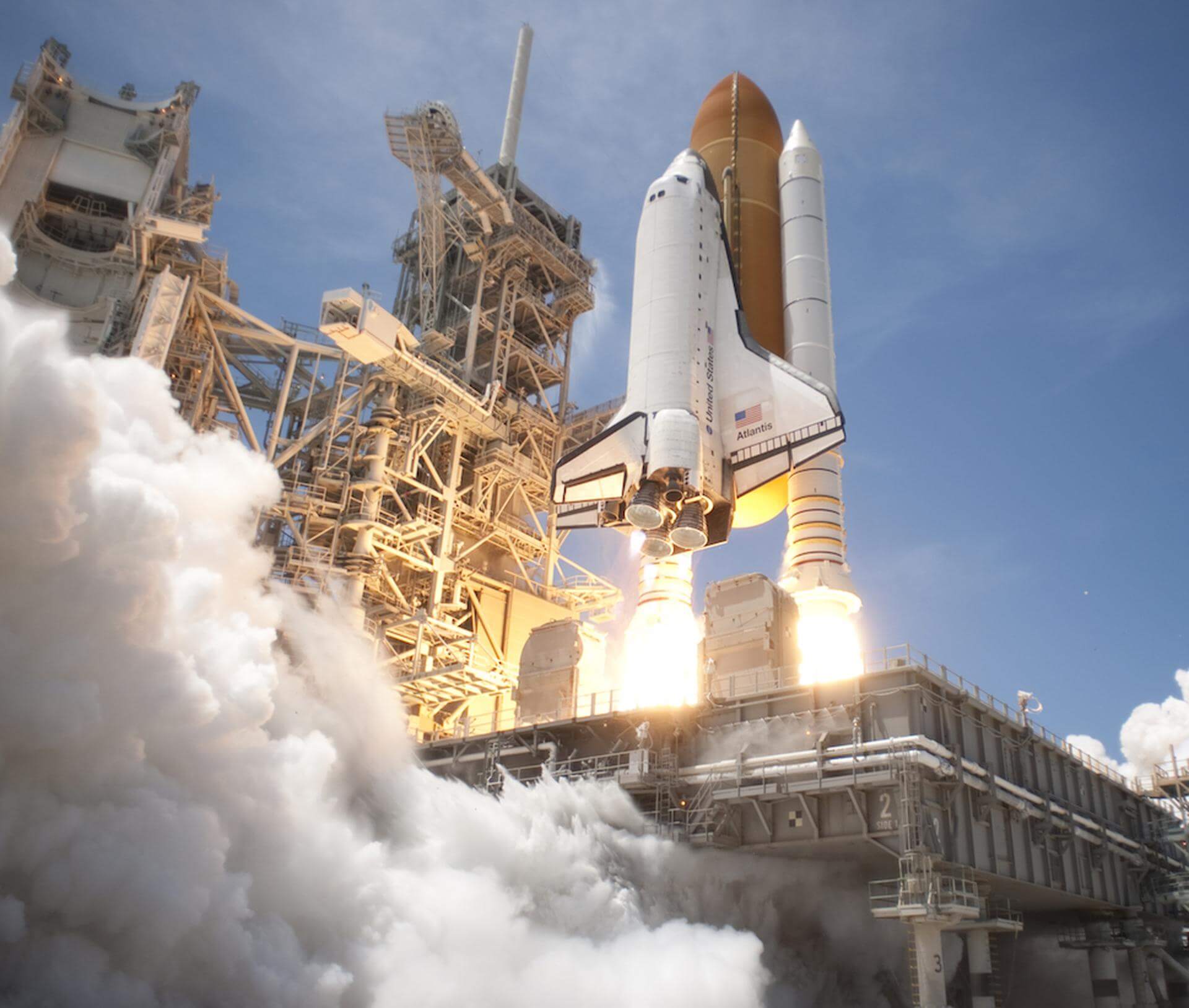
Rocket Lab to acquire Iridium's 66-satellite LEO constellation for end-to-end vertical integration. Deal includes spacecraft manufacturing, launch, and on-orbit operations control.
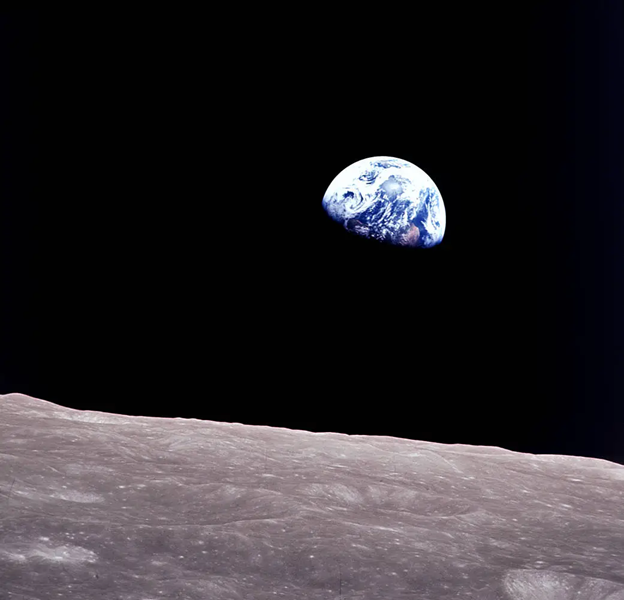
For 56 years, April 22 has been the day the world stops to look at itself. Before that was possible, someone had to invent the view. This is the story of how we first saw Earth from the outside, from a crashed V-2 camera in the New Mexico desert to the Blue Marble that still hangs on classroom walls.
U.S. Space Force increased Andromeda contract ceiling to $6.2 billion for next-generation space situational awareness satellites replacing GSSAP and SILENTBARKER programs.

Today's briefing highlights the SDA's significant satellite award, Blue Origin's groundbreaking flight, and NASA's call for an Artemis review.

Artemis 2's four-person crew splashed down April 10 after first crewed lunar flyby since Apollo 17. Orion performance data critical for Artemis 3 south pole landing planning.