


X Report 7 Dec 2025
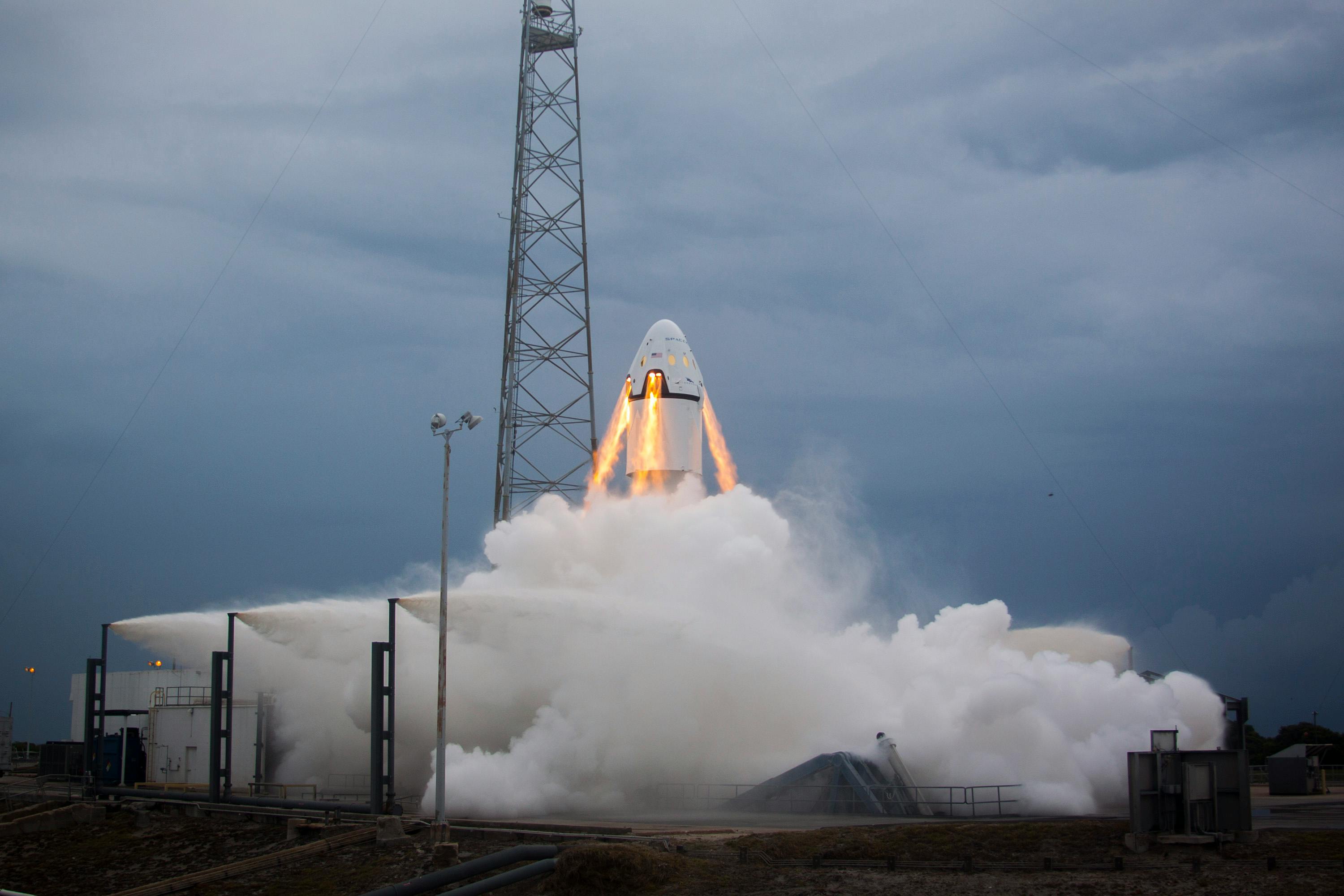
SpaceX receives approval for a new Starship launch complex, while Blue Origin capitalizes on potential challenges faced by SpaceX in lunar missions.


Launch Date
October 5, 2007
Launch Site
FRGUI
Launch Pad
ELA3
Launch Vehicle
Ariane 5GS
NORAD ID
32252
International Designator
2007-044A
Epoch
Sat, 04 Jul 2026 05:59:12 GMT
Apogee
Calculating...
Perigee
Calculating...
Inclination
2.12°
Right Ascension
81.83°
Eccentricity
Calculating...
Argument of Perigee
20.06°
Period
1449.47 min
Mean Motion
0.99 rev/day
Latitude
Calculating...
Longitude
Calculating...
Altitude
Calculating...
Velocity
Calculating...
Name
OPTUS D2
Alternative Name
Optus D2
Type
Status
Owner
OPTS
Country
Australia
Constellation
N/A
Related Satellites
Major Events
N/A
1 32252U 07044A 26185.24944862 -.00000302 00000-0 00000-0 0 9996
2 32252 2.1224 81.8305 0002477 20.0594 47.6792 0.99346604 68710
Source: Celestrak
Length
4.2
Diameter
2.3
Span
22.4
Dry Mass
1079
Launch Mass
2350
Shape
Box + 2 Pan
Radar Cross Section
7.9621
Visual Magnitude
Unknown
Color
Unknown
Material Composition
Unknown
Payload
Optus D2
Purpose
Communication
Mission
Communication
Manufacturer
OSCD
Life Expectancy
15 years
Bus
OSC Star 2.4
Configuration
Star-2.4 Bus
Motor
BT-4
Equipment
24 (+8) Ku-band transponders
Power System
2 deployable solar arrays, batteries
ADCS
Unknown
Transmitter Frequency
Unknown
Learn more about satellites and other related topics.
SpaceX receives approval for a new Starship launch complex, while Blue Origin capitalizes on potential challenges faced by SpaceX in lunar missions.
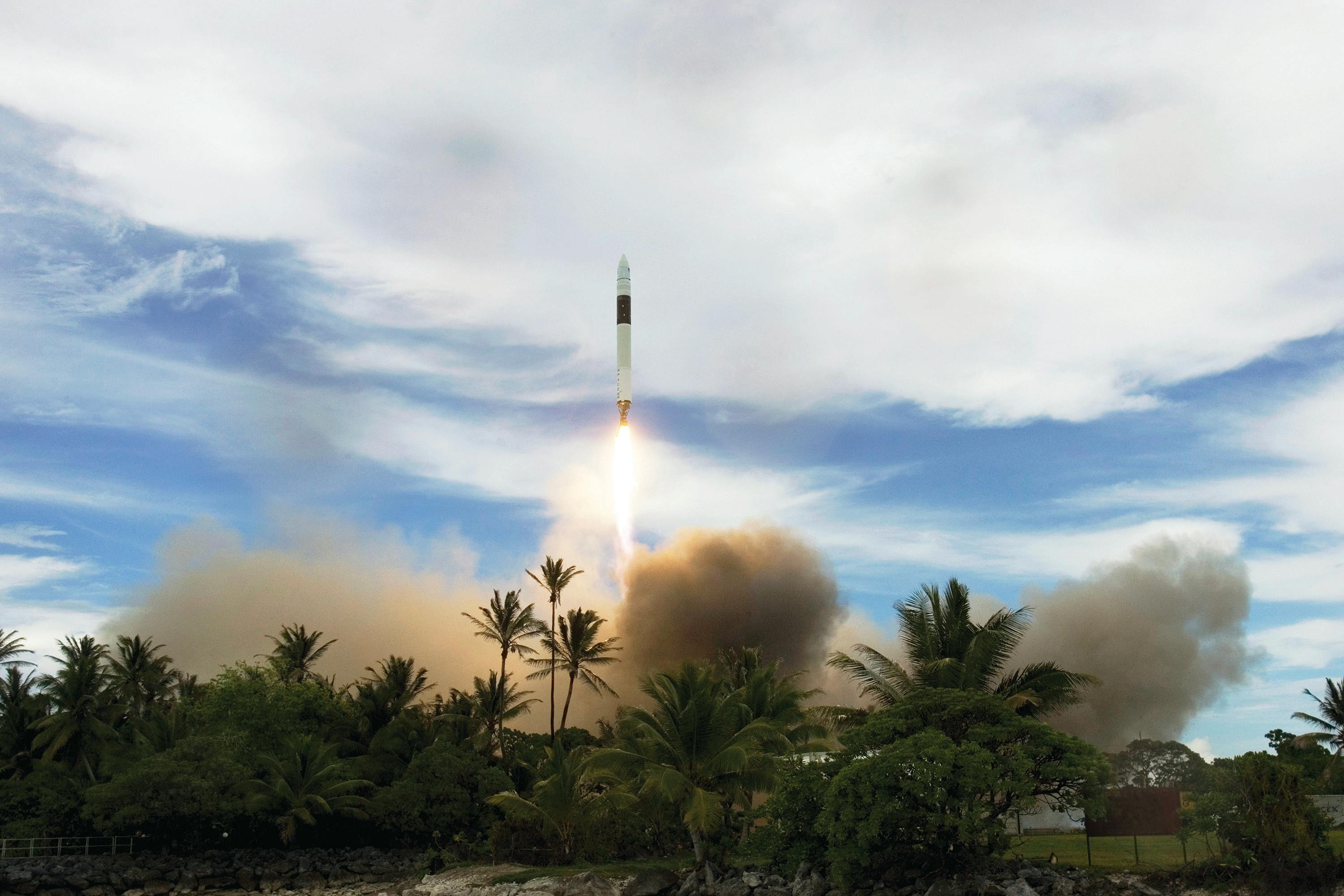
Starlink satellites in orbit May 2026: 10,374, with 10,358 working. Mission 17-29 lifts 24 more from Vandenberg and a satellite films the Starlink train.

Space Force stands up 2 cyber defense squadrons at Cape Canaveral and Vandenberg to protect launch operations against adversary interference targeting pad networks and telemetry systems.

Today’s Space Brief covers significant developments such as SpaceX’s latest Starlink launch, the US Space Force testing modular satellite technology, and key long-range missile tests by the Pentagon.
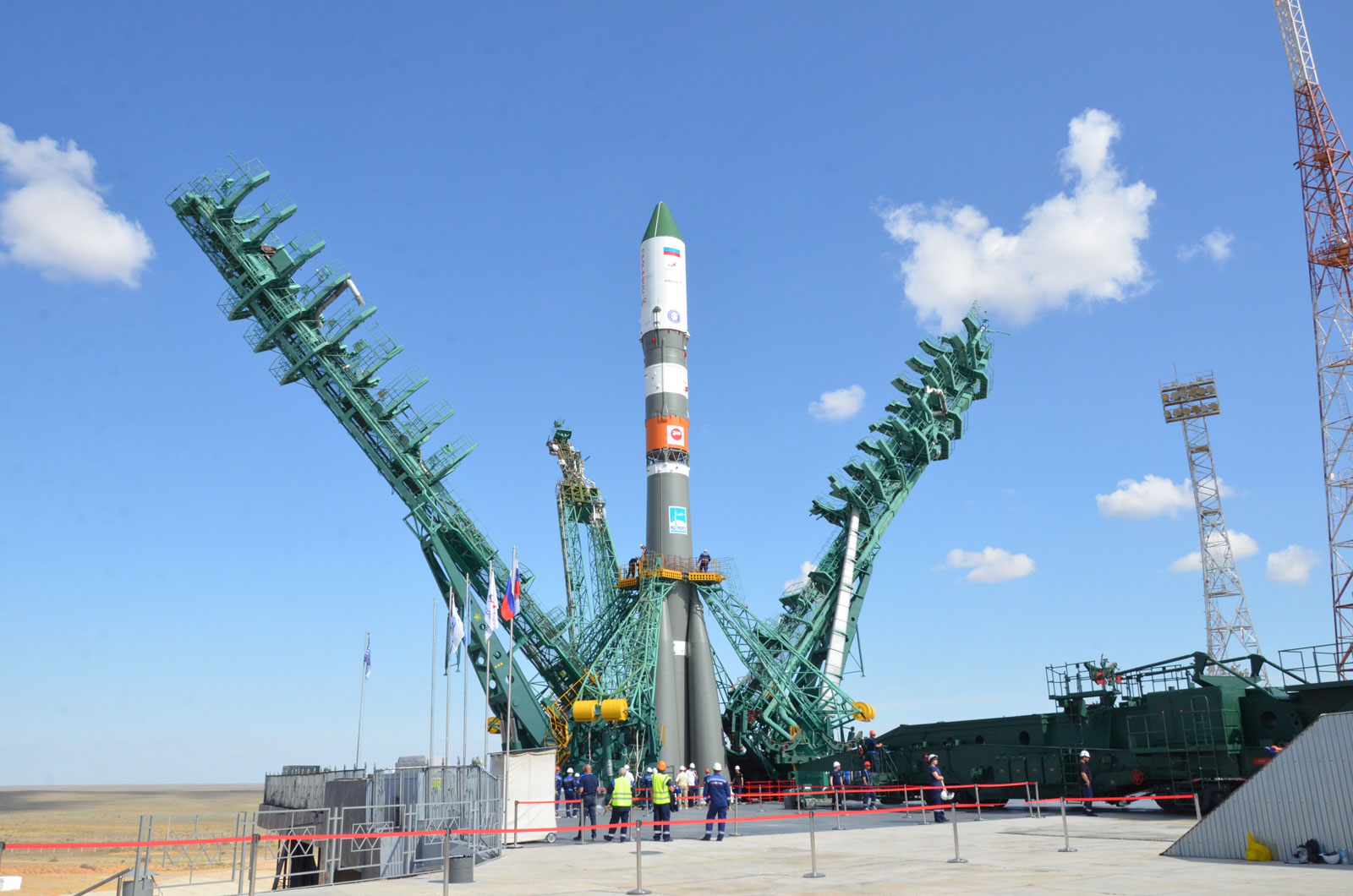
Today's highlights include the debut of a new Chinese rocket, a successful Starlink launch, and concerns about Artemis 3. We also cover DoD developments and a notable SpaceX milestone.
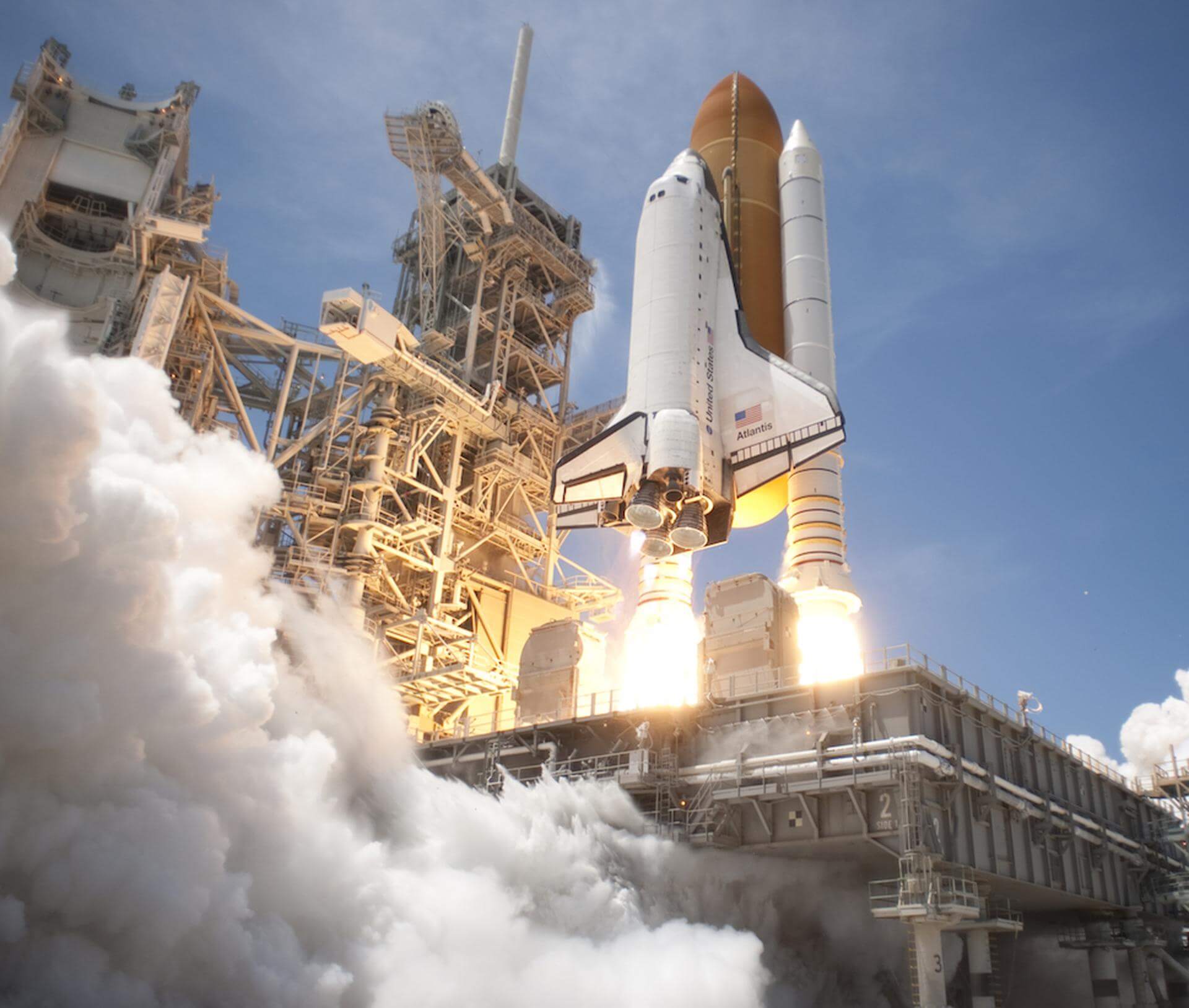
SpaceX Falcon 9 booster B1067 set for 36th flight Thursday with Starlink 10-42 mission from Cape Canaveral. Long March 10B debuts Friday in China.
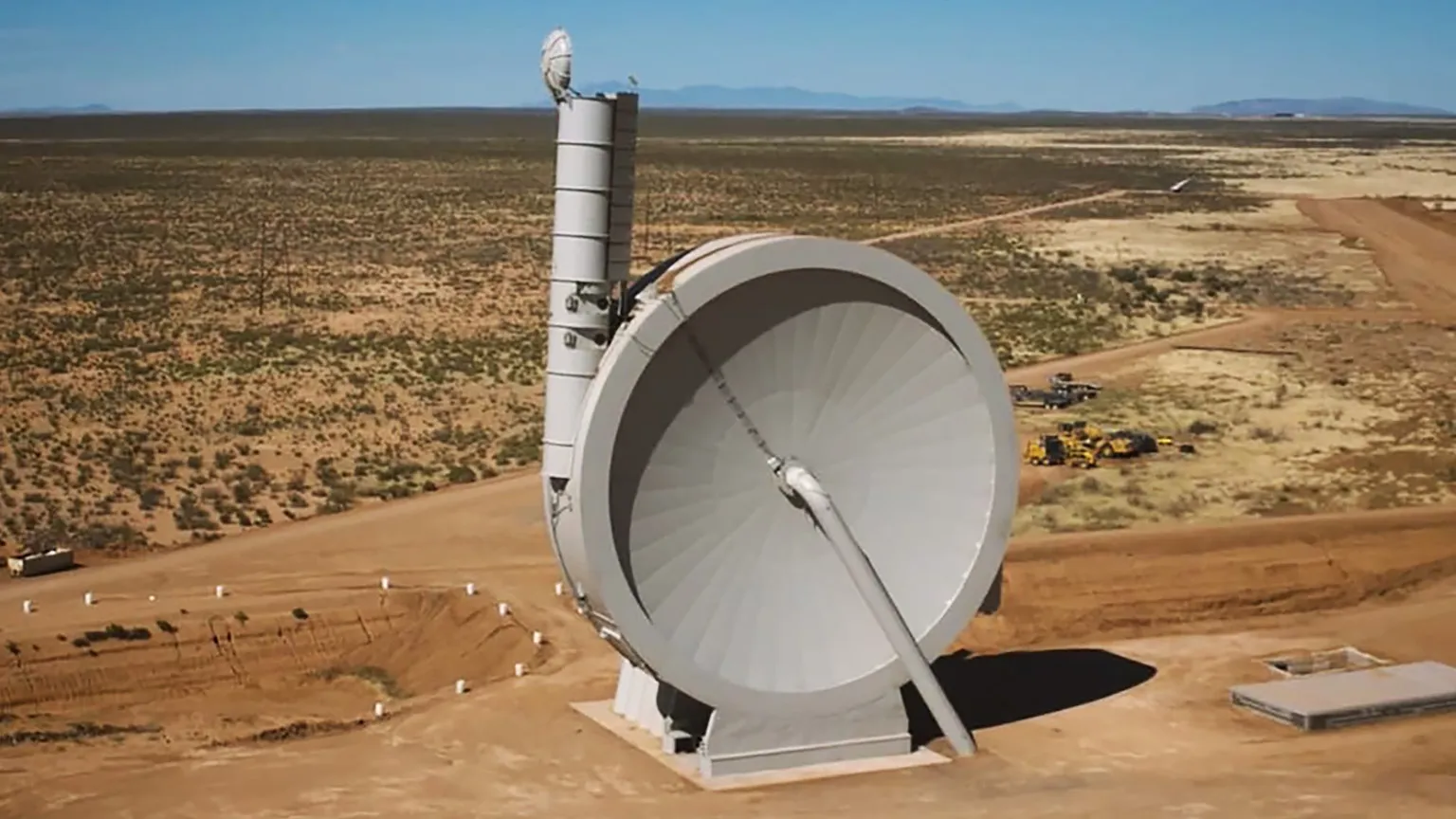
How a California startup's massive centrifuge could transform space access by eliminating rocket fuel, reducing costs by 70%, and enabling daily satellite launches - if it can overcome the physics of scaling from suborbital tests to orbital reality

Sixty-three years ago, John Glenn became the first American to orbit Earth, piloting Friendship 7 through three historic orbits that transformed the Space Race