

X Report 22 Mar 2025
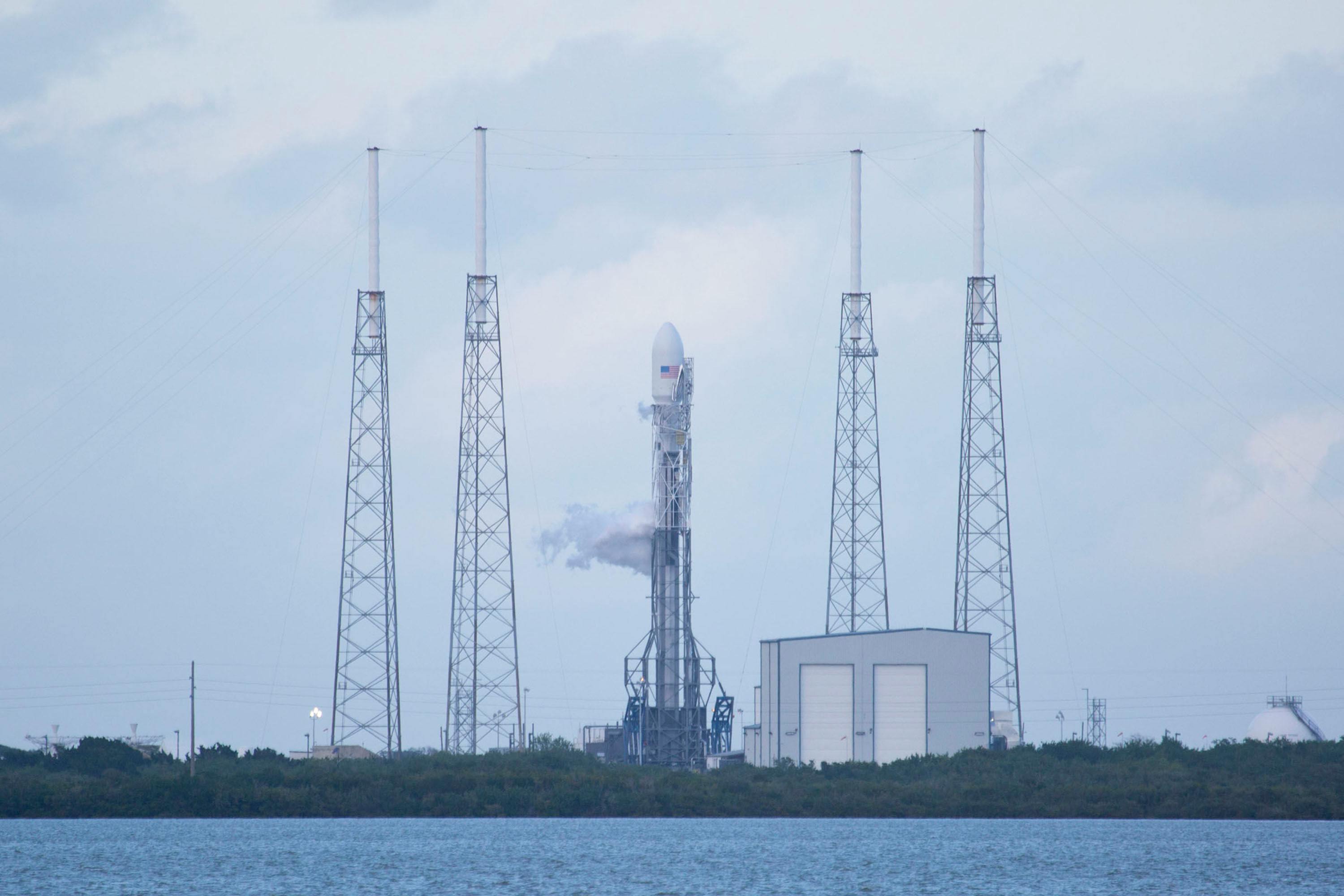
SpaceX achieves its 450th Falcon 9 launch, setting a new turnaround record, while its competitor ULA remains grounded, awaiting clearance from the Space Force.



Launch Date
May 10, 1999
Launch Site
TAISC
Launch Pad
LC7
Launch Vehicle
Chang Zheng 4B
NORAD ID
32196
International Designator
1999-025CUS
Decay Date
7/9/2012
Name
FENGYUN 1C DEB
Alternative Name
deb FY-1C
Type
Status
Owner
CASC
Country
China
Constellation
N/A
Related Satellites
Major Events
N/A
Length
0
Diameter
0
Span
0
Dry Mass
0
Launch Mass
0
Shape
N/A
Radar Cross Section
0.0115
Visual Magnitude
Unknown
Color
Unknown
Material Composition
Unknown
Payload
Unknown
Purpose
Unknown
Mission
Unknown
Manufacturer
Unknown
Life Expectancy
Unknown
Bus
Unknown
Configuration
Unknown
Motor
Unknown
Equipment
Unknown
Power System
Unknown
ADCS
Unknown
Transmitter Frequency
Unknown
Learn more about satellites and other related topics.
SpaceX achieves its 450th Falcon 9 launch, setting a new turnaround record, while its competitor ULA remains grounded, awaiting clearance from the Space Force.
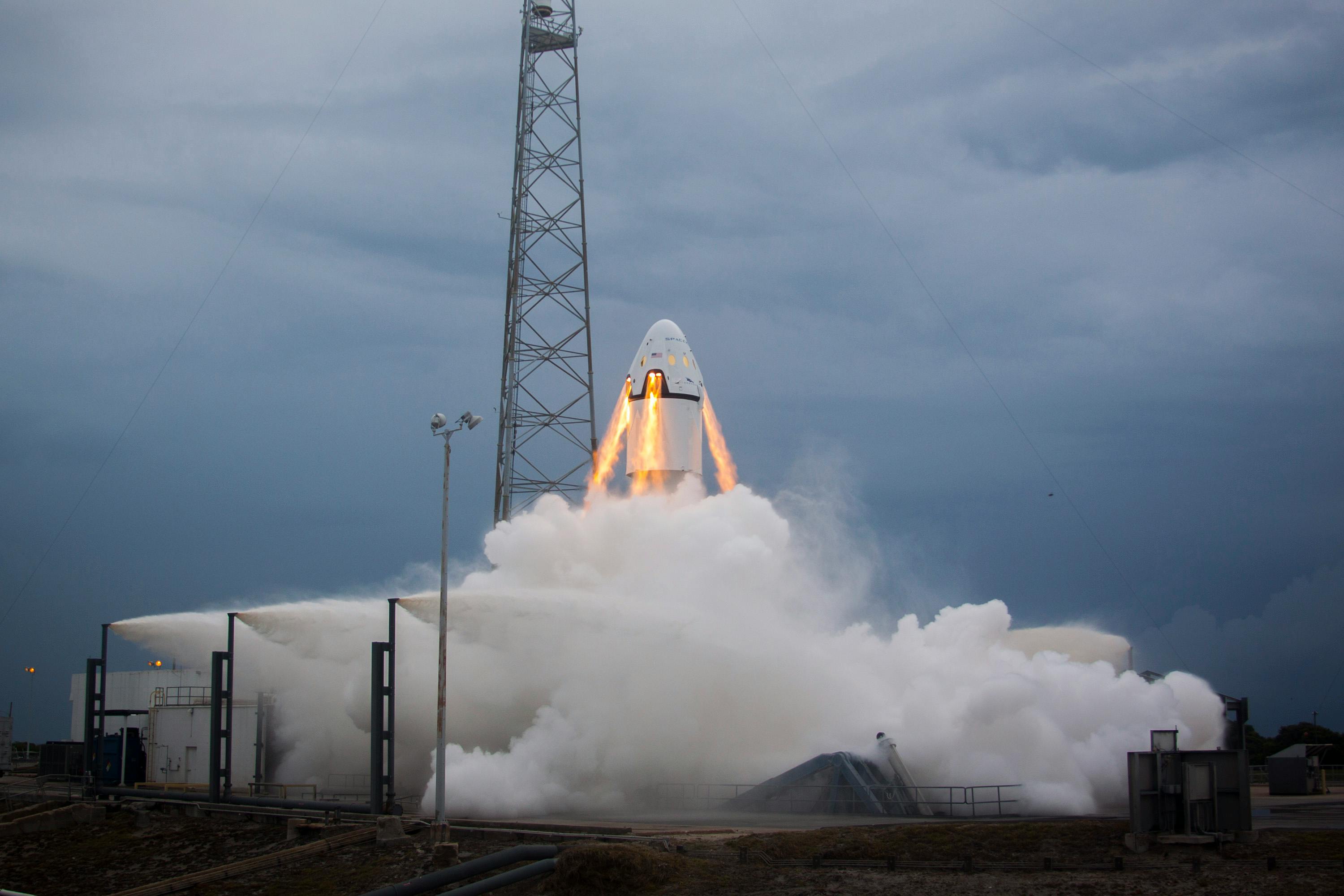
FAA advances environmental review for up to 44 Starship launches from Kennedy Space Center pad 39A. SpaceX wraps January with dual-coast Starlink launches. Crew-12 timeline tied to Artemis 2 schedule.

Iran successfully struck U.S. aircraft in Saudi Arabia despite maxed-out defensive posture. Space Force ISR and missile warning gaps exposed. Tracking impacts.
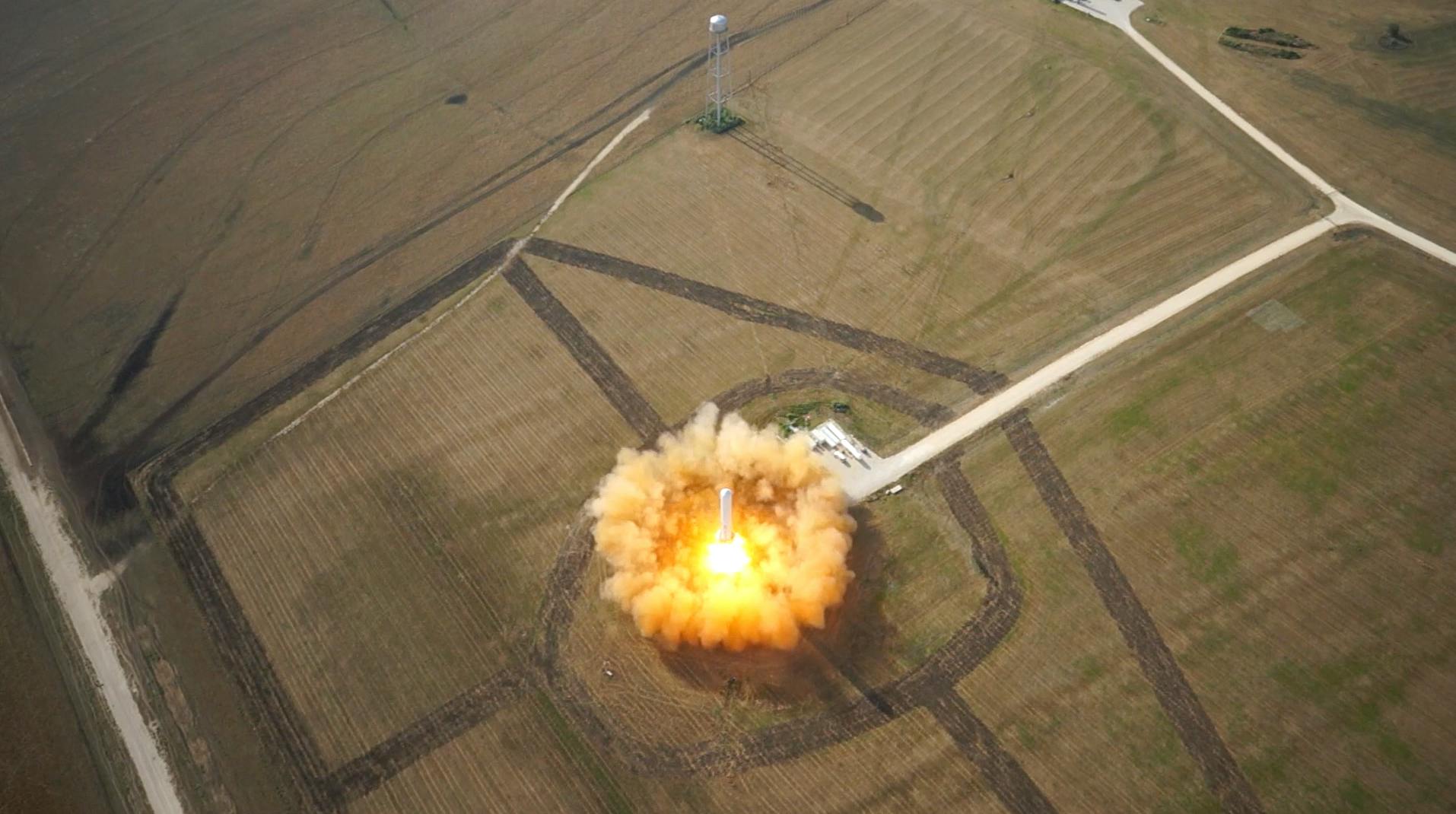
SpaceX fired all 33 Raptor 3 engines in the Starship V3 static fire at Starbase, clearing Flight 12. Plus 1,000 Starlink satellites launched in 2026.
Today's briefing covers a surprise launch by Israel, a milestone missile contract for Lockheed Martin, and updates on Indian missile defense strategies.

An in-depth look at CelesTrak, the leading non-profit provider of orbital element sets and collision assessment tools, trusted by space professionals worldwide.

SpaceX announces massive contract awards, advances Starship reusability, and continues to dominate with Starlink deployments.

The Kessler Syndrome threatens humanity's future in space as cascading satellite collisions create exponential debris growth. With 36,000+ tracked objects and recent incidents accelerating risks, we face a critical juncture: implement solutions now or potentially lose access to low Earth orbit forever.