


Artemis 2 Crew First Lunar-Bound Humans Since 1972 | KeepTrack Space Brief
Artemis 2 Orion carries first humans toward the Moon in 53 years. Spacecraft in good health after trans-lunar injection; lunar flyby observation plan due April 6.


Launch Date
April 25, 1968
Launch Site
Launch Pad
LC162/36
Launch Vehicle
R-36O 8K69
NORAD ID
03218
International Designator
1968-037B
Decay Date
4/25/1968
Name
SL-11 R/B
Alternative Name
R-36O No. 17L Stage 2
Type
Status
Owner
RVSN
Country
USSR
Constellation
N/A
Related Satellites
Major Events
N/A
Length
9.4
Diameter
3
Span
9.4
Dry Mass
5000
Launch Mass
5000
Shape
Cyl
Radar Cross Section
Unknown
Visual Magnitude
Unknown
Color
Unknown
Material Composition
Unknown
Payload
8S692
Purpose
Unknown
Mission
Unknown
Manufacturer
YUZH
Life Expectancy
Unknown
Bus
8S692
Configuration
Unknown
Motor
Unknown
Equipment
Unknown
Power System
Unknown
ADCS
Unknown
Transmitter Frequency
Unknown
Learn more about satellites and other related topics.
Artemis 2 Orion carries first humans toward the Moon in 53 years. Spacecraft in good health after trans-lunar injection; lunar flyby observation plan due April 6.
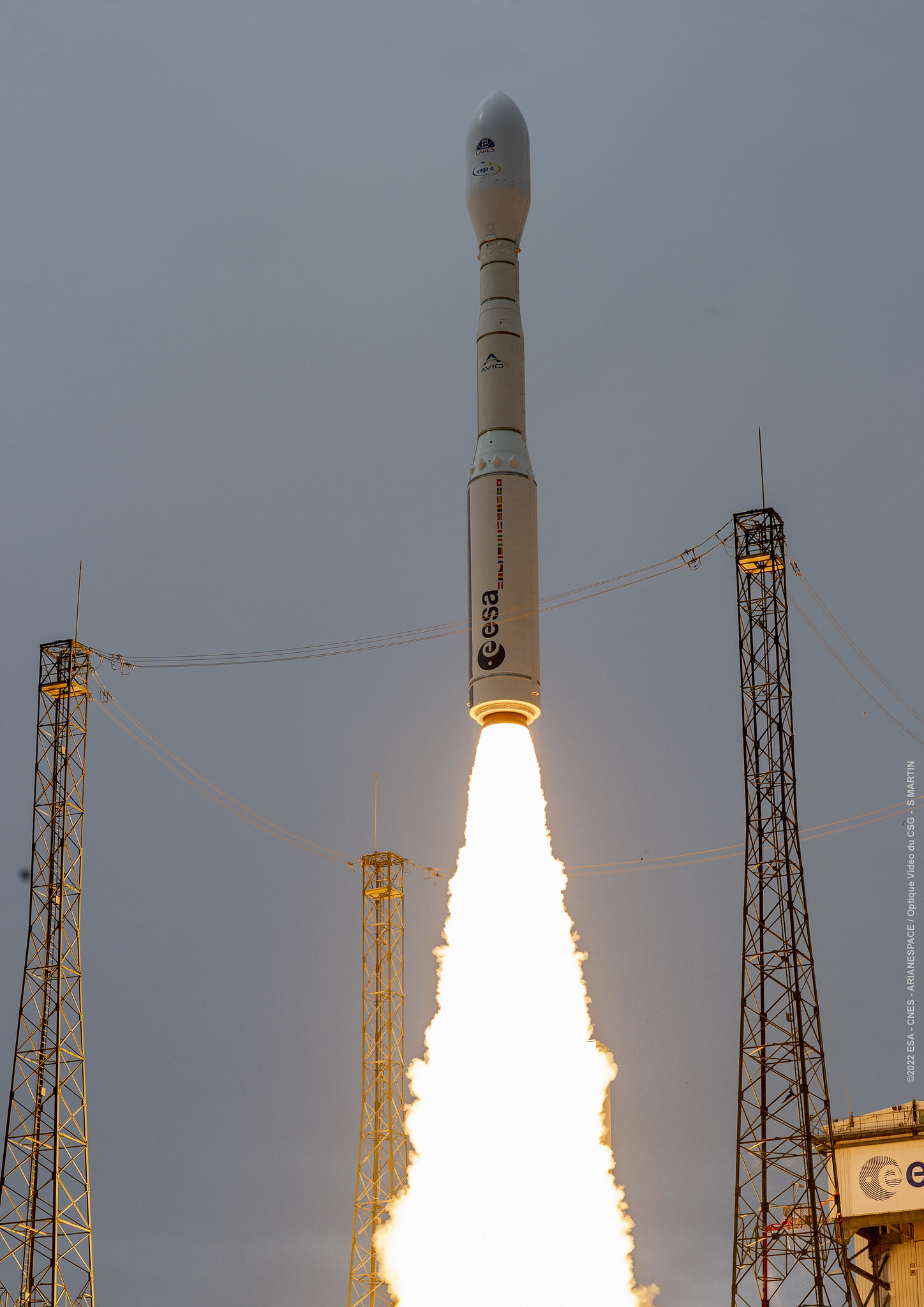
NASA's Artemis 3 lunar landing mission schedule continues slipping over 2 months after revised plans announced, with no crew or surface activity details released publicly yet.
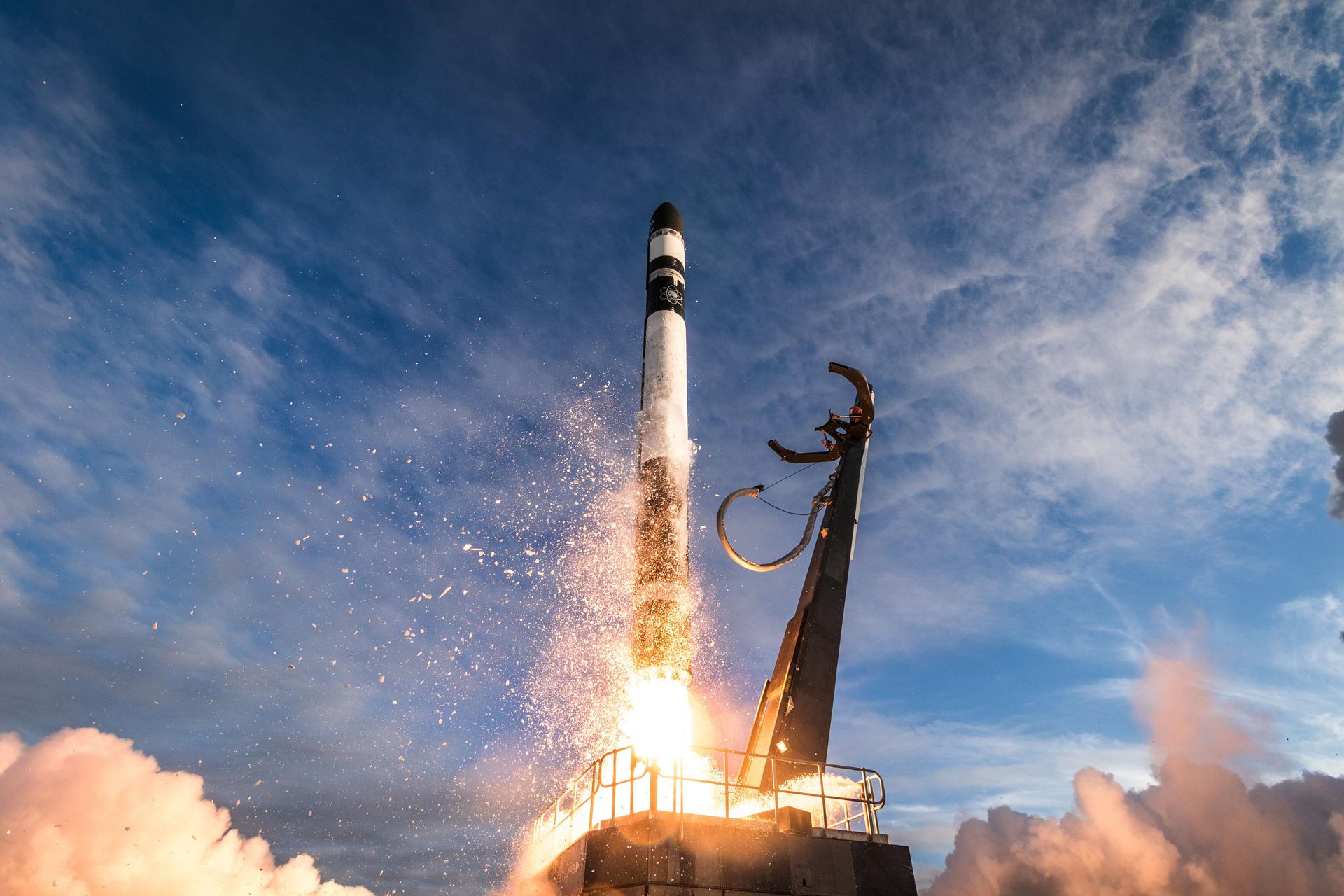
Today's Space Brief highlights a SpaceX launch of Starlink satellites, international efforts to tackle space debris, and innovative lunar power solutions from China.

A busy day in space as delays hit Boeing's Starliner launch, SpaceX continues its rapid launch cadence, new concerns arise with the discovery of bacteria on the Tiangong space station, and the European Space Agency supports a pivotal Moon mission.

SpaceX postpones Starship Flight 8, successfully launches Starlink satellites and two lunar missions.
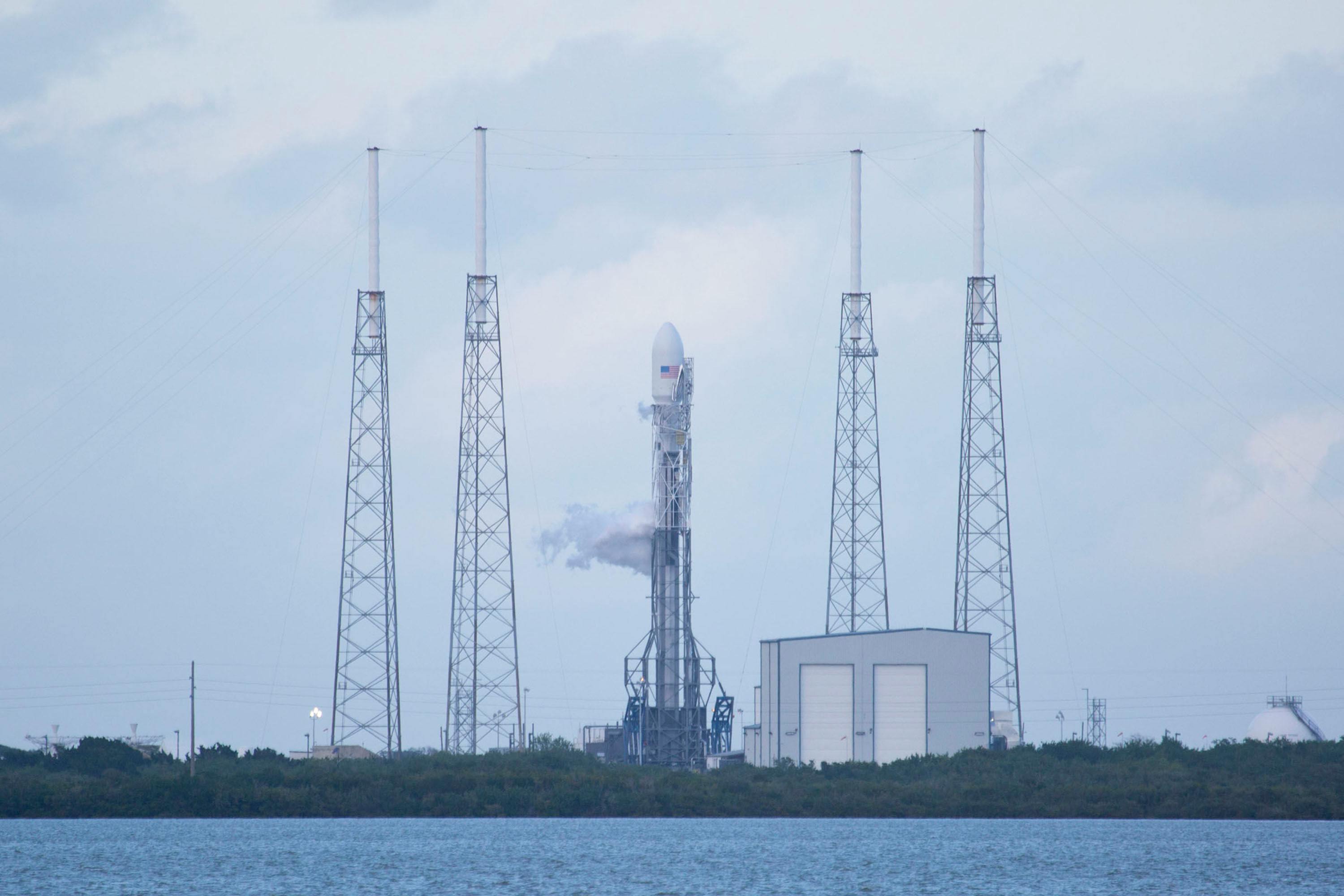
SpaceX achieves its 450th Falcon 9 launch, setting a new turnaround record, while its competitor ULA remains grounded, awaiting clearance from the Space Force.

Today's briefing covers the Long March 12A's first launch, a major advance in space radio communication, and highlights from key military developments impacting space operations.
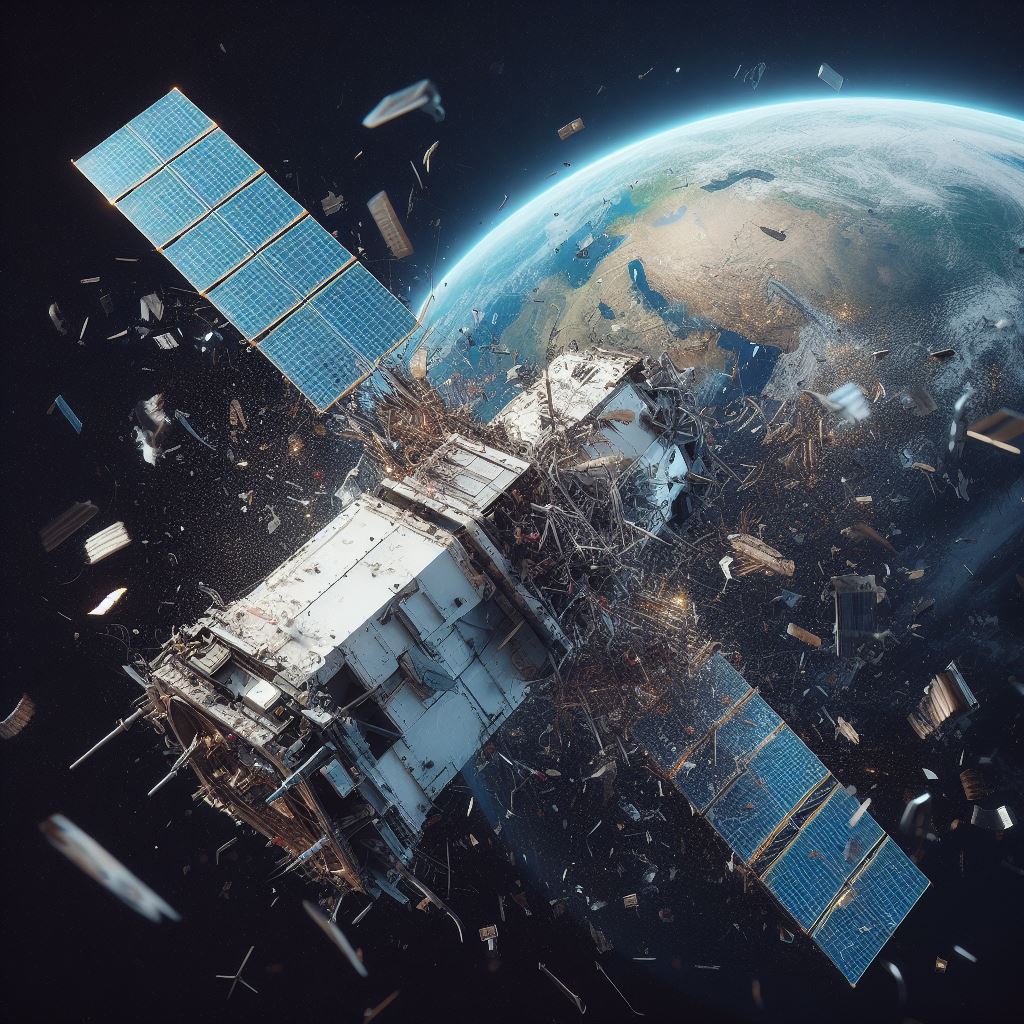
Space debris poses a mounting threat to both satellites and space missions. As we send more objects into orbit, the likelihood of collisions and subsequent breakups producing dangerous space debris increases. Recognizing the major events that have generated this dangerous space junk is pivotal in ensuring the safety of future space missions.