

X Report 8 Sep 2025
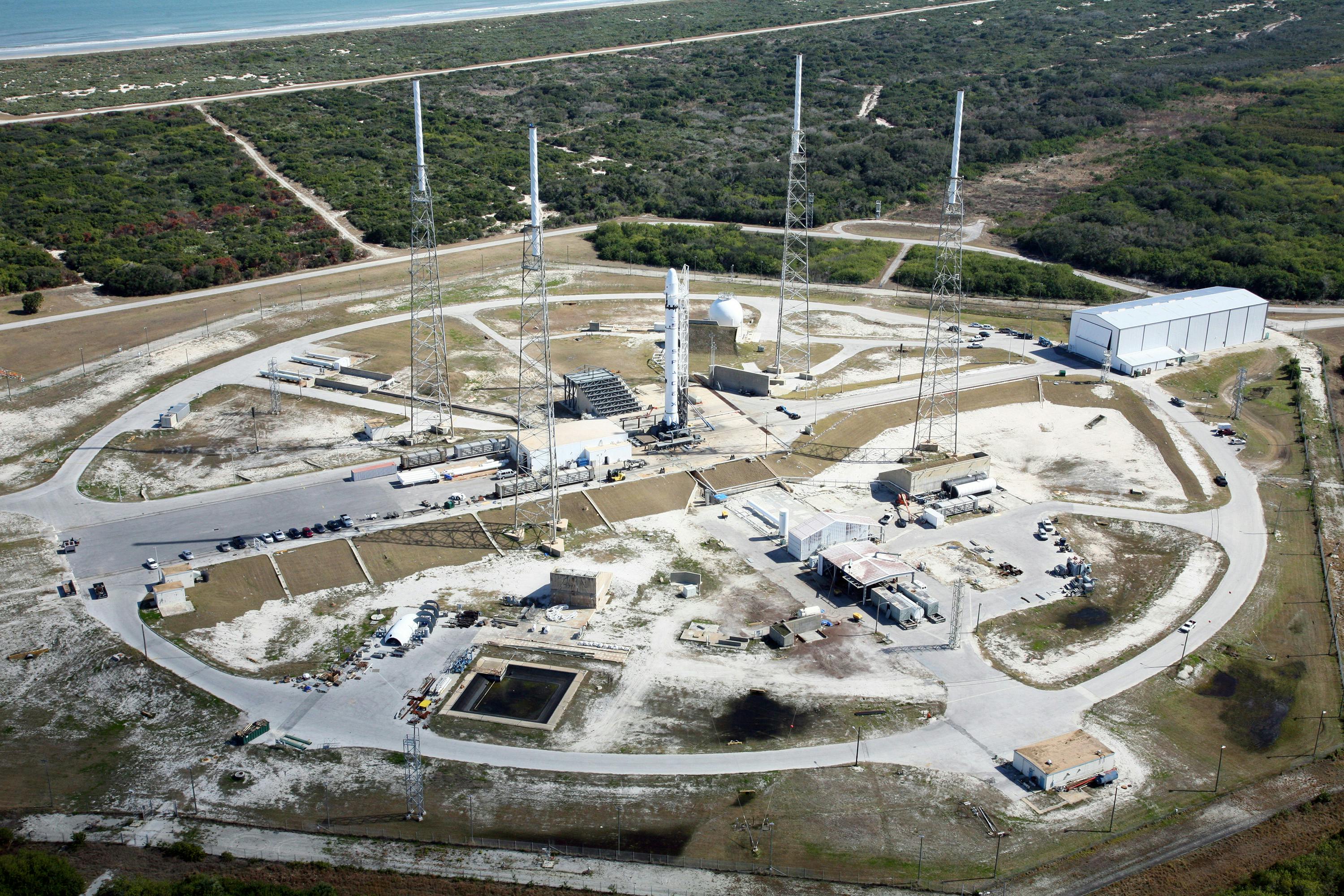
The FAA has approved an increase in Falcon 9 launches while reviewing the environmental impacts of Starship launches in Florida, amidst growing community concerns on noise and other issues related to the Starship program.


Launch Date
May 10, 1999
Launch Site
TAISC
Launch Pad
LC7
Launch Vehicle
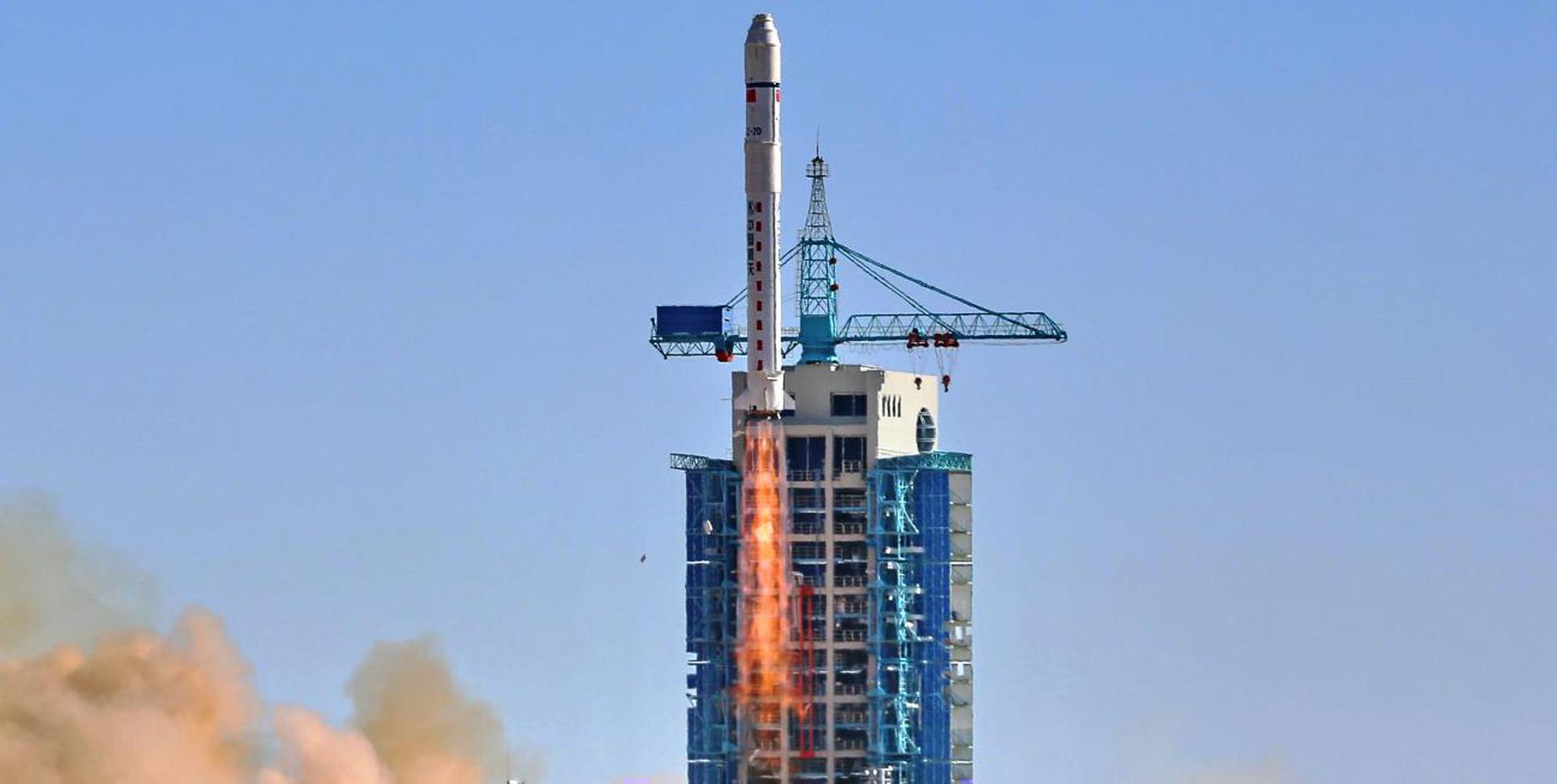
Chang Zheng 4B
NORAD ID
32097
International Designator
1999-025CQP
Decay Date
1/5/2024
Name
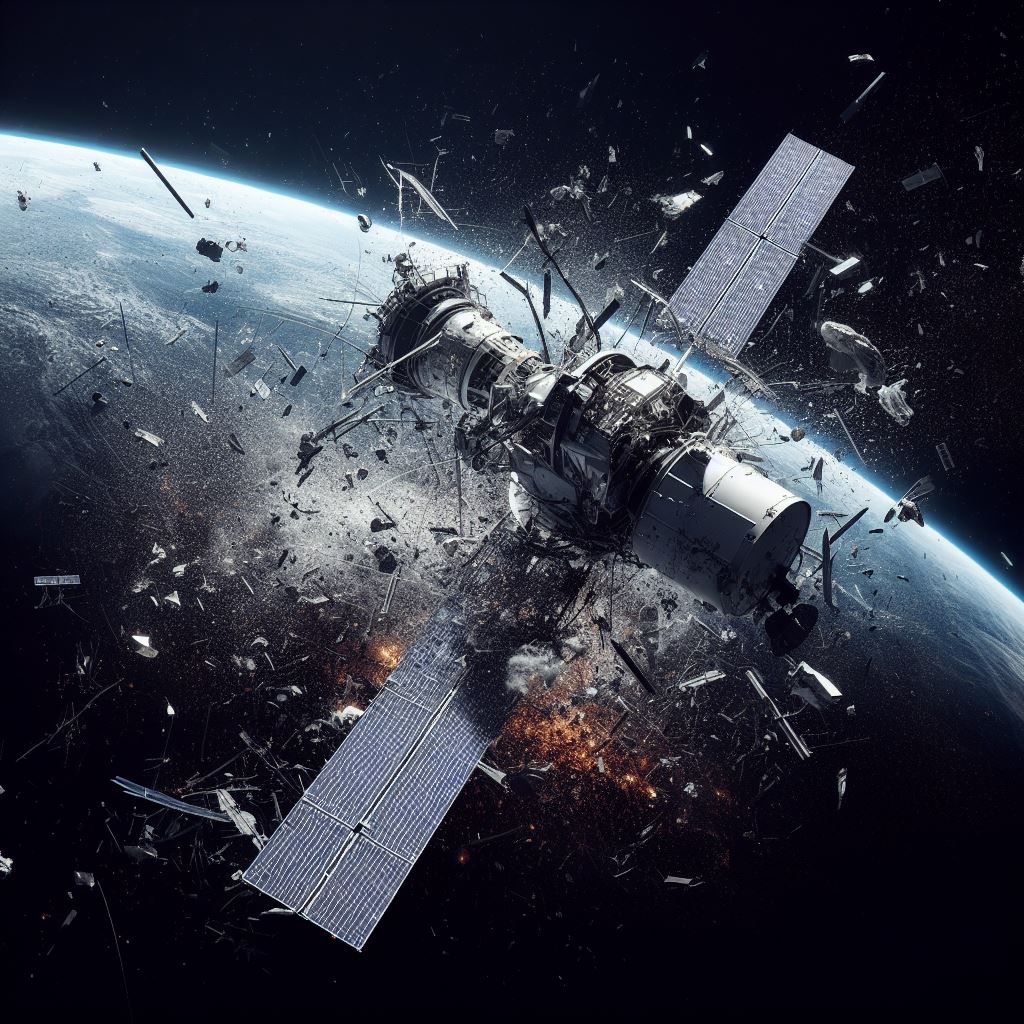
FENGYUN 1C DEB
Alternative Name
deb FY-1C
Type
Status
Owner
CASC
Country
China
Constellation
N/A
Related Satellites
Major Events
N/A
Length
0
Diameter
0
Span
0
Dry Mass
0
Launch Mass
0
Shape
N/A
Radar Cross Section
0.007
Visual Magnitude
Unknown
Color
Unknown
Material Composition
Unknown
Payload
Unknown
Purpose
Unknown
Mission
Unknown
Manufacturer
Unknown
Life Expectancy
Unknown
Bus
Unknown
Configuration
Unknown
Motor
Unknown
Equipment
Unknown
Power System
Unknown
ADCS
Unknown
Transmitter Frequency
Unknown
Learn more about satellites and other related topics.
The FAA has approved an increase in Falcon 9 launches while reviewing the environmental impacts of Starship launches in Florida, amidst growing community concerns on noise and other issues related to the Starship program.
NASA's 590 kg Van Allen Probe A reentered March 10 after 14 years studying Earth's radiation belts. Meanwhile, Boeing Starliner classified as Type A mishap after leaving astronauts stranded on ISS.
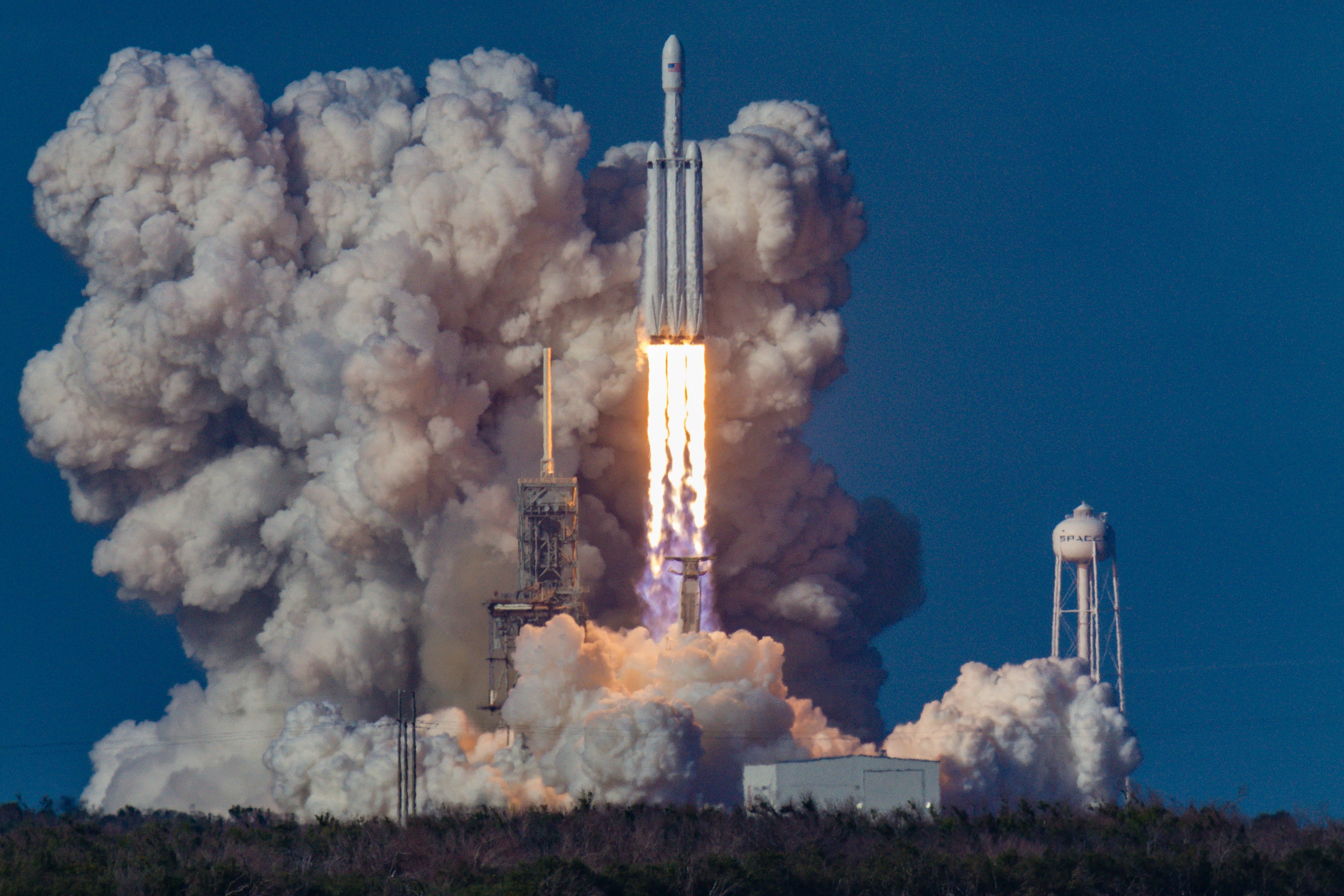
SpaceX gears up for an exciting July with a doubleheader launch planned for the east coast and ongoing advancements in Starlink technology.

Iran successfully struck U.S. aircraft in Saudi Arabia despite maxed-out defensive posture. Space Force ISR and missile warning gaps exposed. Tracking impacts.
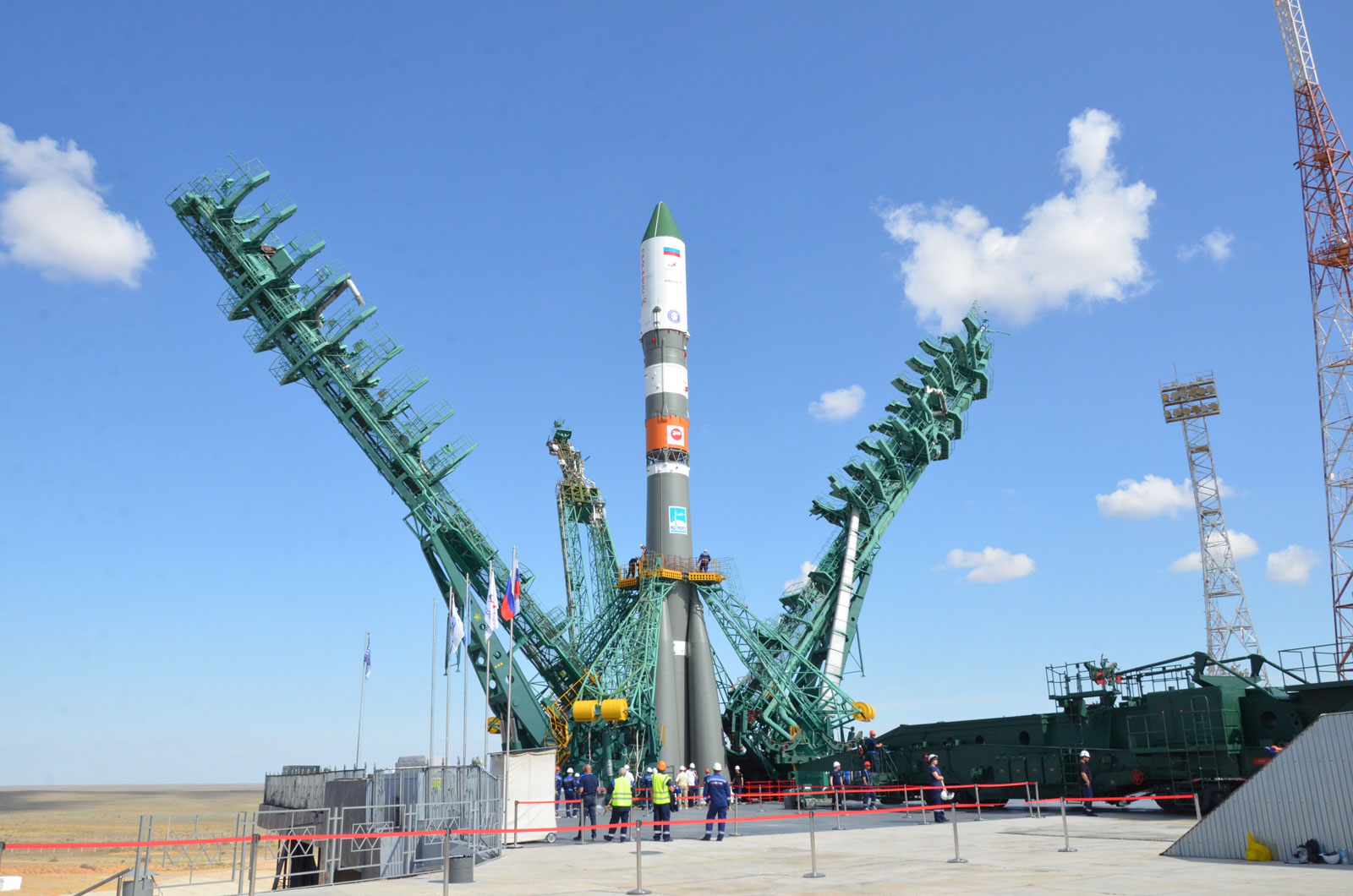
Pentagon increases Golden Dome missile defense budget by $10B to $185B, funding HBTSS hypersonic tracking constellation expansion. Three acceleration priorities announced.
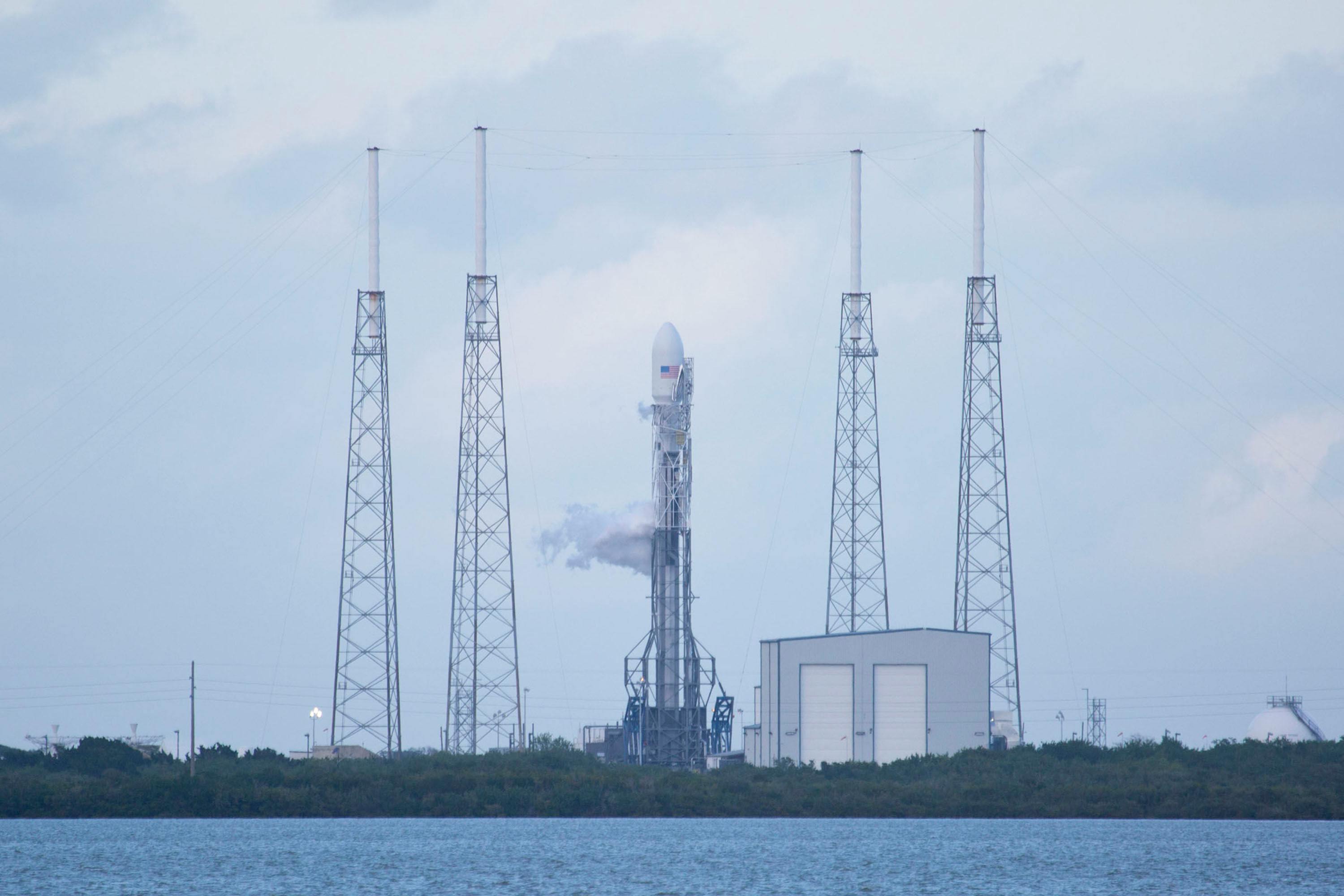
SpaceX prepares to launch 27 Starlink satellites in its first mission since the recent Starship explosion, while the FAA investigates debris reports from the failed test flight.
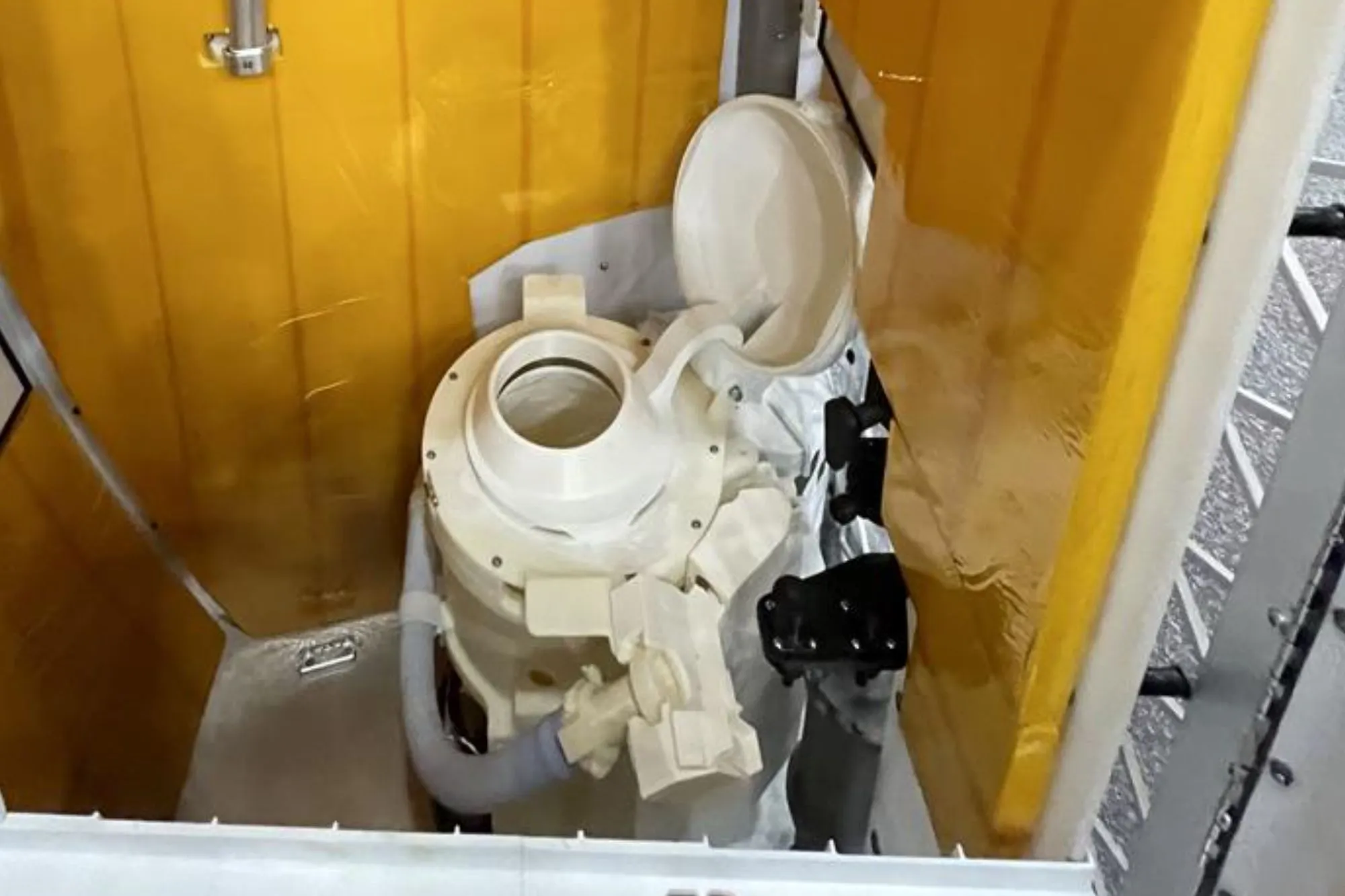
Sixty years of space toilet engineering, a decade of development, and a $30 million contract - and the Artemis II crew still had to pee in bags on Day 1.
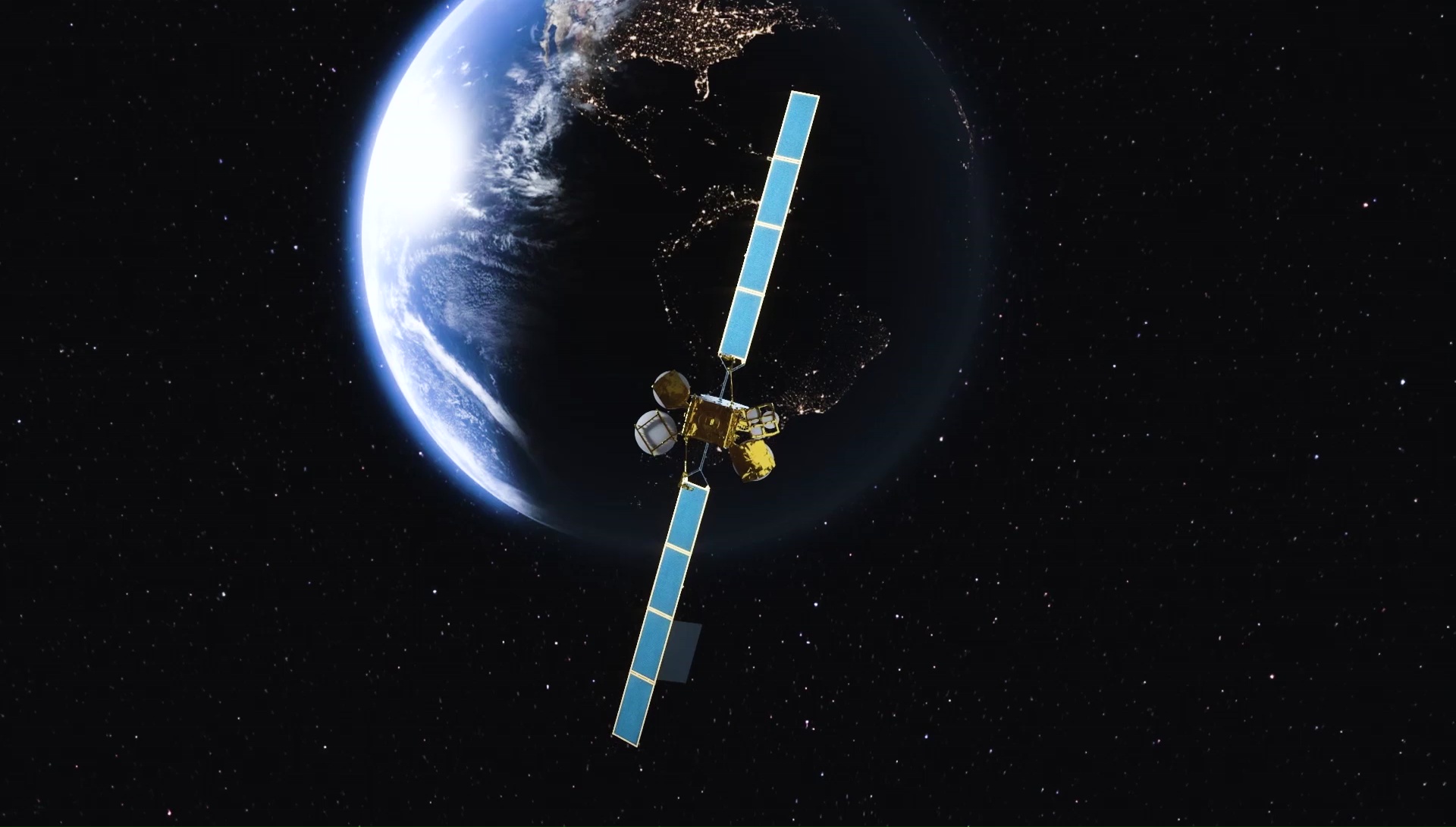
Europe's first high-power all-electric telecom satellite doesn't just sit above the Pacific - it got there on robotic arms and plasma thrusters, broke records doing it, and now keeps your airplane Wi-Fi running between LA and Tokyo.