


Artemis 2 Targets April 1 Lunar Flyby with 4-Person Crew | KeepTrack Space Brief
NASA's Artemis 2 launches April 1 with Commander Reid Wiseman and 3 crew members for first crewed lunar flyby since Apollo 17 in 1972.


Launch Date
September 11, 2007
Launch Site
PLMSC
Launch Pad
LC132/1
Launch Vehicle
Kosmos 11K65M
NORAD ID
32052
International Designator
2007-038A
Epoch
Sat, 04 Jul 2026 00:16:32 GMT
Apogee
Calculating...
Perigee
Calculating...
Inclination
82.98°
Right Ascension
193.48°
Eccentricity
Calculating...
Argument of Perigee
186.21°
Period
104.71 min
Mean Motion
13.75 rev/day
Latitude
Calculating...
Longitude
Calculating...
Altitude
Calculating...
Velocity
Calculating...
Name
COSMOS 2429
Alternative Name
Kosmos-2429
Type
Status
Owner
VMFR
Country
Russia
Constellation
N/A
Related Satellites
Major Events
N/A
1 32052U 07038A 26185.01148683 .00000063 00000-0 49484-4 0 9995
2 32052 82.9793 193.4826 0038196 186.2102 173.8586 13.75168657943960
Source: Celestrak
Length
5.1
Diameter
2
Span
17
Dry Mass
820
Launch Mass
820
Shape
Cyl + Ant
Radar Cross Section
1.6656
Visual Magnitude
Unknown
Color
Unknown
Material Composition
Unknown
Payload
Parus No. 205
Purpose
Navigation, data relay
Mission
Navigation, data relay
Manufacturer
POLK
Life Expectancy
Unknown
Bus
KAUR-1 11F627
Configuration
KAUR-1
Motor
Unknown
Equipment
Unknown
Power System
Solar cells, batteries
ADCS
Unknown
Transmitter Frequency
Unknown
Learn more about satellites and other related topics.
NASA's Artemis 2 launches April 1 with Commander Reid Wiseman and 3 crew members for first crewed lunar flyby since Apollo 17 in 1972.

SpaceX achieves new milestones with back-to-back launches for the NRO while preparing for groundbreaking crewed polar mission FRAM2.
The workhorse frequency band that quietly powers satellite communications, weather radar, and Wi-Fi around the world
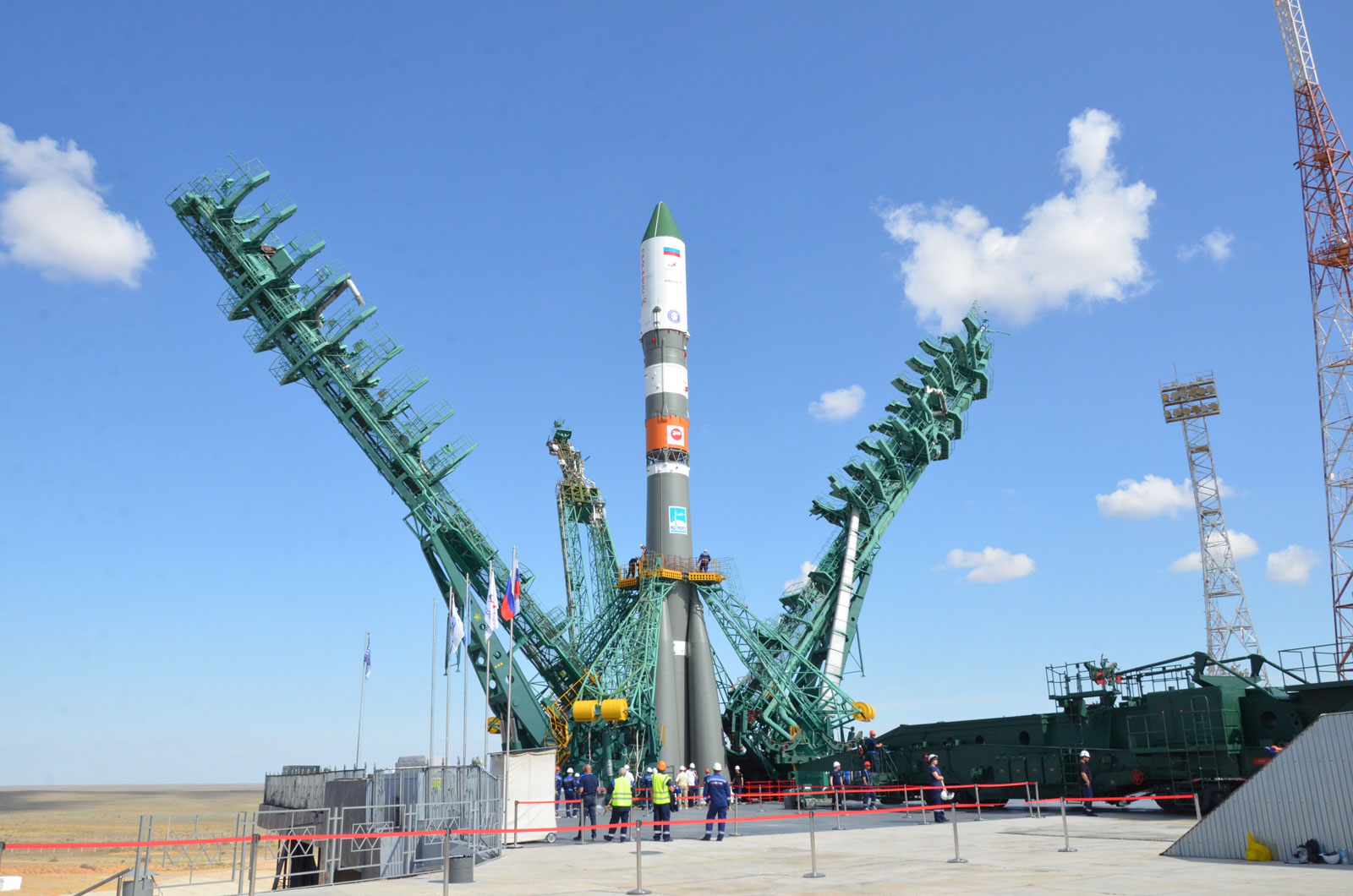
Space Force expands National Security Space Launch Phase 3 with Relativity Space and Impulse Space joining Lane 1 competition. New entrants gain pathway to military payload contracts.

Today's brief highlights significant developments in space defense, innovation fund challenges, and international defense agreements impacting satellite utilities.
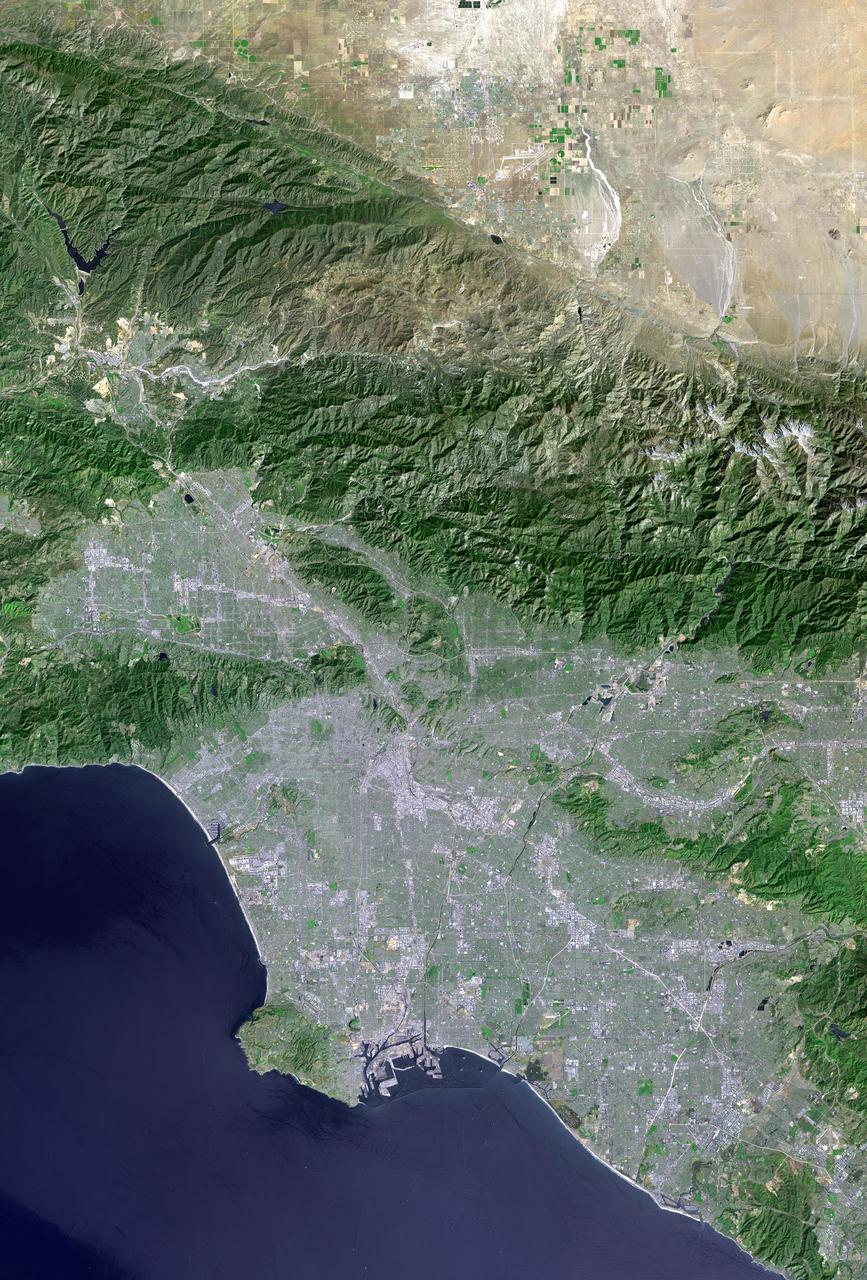
Landsat 7 launched on April 15, 1999, designed to last five years. It operated for twenty-five, survived a failure that destroyed a fifth of every image it took, and became part of the longest continuous record of Earth's surface ever assembled. Then they made the data free.

Key military and technology developments in space; US Space Force and Army strategize national security with new rocket certifications and space training initiatives.
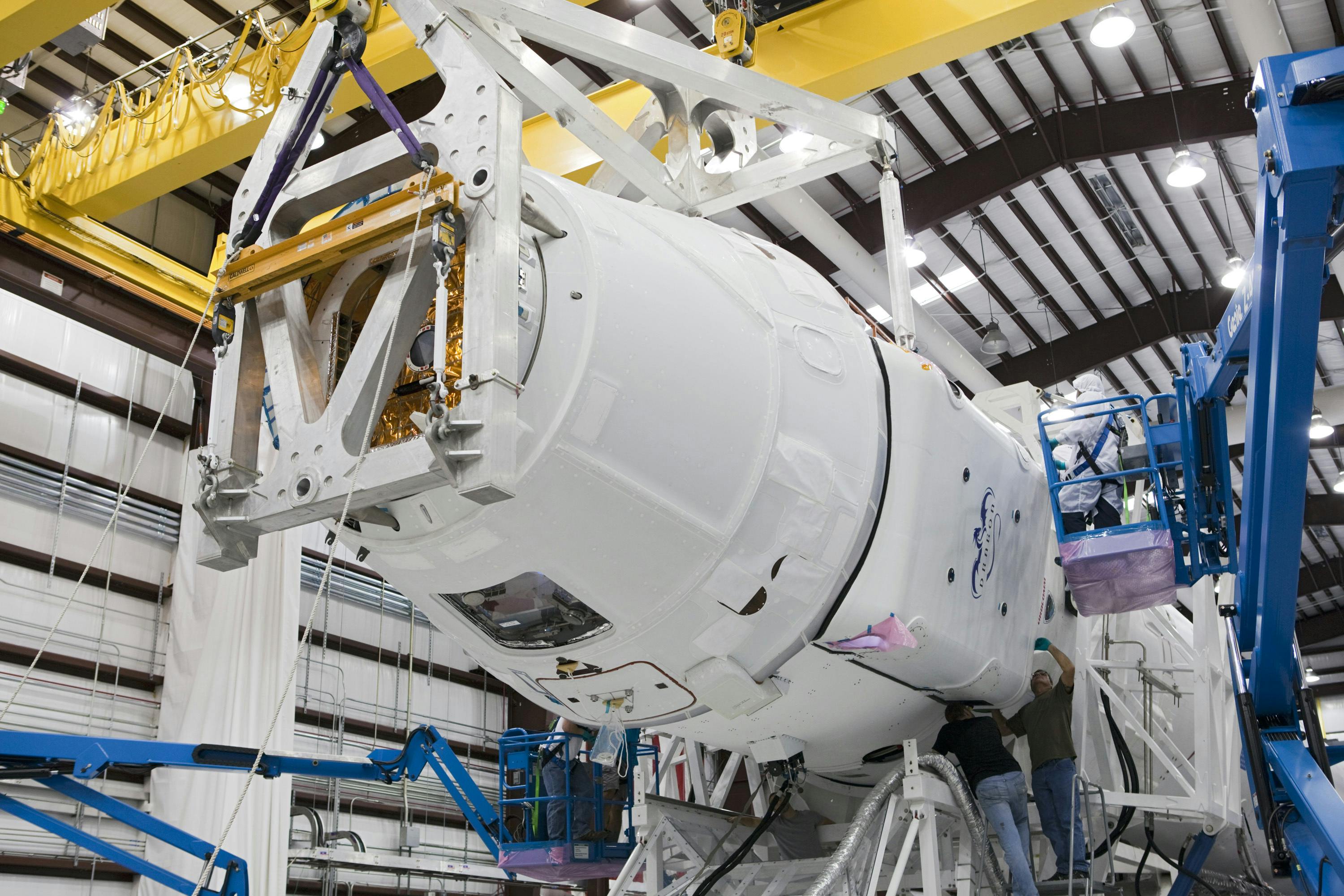
SpaceX prepares for its 100th Starlink launch while refining its lunar lander design for NASA's Artemis program amidst calls for architectural changes.