


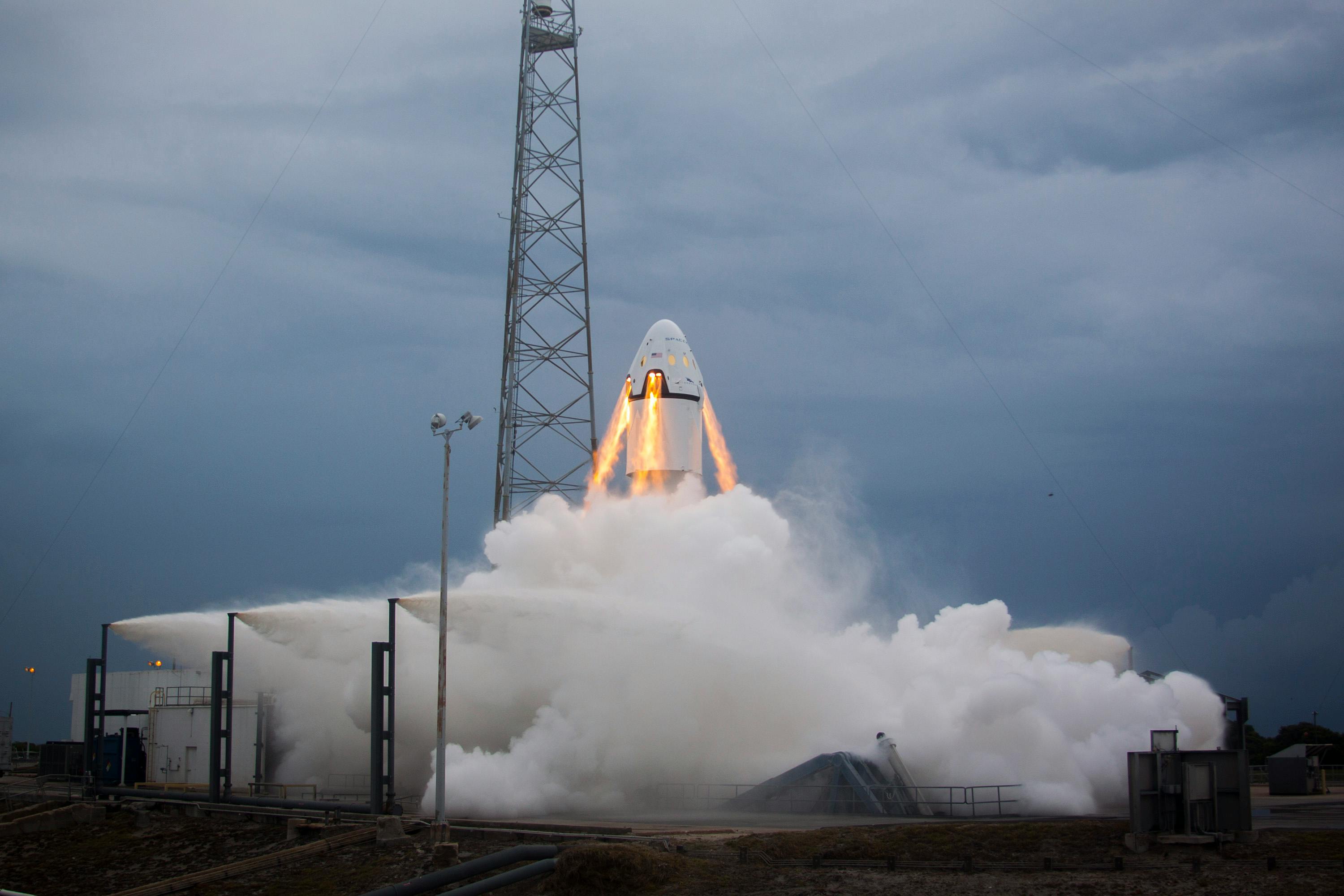
SpaceX Wins $178.5M Space Force Contract, X Report 3 Apr 2026
SpaceX secured a $178.5M Space Force contract to launch missile-tracking satellites from 2027, backing the Missile Track Custody threat-tracking layer.



Launch Date
February 28, 2006
Launch Site
Launch Pad
LC200/39
Launch Vehicle
Proton-M/Briz-M
NORAD ID
32037
International Designator
2006-006Q
Epoch
Fri, 03 Jul 2026 20:45:24 GMT
Apogee
Calculating...
Perigee
Calculating...
Inclination
51.63°
Right Ascension
281.34°
Eccentricity
Calculating...
Argument of Perigee
115.60°
Period
244.43 min
Mean Motion
5.89 rev/day
Latitude
Calculating...
Longitude
Calculating...
Altitude
Calculating...
Velocity
Calculating...
Name
BREEZE-M DEB
Alternative Name
deb Briz-M 88515
Type
Status
Owner
KHRR
Country
Russia
Constellation
N/A
Related Satellites
Major Events
N/A
1 32037U 06006Q 26184.86486198 .00005775 00000-0 26667-2 0 9991
2 32037 51.6341 281.3352 4776251 115.5996 300.6983 5.89114897393375
Source: Celestrak
Length
0
Diameter
0
Span
0
Dry Mass
0
Launch Mass
0
Shape
N/A
Radar Cross Section
0.06
Visual Magnitude
Unknown
Color
Unknown
Material Composition
Unknown
Payload
Unknown
Purpose
Unknown
Mission
Unknown
Manufacturer
KHRR
Life Expectancy
Unknown
Bus
Unknown
Configuration
Unknown
Motor
Unknown
Equipment
Unknown
Power System
Unknown
ADCS
Unknown
Transmitter Frequency
Unknown
Learn more about satellites and other related topics.
SpaceX secured a $178.5M Space Force contract to launch missile-tracking satellites from 2027, backing the Missile Track Custody threat-tracking layer.
SpaceX's disk-shaped Starfall reentry vehicle debuts as the constellation hits 10,671 working satellites across low Earth orbit.

SpaceX achieves new milestones with back-to-back launches for the NRO while preparing for groundbreaking crewed polar mission FRAM2.

As Ukraine explores alternatives to SpaceX's Starlink, the potential adoption of Eutelsat OneWeb's satellite network raises critical questions about connectivity, resilience, and strategic autonomy.

Thirty years ago, a Chinese rocket veered off course two seconds after liftoff, destroyed a village, and triggered a political scandal that reshaped how the United States controls space technology to this day
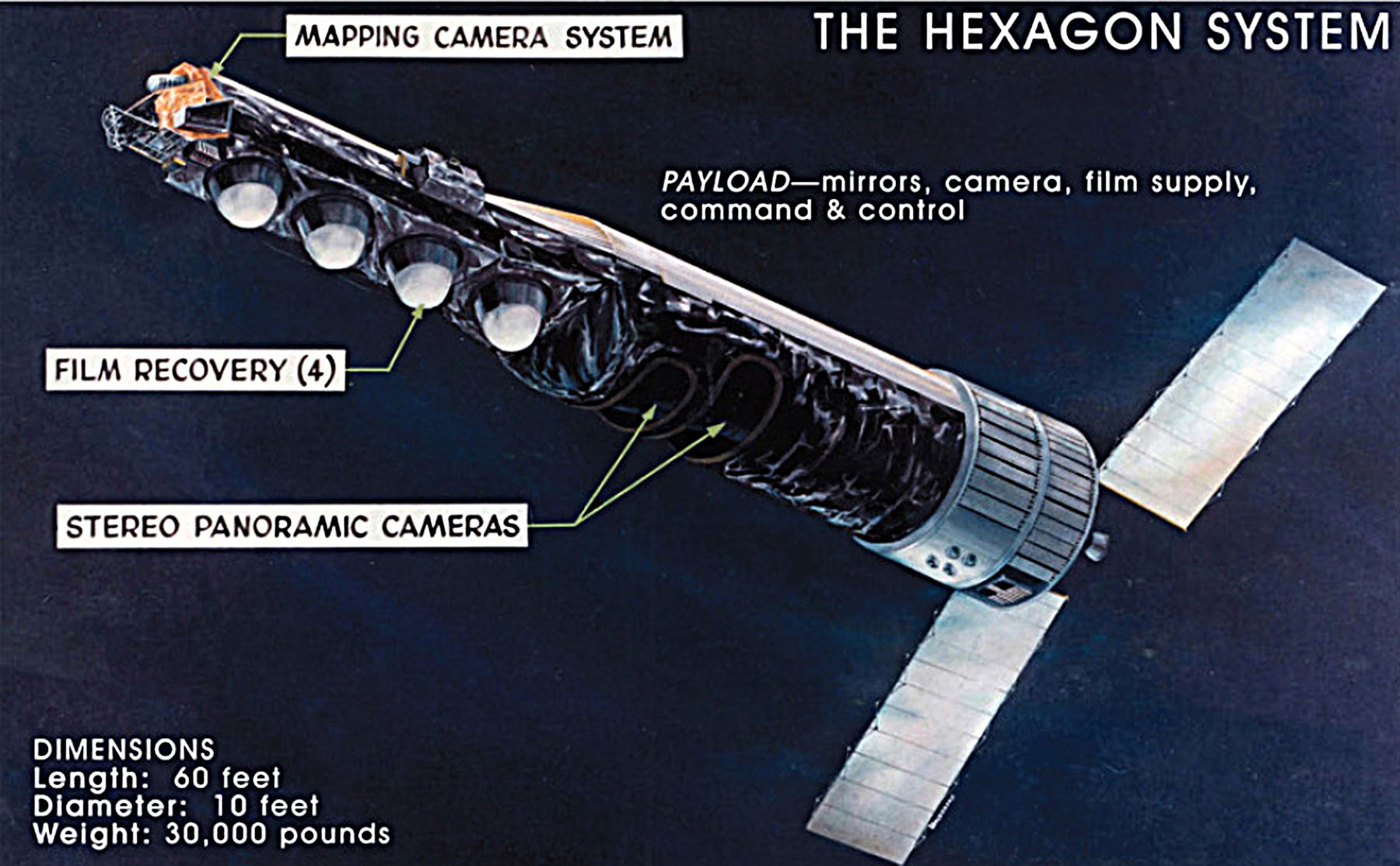
On January 20, 1972, the second KH-9 HEXAGON lifted off from Vandenberg - carrying the most sophisticated reconnaissance system ever built by engineers who weren't allowed to say 'film,' 'camera,' or even talk to each other about what they were doing.

How a controversial telescope network has become a significant player in tracking the increasingly crowded orbital environment, raising important questions about transparency, dual-use technologies, and the future of space situational awareness.
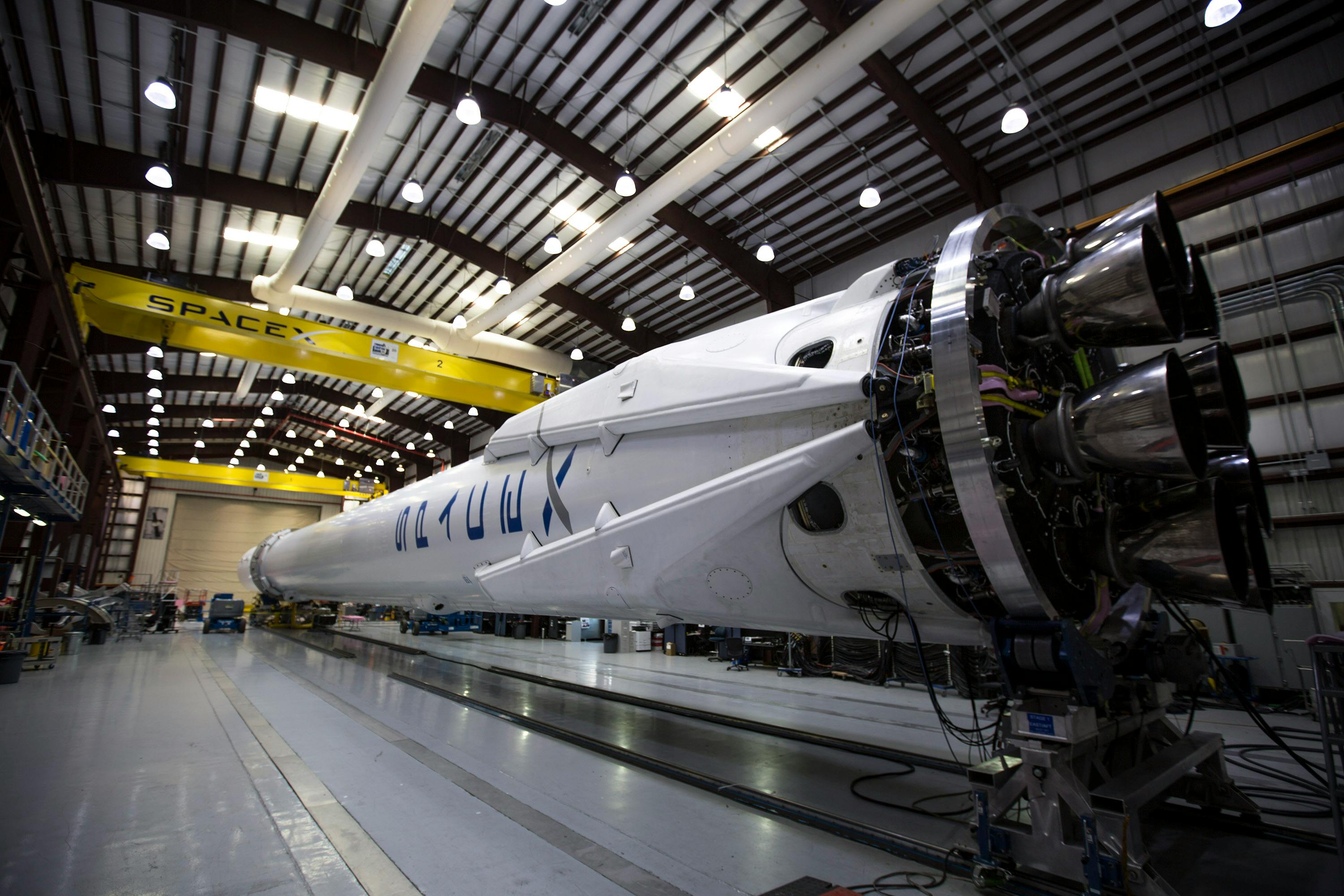
Today's highlights include SpaceX's Dragon cargo mission to the ISS, the first wooden satellite launch, and updates on NASA's Voyager mission. Additionally, the Space Force's X-37B space plane showcases unique aerobraking strategies.