


Reentry
What happens when space objects come home: the fiery physics of returning from orbit and why predicting where debris lands is so difficult



Launch Date
May 10, 1999
Launch Site
TAISC
Launch Pad
LC7
Launch Vehicle
Chang Zheng 4B
NORAD ID
31921
International Designator
1999-025CLY
Epoch
Fri, 03 Jul 2026 15:46:34 GMT
Apogee
Calculating...
Perigee
Calculating...
Inclination
99.33°
Right Ascension
77.89°
Eccentricity
Calculating...
Argument of Perigee
90.91°
Period
104.67 min
Mean Motion
13.76 rev/day
Latitude
Calculating...
Longitude
Calculating...
Altitude
Calculating...
Velocity
Calculating...
Name
FENGYUN 1C DEB
Alternative Name
deb FY-1C
Type
Status
Owner
CASC
Country
China
Constellation
N/A
Related Satellites
Major Events
N/A
1 31921U 99025CLY 26184.65734760 .00001168 00000-0 10739-2 0 9998
2 31921 99.3276 77.8900 0204786 90.9106 271.5513 13.75749352950966
Source: Celestrak
Length
0
Diameter
0
Span
0
Dry Mass
0
Launch Mass
0
Shape
N/A
Radar Cross Section
0.0071
Visual Magnitude
Unknown
Color
Unknown
Material Composition
Unknown
Payload
Unknown
Purpose
Unknown
Mission
Unknown
Manufacturer
Unknown
Life Expectancy
Unknown
Bus
Unknown
Configuration
Unknown
Motor
Unknown
Equipment
Unknown
Power System
Unknown
ADCS
Unknown
Transmitter Frequency
Unknown
Learn more about satellites and other related topics.
What happens when space objects come home: the fiery physics of returning from orbit and why predicting where debris lands is so difficult

Today's Space Brief highlights a SpaceX launch of Starlink satellites, international efforts to tackle space debris, and innovative lunar power solutions from China.

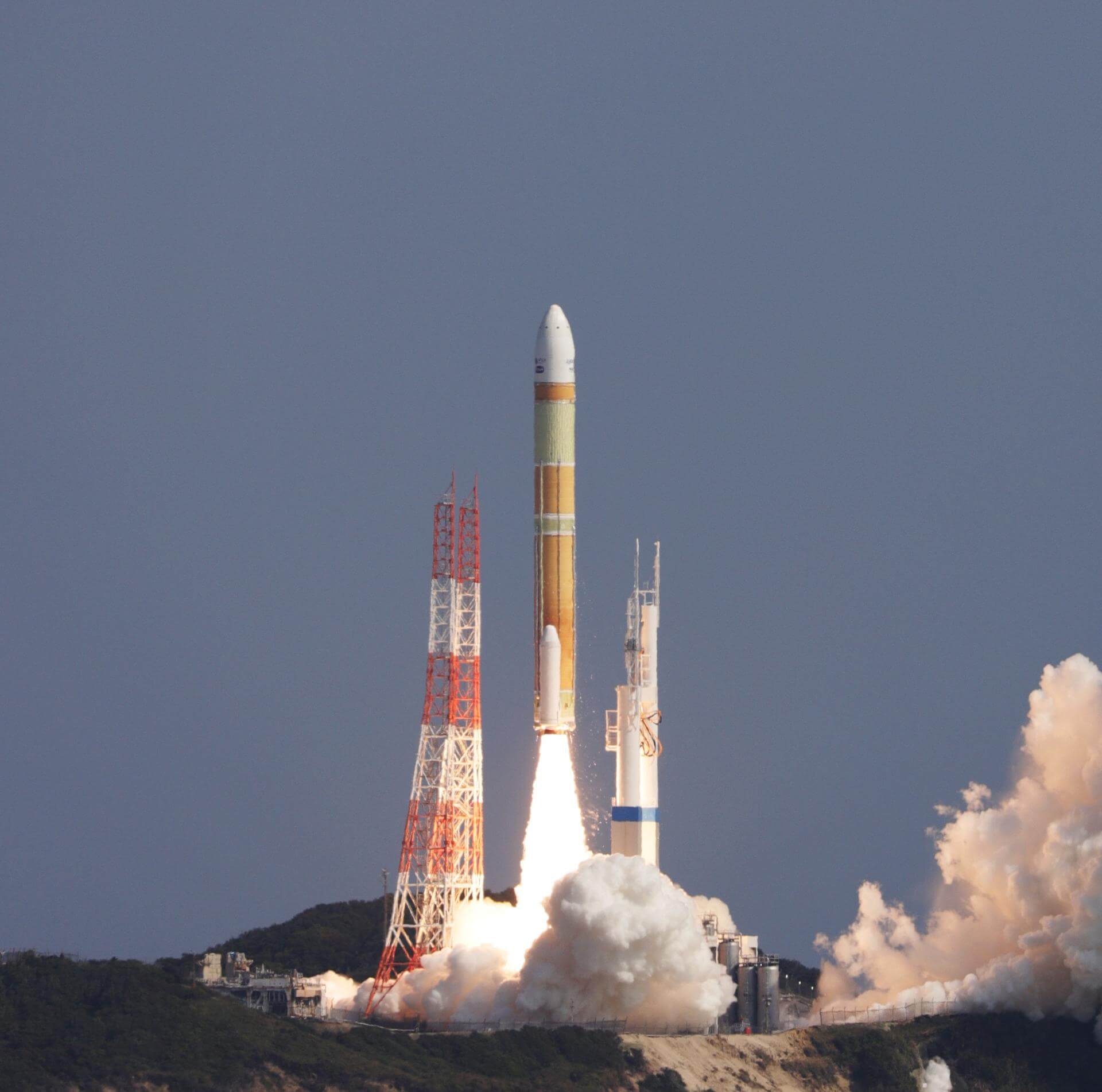
Japan's H3 rocket successfully launched June 11, deploying 6 smallsats to orbit after December failure. First return-to-flight for JAXA's flagship heavy-lift vehicle.
Explore today's pivotal news in space with highlights on record government space budgets, military satellite developments, and significant industry shifts.

Today's coverage includes the cancellation of DARPA's DRACO nuclear propulsion project, global shifts in Earth observation strategy, and new developments in satellite technology and military collaborations.

China's Tianlong-3 rocket failed during ascent on debut launch Friday. SpaceX secured $178.5M Space Force contract for missile tracking satellite launches beginning 2027.
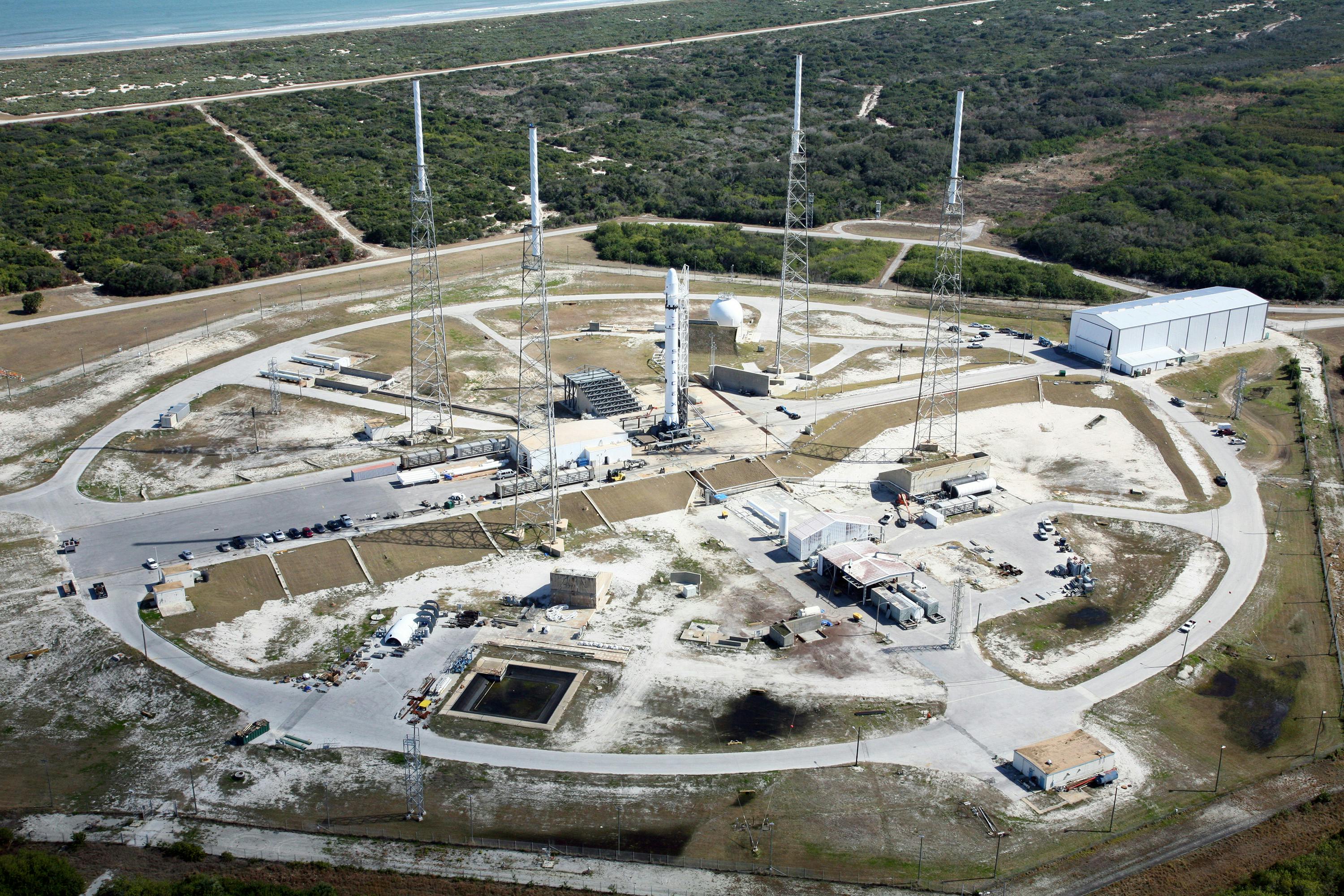
SpaceX plans to lower orbits of 4,400 Starlink satellites after two collision-concern incidents. Cosmo-SkyMed Earth observation satellite launched for Italy from Vandenberg.
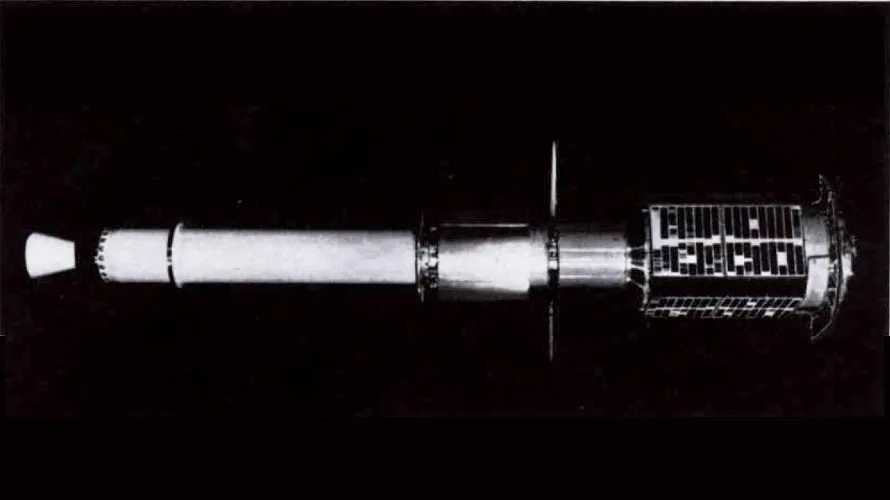
On April 27, 1961, a Scout rocket lifted a 37-kilogram NASA satellite into orbit from Wallops Island carrying the first serious instrument for detecting cosmic gamma rays. Explorer 11 operated for seven months before its tape recorder failed. In that time it registered 22 gamma-ray photons - a pitiful number by modern standards, but enough to launch an entire branch of astronomy.