

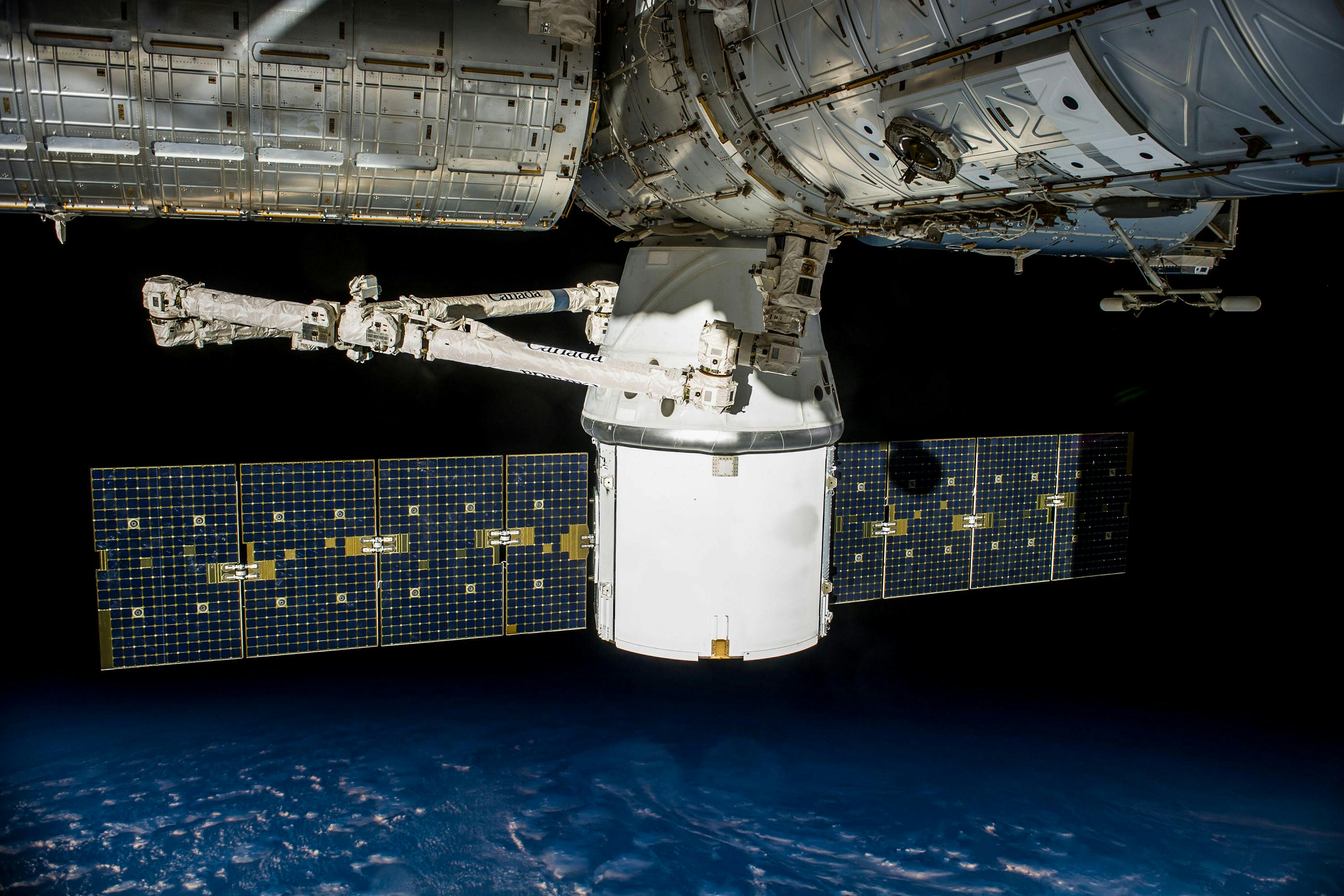
X Report 15 Feb 2025
SpaceX sets a reuse record with Falcon 9, advances Starship program, while Starlink influences satellite market dynamics.


Launch Date
May 10, 1999
Launch Site
TAISC
Launch Pad
LC7
Launch Vehicle
Chang Zheng 4B
NORAD ID
31818
International Designator
1999-025CHG
Decay Date
5/22/2014
Name
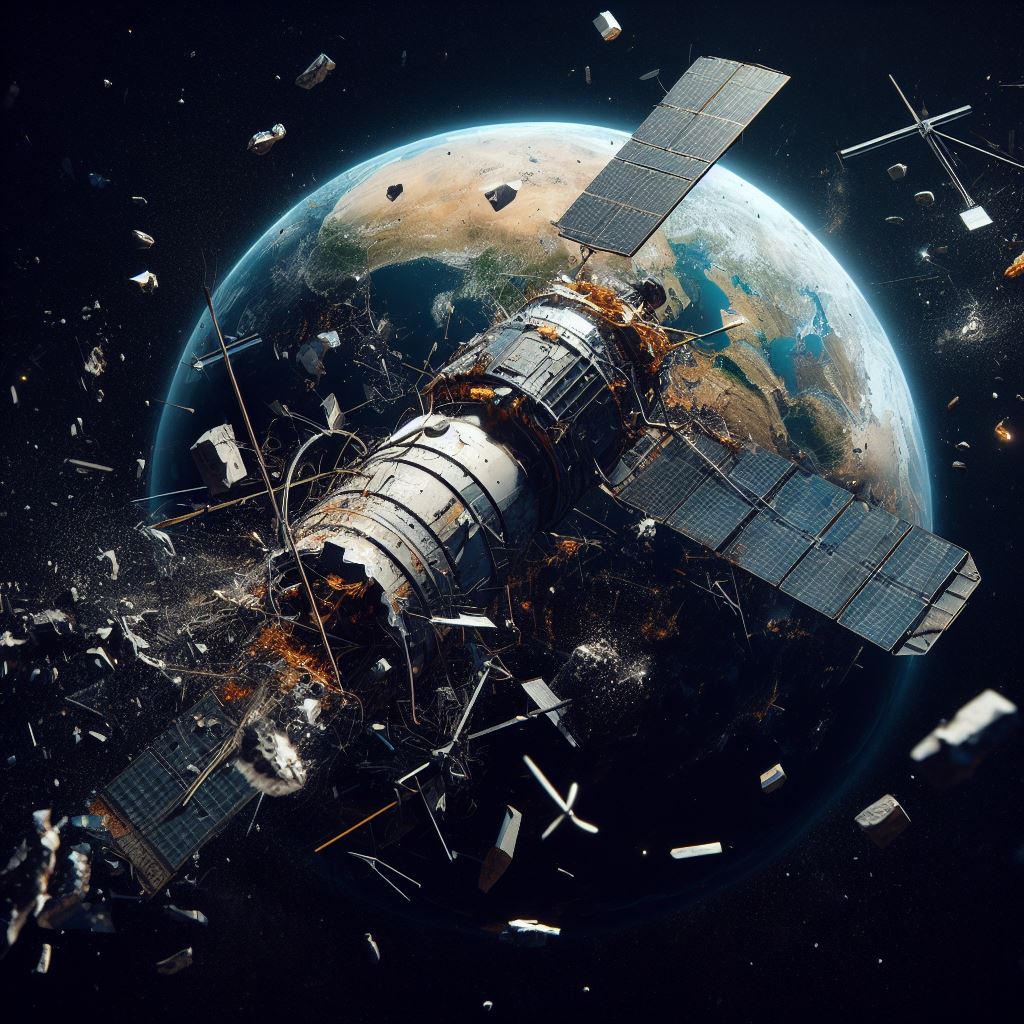
FENGYUN 1C DEB
Alternative Name
deb FY-1C
Type
Status
Owner
CASC
Country
China
Constellation
N/A
Related Satellites
Major Events
N/A
Length
0
Diameter
0
Span
0
Dry Mass
0
Launch Mass
0
Shape
N/A
Radar Cross Section
0.0109
Visual Magnitude
Unknown
Color
Unknown
Material Composition
Unknown
Payload
Unknown
Purpose
Unknown
Mission
Unknown
Manufacturer
Unknown
Life Expectancy
Unknown
Bus
Unknown
Configuration
Unknown
Motor
Unknown
Equipment
Unknown
Power System
Unknown
ADCS
Unknown
Transmitter Frequency
Unknown
Learn more about satellites and other related topics.
SpaceX sets a reuse record with Falcon 9, advances Starship program, while Starlink influences satellite market dynamics.
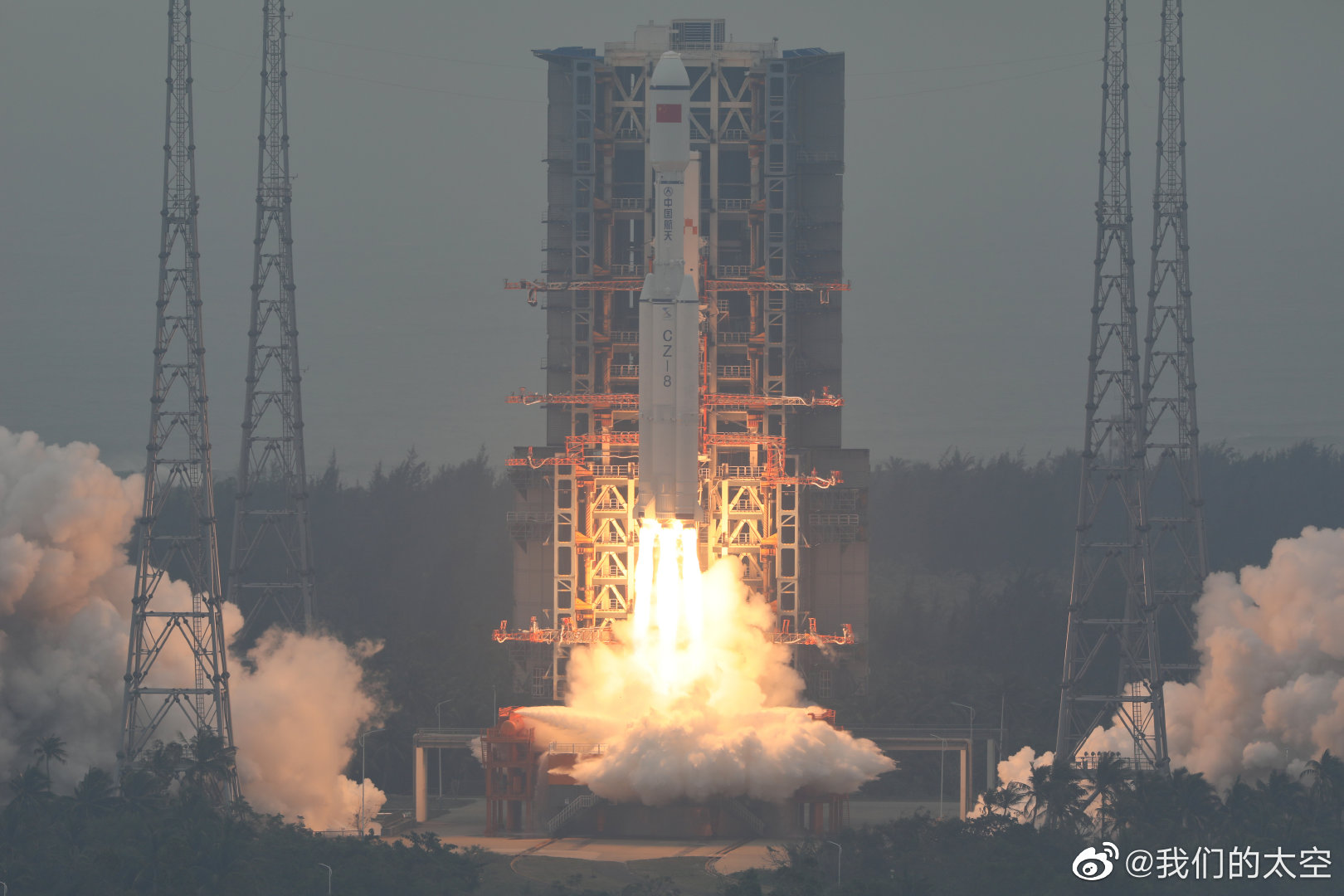
New Glenn rocket exploded hours after U.S. Space Force and NRO awarded Blue Origin a national security launch task order. Stand-down and mishap investigation expected.
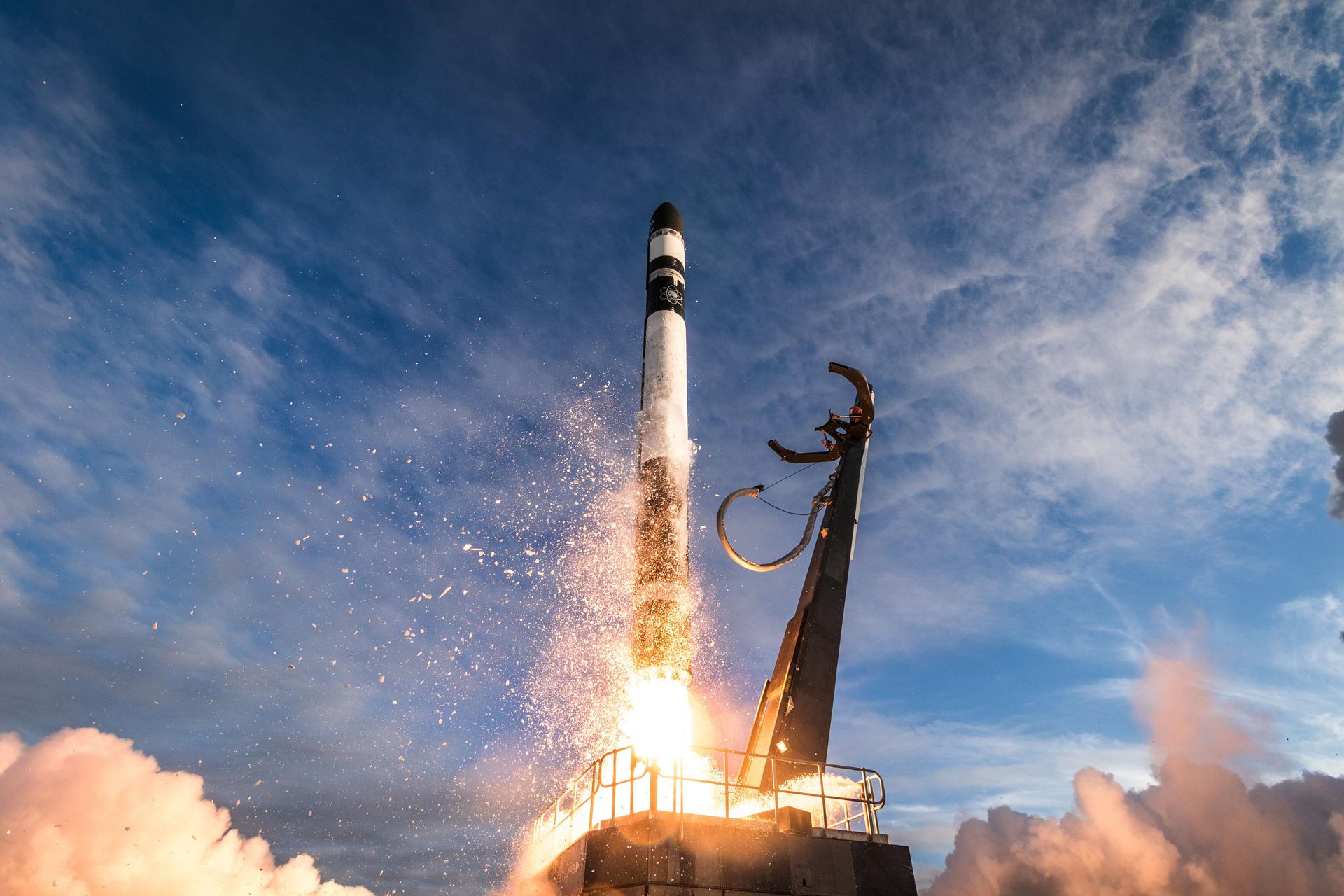
Busy activities in space: SpaceX's series of Starlink launches dominate the week, while Vega C successfully deploys Earth science satellites.
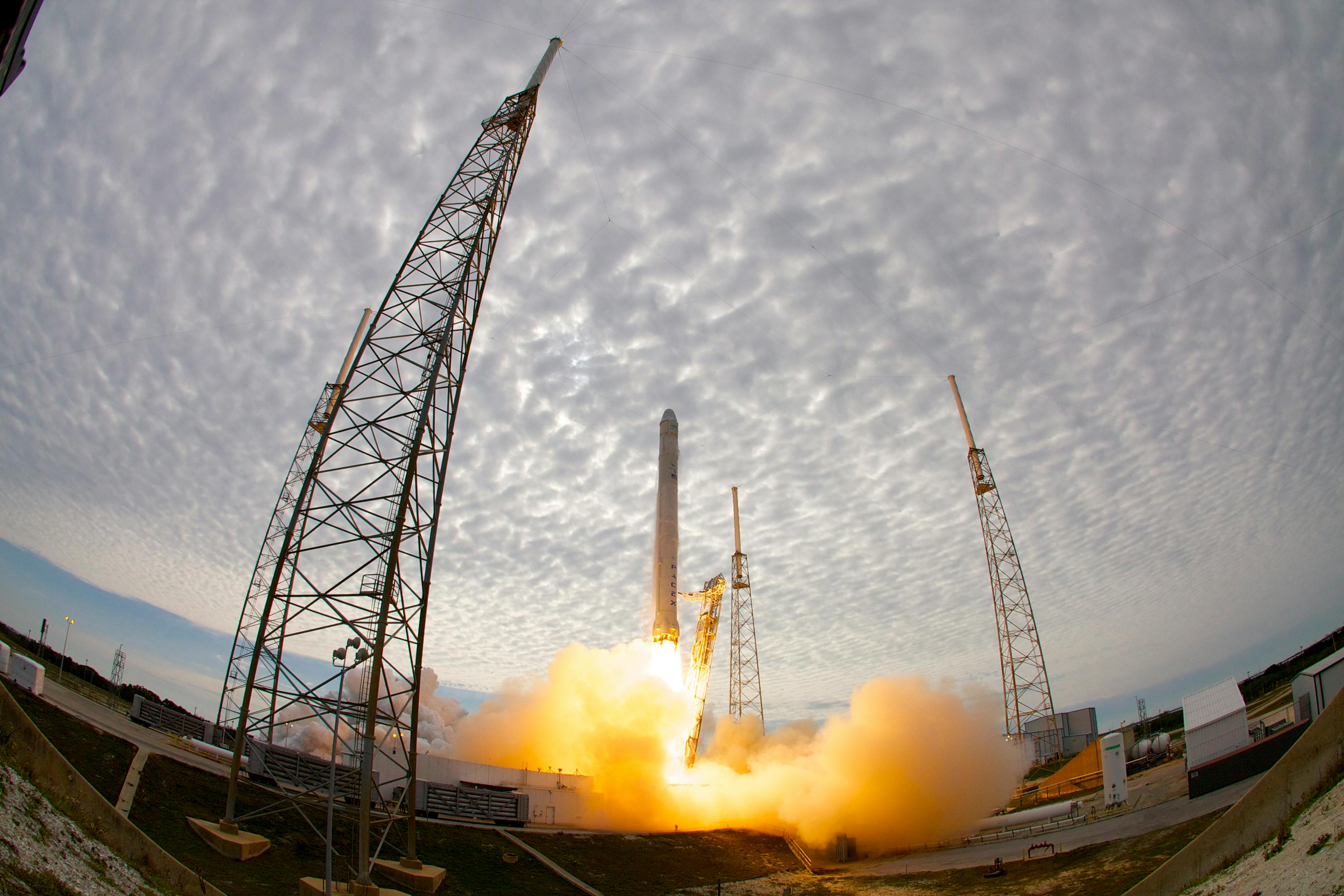
SpaceX celebrates significant milestones with its 100th launch of the year, enhancing Starlink's coverage while preparing for an escalating Starship production cadence.

Space Force projects 25 additional high-energy missions in 2027–2029 window, straining capacity at Vulcan and Falcon Heavy. Capacity constraints will drive military-NASA prioritization debates.
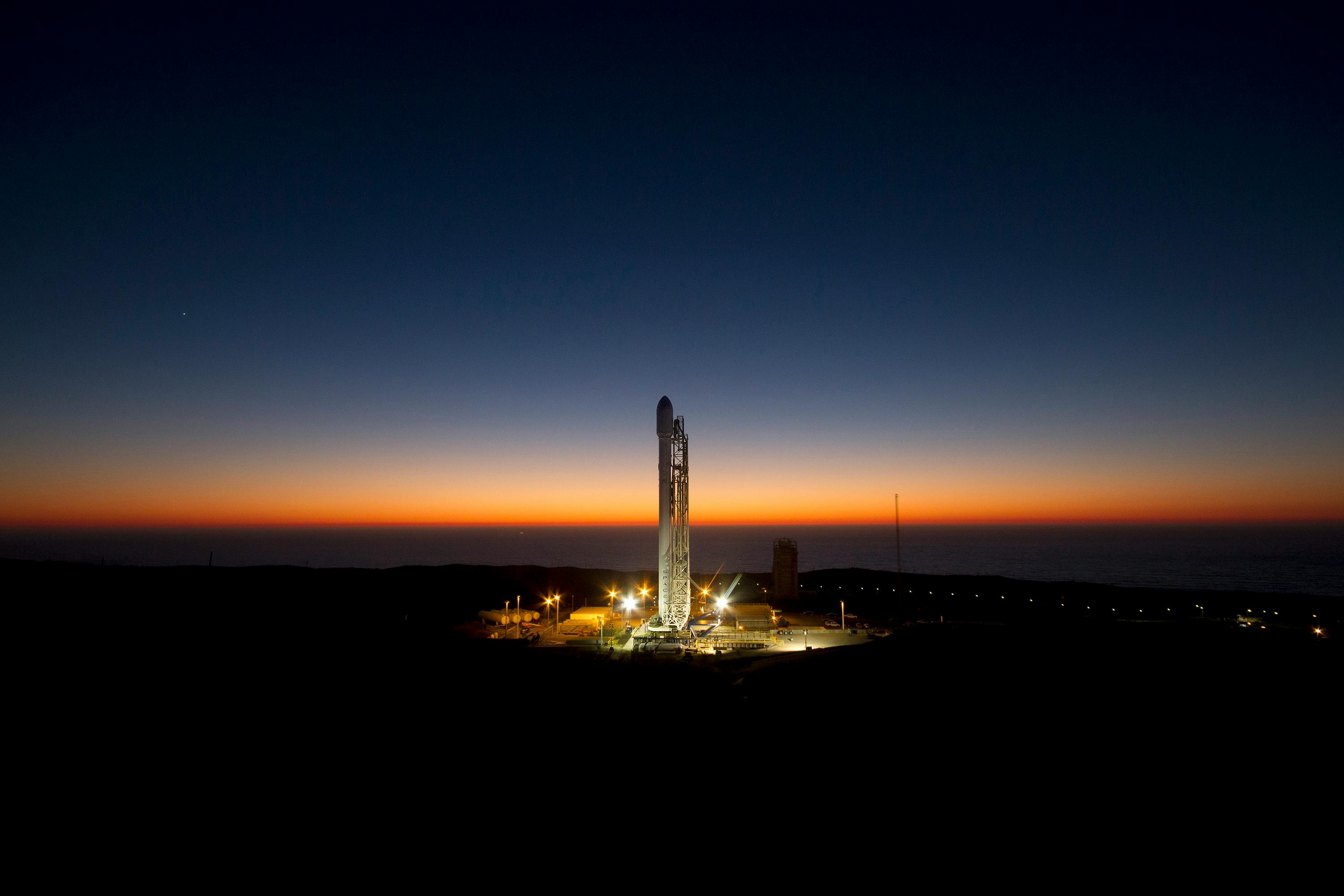
NASA adds crew missions to SpaceX's contract as Boeing Starliner certification stalls, while Falcon 9 hits its 60th orbital launch of 2026.
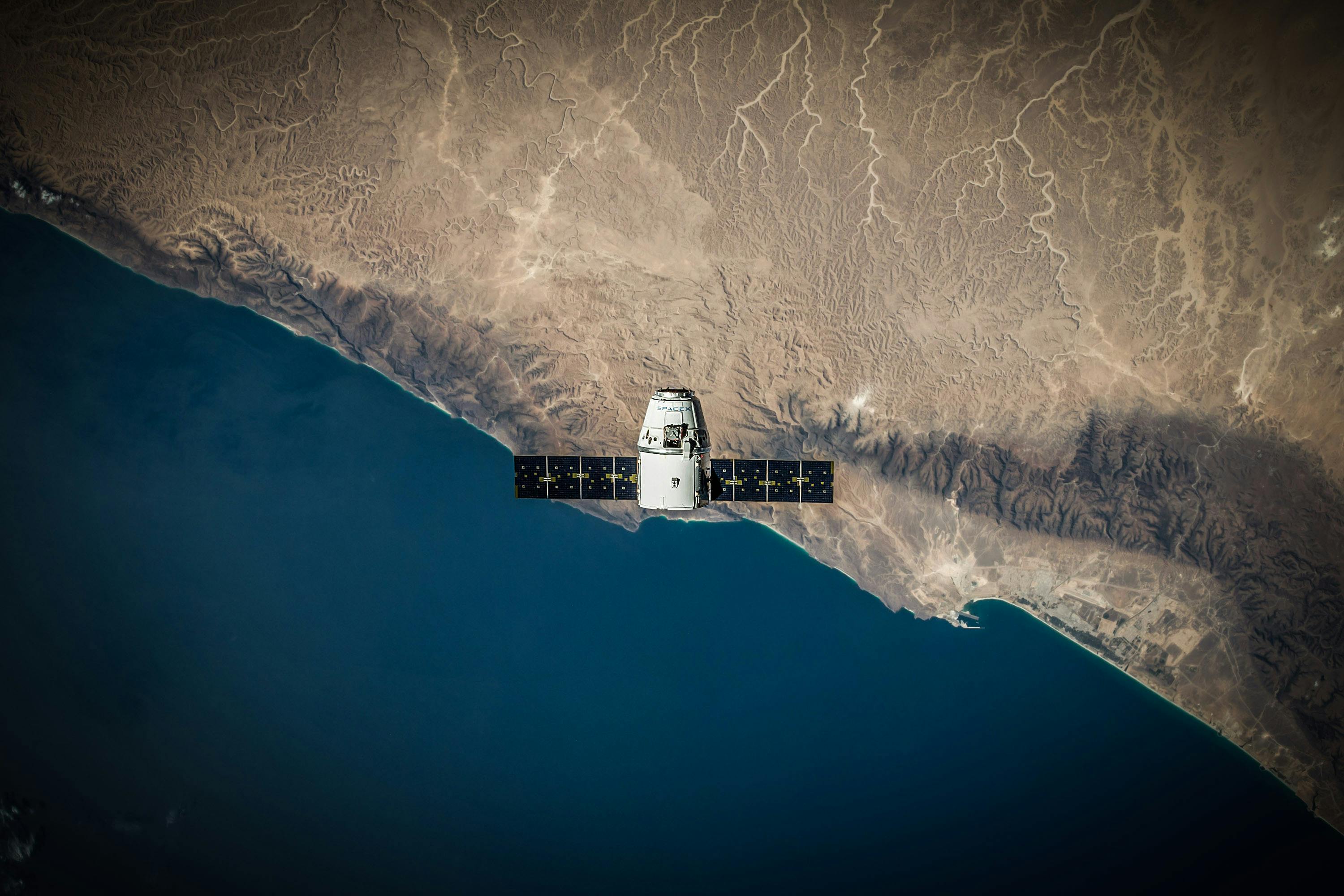
Highlights include China's rising threats in space, a new Starlink launch, NASA's optimistic future, and a cosmic conjunction featuring the Moon and Saturn.
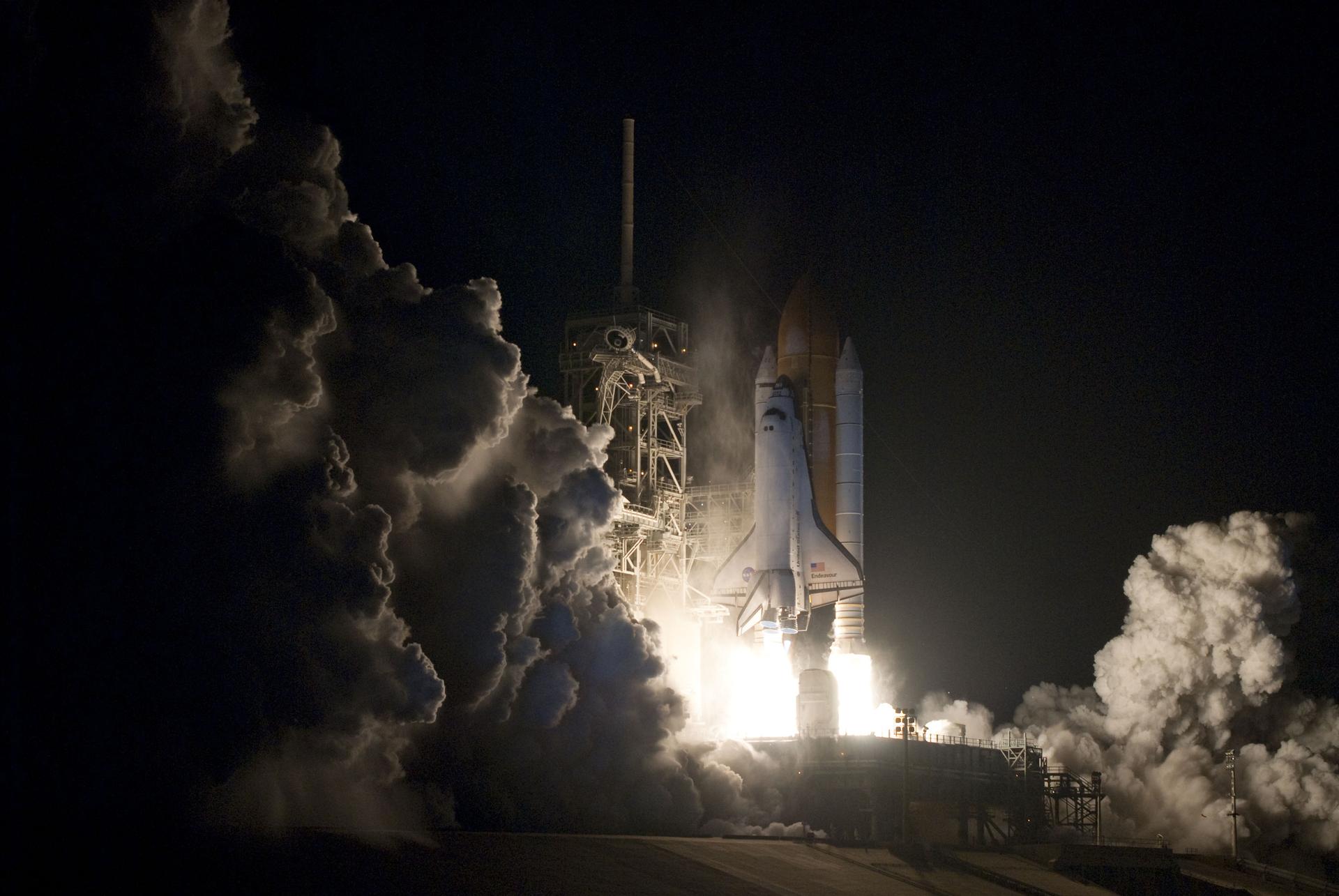
Fifteen years ago, Space Shuttle Endeavour launched on a mission that would give International Space Station astronauts their most spectacular view of Earth through the innovative Cupola observatory