


Rocket Lab Wins $190M Pentagon Hypersonic Contract | KeepTrack Space Brief
Rocket Lab secures $190M Pentagon deal for 20 hypersonic test flights over 4 years using Electron. Five missions annually trackable via Space-Track.



Launch Date
May 10, 1999
Launch Site
TAISC
Launch Pad
LC7
Launch Vehicle
Chang Zheng 4B
NORAD ID
31742
International Designator
1999-025CER
Epoch
Thu, 02 Jul 2026 21:08:39 GMT
Apogee
Calculating...
Perigee
Calculating...
Inclination
98.90°
Right Ascension
56.91°
Eccentricity
Calculating...
Argument of Perigee
90.23°
Period
99.96 min
Mean Motion
14.41 rev/day
Latitude
Calculating...
Longitude
Calculating...
Altitude
Calculating...
Velocity
Calculating...
Name
FENGYUN 1C DEB
Alternative Name
deb FY-1C
Type
Status
Owner
CASC
Country
China
Constellation
N/A
Related Satellites
Major Events
N/A
1 31742U 99025CER 26183.88100947 .00001537 00000-0 48099-3 0 9998
2 31742 98.8982 56.9082 0076728 90.2338 270.7642 14.40539742995592
Source: Celestrak
Length
0
Diameter
0
Span
0
Dry Mass
0
Launch Mass
0
Shape
N/A
Radar Cross Section
0.0011
Visual Magnitude
Unknown
Color
Unknown
Material Composition
Unknown
Payload
Unknown
Purpose
Unknown
Mission
Unknown
Manufacturer
Unknown
Life Expectancy
Unknown
Bus
Unknown
Configuration
Unknown
Motor
Unknown
Equipment
Unknown
Power System
Unknown
ADCS
Unknown
Transmitter Frequency
Unknown
Learn more about satellites and other related topics.
Rocket Lab secures $190M Pentagon deal for 20 hypersonic test flights over 4 years using Electron. Five missions annually trackable via Space-Track.
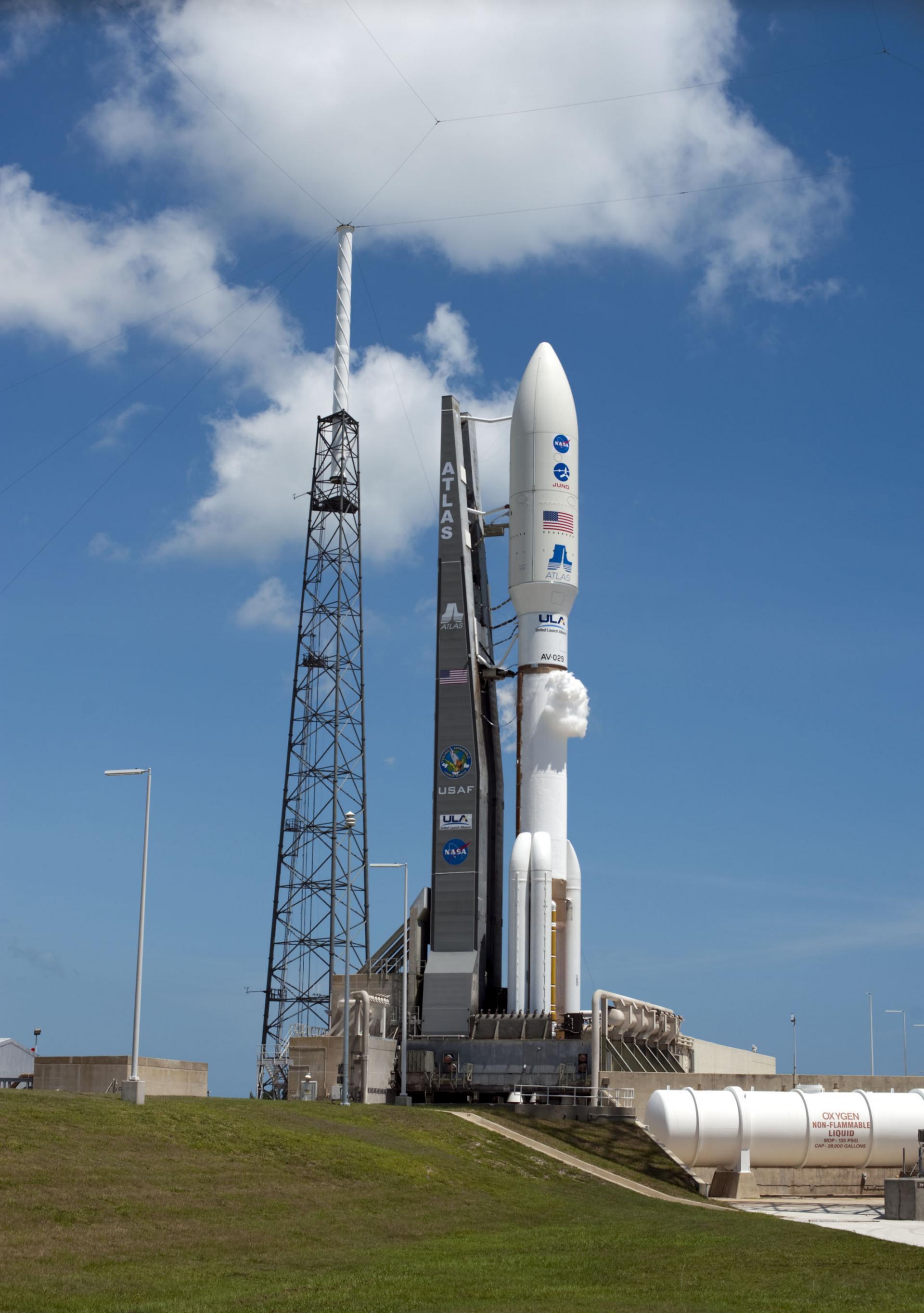
Today's highlights include China's Yaogan-40 satellite launch, military contracts for rocket studies, and SpaceX's 500th booster landing.
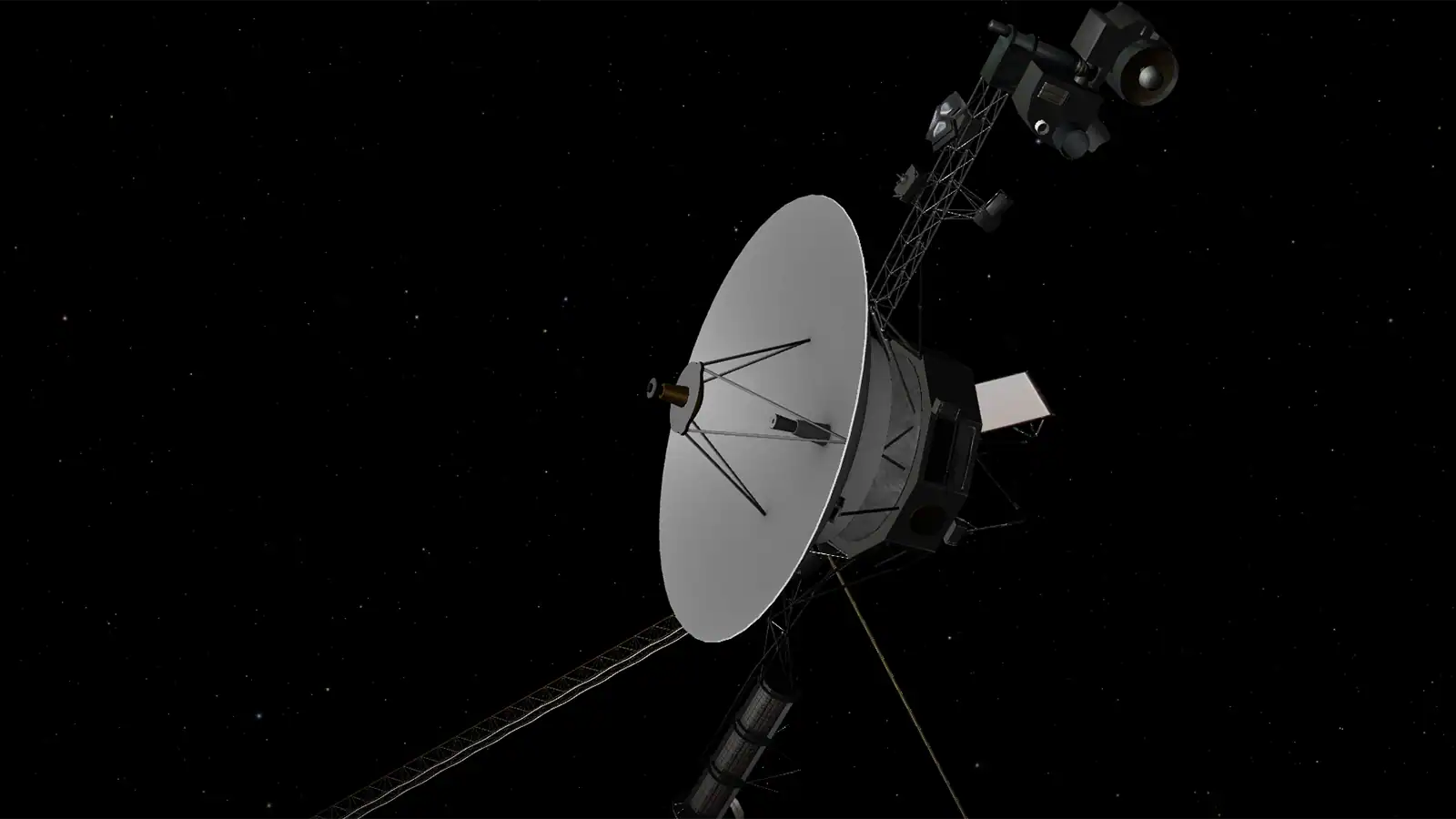
In November 2023, Earth's most distant spacecraft started speaking gibberish. Five months, one dead memory chip, and 30 billion miles of round-trip troubleshooting later, engineers got it talking again - using code written before most of them were born.
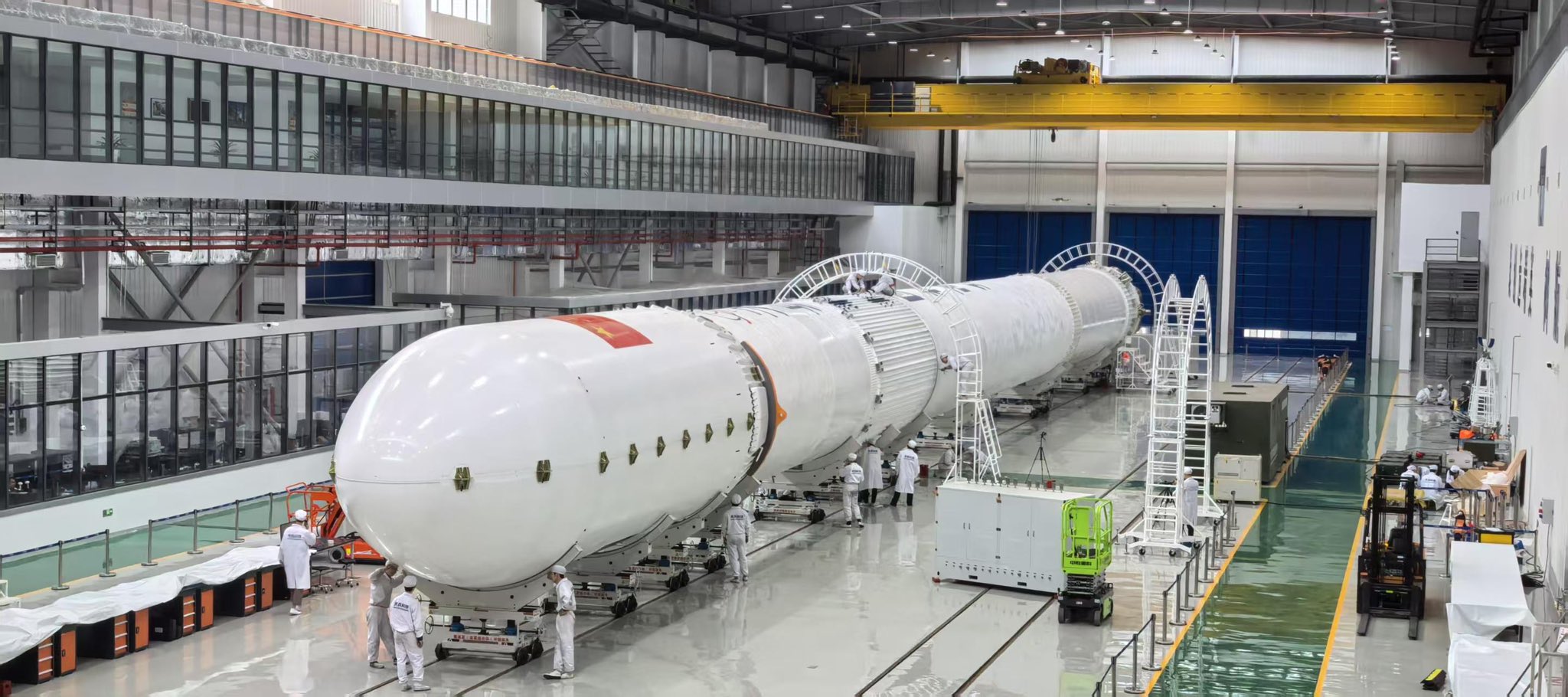
Second Starlink satellite malfunctioned on orbit and generated debris within three months of prior event. Falcon 9 booster completed record 34th mission from Cape Canaveral.

China confirms first one-year human spaceflight and Pakistani astronaut for Tiangong. Air Force develops X-68A missile-launching drone. Poland unveils $51B defense spending plan.

Today's brief covers major developments including the introduction of BAHA drones, increased defense spending by Estonia, and consequential announcements on military budgets impacting space-related activities.
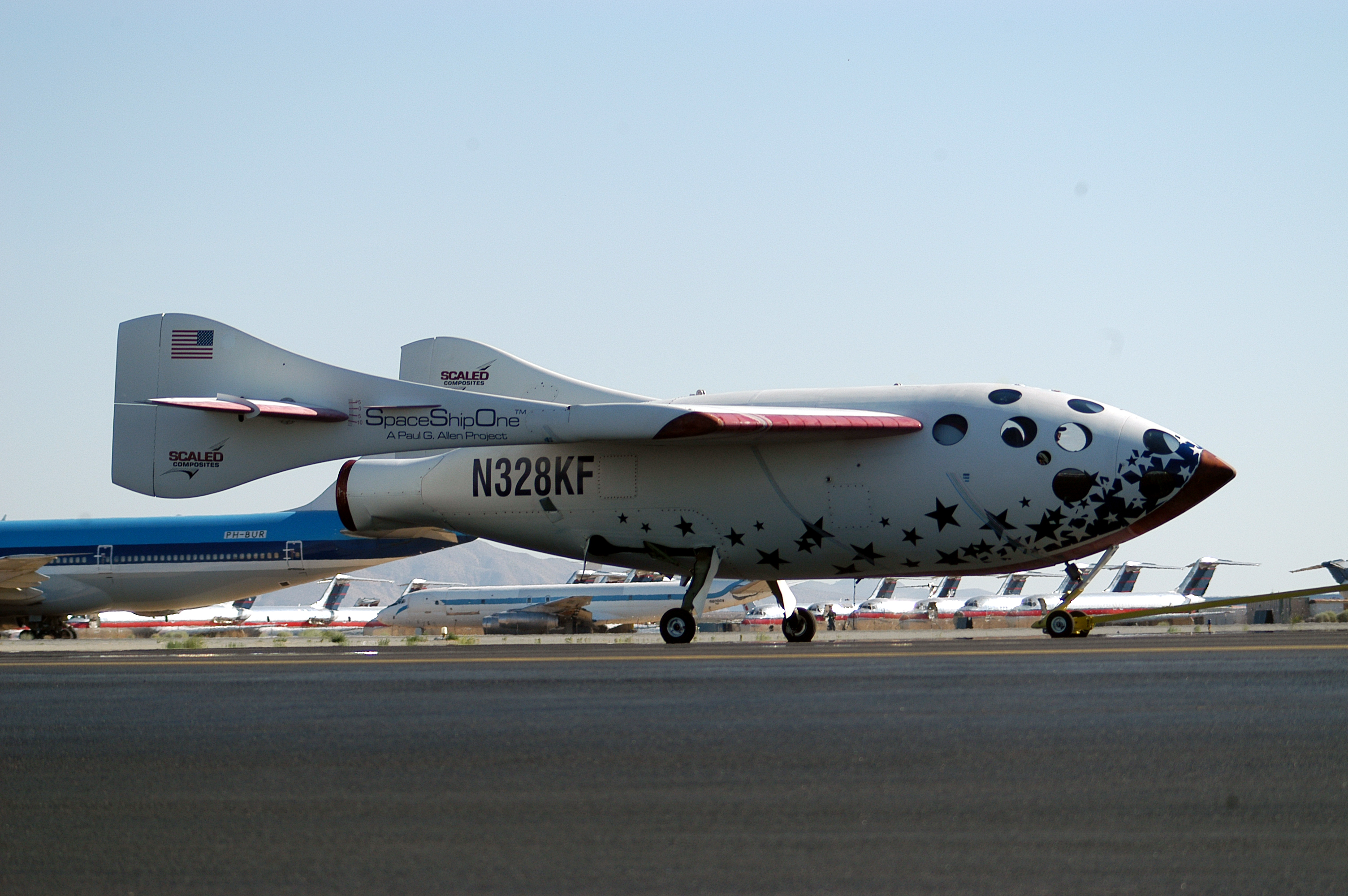
On 21 June 2004, a 63-year-old test pilot rode a homebuilt rocket plane to 100,124 meters above the Mojave Desert, clearing the edge of space by about the length of a city block. He came down the first private astronaut in history, holding a sign that read 'SpaceShipOne, GovernmentZero.'
Focus on Varda's second mission launch, new U.S. Defense Department tool for satellite anomaly investigation, and a detailed Satellite Spotlight on CELESTIS 21/Varisat 1C.